Research Handbooks in Health and Medical Law series – serie
Visar alla böcker i serien Research Handbooks in Health and Medical Law series. Handla med fri frakt och snabb leverans.
4 produkter
4 produkter
3 588 kr
Skickas inom 7-10 vardagar
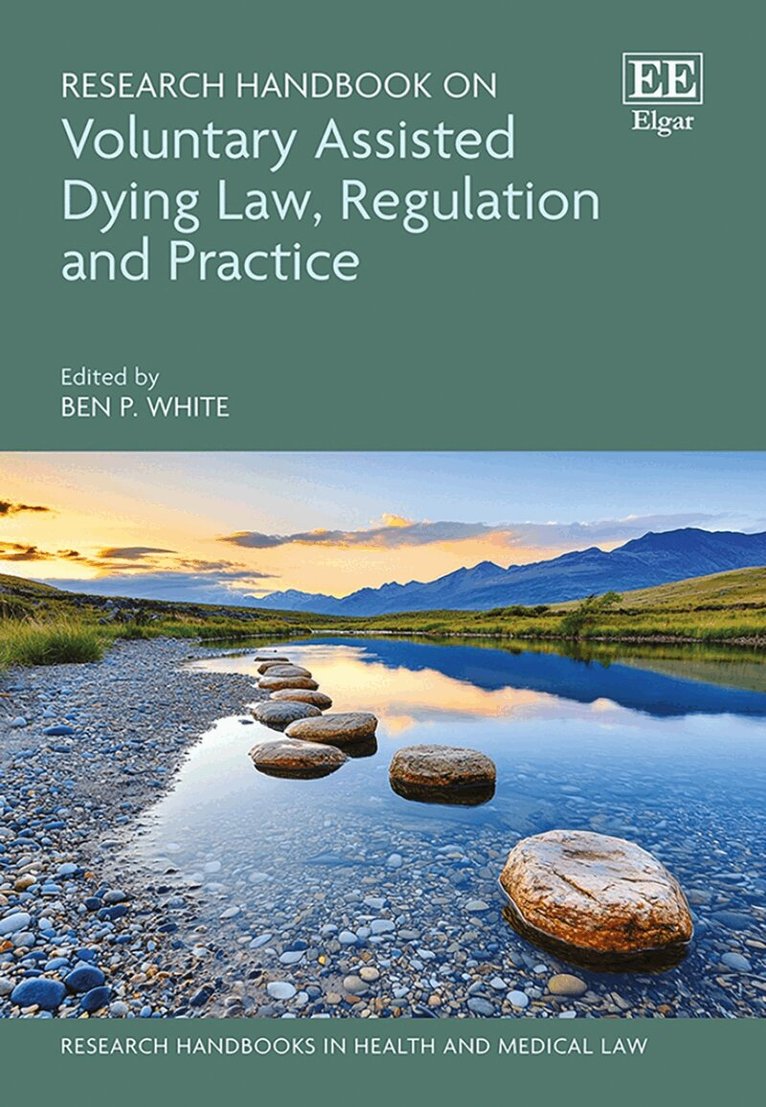
This unique Research Handbook examines voluntary assisted dying (VAD) laws through the lens of regulatory theory. It sheds light on interdisciplinary perspectives and outlines policy debates around the revision and implementation of these laws.Ben P. White brings together global experts to discuss the law and practice of VAD in all permitting jurisdictions. They explore contested questions about eligibility, including access for minors, those with mental disorders, and those who express feeling ‘tired of life’, as well as examining how best to regulate this practice. Chapters delve into case studies across the Americas and Europe of medical assistance in dying and euthanasia, addressing holistic approaches, as well as the matter of organ and tissue donation. The Research Handbook also evaluates key factors in policymaking, such as choice and autonomy, conscience, palliative care, disability rights, feminism and First Nations’ experiences.The Research Handbook on Voluntary Assisted Dying Law, Regulation and Practice is a vital resource for students and academics in human rights law and health law. Health and legal practitioners, administrators and policymakers will also greatly benefit from its breadth of insights into VAD.
3 275 kr
Skickas inom 7-10 vardagar
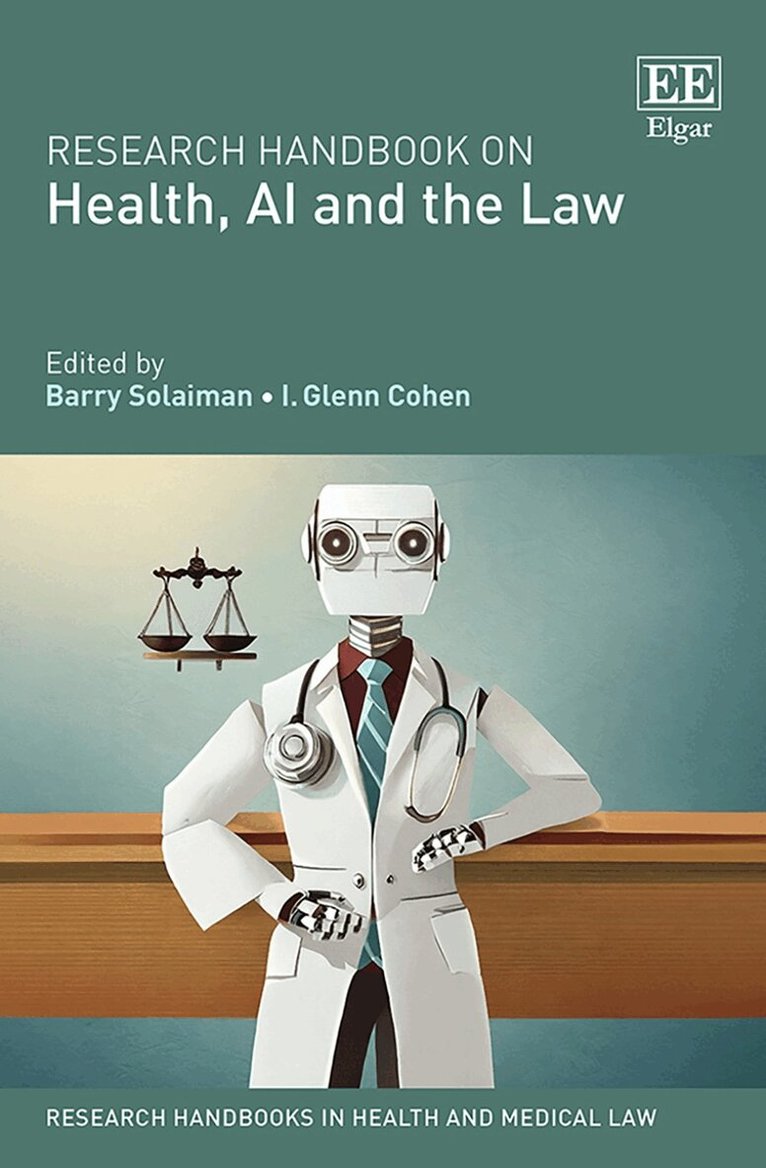
The Research Handbook on Health, AI and the Law explores the use of AI in healthcare, identifying the important laws and ethical issues that arise from its use. Adopting an international approach, it analyses the varying responses of multiple jurisdictions to the use of AI and examines the influence of major religious and secular ethical traditions.Bringing together a diverse range of carefully selected legal experts, the Research Handbook critically assesses the different uses of AI in healthcare and its promise to provide greater accuracy for healthcare professionals and patients by diagnosing diseases and detecting illness earlier and helping hospitals run more efficiently. It also highlights a series of legal and ethical challenges AI raises relating to bias, privacy, data security, medical liability, informed consent and intellectual property. AI governance is rigorously examined in countries across the globe spanning Asia, Europe and the US while different responses from international organisations towards AI in healthcare are also evaluated.This Research Handbook is a key resource for scholars and law students and for those interested in current and developing legal paradigms. Its legal and practical dimensions will also be beneficial to lawyers practising in health law and internet and technology law, policymakers and medical professionals.
3 200 kr
Skickas inom 7-10 vardagar
Despite recurring efforts, a gap exists across a variety of contexts between the protection of patients’ safety in theory and in practice. This timely Research Handbook highlights these critical issues and suggests both legal and policy changes are necessary to better protect patients’ safety. Multidisciplinary in nature, this Research Handbook features contributions from eminent academics, policy makers and medical practitioners from the Global North and South, discussing the essential facets concerning patient safety and the law. It highlights how the role of legislation and case law has the potential to influence, both positively and negatively, medical practice and the quality of care. Chapters explore patient safety and the global health agenda; physiotherapy; ‘non-therapeutic’ clinical research with children; patient safety awareness in healthcare education; and the increasing use of robotics and artificial intelligence in healthcare.Outlining a wide range of international perspectives on patient safety and the law, this Research Handbook will appeal to academics and researchers specialising in health and medical law, human rights, and healthcare regulation. It will also serve as a valuable resource for legal and medical practitioners alike, as well as clinicians and professionals working in healthcare governance.
3 588 kr
Skickas inom 7-10 vardagar
This insightful Research Handbook examines the persistent tensions between medical practitioners and patients in the context of consent. Experts contributors from legal, philosophical and medical fields explore the impact of the Supreme Court’s 2015 decision in Montgomery v Lanarkshire Health Board through a variety of lenses.Chapters cover the safety dimensions of consent, as well as the role of objective perspectives, autonomy and dignity. They address medical consent in research and innovative treatments in different jurisdictions, focusing on areas where varied interests are not easily resolved, such as abortion, end of life care, mental capacity and the treatment of children and older people. The Research Handbook also highlights the difficulties of applying legal and ethical rules of consent in the setting of Emergency departments.This is an essential resource for students and academics specialising in health law, philosophy and ethics and for those interested in the tensions of informed medical consent. It is also a beneficial guide for medical and legal practitioners, presenting crucial insights into the practicalities of implementing legal regulations around medical consent.