Rhetorical Philosophy & Theory – serie
Visar alla böcker i serien Rhetorical Philosophy & Theory. Handla med fri frakt och snabb leverans.
9 produkter
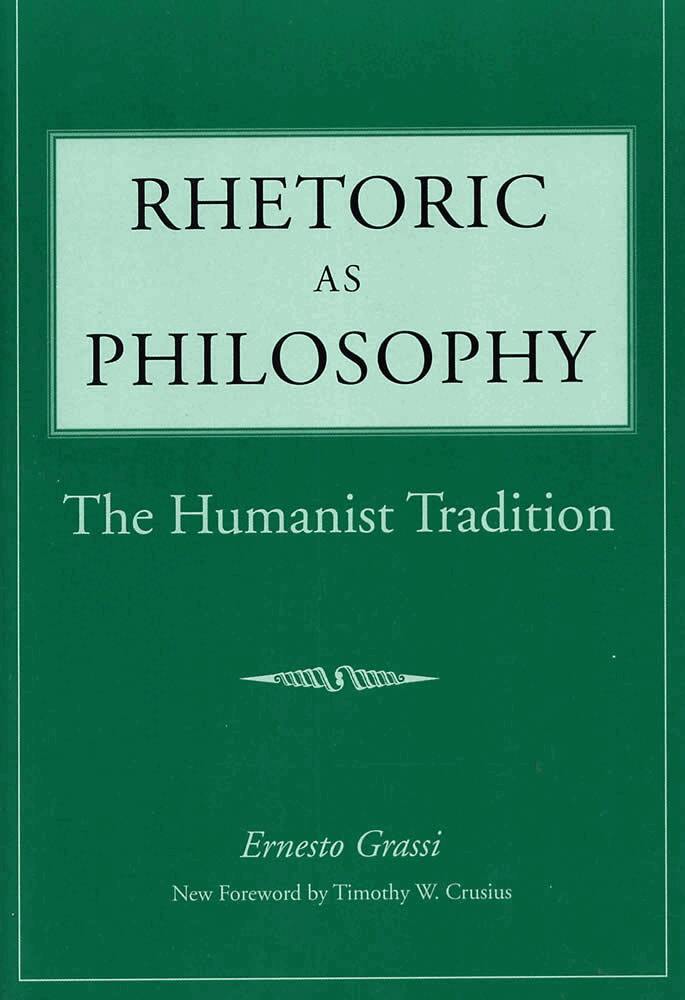
Rhetoric As Philosophy
The Humanist Tradition
Häftad, 2001
425 kr
Lägg i varukorg
Originally published in English in 1980, Rhetoric as Philosophy has been out of print for some time. The reviews of that English edition attest to the importance of Ernesto Grassi's work. By going back to the Italian humanist tradition and aspects of earlier Greek and Latin thought, Ernesto Grassi …
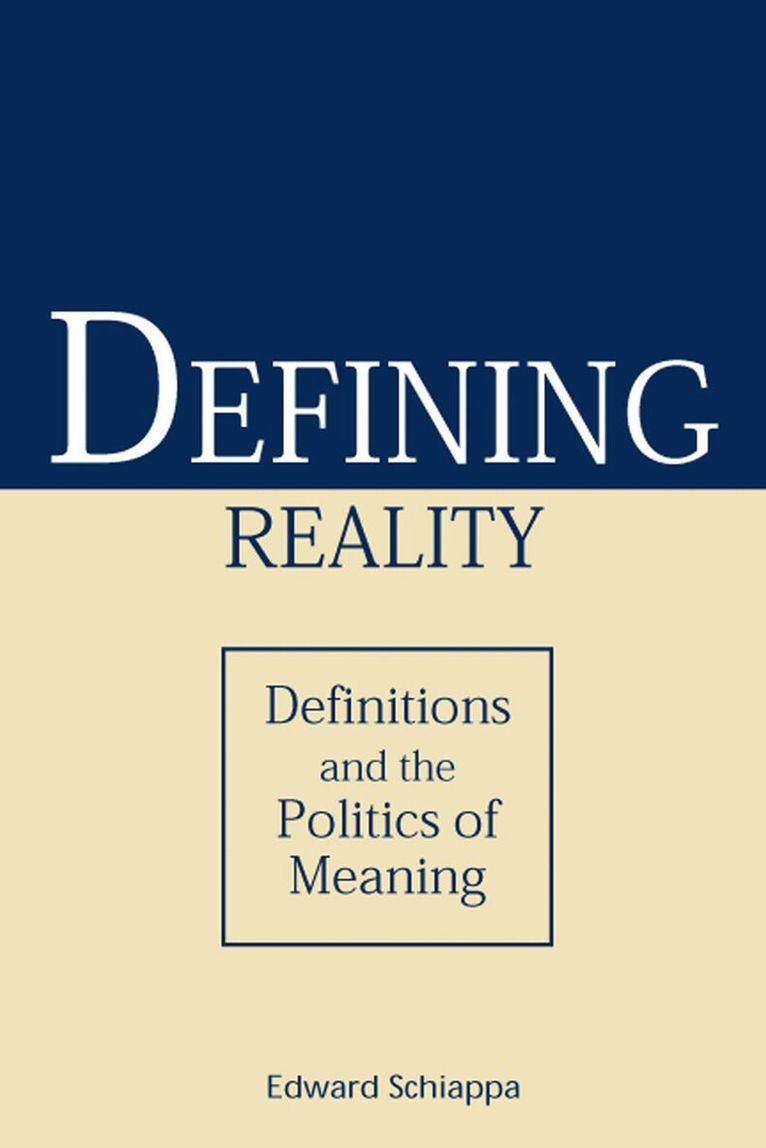
Defining Reality
Definitions and the Politics of Meaning
Häftad, 2003
425 kr
Lägg i varukorg
In Defining Reality, Edward Schiappa argues that definitional disputes should be treated less as philosophical questions of “is”and more as sociopolitical questions of “ought.” Instead of asking “What is X?” he advocates that definitions be considered as proposals for shared knowledge and …
Kenneth Burke and the Conversation After Philosophy
Inbunden, 1999
650 kr
Tillfälligt slut
This study of Kenneth Burke's writings traces the critic's commitment and contribution to philosophy prior to 1945. The author contends that rather than belonging to the late-modernist tradition, Burke actually starts from a position closely akin to such postmodern figures as Michel Foucault.
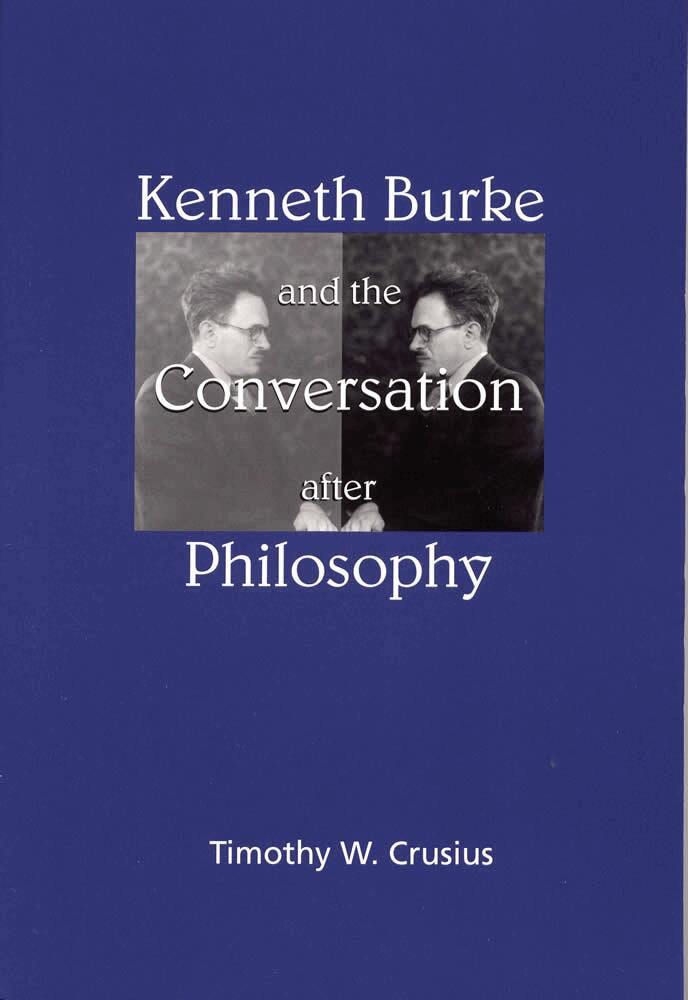
Kenneth Burke and the Conversation After Philosophy
Häftad, 1999
489 kr
Tillfälligt slut
This study of Kenneth Burke's writings traces the critic's commitment and contribution to philosophy prior to 1945. The author contends that rather than belonging to the late-modernist tradition, Burke actually starts from a position closely akin to such postmodern figures as Michel Foucault.
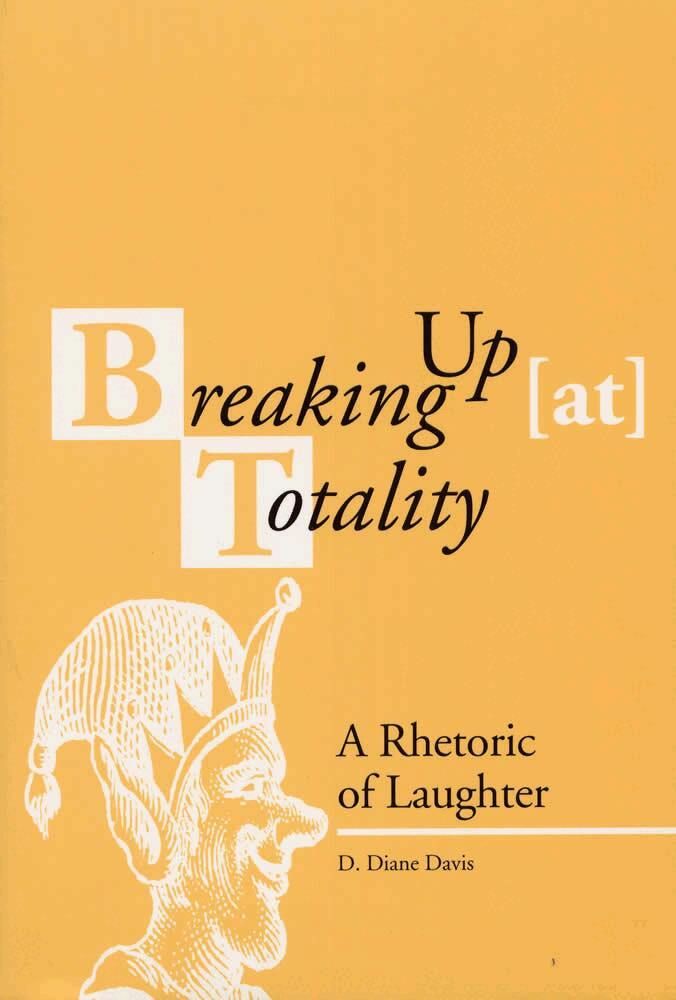
Breaking Up (at) Totality
A Rhetoric of Laughter
Häftad, 2000
441 kr
Tillfälligt slut
This text takes a ""third sophistics"" approach to rhetoric, one that focuses on the play of language that disrupts the ""either/or"" construction of dialectic. It concentrates on the nonsequential third that overflows language's dichotomies. In this work laughter operates as a trope for disruption.
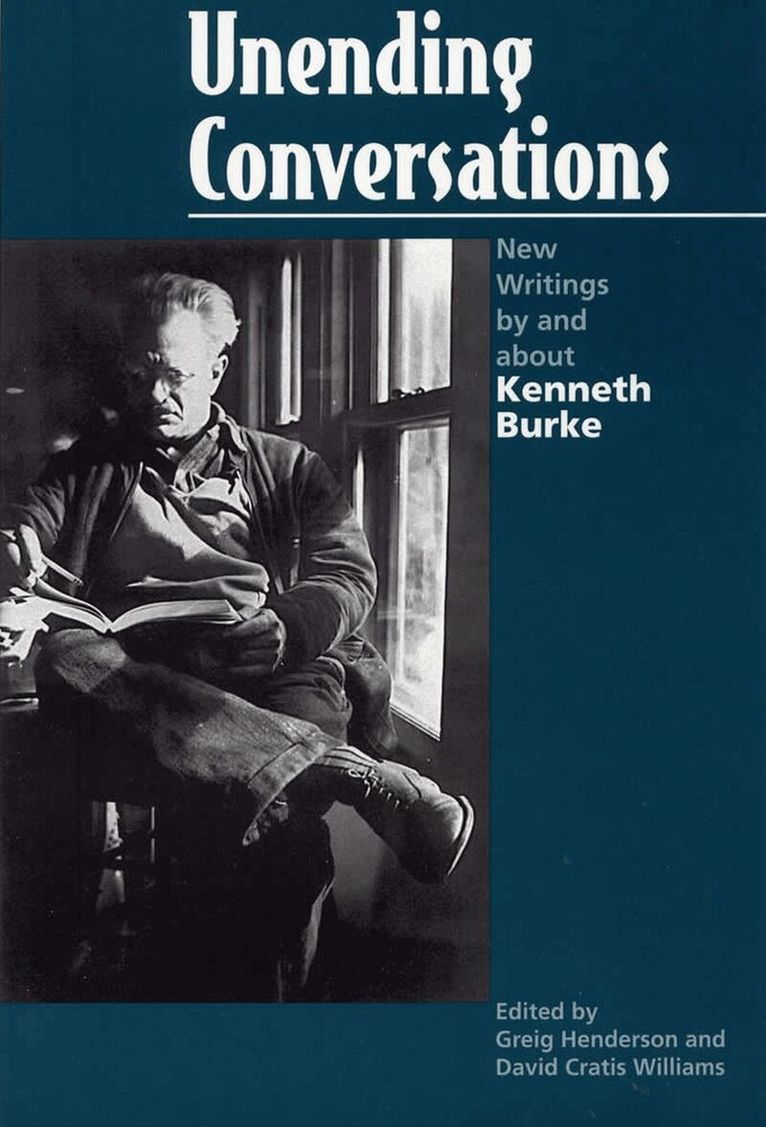
Unending Conversations
New Writings by and About Kenneth Burke
Av Kenneth Burke, Greig E. Henderson m. fl.
Häftad, 2001
441 kr
Tillfälligt slut
Previously unpublished writings by and about Kenneth Burke plus essays by such Burkean luminaries as Wayne C. Booth, William H. Rueckert, Robert Wess, Thomas Carmichael, and Michael Feehan make the publication of Unending Conversations a significant event in the field of Burke studies and in the …
Rhetoric on the Margins of Modernity
Vico, Condillac, Monboddo
Häftad, 2002
441 kr
Tillfälligt slut
Changes in English studies today, particularly the rise of cultural studies, have forced reexaminations of historical genealogies. Three complex figures whose places are currently being reassessed include the Neapolitan Giambattista Vico (1668-1744), the Frenchman Etienne de Condillac (1714-1780), …
Where Writing Begins
A Postmodern Reconstruction
Av Michael Carter, David Blakesley
Inbunden, 2003
332 kr
Tillfälligt slut
Taking an innovative approach to the postmodern dilemma in rhetoric and composition, this study offers a positive and modern pedagogy that redefines and revalues writing and the teaching of writing through reconstructive, postmodern thought.
Writing Genres
Av Amy J Devitt
Inbunden, 2004
639 kr
Tillfälligt slut
In Writing Genres, Amy J. Devitt examines genre from social, linguistic, professional, and historical perspectives and explores genre's educational uses, making this volume the most comprehensive view of genre theory today. Writing Genres does not limit itself just to literary genres or to ideas of …