Robert C. Martin Series - Böcker
297 kr
Skickas inom 7-10 vardagar
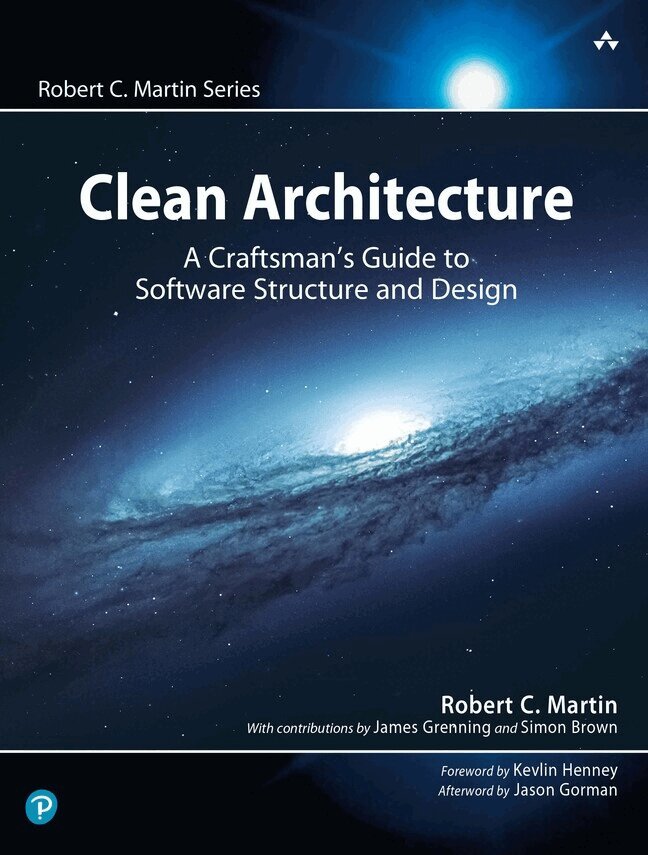
Building upon the success of best-sellers The Clean Coder and Clean Code, legendary software craftsman Robert C. "Uncle Bob" Martin shows how to bring greater professionalism and discipline to application architecture and design.
As with his other books, Martin's Clean Architecture doesn't merely present multiple choices and options, and say "use your best judgment": it tells you what choices to make, and why those choices are critical to your success. Martin offers direct, no-nonsense answers to key architecture and design questions like:
What are the best high level structures for different kinds of applications, including web, database, thick-client, console, and embedded apps? What are the core principles of software architecture? What is the role of the architect, and what is he/she really trying to achieve? What are the core principles of software design? How do designs and architectures go wrong, and what can you do about it? What are the disciplines and practices of professional architects and designers?Clean Architecture is essential reading for every software architect, systems analyst, system designer, and software manager -- and for any programmer who aspires to these roles or is impacted by their work.
413 kr
Skickas inom 7-10 vardagar
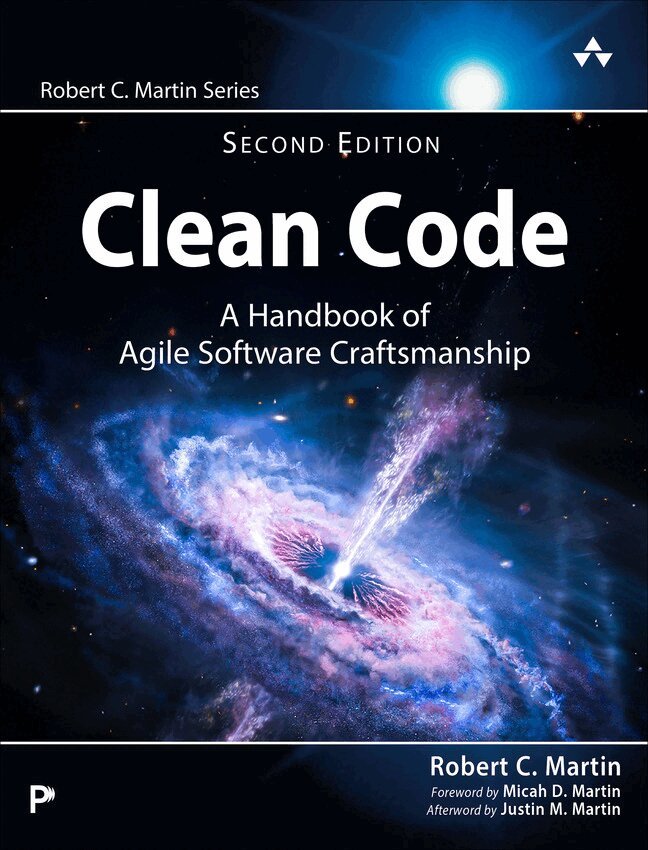
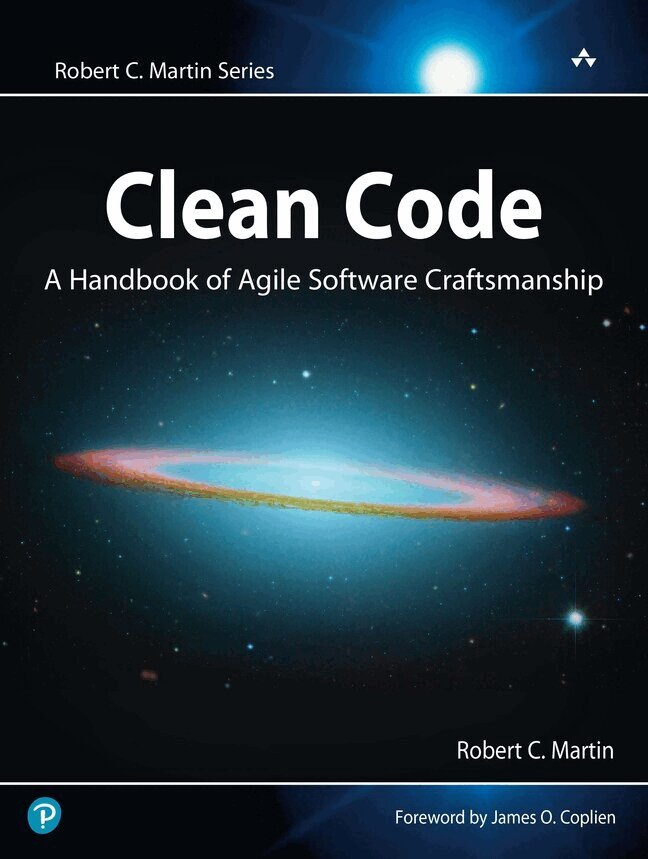
Bestselling author Robert C. Martin brings new life and updated code to his beloved Clean Code book
With Clean Code, Second Edition, Robert C. Martin ("Uncle Bob") reinvigorates the classic guide to software craftsmanship with updated insights, broader scope, and enriched content. This new edition--a comprehensive rewrite of the original bestseller--is poised to transform the way developers approach coding, fostering a deeper commitment to the craft of writing clean, flexible, and maintainable code.
The book is divided into four parts: basic coding practices, design principles and heuristics, high-level architecture, and the ethics of craftsmanship. It challenges readers to critically evaluate code quality and reassess their professional values, ultimately guiding them to produce better software. This edition includes expanded coverage of testing disciplines, design and architecture principles, and multiple programming languages.
Design and architecture principles integrated with coding practices Coverage of more languages, including Java, JavaScript, Go, Python, Clojure, C#, and C Case studies for practical exercises in code transformation Techniques for writing good names, functions, objects, and classes Strategies for formatting code for maximum readability Comprehensive error handling and testing practices Productive use of AI tools for coding Soft skills and the ethics of programming SOLID principles of software design Management of dependencies for flexible and reusable code Professional practices and trade-offs in object-oriented designClean Code, Second Edition, underscores the importance of evolving software craftsmanship to meet contemporary challenges. Offering a deeper exploration of testing, design, and architecture, alongside universal coding principles applicable across various programming languages, this edition is set to be an indispensable resource for developers, engineers, and project managers. It not only aims to enhance technical skills but also to cultivate a professional ethos that values clean, flexible, and sustainable code.
Register your book for convenient access to downloads, updates, and/or corrections as they become available. See inside book for details.
434 kr
Skickas inom 7-10 vardagar
478 kr
Skickas inom 7-10 vardagar
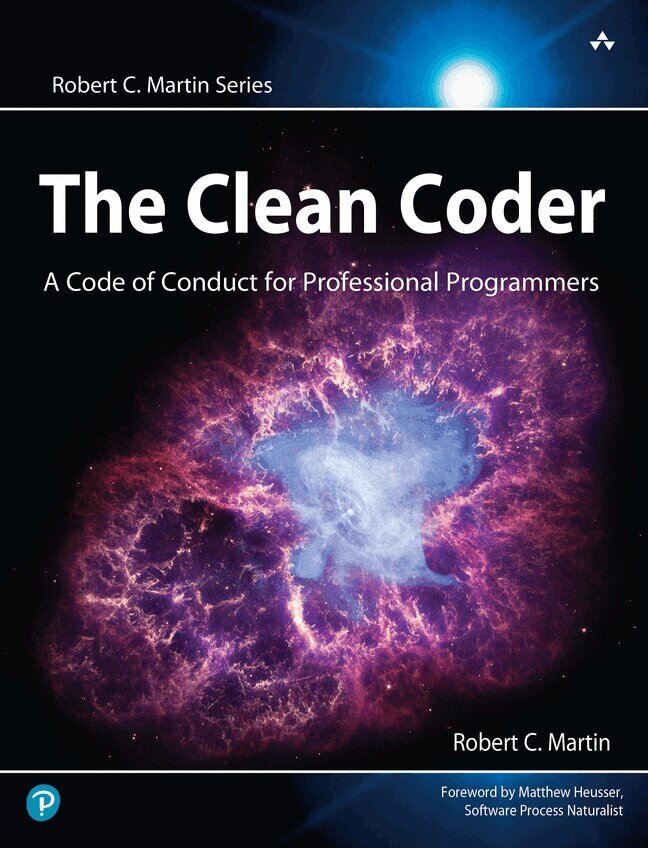
Programmers who endure and succeed amidst swirling uncertainty and nonstop pressure share a common attribute: They care deeply about the practice of creating software. They treat it as a craft. They are professionals.
In The Clean Coder: A Code of Conduct for Professional Programmers, legendary software expert Robert C. Martin introduces the disciplines, techniques, tools, and practices of true software craftsmanship. This book is packed with practical advice–about everything from estimating and coding to refactoring and testing. It covers much more than technique: It is about attitude. Martin shows how to approach software development with honor, self-respect, and pride; work well and work clean; communicate and estimate faithfully; face difficult decisions with clarity and honesty; and understand that deep knowledge comes with a responsibility to act.
Readers will learn
What it means to behave as a true software craftsman How to deal with conflict, tight schedules, and unreasonable managers How to get into the flow of coding, and get past writer’s block How to handle unrelenting pressure and avoid burnout How to combine enduring attitudes with new development paradigms How to manage your time, and avoid blind alleys, marshes, bogs, and swamps How to foster environments where programmers and teams can thrive When to say “No”–and how to say it When to say “Yes”–and what yes really meansGreat software is something to marvel at: powerful, elegant, functional, a pleasure to work with as both a developer and as a user. Great software isn’t written by machines. It is written by professionals with an unshakable commitment to craftsmanship. The Clean Coder will help you become one of them–and earn the pride and fulfillment that they alone possess.
661 kr
Skickas inom 7-10 vardagar
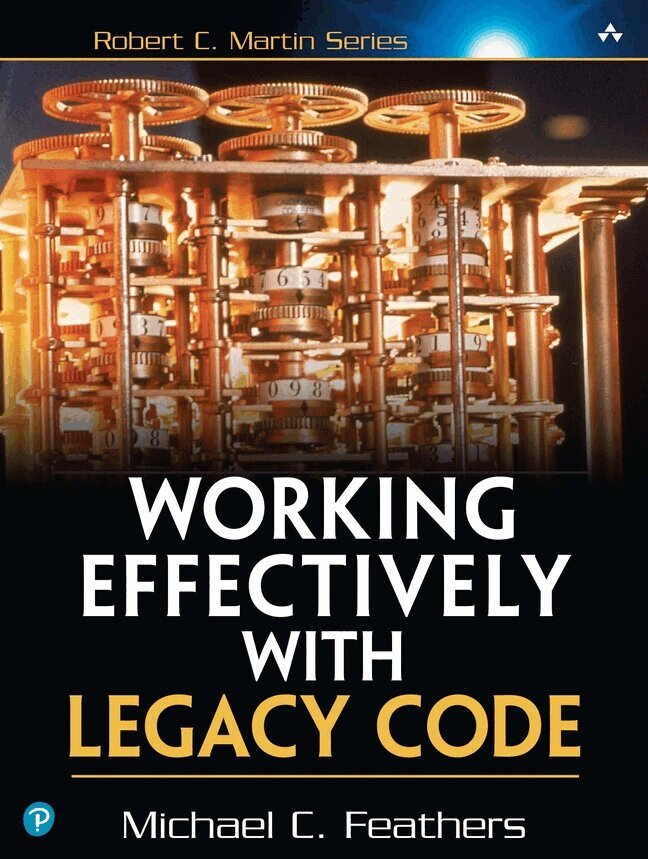
This book provides programmers with the ability to cost-effectively handle common legacy code problems without having to go through the hugely expensive task of rewriting all existing code. It describes a series of practical strategies that developers can employ to bring their existing software applications under control. The author provides useful guidance about how to use these strategies when refactoring or making functional changes to codebases.
One of the book's key points is that it teaches developers to write tests that can be used to ensure they are not unintentionally changing the application as they optimize it. Examples are provided in Java, C++, and C#, and the book assumes that the reader has some knowledge of UML notation. Strategies using UML and code in C++ and Java are emphasized, while language-independent advice is delivered in sidebars and appendices for language-specific users.
303 kr
Skickas inom 7-10 vardagar
Agile Values and Principles for a New Generation
"In the journey to all things Agile, Uncle Bob has been there, done that, and has the both the t-shirt and the scars to show for it. This delightful book is part history, part personal stories, and all wisdom. If you want to understand what Agile is and how it came to be, this is the book for you."Grady Booch
"Bob's frustration colors every sentence of Clean Agile, but it's a justified frustration. What is in the world of Agile development is nothing compared to what could be. This book is Bob's perspective on what to focus on to get to that what could be. And he's been there, so it's worth listening."Kent Beck
It's good to read Uncle Bob's take on Agile. Whether just beginning, or a seasoned Agilista, you would do well to read this book. I agree with almost all of it. It's just some of the parts make me realize my own shortcomings, darn it. It made me double-check our code coverage (85.09%)." Jon Kern
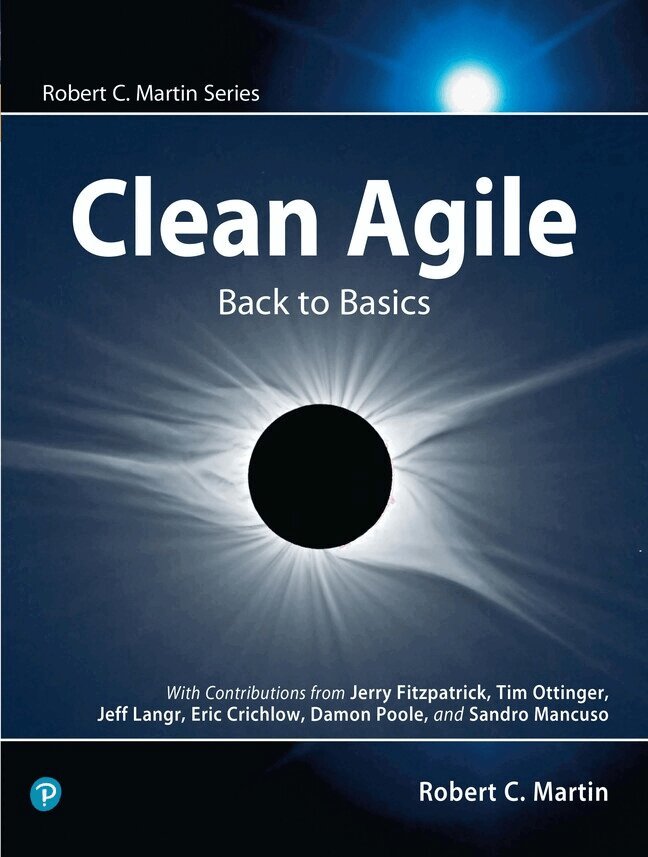
Nearly twenty years after the Agile Manifesto was first presented, the legendary Robert C. Martin ("Uncle Bob") reintroduces Agile values and principles for a new generation-programmers and nonprogrammers alike. Martin, author of Clean Code and other highly influential software development guides, was there at Agile's founding. Now, in Clean Agile: Back to Basics, he strips away misunderstandings and distractions that over the years have made it harder to use Agile than was originally intended.
Martin describes what Agile is in no uncertain terms: a small discipline that helps small teams manage small projects . . . with huge implications because every big project is comprised of many small projects. Drawing on his fifty years' experience with projects of every conceivable type, he shows how Agile can help you bring true professionalism to software development.
Get back to the basics – what Agile is, was, and should always be Understand the origins, and proper practice, of SCRUM Master essential business-facing Agile practices, from small releases and acceptance tests to whole-team communication Explore Agile team members' relationships with each other, and with their product Rediscover indispensable Agile technical practices: TDD, refactoring, simple design, and pair programming Understand the central roles values and craftsmanship play in your Agile team’s successIf you want Agile's true benefits, there are no shortcuts: You need to do Agile right. Clean Agile: Back to Basics will show you how, whether you're a developer, tester, manager, project manager, or customer. Register your book for convenient access to downloads, updates, and/or corrections as they become available. See inside book for details.
280 kr
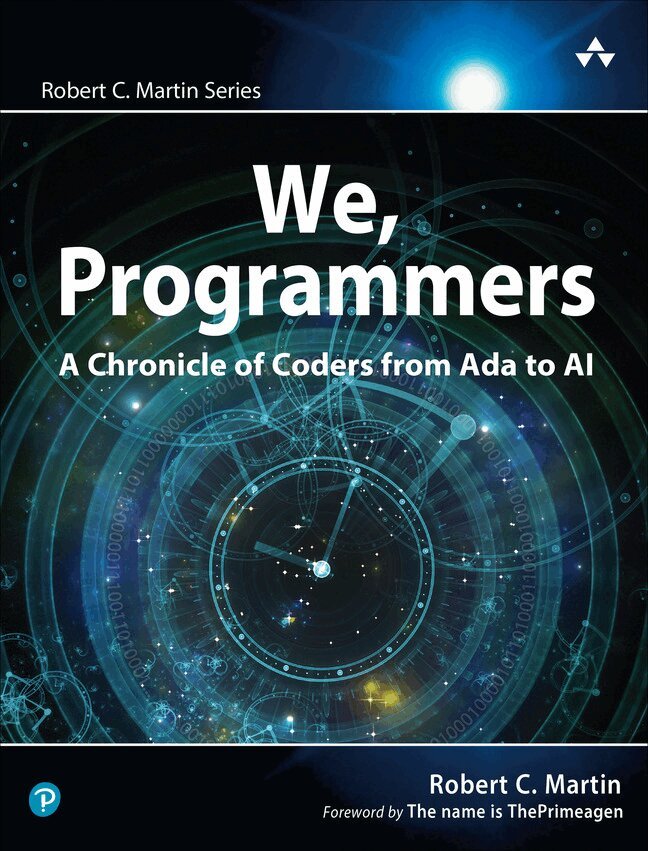
The Journey of Programming and Its Pioneers: From the Birth of Code to the Rise of AI
In We, Programmers, software legend Robert C. Martin--"Uncle Bob"--dives deep into the world of programming, exploring the lives of the groundbreaking pioneers who built the foundation of modern computing. From Charles Babbage and Ada Lovelace to Alan Turing, Grace Hopper, and Dennis Ritchie, Martin shines a light on the figures whose brilliance and perseverance changed the world.
This memoir-infused narrative provides a rich human history filled with technical insights for developers, examining the coding breakthroughs that shaped computing at the bit and byte level. By connecting these technical achievements with the human stories behind them, Martin gives readers a rare glimpse into the struggles and triumphs of the people who made modern technology possible. Depression, failure, and ridicule--these pioneers faced it all, and their stories intertwine with the evolution of computing itself as the field evolved from its humble beginnings to the cloud-based AIs of today. With the rise of AI, Martin also explores how this technology is transforming the future of programming and the ethical challenges that come with it.
Notable topics include
Understanding programming's roots and how they shaped today's tech landscape The human side of coding pioneers--what drove them, and what they overcame Key programming breakthroughs, from the early days of assembly to the rise of object-oriented languages The pivotal role World War II played in advancing computer science Insights and predictions regarding the ethical considerations surrounding AI and the future of programmingFor programmers, coders, and anyone fascinated by the intersection of people and machines, this guide to the history, humanity, and technology behind the code that powers our world today is a fascinating and essential read.
Register your book for convenient access to downloads, updates, and/or corrections as they become available. See inside book for details.
407 kr
Skickas inom 7-10 vardagar
554 kr
Skickas inom 7-10 vardagar
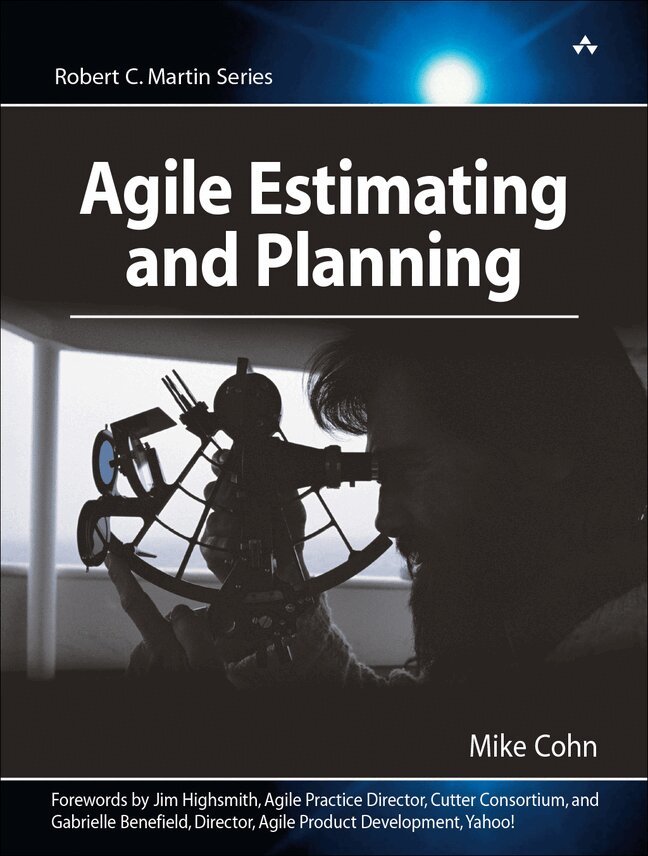
Detailed, Proven Techniques for Estimating and Planning Any Agile Project
Agile Estimating and Planning is the definitive, practical guide to estimating and planning agile projects. In this book, Agile Alliance cofounder Mike Cohn discusses the philosophy of agile estimating and planning and shows you exactly how to get the job done, with real-world examples and case studies.
Concepts are clearly illustrated and readers are guided, step by step, toward how to answer the following questions: What will we build? How big will it be? When must it be done? How much can I really complete by then? You will first learn what makes a good plan-and then what makes it agile.
Using the techniques in Agile Estimating and Planning, you can stay agile from start to finish, saving time, conserving resources, and accomplishing more. Highlights include:
Why conventional prescriptive planning fails and why agile planning works How to estimate feature size using story points and ideal days--and when to use each How and when to re-estimate How to prioritize features using both financial and nonfinancial approaches How to split large features into smaller, more manageable ones How to plan iterations and predict your team's initial rate of progress How to schedule projects that have unusually high uncertainty or schedule-related risk How to estimate projects that will be worked on by multiple teamsAgile Estimating and Planning supports any agile, semiagile, or iterative process, including Scrum, XP, Feature-Driven Development, Crystal, Adaptive Software Development, DSDM, Unified Process, and many more. It will be an indispensable resource for every development manager, team leader, and team member.
541 kr
Skickas inom 7-10 vardagar
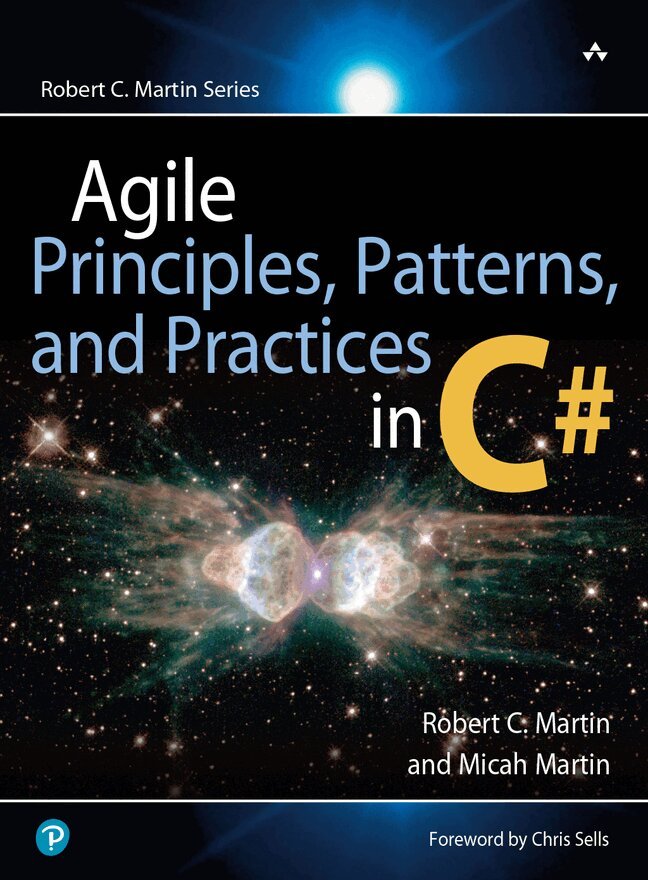
With the award-winning book Agile Software Development: Principles, Patterns, and Practices, Robert C. Martin helped bring Agile principles to tens of thousands of Java and C++ programmers. Now .NET programmers have a definitive guide to agile methods with this completely updated volume from Robert C. Martin and Micah Martin, Agile Principles, Patterns, and Practices in C#.
This book presents a series of case studies illustrating the fundamentals of Agile development and Agile design, and moves quickly from UML models to real C# code. The introductory chapters lay out the basics of the agile movement, while the later chapters show proven techniques in action. The book includes many source code examples that are also available for download from the authors’ Web site.
Readers will come away from this book understanding
Agile principles, and the fourteen practices of Extreme Programming Spiking, splitting, velocity, and planning iterations and releases Test-driven development, test-first design, and acceptance testing Refactoring with unit testing Pair programming Agile design and design smells The five types of UML diagrams and how to use them effectively Object-oriented package design and design patterns How to put all of it together for a real-world projectWhether you are a C# programmer or a Visual Basic or Java programmer learning C#, a software development manager, or a business analyst, Agile Principles, Patterns, and Practices in C# is the first book you should read to understand agile software and how it applies to programming in the .NET Framework.
646 kr
Skickas inom 3-6 vardagar
272 kr
Be a Better Developer and Deliver Better Code
Despite advanced tools and methodologies, software projects continue to fail. Why? Too many organizations still view software development as just another production line. Too many developers feel that way, too—and they behave accordingly.
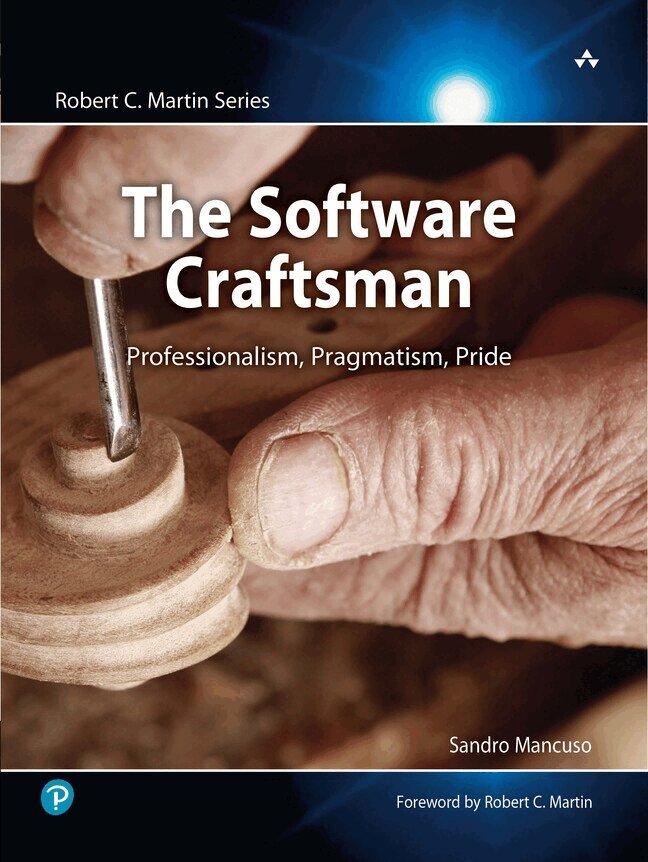
In The Software Craftsman: Professionalism, Pragmatism, Pride, Sandro Mancuso offers a better and more fulfilling path. If you want to develop software with pride and professionalism; love what you do and do it with excellence; and build a career with autonomy, mastery, and purpose, it starts with the recognition that you are a craftsman. Once you embrace this powerful mindset, you can achieve unprecedented levels of technical excellence and customer satisfaction.
Mancuso helped found the world’s largest organization of software craftsmen; now, he shares what he’s learned through inspiring examples and pragmatic advice you can use in your company, your projects, and your career.
You will learn
Why agile processes aren’t enough and why craftsmanship is crucial to making them work How craftsmanship helps you build software right and helps clients in ways that go beyond code How and when to say “No” and how to provide creative alternatives when you do Why bad code happens to good developers and how to stop creating and justifying it How to make working with legacy code less painful and more productive How to be pragmatic—not dogmatic—about your practices and tools How to lead software craftsmen and attract them to your organization What to avoid when advertising positions, interviewing candidates, and hiring developers How developers and their managers can create a true culture of learning How to drive true technical change and overcome deep patterns of skepticism
Sandro Mancuso has coded for startups, software houses, product companies, international consultancies, and investment banks. In October 2013, he cofounded Codurance, a consultancy based on Software Craftsmanship principles and values. His involvement with Software Craftsmanship began in 2010, when he founded the London Software Craftsmanship Community (LSCC), now the world’s largest and most active Software Craftsmanship community, with more than two thousand craftsmen. For the past four years, he has inspired and helped developers to organize Software Craftsmanship communities throughout Europe, the United States, and the rest of the world.
339 kr
Skickas inom 7-10 vardagar
348 kr
Skickas inom 7-10 vardagar
A Practical Guide to Better, Cleaner Code with Functional Programming
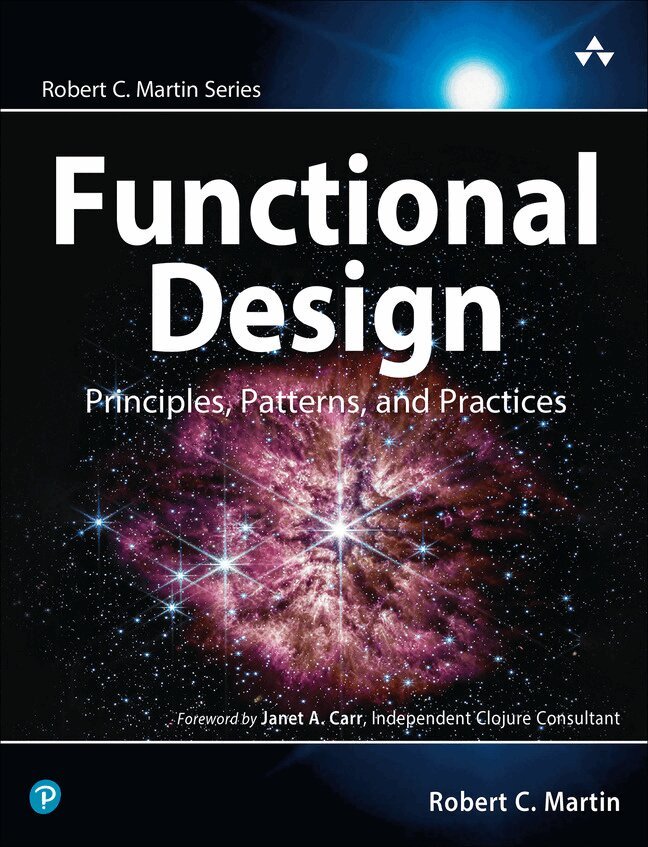
In Functional Design, renowned software engineer Robert C. Martin ("Uncle Bob") explains how and why to use functional programming to build better systems for real customers. Martin compares conventional object-oriented coding structures in Java to those enabled by functional languages, identifies the best roles for each, and shows how to build better systems by judiciously using them in context.
Martin's approach is pragmatic, minimizing theory in favor of "in the-trenches" problem-solving. Through accessible examples, working developers will discover how the easy-to-learn, semantically rich Clojure language can help them improve code cleanliness, design, discipline, and outcomes. Martin examines well-known SOLID principles and Gang of Four Design Patterns from a functional perspective, revealing why patterns remain extremely valuable to functional programmers, and how to use them to achieve superior results.
Understand functional basics: immutability, persistent data, recursion, iteration, laziness, and statefulness Contrast functional and object approaches through expertly crafted case studies Explore functional design techniques for data flow Use classic SOLID principles to write better Clojure code Master pragmatic approaches to functional testing, GUIs, and concurrency Make the most of design patterns in functional environments Walk through building an enterprise-class Clojure application"Functional Design exudes 'classic-on-arrival'. Bob pulls back the curtain to reveal how functional programming elements make software design simple yet pragmatic. He does so without alienating experienced object-oriented programmers coming from languages like C#, C++, or Java."--Janet A. Carr, Independent Clojure Consultant
Register your book for convenient access to downloads, updates, and/or corrections as they become available. See inside book for details.