Routledge-GRIPS Development Forum Studies – serie
Visar alla böcker i serien Routledge-GRIPS Development Forum Studies. Handla med fri frakt och snabb leverans.
14 produkter
14 produkter
Häftad, Engelska, 2019
687 kr
Skickas inom 10-15 vardagar
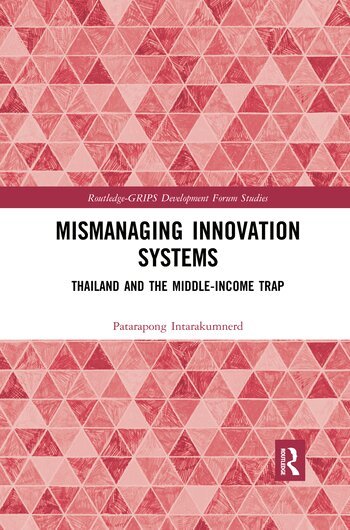
Once recognised as a high-performing newly industrialising Asian economy with the potential for economic and developmental success similar to South Korea, Taiwan, Hong Kong and Singapore, Thailand’s growth rate and competitive edge have declined substantially. With slower adoption and movement towards the knowledge-intensive industries, the loss of the competitive edge is a cause of growing concern among Thai policymakers, with Thailand succumbing to the middle-income trap. This book analyses Thailand’s declining competitiveness in the past 50 years, considering both the national and sectoral roles and capabilities of key players, including the government, universities and research institutes, as well as the electronics, food, and automotive industries. Including comparative analyses with other Asian nations, this book is a must-read for both students and practitioners with interests in development economics, industrial economics and public policy.
Häftad, Engelska, 2020
685 kr
Skickas inom 10-15 vardagar
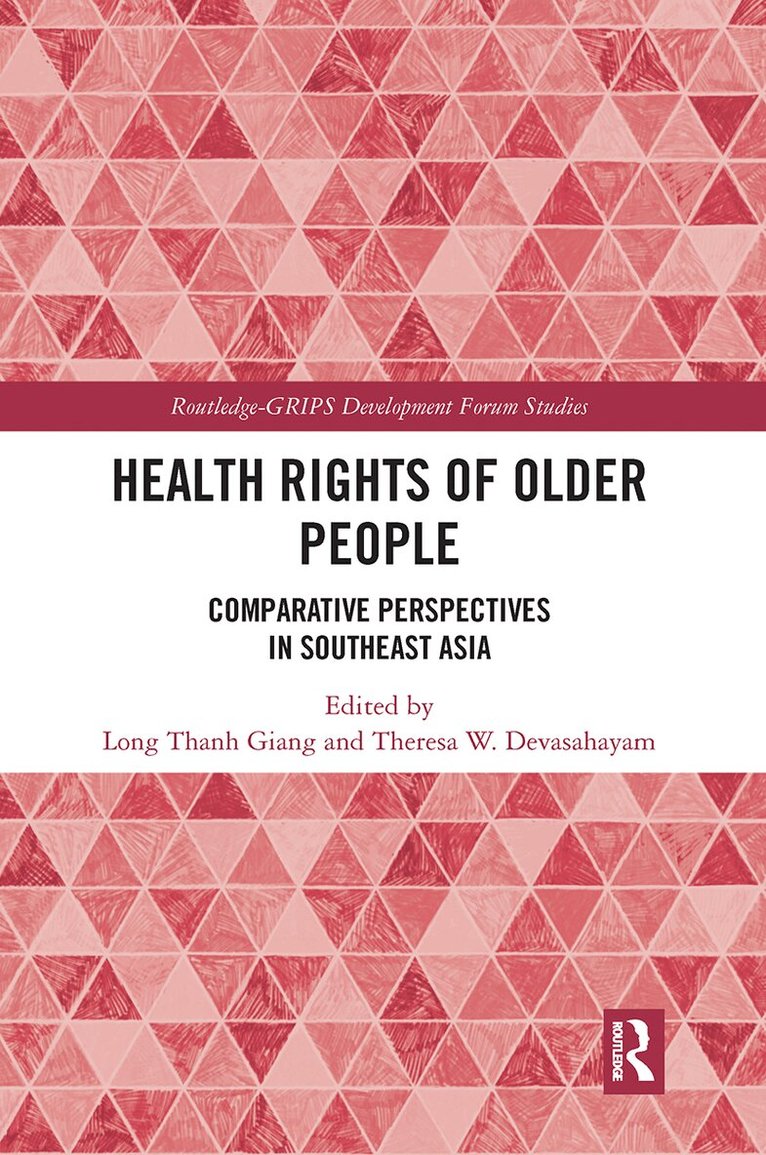
The book examines the health rights of older persons who are more likely potentially to face various disadvantages in terms of healthcare access and affordability, thereby impacting on health outcomes. The point of departure in the analyses is that the health security of older persons is guaranteed only if a country approaches the health of its citizens out of moral obligation, viewing health and well-being as a right rather than an entitlement. Data from five countries in the ASEAN region are analysed with the intent of highlighting the health inequalities and barriers at the societal and individual levels, on the one hand, as well as the gaps at the health and healthcare policy and programmatic levels within each country, on the other. It is also intended that the analyses of the data from the selected countries which represent different stages of development, and thus income levels, provide a useful comparative framework for policymakers in the ASEAN region.
Häftad, Engelska, 2022
656 kr
Skickas inom 10-15 vardagar
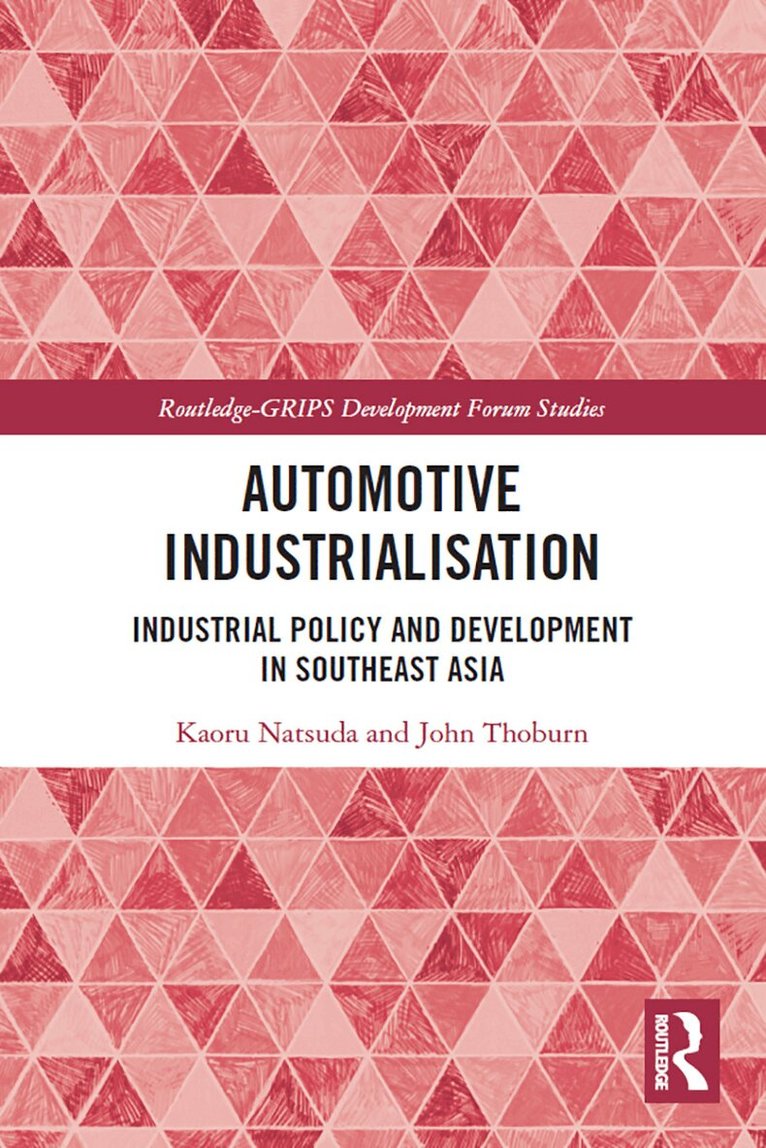
This book looks at the industrial policies of Southeast Asian economies in their motor vehicle industries from early import substitution to policy-making under the more liberalised WTO policy regime.The book examines how inward automotive investment, especially from Japan, has been affected by policies, and how such investment has promoted industrial development in the late-industrialising economies within ASEAN (Association of Southeast Asian Nations). It provides insights into the automotive industry of Southeast Asia in terms of production volumes, sales volumes, market structure, and trade. Through country case studies, the book is a useful reference and illustrates how industrial policies in Southeast Asia have affected the spread of automotive development in the region.It will appeal to policy-makers and researchers interested in the automobile industry, industrial policies in the industry and the spread of development from foreign investors to local firms.
Inbunden, Engelska, 2021
2 316 kr
Skickas inom 10-15 vardagar
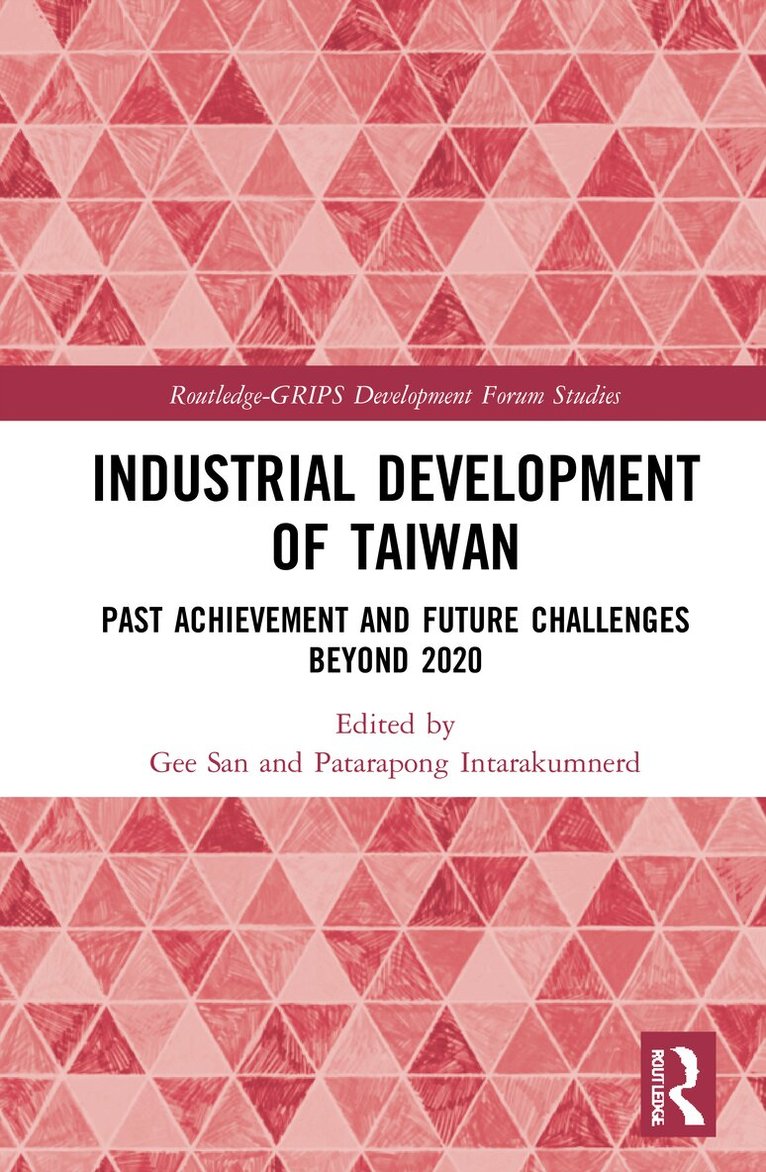
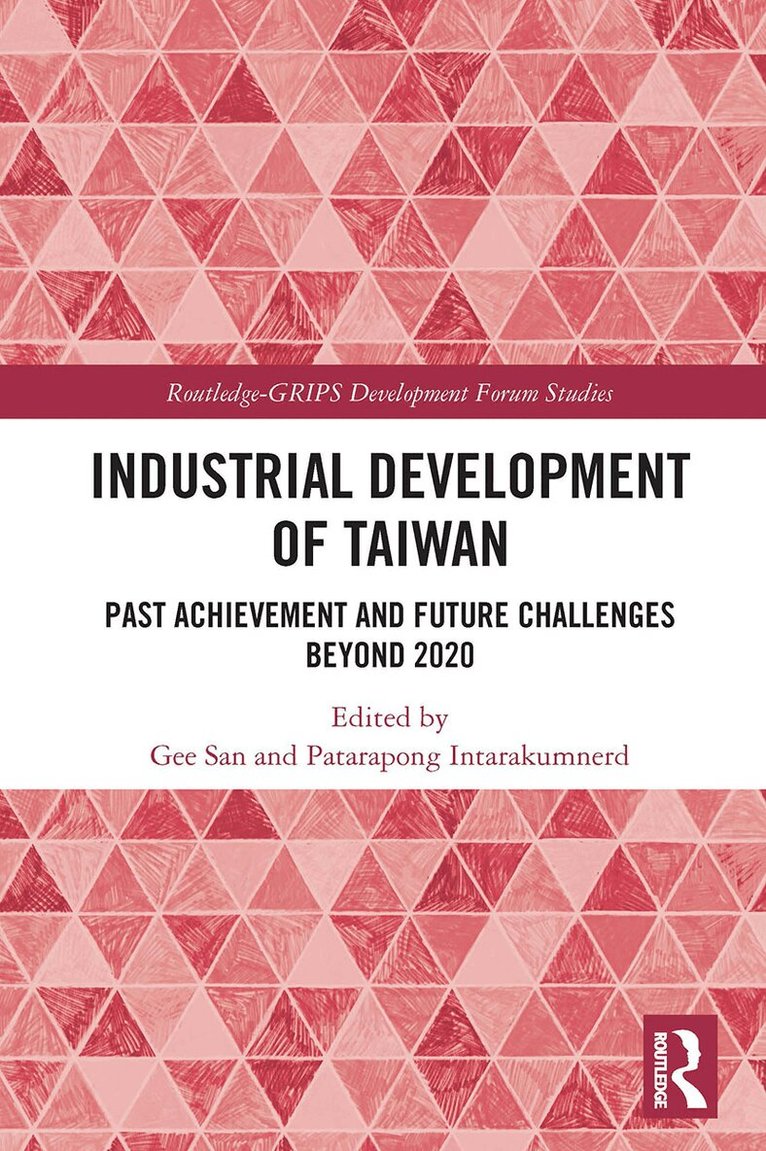
Before the arrival of the twenty-first century, Taiwan was widely regarded as a successful model of a country which had not only transformed herself from an underdeveloped economy into a high-tech industrialised island, but had also undergone a revolution from an authoritarian regime to a democratic one. Taiwan is now experiencing a significant economic slowdown and facing multifaceted challenges including low productivity, stagnant innovation culture of small and medium-sized enterprises, ageing population, sustainable energy mix, pension reform, upgrading of human resources, devising competition policy to provide incentives for innovation as well as to limit abuses from monopolies, warding off competition from countries with lower labour cost and managing complicated cross-Strait relationship with China. The edited book looks at Taiwan’s past successful development model, summarises Taiwan’s current situation, outlines the future challenges beyond the year 2020 and provides policy recommendations in the aforementioned aspects. The contributors of this volume are accomplished veteran scholars in the fields. Several of them used to be policy-makers at the level of ministers or deputy ministers. The book offers not only academic contribution but policy-relevant insights.
Häftad, Engelska, 2022
656 kr
Skickas inom 10-15 vardagar
Before the arrival of the twenty-first century, Taiwan was widely regarded as a successful model of a country which had not only transformed herself from an underdeveloped economy into a high-tech industrialised island, but had also undergone a revolution from an authoritarian regime to a democratic one. Taiwan is now experiencing a significant economic slowdown and facing multifaceted challenges including low productivity, stagnant innovation culture of small and medium-sized enterprises, ageing population, sustainable energy mix, pension reform, upgrading of human resources, devising competition policy to provide incentives for innovation as well as to limit abuses from monopolies, warding off competition from countries with lower labour cost and managing complicated cross-Strait relationship with China. The edited book looks at Taiwan’s past successful development model, summarises Taiwan’s current situation, outlines the future challenges beyond the year 2020 and provides policy recommendations in the aforementioned aspects. The contributors of this volume are accomplished veteran scholars in the fields. Several of them used to be policy-makers at the level of ministers or deputy ministers. The book offers not only academic contribution but policy-relevant insights.
Inbunden, Engelska, 2012
2 322 kr
Skickas inom 10-15 vardagar
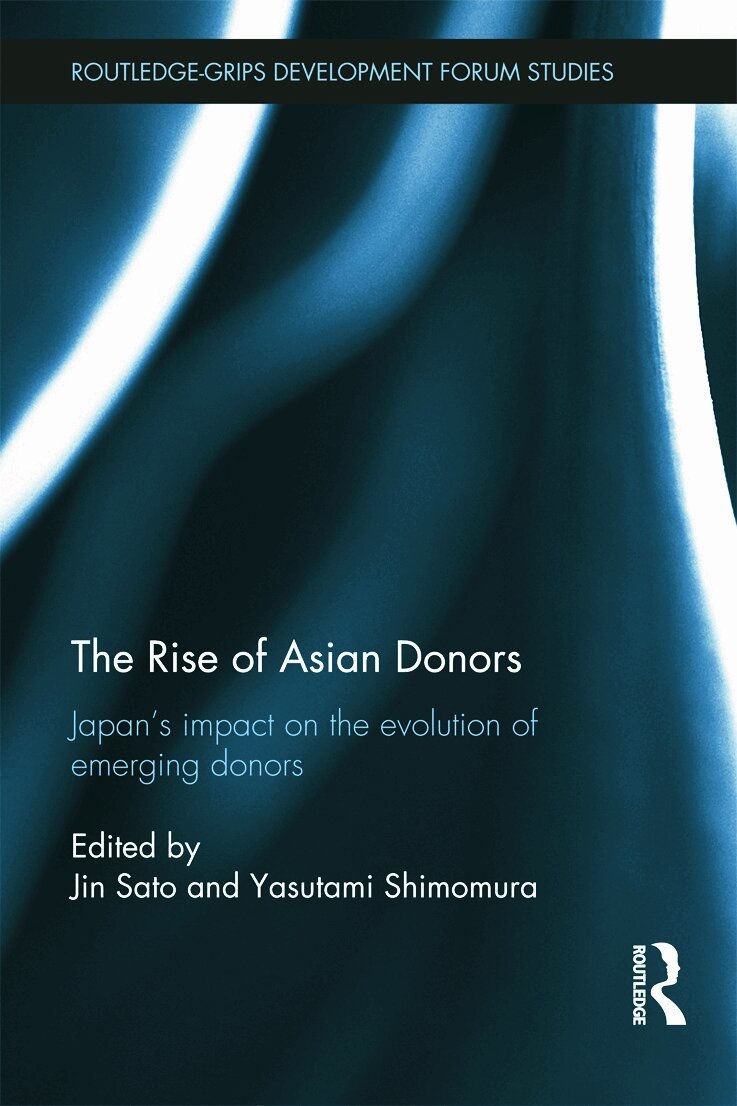
Why do poor countries give aid to others? This book critically examines how aspirations for providing aid have coexisted with experiences of receiving aid and have transformed the practice of giving aid, with particular reference to the experiences of Japan and China. It highlights the historical sources that explain the pattern and strength of foreign aid that these new donors provide.The book has systematically examined the situation unique to middle income countries that are receiving and giving aid simultaneously. It sheds light on the endogenous elements embedded in the socio-economic conditions of emerging donors, as well as their learning process as aid recipients. This book examines not only the perspectives of recipients, but also those of donors: Japan in the case of China, and the USA and the World Bank in the case of Japan. By bringing in the donor’s perspective, we come to a holistic understanding of foreign aid as a product of interaction between the various agents involved. The book provides not only an in-depth case study of Japan from a historical perspective, but also stretches its scope to cover contemporary debates on "emerging donors," including China, India and Korea who have received substantial amount of aid from Japan in the past. This book connects the often separated discussion of Japanese aid and the way it developed in relation to outside forces. In short, this book represents the first attempt to empirically examine the "life of a donor" with a clear focus on the origins, struggles, and futures of non-western donors and their impact on established aid regime.
Inbunden, Engelska, 2012
1 522 kr
Skickas inom 10-15 vardagar
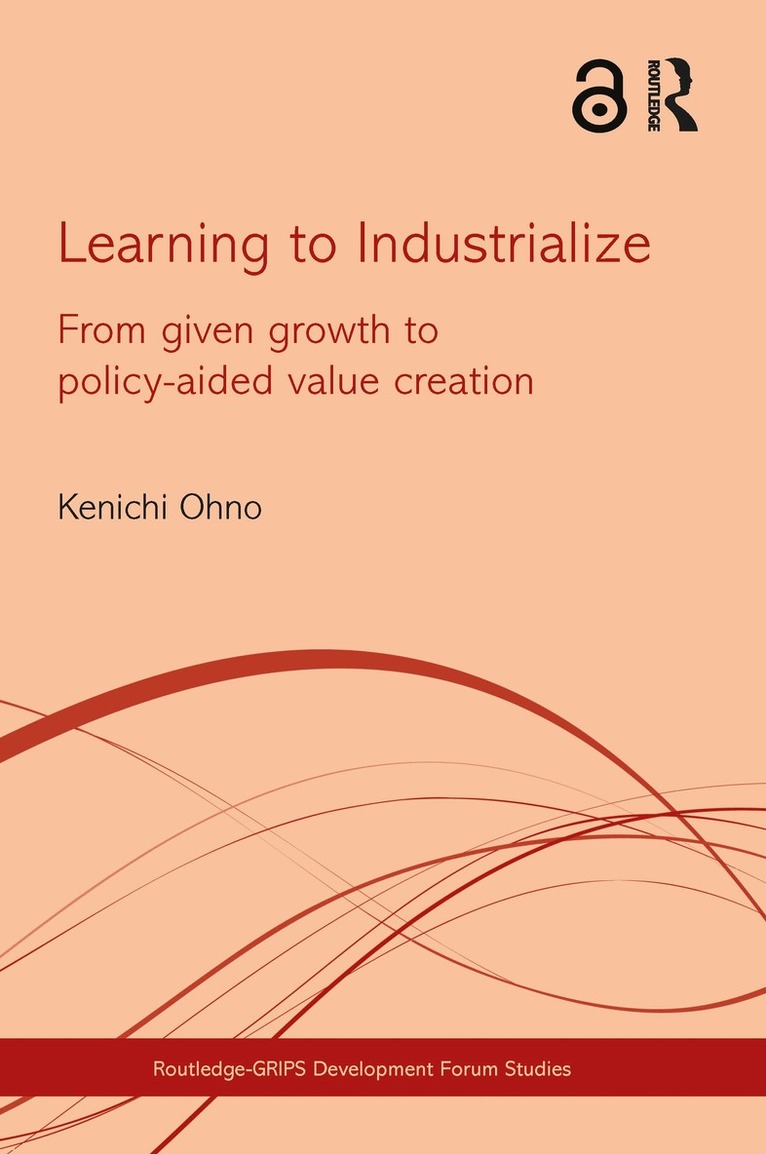
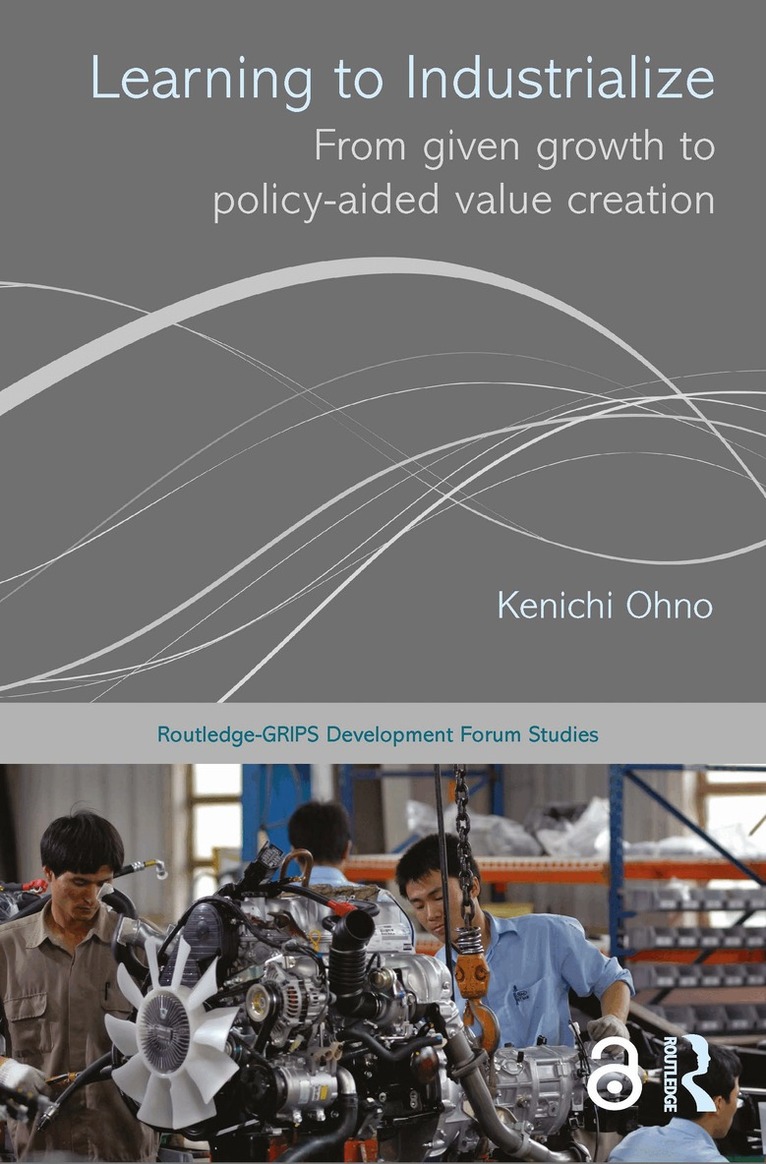
This book proposes a new, pragmatic way of approaching economic development which features policy learning based on a comparison of international best policy practices. While the important role of government in promoting private sector development is being recognized, policy discussion often remains general without details as to what exactly to do and how to avoid common pitfalls. This book fills the gap by showing concrete policy contents, procedures, and organizations adopted in high-performing East Asian economies.Natural resources and foreign aid and investment can take a country to a certain income level, but growth stalls when given advantages are exhausted. Economies will be caught in middle income traps if growth impetus is not internally generated. Meanwhile, countries that have soared to high income introduced mindset, policies, and institutions that encouraged, or even forced, accumulation of human capital – skills, technology, and knowledge. How this can be done systematically is the main topic of policy learning. However, government should not randomly adopt what Singapore or Taiwan did in the past. A continued march to prosperity is possible only when policy makers acquire capability to formulate policy suitable for local context after studying a number of international experiences.Developing countries wanting to adopt effective industrial strategies but not knowing where to start will benefit greatly by the ideas and hands-on examples presented by the author. Students of development economics will find a new methodological perspective which can supplement the ongoing industrial policy debate. The book also gives an excellent account of national pride and pragmatism exhibited by officials in East Asia who produced remarkable economic growth, as well as serious effort by an African country to emulate this miracle.The Open Access version of this book, available at http://www.taylorfrancis.com/doi/view/10.4324/9780203085530 has been made available under a Creative Commons Attribution-Non Commercial-No Derivatives 4.0 license.
Inbunden, Engelska, 2013
2 669 kr
Skickas inom 10-15 vardagar
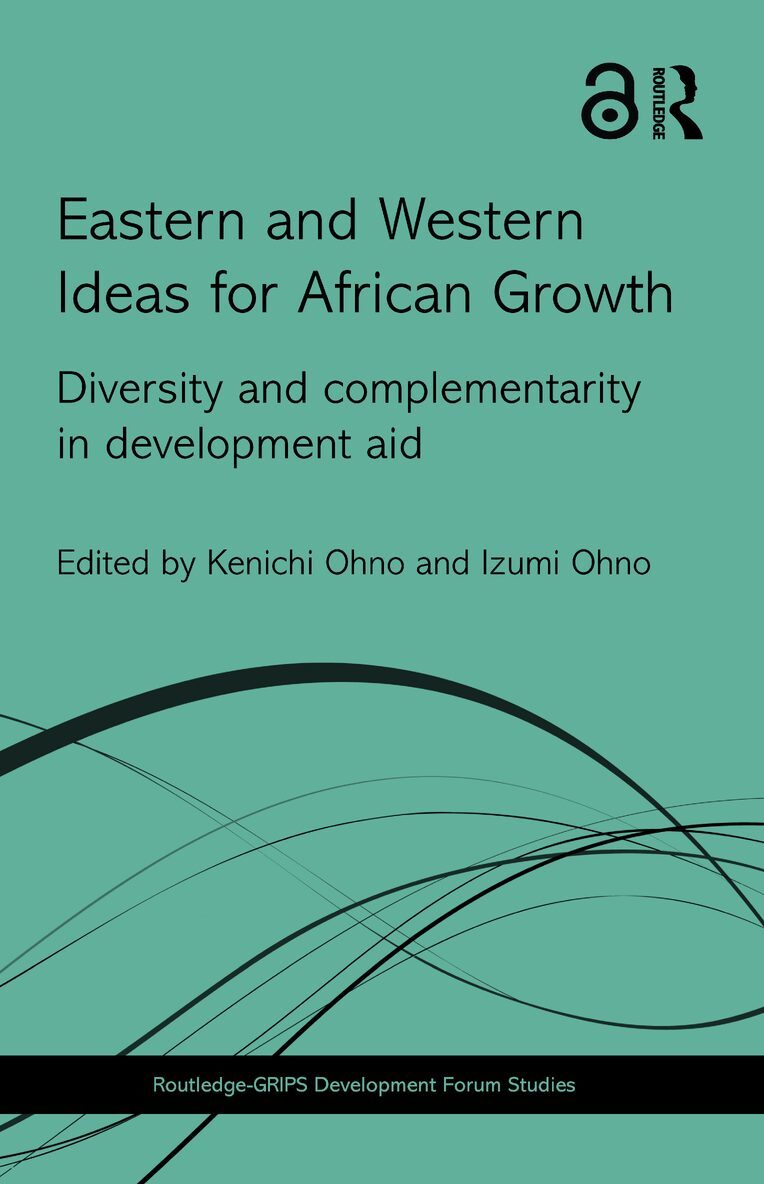
The West and the East approach economic development differently. The Europeans and Americans stress free and fair business climate, promoting private activities generally without picking winners, and improving governance. East Asia is interested in achieving concrete results and projects rather than formal correctness, prioritizing a few sectors for industrialization, and eventual graduation from aid. The West mostly shapes shifting strategies of the international donor community while the East has in reality made remarkable progress in industrial catch-up. The two approaches cannot be merged easily but they can be used in proper combination to realize growth and economic transformation.This book proposes more dialogue and complementarity between the two in the development effort of Africa and other regions. In this collected volume, contributed by experts and practitioners from both East and West, the need to introduce Eastern ideas to the global development strategy is emphasized. Analysis of British and other Western donor policies is given while Japanese, Korean, and other Asian approaches are also explained with concrete examples. The concept of governance for growth is presented and the impact of rising China on development studies is contemplated. The practices of industrial policy dialogues and actions assisted by East Asian experts are reported from Tunisia, Zambia, Ethiopia, Rwanda, and others.The book should be applicable to all donors, institutions, NGOs and business enterprises engaged in development cooperation.
Häftad, Engelska, 2014
834 kr
Skickas inom 10-15 vardagar
Why do poor countries give aid to others? This book critically examines how aspirations for providing aid have coexisted with experiences of receiving aid and have transformed the practice of giving aid, with particular reference to the experiences of Japan and China. It highlights the historical sources that explain the pattern and strength of foreign aid that these new donors provide.The book has systematically examined the situation unique to middle income countries that are receiving and giving aid simultaneously. It sheds light on the endogenous elements embedded in the socio-economic conditions of emerging donors, as well as their learning process as aid recipients. This book examines not only the perspectives of recipients, but also those of donors: Japan in the case of China, and the USA and the World Bank in the case of Japan. By bringing in the donor’s perspective, we come to a holistic understanding of foreign aid as a product of interaction between the various agents involved. The book provides not only an in-depth case study of Japan from a historical perspective, but also stretches its scope to cover contemporary debates on "emerging donors," including China, India and Korea who have received substantial amount of aid from Japan in the past. This book connects the often separated discussion of Japanese aid and the way it developed in relation to outside forces. In short, this book represents the first attempt to empirically examine the "life of a donor" with a clear focus on the origins, struggles, and futures of non-western donors and their impact on established aid regime.
Häftad, Engelska, 2014
469 kr
Skickas inom 10-15 vardagar
This book proposes a new, pragmatic way of approaching economic development which features policy learning based on a comparison of international best policy practices. While the important role of government in promoting private sector development is being recognized, policy discussion often remains general without details as to what exactly to do and how to avoid common pitfalls. This book fills the gap by showing concrete policy contents, procedures, and organizations adopted in high-performing East Asian economies.Natural resources and foreign aid and investment can take a country to a certain income level, but growth stalls when given advantages are exhausted. Economies will be caught in middle income traps if growth impetus is not internally generated. Meanwhile, countries that have soared to high income introduced mindset, policies, and institutions that encouraged, or even forced, accumulation of human capital – skills, technology, and knowledge. How this can be done systematically is the main topic of policy learning. However, government should not randomly adopt what Singapore or Taiwan did in the past. A continued march to prosperity is possible only when policy makers acquire capability to formulate policy suitable for local context after studying a number of international experiences.Developing countries wanting to adopt effective industrial strategies but not knowing where to start will benefit greatly by the ideas and hands-on examples presented by the author. Students of development economics will find a new methodological perspective which can supplement the ongoing industrial policy debate. The book also gives an excellent account of national pride and pragmatism exhibited by officials in East Asia who produced remarkable economic growth, as well as serious effort by an African country to emulate this miracle.The Open Access version of this book, available at http://www.taylorfrancis.com/doi/view/10.4324/9780203085530 has been made available under a Creative Commons Attribution-Non Commercial-No Derivatives 4.0 license.
Inbunden, Engelska, 2017
2 244 kr
Skickas inom 10-15 vardagar
Once recognised as a high-performing newly industrialising Asian economy with the potential for economic and developmental success similar to South Korea, Taiwan, Hong Kong and Singapore, Thailand’s growth rate and competitive edge have declined substantially. With slower adoption and movement towards the knowledge-intensive industries, the loss of the competitive edge is a cause of growing concern among Thai policymakers, with Thailand succumbing to the middle-income trap. This book analyses Thailand’s declining competitiveness in the past 50 years, considering both the national and sectoral roles and capabilities of key players, including the government, universities and research institutes, as well as the electronics, food, and automotive industries. Including comparative analyses with other Asian nations, this book is a must-read for both students and practitioners with interests in development economics, industrial economics and public policy.
Inbunden, Engelska, 2020
2 244 kr
Skickas inom 10-15 vardagar
This book looks at the industrial policies of Southeast Asian economies in their motor vehicle industries from early import substitution to policy-making under the more liberalised WTO policy regime.The book examines how inward automotive investment, especially from Japan, has been affected by policies, and how such investment has promoted industrial development in the late-industrialising economies within ASEAN (Association of Southeast Asian Nations). It provides insights into the automotive industry of Southeast Asia in terms of production volumes, sales volumes, market structure, and trade. Through country case studies, the book is a useful reference and illustrates how industrial policies in Southeast Asia have affected the spread of automotive development in the region.It will appeal to policy-makers and researchers interested in the automobile industry, industrial policies in the industry and the spread of development from foreign investors to local firms.
Inbunden, Engelska, 2018
2 244 kr
Skickas inom 10-15 vardagar
The book examines the health rights of older persons who are more likely potentially to face various disadvantages in terms of healthcare access and affordability, thereby impacting on health outcomes. The point of departure in the analyses is that the health security of older persons is guaranteed only if a country approaches the health of its citizens out of moral obligation, viewing health and well-being as a right rather than an entitlement. Data from five countries in the ASEAN region are analysed with the intent of highlighting the health inequalities and barriers at the societal and individual levels, on the one hand, as well as the gaps at the health and healthcare policy and programmatic levels within each country, on the other. It is also intended that the analyses of the data from the selected countries which represent different stages of development, and thus income levels, provide a useful comparative framework for policymakers in the ASEAN region.
Häftad, Engelska, 2015
693 kr
Skickas inom 10-15 vardagar
The West and the East approach economic development differently. The Europeans and Americans stress free and fair business climate, promoting private activities generally without picking winners, and improving governance. East Asia is interested in achieving concrete results and projects rather than formal correctness, prioritizing a few sectors for industrialization, and eventual graduation from aid. The West mostly shapes shifting strategies of the international donor community while the East has in reality made remarkable progress in industrial catch-up. The two approaches cannot be merged easily but they can be used in proper combination to realize growth and economic transformation.This book proposes more dialogue and complementarity between the two in the development effort of Africa and other regions. In this collected volume, contributed by experts and practitioners from both East and West, the need to introduce Eastern ideas to the global development strategy is emphasized. Analysis of British and other Western donor policies is given while Japanese, Korean, and other Asian approaches are also explained with concrete examples. The concept of governance for growth is presented and the impact of rising China on development studies is contemplated. The practices of industrial policy dialogues and actions assisted by East Asian experts are reported from Tunisia, Zambia, Ethiopia, Rwanda, and others.The book should be applicable to all donors, institutions, NGOs and business enterprises engaged in development cooperation.