Kenichi Ohno - Böcker
Visar alla böcker från författaren Kenichi Ohno. Handla med fri frakt och snabb leverans.
10 produkter
10 produkter
1 871 kr
Skickas inom 3-6 vardagar
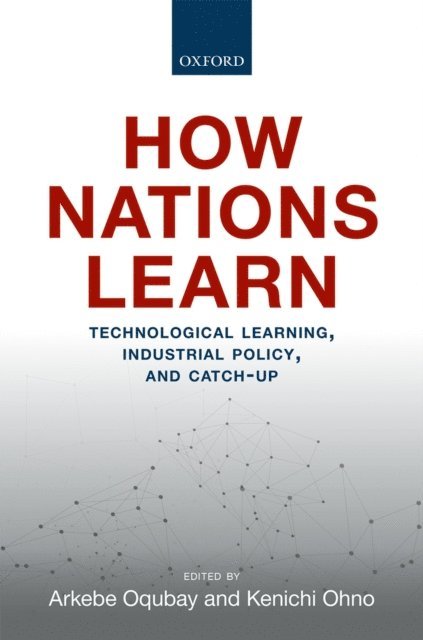
This is an open access title available under the terms of a CC BY-NC-ND 4.0 International licence. It is free to read at Oxford Scholarship Online and offered as a free PDF download from OUP and selected open access locations.What are the prospects for successful learning and catch-up for nations in the twenty-first century? Why have some nations succeeded while others failed? The World Bank states that out of over one hundred middle-income economies in 1960, only thirteen became high income by 2008. How Nations Learn: Technological Learning, Industrial Policy, and Catch-up examines how nations learn by reviewing key structural and contingent factors that contribute to dynamic learning and catch-up. Rejecting both the 'one-size-fits-all' approach and the agnosticism that all nations are unique and different, it uses historical as well as firm-, industry-, and country-level evidence and experiences to identify the sources and drivers of successful learning and catch-up and the lessons for late-latecomer countries. Authored by eminent scholars, the volume aims to generate interest and debate among policy makers, practitioners, and researchers on the complexity of learning and catch-up. It explores technological learning at the firm level, policy learning by the state, and the cumulative and multifaceted nature of the learning process, which encompasses learning by doing, by experiment, emulation, innovation, and leapfrogging.
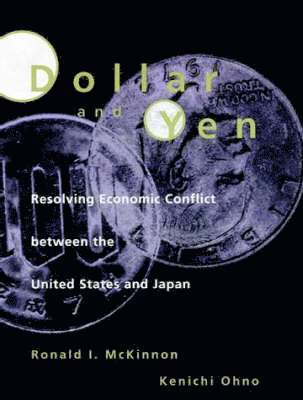
Dollar and Yen
Resolving Economic Conflict between the United States and Japan
Inbunden, Engelska, 1997
121 kr
Tillfälligt slut
2 634 kr
Skickas inom 10-15 vardagar
This newly revised clearly-presented text looks at Japan's economic history from the nineteenth century through to World War II. Within a framework based on the theories and approaches of Development Studies, it demonstrates the relevance of Japan's pre-war experience to the problems facing developing countries today, and draws out the historical roots of the institutions and practices on which Japan's post-war economic miracle was based. New features include: · fresh theoretical perspectives · additional material derived from new sources · increased number of case studies · fully up-dated references and bibliography. This broad-ranging textbook is both topical and easy-to-use and will be of immense use to those seeking an understanding of Japanese economic development.
1 473 kr
Skickas inom 10-15 vardagar
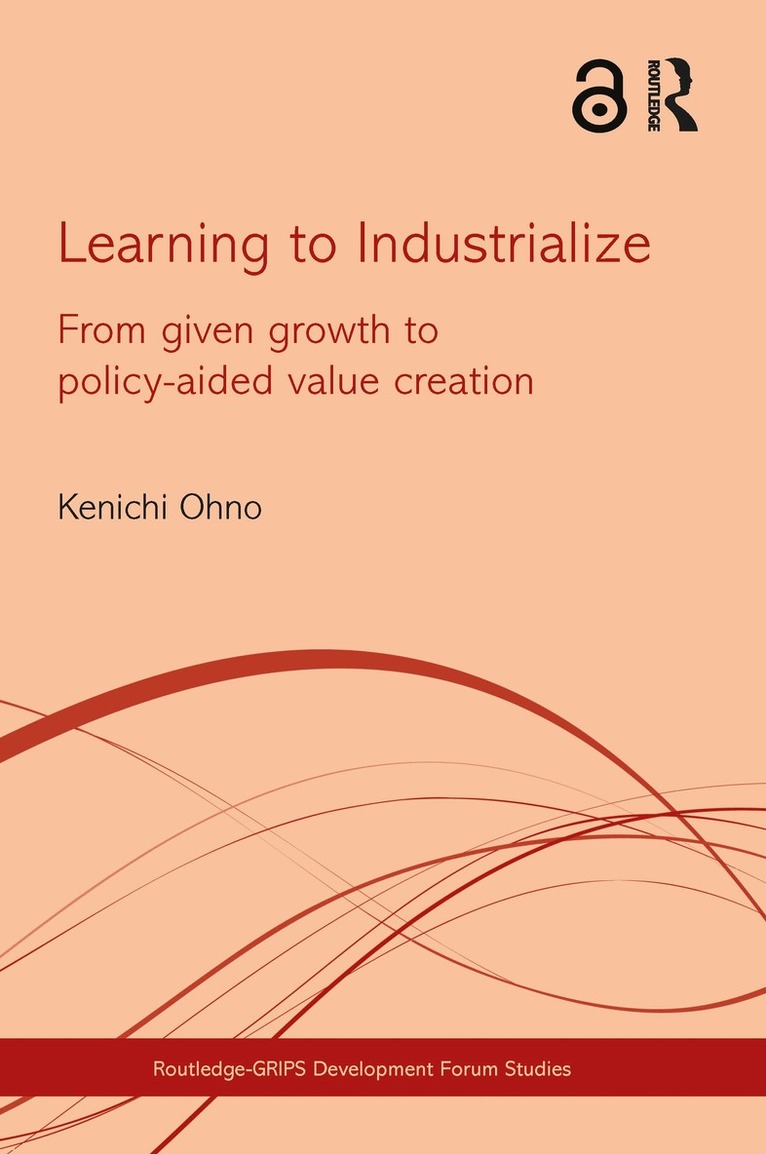
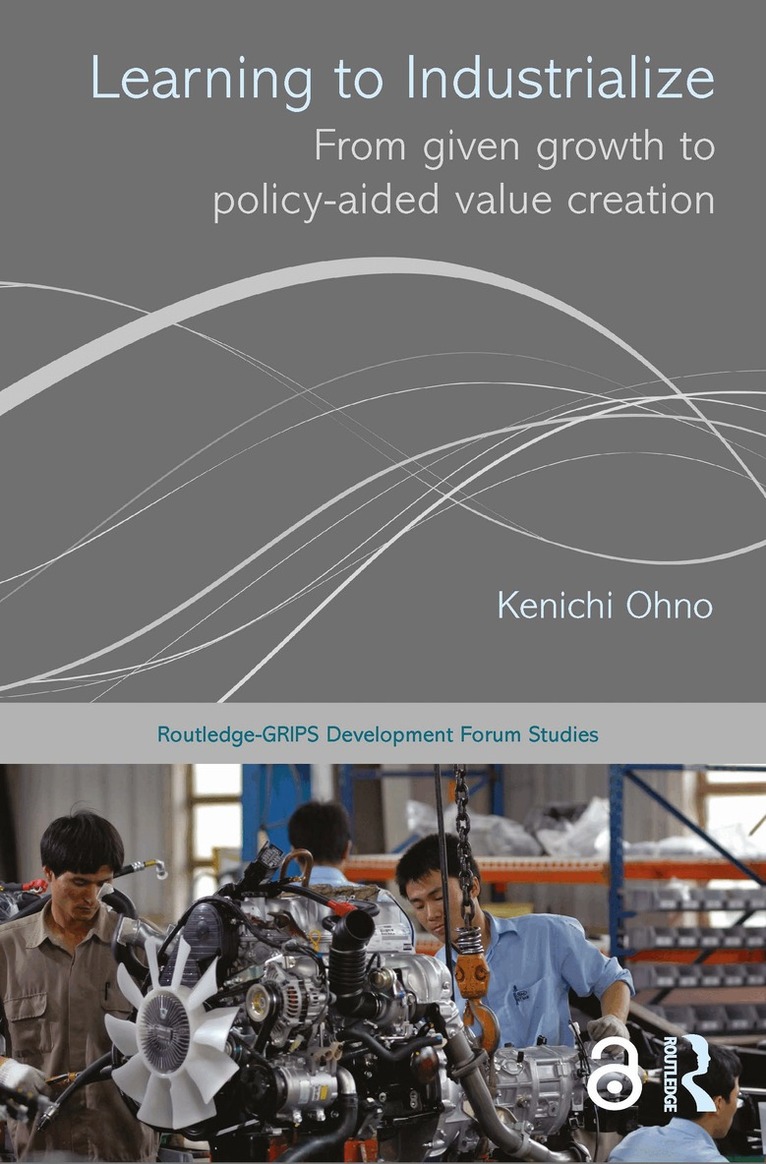
This book proposes a new, pragmatic way of approaching economic development which features policy learning based on a comparison of international best policy practices. While the important role of government in promoting private sector development is being recognized, policy discussion often remains general without details as to what exactly to do and how to avoid common pitfalls. This book fills the gap by showing concrete policy contents, procedures, and organizations adopted in high-performing East Asian economies.Natural resources and foreign aid and investment can take a country to a certain income level, but growth stalls when given advantages are exhausted. Economies will be caught in middle income traps if growth impetus is not internally generated. Meanwhile, countries that have soared to high income introduced mindset, policies, and institutions that encouraged, or even forced, accumulation of human capital – skills, technology, and knowledge. How this can be done systematically is the main topic of policy learning. However, government should not randomly adopt what Singapore or Taiwan did in the past. A continued march to prosperity is possible only when policy makers acquire capability to formulate policy suitable for local context after studying a number of international experiences.Developing countries wanting to adopt effective industrial strategies but not knowing where to start will benefit greatly by the ideas and hands-on examples presented by the author. Students of development economics will find a new methodological perspective which can supplement the ongoing industrial policy debate. The book also gives an excellent account of national pride and pragmatism exhibited by officials in East Asia who produced remarkable economic growth, as well as serious effort by an African country to emulate this miracle.The Open Access version of this book, available at http://www.taylorfrancis.com/doi/view/10.4324/9780203085530 has been made available under a Creative Commons Attribution-Non Commercial-No Derivatives 4.0 license.
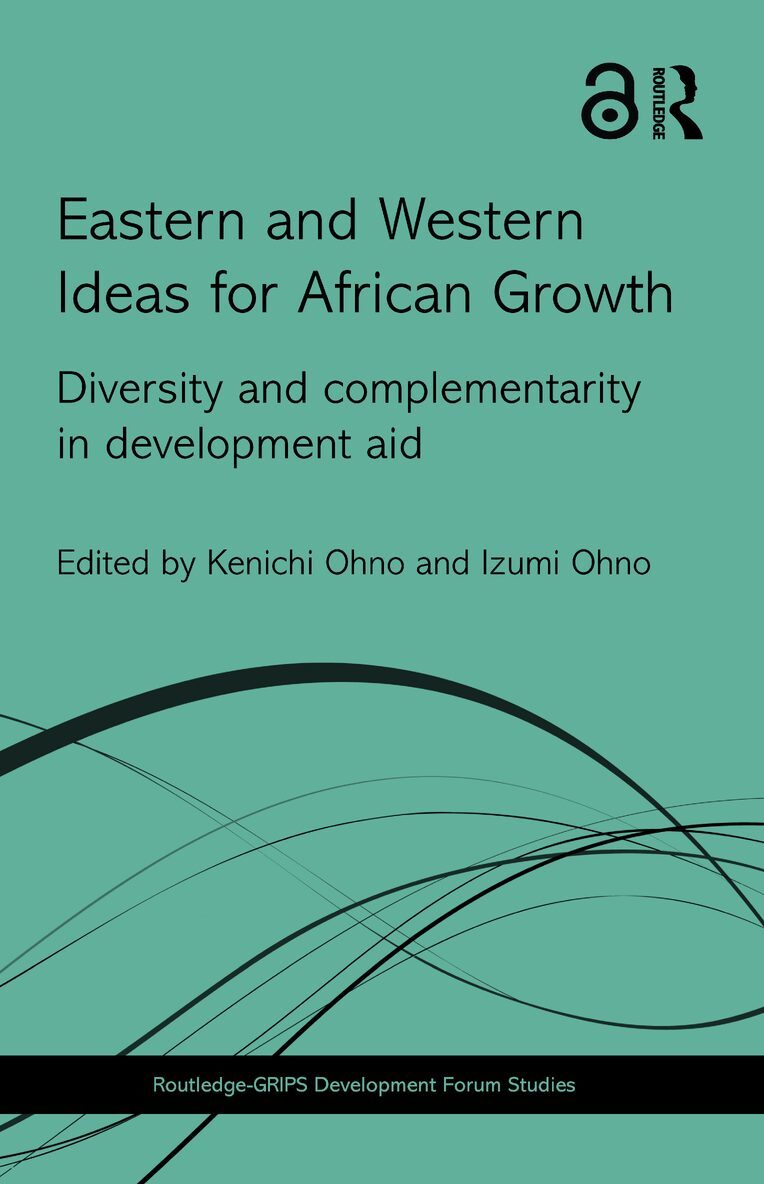
Eastern and Western Ideas for African Growth
Diversity and Complementarity in Development Aid
Inbunden, Engelska, 2013
2 557 kr
Skickas inom 10-15 vardagar
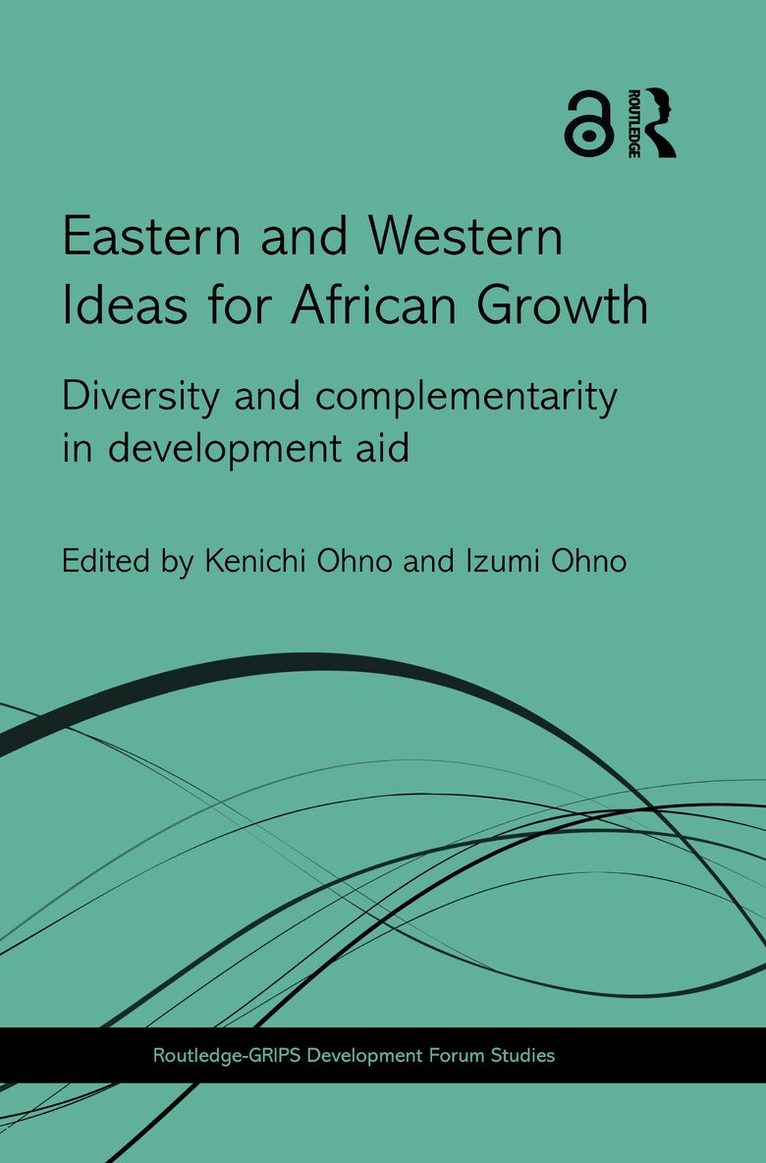
The West and the East approach economic development differently. The Europeans and Americans stress free and fair business climate, promoting private activities generally without picking winners, and improving governance. East Asia is interested in achieving concrete results and projects rather than formal correctness, prioritizing a few sectors for industrialization, and eventual graduation from aid. The West mostly shapes shifting strategies of the international donor community while the East has in reality made remarkable progress in industrial catch-up. The two approaches cannot be merged easily but they can be used in proper combination to realize growth and economic transformation.This book proposes more dialogue and complementarity between the two in the development effort of Africa and other regions. In this collected volume, contributed by experts and practitioners from both East and West, the need to introduce Eastern ideas to the global development strategy is emphasized. Analysis of British and other Western donor policies is given while Japanese, Korean, and other Asian approaches are also explained with concrete examples. The concept of governance for growth is presented and the impact of rising China on development studies is contemplated. The practices of industrial policy dialogues and actions assisted by East Asian experts are reported from Tunisia, Zambia, Ethiopia, Rwanda, and others.The book should be applicable to all donors, institutions, NGOs and business enterprises engaged in development cooperation.
454 kr
Skickas inom 10-15 vardagar
This book proposes a new, pragmatic way of approaching economic development which features policy learning based on a comparison of international best policy practices. While the important role of government in promoting private sector development is being recognized, policy discussion often remains general without details as to what exactly to do and how to avoid common pitfalls. This book fills the gap by showing concrete policy contents, procedures, and organizations adopted in high-performing East Asian economies.Natural resources and foreign aid and investment can take a country to a certain income level, but growth stalls when given advantages are exhausted. Economies will be caught in middle income traps if growth impetus is not internally generated. Meanwhile, countries that have soared to high income introduced mindset, policies, and institutions that encouraged, or even forced, accumulation of human capital – skills, technology, and knowledge. How this can be done systematically is the main topic of policy learning. However, government should not randomly adopt what Singapore or Taiwan did in the past. A continued march to prosperity is possible only when policy makers acquire capability to formulate policy suitable for local context after studying a number of international experiences.Developing countries wanting to adopt effective industrial strategies but not knowing where to start will benefit greatly by the ideas and hands-on examples presented by the author. Students of development economics will find a new methodological perspective which can supplement the ongoing industrial policy debate. The book also gives an excellent account of national pride and pragmatism exhibited by officials in East Asia who produced remarkable economic growth, as well as serious effort by an African country to emulate this miracle.The Open Access version of this book, available at http://www.taylorfrancis.com/doi/view/10.4324/9780203085530 has been made available under a Creative Commons Attribution-Non Commercial-No Derivatives 4.0 license.
History of Japanese Economic Development
Origins of Private Dynamism and Policy Competence
Inbunden, Engelska, 2017
2 703 kr
Skickas inom 10-15 vardagar
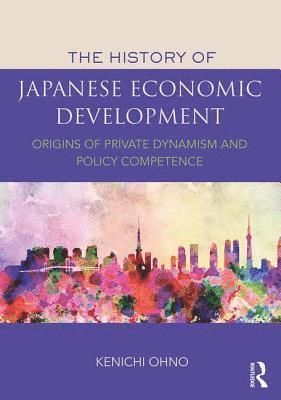
This is an easy-to-read book that explains how and why Japan industrialized rapidly. It traces historical development from the feudal Edo period to high income and technology in the current period. Catch-up industrialization is analyzed from a broad perspective including social, economic and political aspects. Historical data, research and contesting arguments are amply supplied. Japan’s unique experience is contrasted with the practices of today’s developing countries. Negative aspects such as social ills, policy failures, military movements and war years are also covered.Nineteenth-century Japan already had a happy combination of strong entrepreneurship and relatively wise government, which was the result of Japan’s long evolutionary history. Measured contacts with high civilizations of China, India and the West allowed cumulative growth without being destroyed by them. Imported ideas and technology were absorbed with adjustments to fit the local context.The book grew out of a graduate course for government officials from developing countries. It offers a comprehensive look and new insights at Japan’s industrial path that are often missing in standard historical chronicles. Written in an accessible and lively form, the book engages scholars as well as novices with no prior knowledge of Japan.
History of Japanese Economic Development
Origins of Private Dynamism and Policy Competence
Häftad, Engelska, 2017
858 kr
Skickas inom 10-15 vardagar
This is an easy-to-read book that explains how and why Japan industrialized rapidly. It traces historical development from the feudal Edo period to high income and technology in the current period. Catch-up industrialization is analyzed from a broad perspective including social, economic and political aspects. Historical data, research and contesting arguments are amply supplied. Japan’s unique experience is contrasted with the practices of today’s developing countries. Negative aspects such as social ills, policy failures, military movements and war years are also covered.Nineteenth-century Japan already had a happy combination of strong entrepreneurship and relatively wise government, which was the result of Japan’s long evolutionary history. Measured contacts with high civilizations of China, India and the West allowed cumulative growth without being destroyed by them. Imported ideas and technology were absorbed with adjustments to fit the local context.The book grew out of a graduate course for government officials from developing countries. It offers a comprehensive look and new insights at Japan’s industrial path that are often missing in standard historical chronicles. Written in an accessible and lively form, the book engages scholars as well as novices with no prior knowledge of Japan.
775 kr
Skickas inom 10-15 vardagar
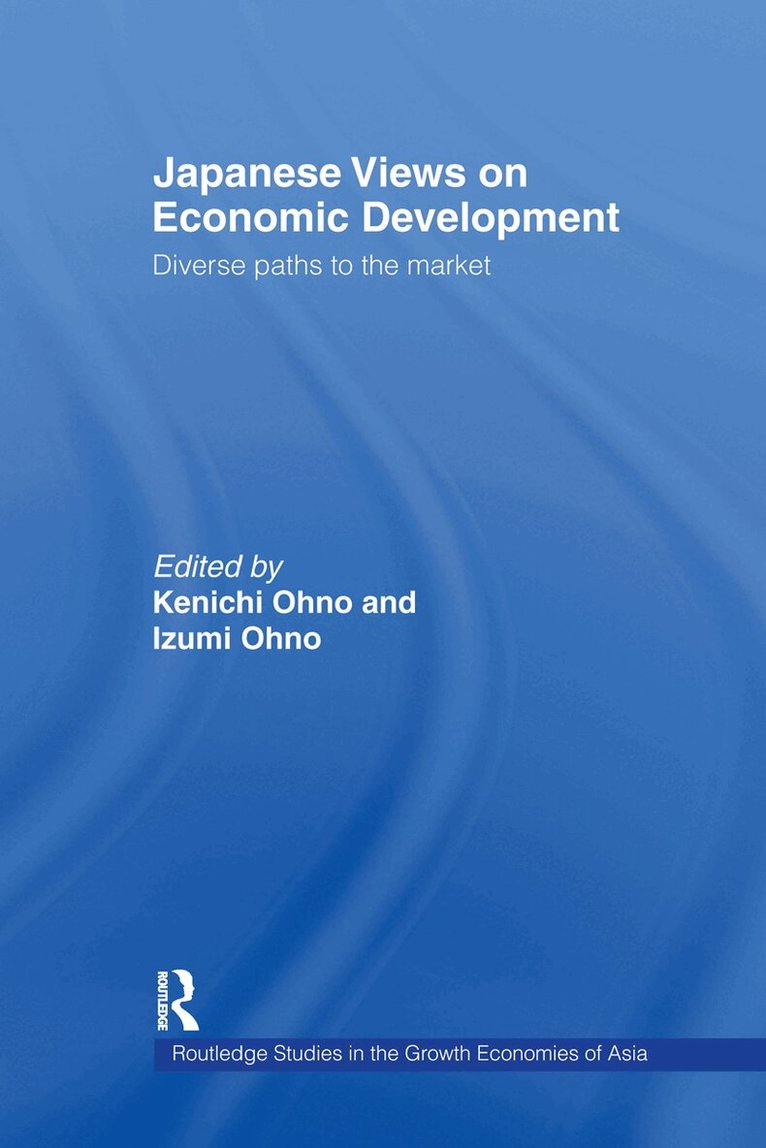
This newly revised clearly-presented text looks at Japan's economic history from the nineteenth century through to World War II. Within a framework based on the theories and approaches of Development Studies, it demonstrates the relevance of Japan's pre-war experience to the problems facing developing countries today, and draws out the historical roots of the institutions and practices on which Japan's post-war economic miracle was based. New features include: · fresh theoretical perspectives · additional material derived from new sources · increased number of case studies · fully up-dated references and bibliography. This broad-ranging textbook is both topical and easy-to-use and will be of immense use to those seeking an understanding of Japanese economic development.
Eastern and Western Ideas for African Growth
Diversity and Complementarity in Development Aid
Häftad, Engelska, 2015
671 kr
Skickas inom 10-15 vardagar
The West and the East approach economic development differently. The Europeans and Americans stress free and fair business climate, promoting private activities generally without picking winners, and improving governance. East Asia is interested in achieving concrete results and projects rather than formal correctness, prioritizing a few sectors for industrialization, and eventual graduation from aid. The West mostly shapes shifting strategies of the international donor community while the East has in reality made remarkable progress in industrial catch-up. The two approaches cannot be merged easily but they can be used in proper combination to realize growth and economic transformation.This book proposes more dialogue and complementarity between the two in the development effort of Africa and other regions. In this collected volume, contributed by experts and practitioners from both East and West, the need to introduce Eastern ideas to the global development strategy is emphasized. Analysis of British and other Western donor policies is given while Japanese, Korean, and other Asian approaches are also explained with concrete examples. The concept of governance for growth is presented and the impact of rising China on development studies is contemplated. The practices of industrial policy dialogues and actions assisted by East Asian experts are reported from Tunisia, Zambia, Ethiopia, Rwanda, and others.The book should be applicable to all donors, institutions, NGOs and business enterprises engaged in development cooperation.