Routledge Handbooks of Gender and Sexuality – serie
Visar alla böcker i serien Routledge Handbooks of Gender and Sexuality. Handla med fri frakt och snabb leverans.
5 produkter
5 produkter
686 kr
Skickas inom 10-15 vardagar
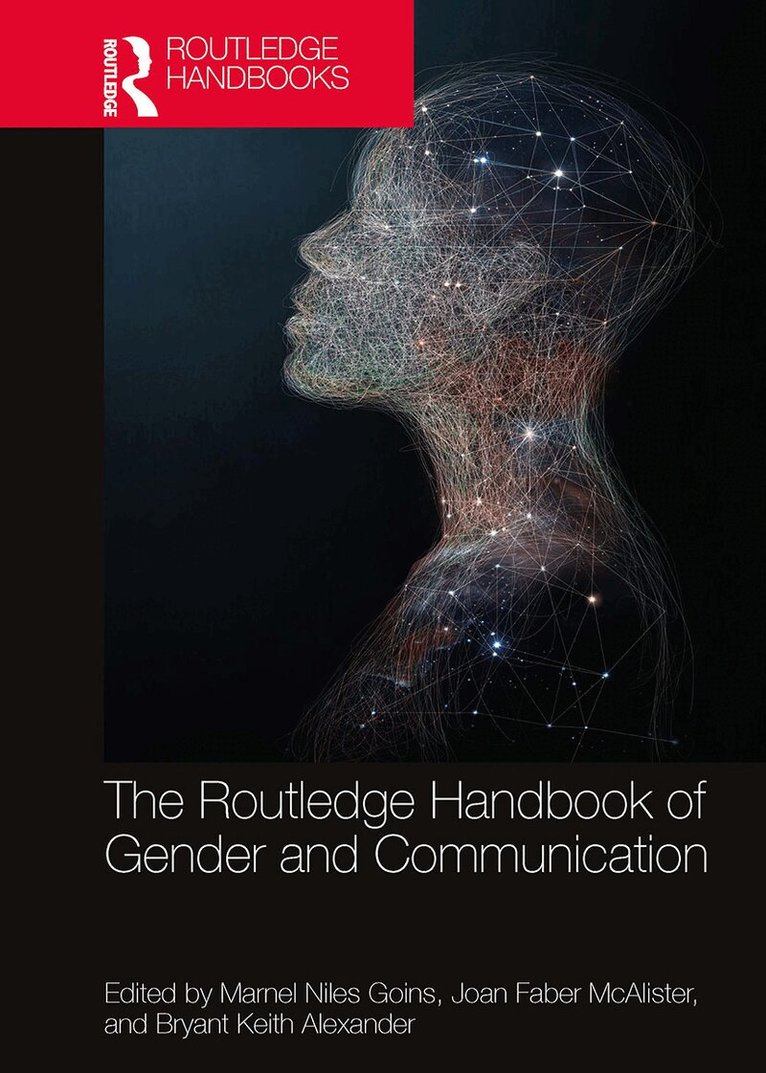
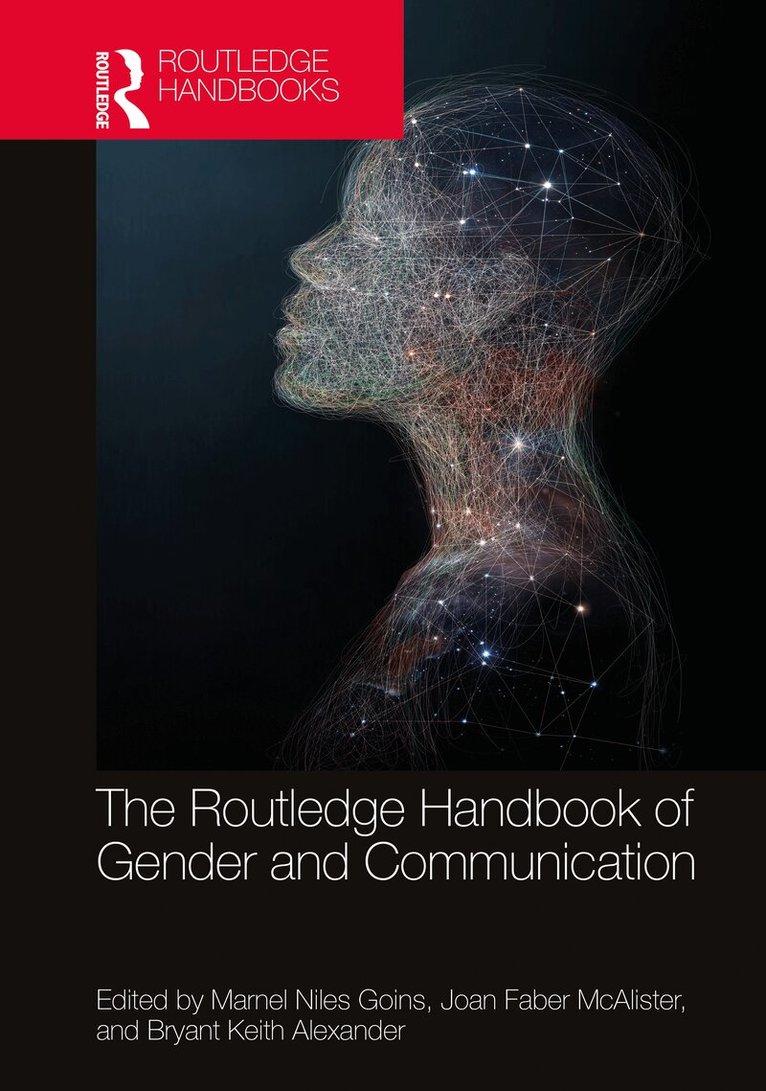
This volume provides an extensive overview of current research on the complex relationships between gender and communication. Featuring a broad variety of chapters written by leading and upcoming scholars, this edited collection uses diverse theoretical frameworks to provide insight into recent concerns regarding changing gender roles, representations, and resources in communication studies. Established research and new perspectives address vital themes in this comprehensive text, including the shifting politics of gender, ethical and technological trends in gendered media, and gender in daily life. Comprising 39 chapters by a team of international contributors, the Handbook is divided into six thematic sections:• Gendered lives and identities • Visualizing gender• The politics of gender• Gendered contexts and strategies• Gendered violence and communication• Gender advocacy in actionThese sections examine central issues, debates, and problems, including the ethics and politics of gender as identity, impacts of media and technology, legal and legislative battlegrounds for gender inequality and LGBTQ+ human rights, changing institutional contexts, and recent research on gender violence and communication. The final section links academic research on gender and communication to activism and advocacy beyond the academy.The Routledge Handbook of Gender and Communication will be an invaluable reference work for students and researchers working at the intersections of gender studies and communication studies. Its international perspectives and the range of themes it covers make it an essential and pragmatic pedagogical resource.
618 kr
Skickas inom 10-15 vardagar
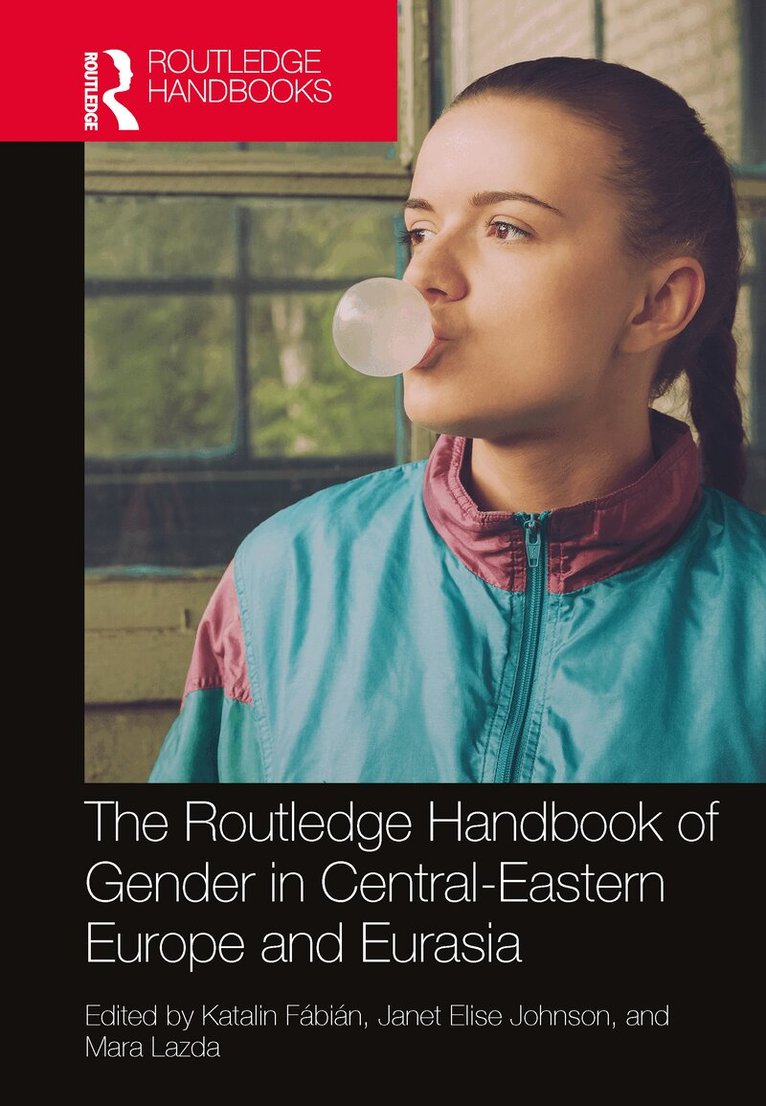
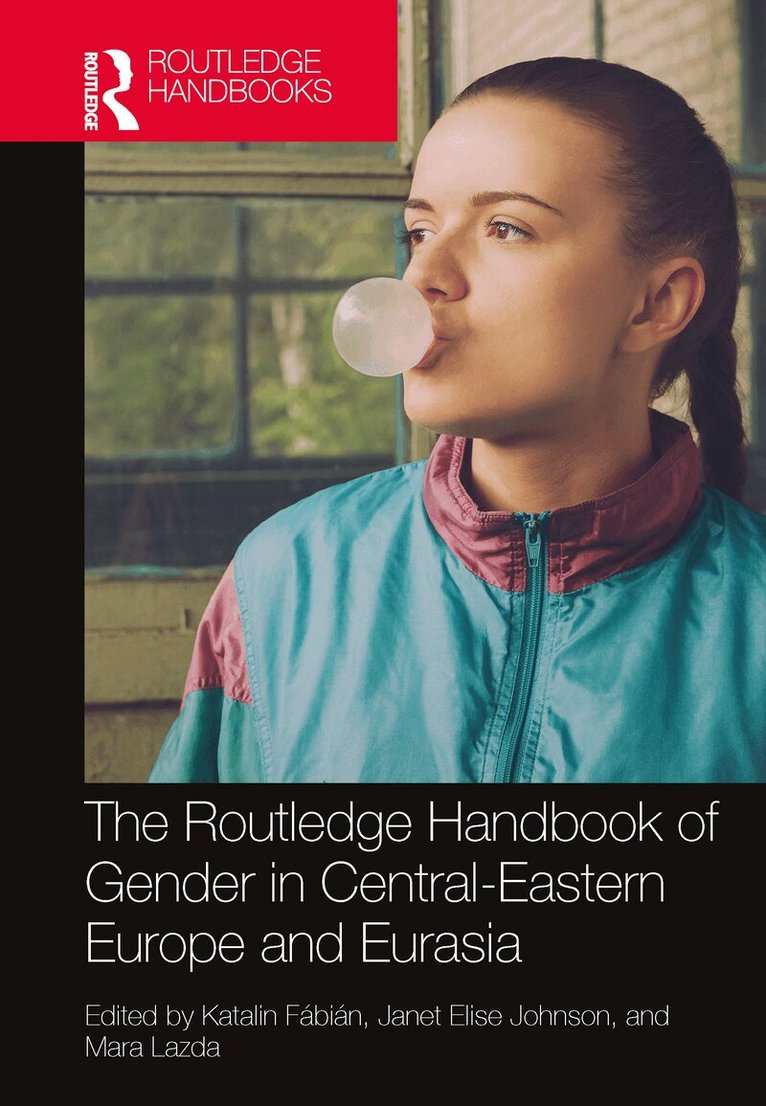
This Handbook is the key reference for contemporary historical and political approaches to gender in Central-Eastern Europe and Eurasia. Leading scholars examine the region’s highly diverse politics, histories, cultures, ethnicities, and religions, and how these structures intersect with gender alongside class, sexuality, coloniality, and racism. Comprising 51 chapters, the Handbook is divided into six thematic parts:Part I Conceptual debates and methodological differencesPart II Feminist and women’s movements cooperating and collidingPart III Constructions of gender in different ideologiesPart IV Lived experiences of individuals in different regimesPart V The ambiguous postcommunist transitionsPart VI Postcommunist policy issuesWith a focus on defining debates, the collection considers how the shared experiences, especially communism, affect political forces’ organization of gender through a broad variety of topics including feminisms, ideology, violence, independence, regime transition, and public policy. It is a foundational collection that will become invaluable to scholars and students across a range of disciplines including Women’s, Gender, and Sexuality Studies and Central-Eastern European and Eurasian Studies.
3 132 kr
Skickas inom 10-15 vardagar
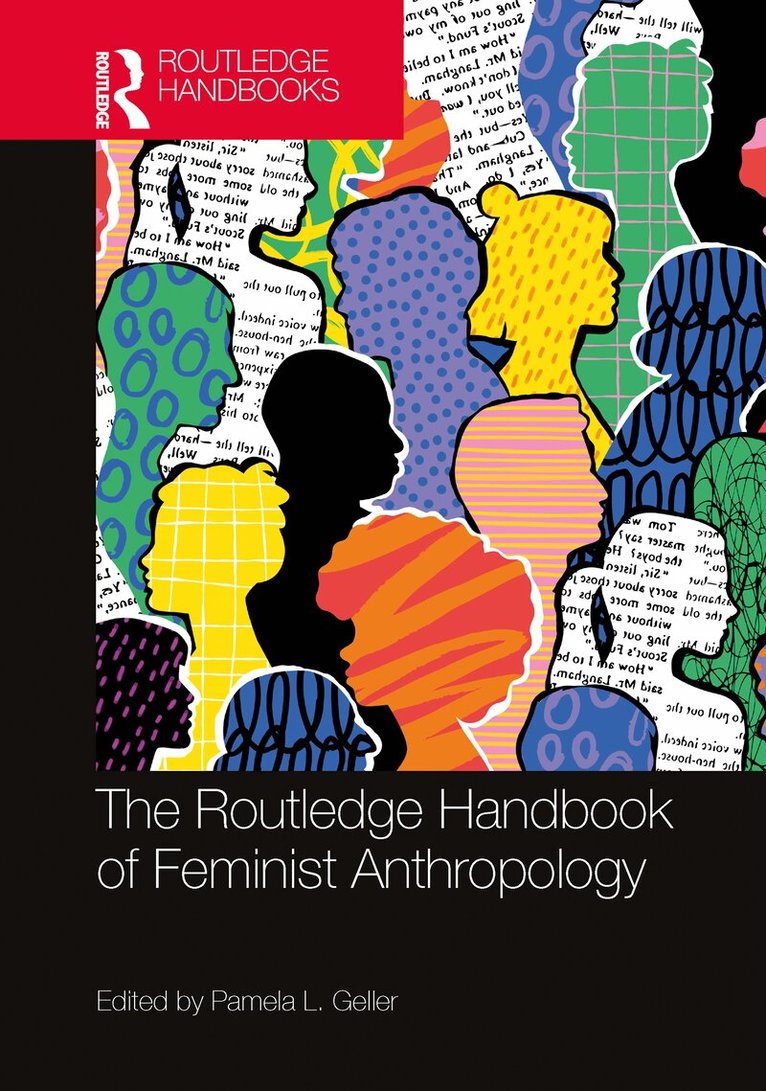
The Routledge Handbook of Feminist Anthropology is a comprehensive inter- and intradisciplinary survey of the field of feminist anthropology. It has at its core a focus on raising consciousness and communicating information about gender inequities, suffering, and precarity, as well as furthering a praxis informed by intersectionality, decolonial intent, and compassion.Divided into three clear parts and comprising 34 chapters by an international team of contributors, the Handbook addresses topics in the following key areas:resisting violencecommunicating creativelylabormigration and displacementhealth and diseasereproductionintersectionalitydecolonial work.The collection assesses the field at an interesting moment in time—one defined by social justice and populist movements gone global; once and future pandemics; extreme environmental disasters; and neoliberalism interrupted. How do gender, sex, and sexuality intersect with these phenomena? In answer, contributors to this volume put a heterogeneous anthropological approach in place; they advance interdisciplinary conversations, as well as renew a commitment to intradisciplinary dialogue.The Routledge Handbook of Feminist Anthropology is essential reading for students, researchers, and instructors in anthropology, and will also be of interest to those in related disciplines such as gender studies, queer studies, economics, biomedicine, political science, sociology, geography, and science and technology studies.
3 336 kr
Skickas inom 10-15 vardagar
This volume provides an extensive overview of current research on the complex relationships between gender and communication. Featuring a broad variety of chapters written by leading and upcoming scholars, this edited collection uses diverse theoretical frameworks to provide insight into recent concerns regarding changing gender roles, representations, and resources in communication studies. Established research and new perspectives address vital themes in this comprehensive text, including the shifting politics of gender, ethical and technological trends in gendered media, and gender in daily life. Comprising 39 chapters by a team of international contributors, the Handbook is divided into six thematic sections:• Gendered lives and identities • Visualizing gender• The politics of gender• Gendered contexts and strategies• Gendered violence and communication• Gender advocacy in actionThese sections examine central issues, debates, and problems, including the ethics and politics of gender as identity, impacts of media and technology, legal and legislative battlegrounds for gender inequality and LGBTQ+ human rights, changing institutional contexts, and recent research on gender violence and communication. The final section links academic research on gender and communication to activism and advocacy beyond the academy.The Routledge Handbook of Gender and Communication will be an invaluable reference work for students and researchers working at the intersections of gender studies and communication studies. Its international perspectives and the range of themes it covers make it an essential and pragmatic pedagogical resource.
3 336 kr
Skickas inom 10-15 vardagar
This Handbook is the key reference for contemporary historical and political approaches to gender in Central-Eastern Europe and Eurasia. Leading scholars examine the region’s highly diverse politics, histories, cultures, ethnicities, and religions, and how these structures intersect with gender alongside class, sexuality, coloniality, and racism. Comprising 51 chapters, the Handbook is divided into six thematic parts:Part I Conceptual debates and methodological differencesPart II Feminist and women’s movements cooperating and collidingPart III Constructions of gender in different ideologiesPart IV Lived experiences of individuals in different regimesPart V The ambiguous postcommunist transitionsPart VI Postcommunist policy issuesWith a focus on defining debates, the collection considers how the shared experiences, especially communism, affect political forces’ organization of gender through a broad variety of topics including feminisms, ideology, violence, independence, regime transition, and public policy. It is a foundational collection that will become invaluable to scholars and students across a range of disciplines including Women’s, Gender, and Sexuality Studies and Central-Eastern European and Eurasian Studies.