Routledge Research in the Anthropocene – serie
Visar alla böcker i serien Routledge Research in the Anthropocene. Handla med fri frakt och snabb leverans.
15 produkter
15 produkter
Inbunden, Engelska, 2020
2 133 kr
Skickas inom 10-15 vardagar
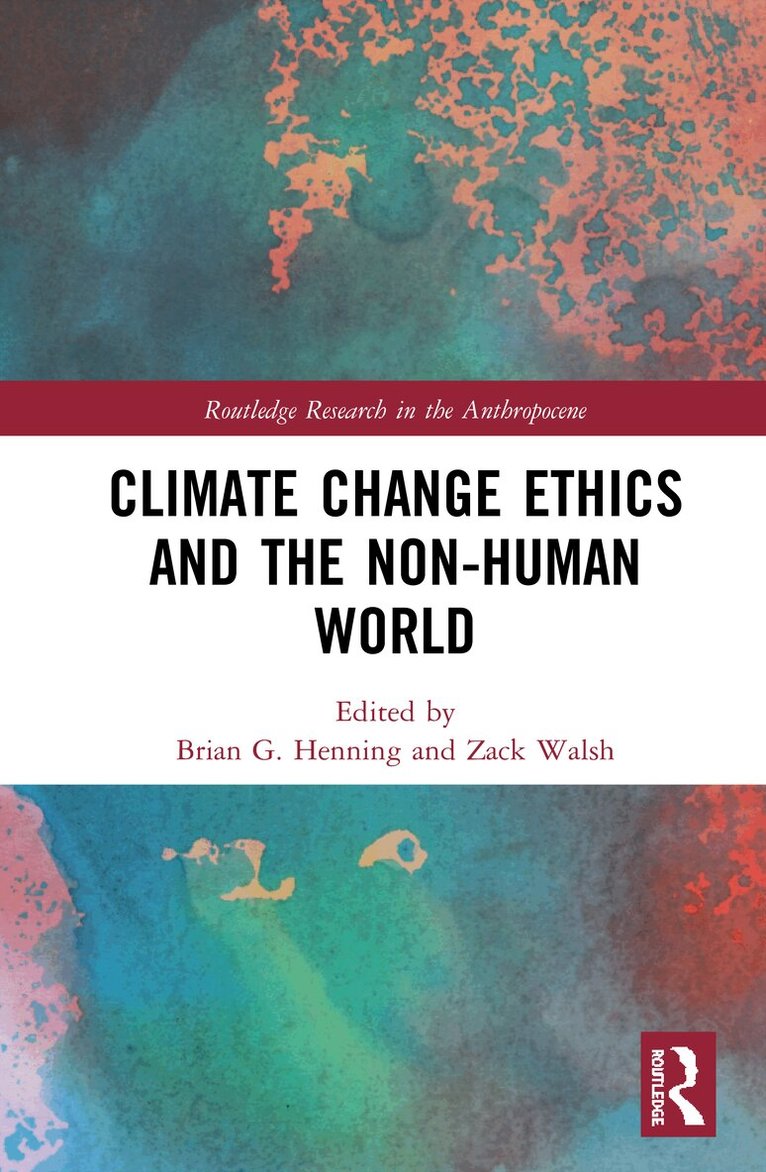
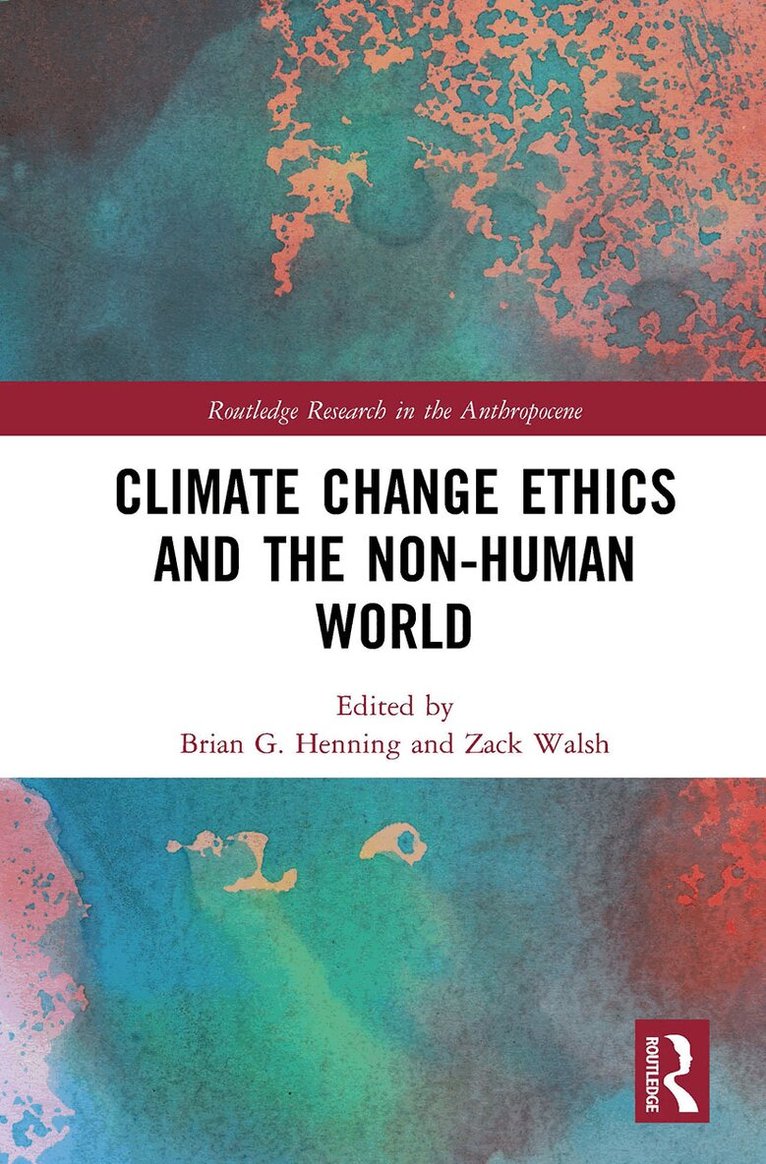
This book examines from different perspectives the moral significance of non-human members of the biotic community and their omission from climate ethics literature. The complexity of life in an age of rapid climate change demands the development of moral frameworks that recognize and respect the dignity and agency of both human and non-human organisms. Despite decades of careful work in non-anthropocentric approaches to environmental ethics, recent anthologies on climate ethics have largely omitted non-anthropocentric approaches. This multidisciplinary volume of international scholars tackles this lacuna by presenting novel work on non-anthropocentric approaches to climate ethics. Written in an accessible style, the text incorporates sentiocentric, biocentric, and ecocentric perspectives on climate change.With diverse perspectives from both leading and emerging scholars of environmental ethics, geography, religious studies, conservation ecology, and environmental studies, this book will offer a valuable reading for students and scholars of these fields.
Inbunden, Engelska, 2021
2 133 kr
Skickas inom 10-15 vardagar
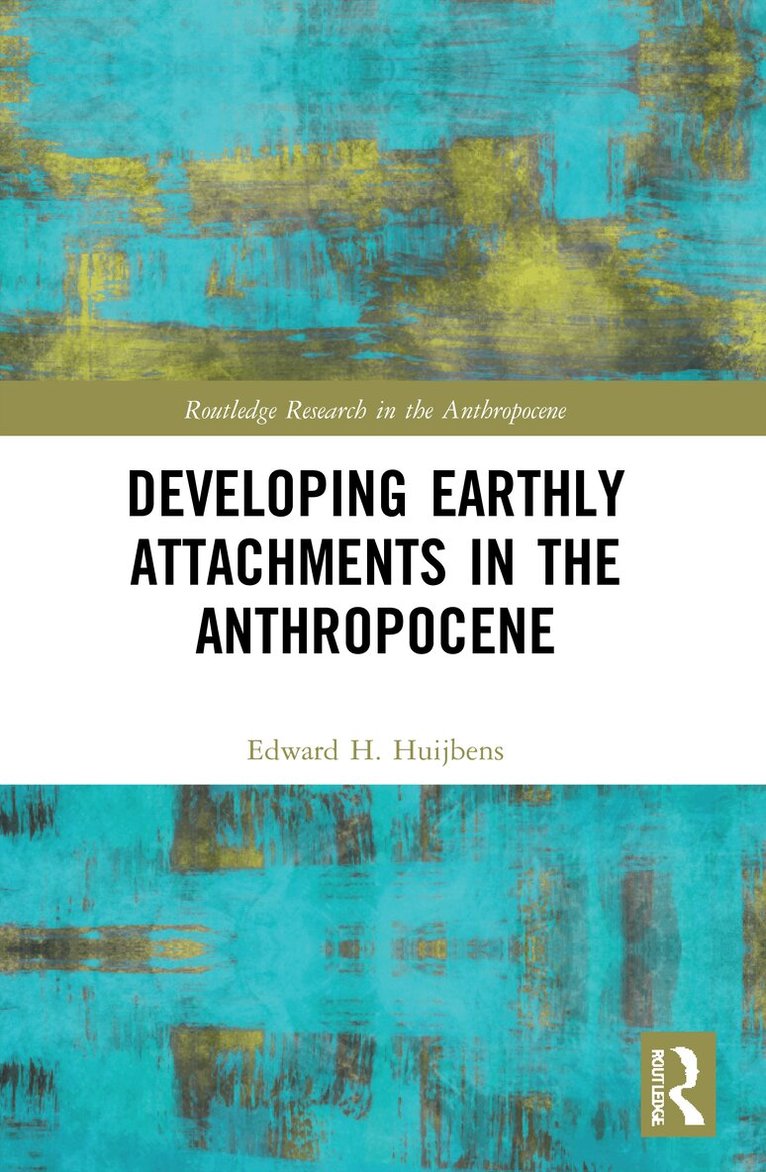
This book explores the development and significance of an Earth-oriented progressive approach to fostering global wellbeing and inclusive societies in an era of climate change and uncertainty.Developing Earthly Attachments in the Anthropocene examines the ways in which the Earth has become a source of political, social, and cultural theory in times of global climate change. The book explains how the Earth contributes to the creation of a regenerative culture, drawing examples from the Netherlands and Iceland. These examples offer understandings of how legacies of non-respectful exploitative practices culminating in the rapid post-war growth of global consumption have resulted in impacts on the ecosystem, highlighting the challenges of living with planet Earth. The book familiarizes readers with the implied agencies of the Earth which become evident in our reliance on the carbon economy – a factor of modern-day globalized capitalism responsible for global environmental change and emergency. It also suggests ways to inspire and develop new ways of spatial sense making for those seeking earthly attachments. Offering novel theoretical and practical insights for politically active people, this book will appeal to those involved in local and national policy making processes. It will also be of interest to academics and students of geography, political science, and environmental sciences.
Häftad, Engelska, 2023
624 kr
Skickas inom 10-15 vardagar
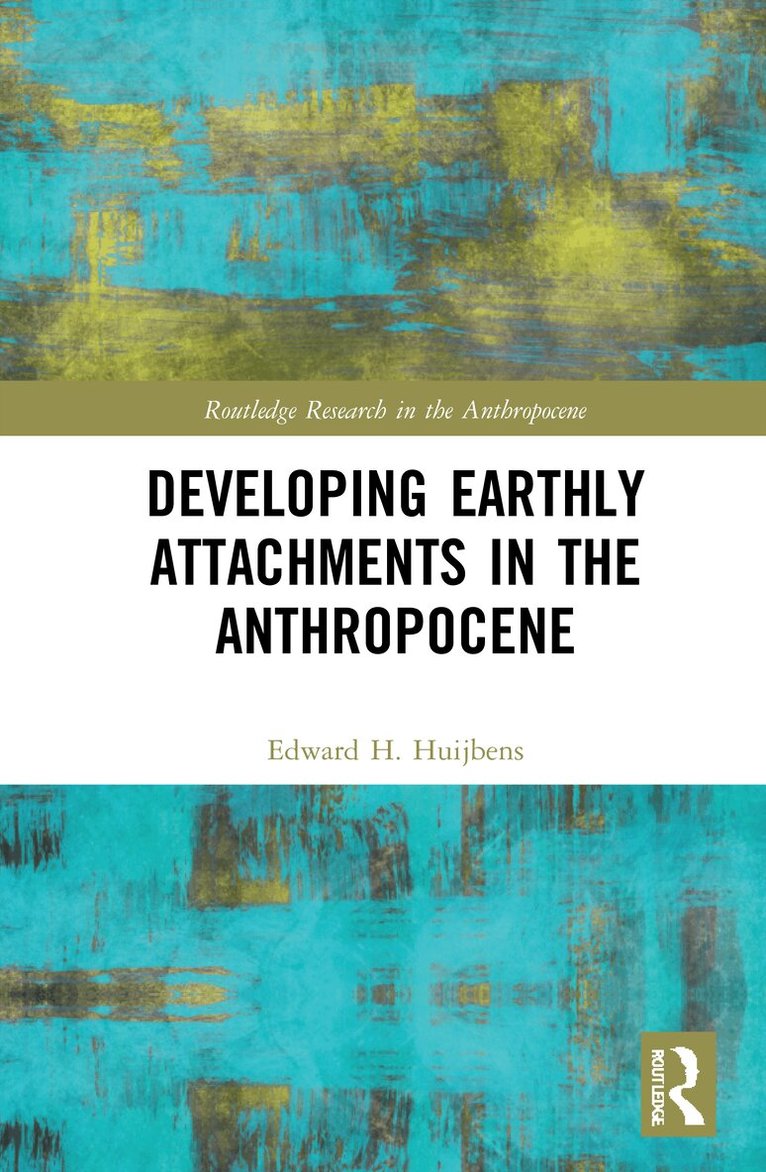
This book explores the development and significance of an Earth-oriented progressive approach to fostering global wellbeing and inclusive societies in an era of climate change and uncertainty.Developing Earthly Attachments in the Anthropocene examines the ways in which the Earth has become a source of political, social, and cultural theory in times of global climate change. The book explains how the Earth contributes to the creation of a regenerative culture, drawing examples from the Netherlands and Iceland. These examples offer understandings of how legacies of non-respectful exploitative practices culminating in the rapid post-war growth of global consumption have resulted in impacts on the ecosystem, highlighting the challenges of living with planet Earth. The book familiarizes readers with the implied agencies of the Earth which become evident in our reliance on the carbon economy – a factor of modern-day globalized capitalism responsible for global environmental change and emergency. It also suggests ways to inspire and develop new ways of spatial sense making for those seeking earthly attachments. Offering novel theoretical and practical insights for politically active people, this book will appeal to those involved in local and national policy making processes. It will also be of interest to academics and students of geography, political science, and environmental sciences.
Inbunden, Engelska, 2021
2 133 kr
Skickas inom 10-15 vardagar
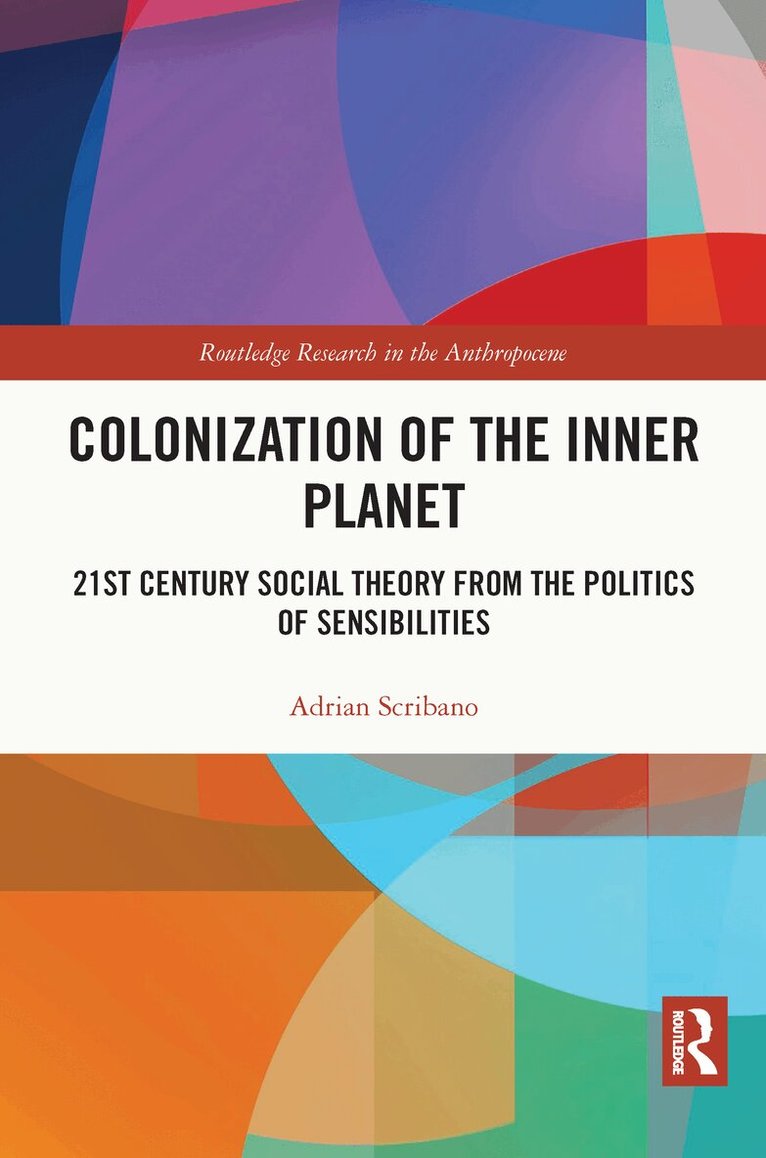
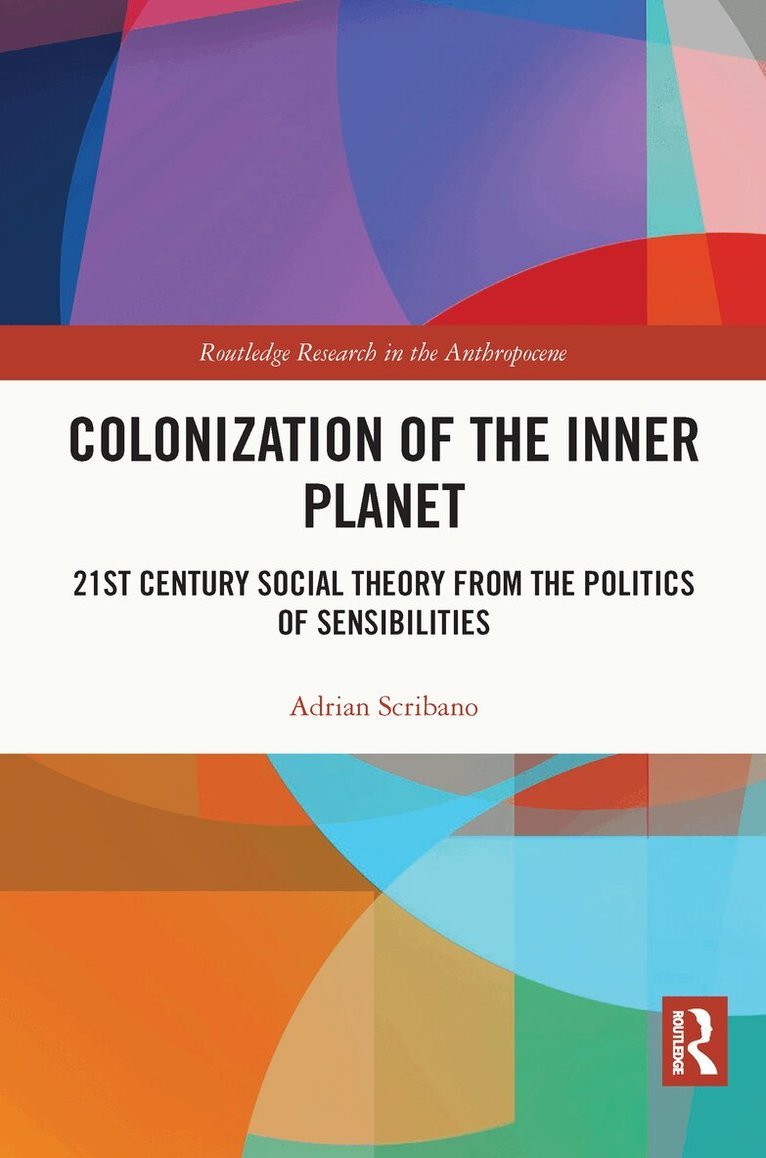
This book explores the conquest, predation and management of human bodies and emotions by the growing capitalist digital community. It seeks to understand the debate between various forms of the individual, subject, actor, and agent to emerge a social theory vision for the 21st century. The book moves beyond the colonization of the physical world to examine the process of colonization of humans. It focuses on the communication humans have with the world to understand how this impacts their sensibilities. This communication is influenced by technological innovations that enable a process of systematic colonization of human beings as bodies/emotions. This book explores a social theory which will allow us to understand this redefinition of the individual. This enables us to uncover connections between the colonization of the ‘inner planet’ that is the human society, and the dialectic of the person and the politics of their sensibilities. This is explored through the tensions that arise between the forms a person assumes in unequal and diverse cultural contexts and the emotions behind those cultural differences.The book will appeal to academics and postgraduate students of sociology, philosophy and anthropology, as well as psychologists, organizational specialists, linguists, ethnographers, historians, political scientists, administrators and professionals affiliated with NGOs.
Häftad, Engelska, 2023
624 kr
Skickas inom 10-15 vardagar
This book explores the conquest, predation and management of human bodies and emotions by the growing capitalist digital community. It seeks to understand the debate between various forms of the individual, subject, actor, and agent to emerge a social theory vision for the 21st century. The book moves beyond the colonization of the physical world to examine the process of colonization of humans. It focuses on the communication humans have with the world to understand how this impacts their sensibilities. This communication is influenced by technological innovations that enable a process of systematic colonization of human beings as bodies/emotions. This book explores a social theory which will allow us to understand this redefinition of the individual. This enables us to uncover connections between the colonization of the ‘inner planet’ that is the human society, and the dialectic of the person and the politics of their sensibilities. This is explored through the tensions that arise between the forms a person assumes in unequal and diverse cultural contexts and the emotions behind those cultural differences.The book will appeal to academics and postgraduate students of sociology, philosophy and anthropology, as well as psychologists, organizational specialists, linguists, ethnographers, historians, political scientists, administrators and professionals affiliated with NGOs.
Häftad, Engelska, 2021
624 kr
Skickas inom 10-15 vardagar
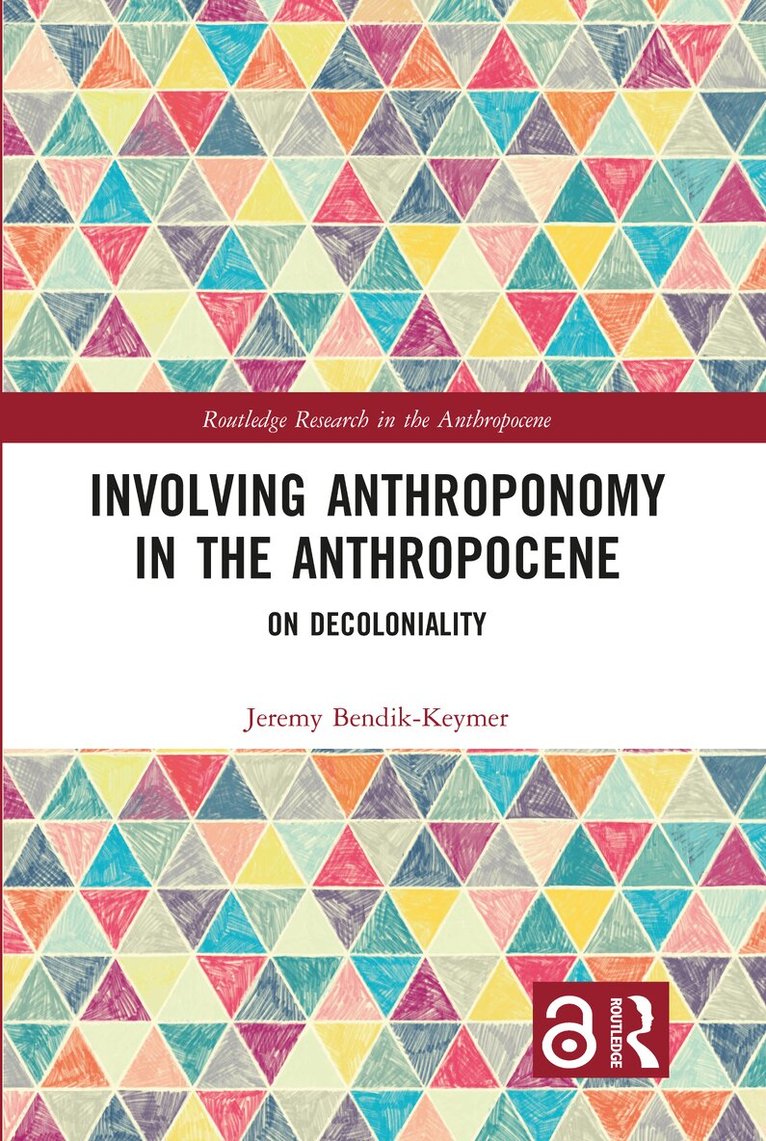
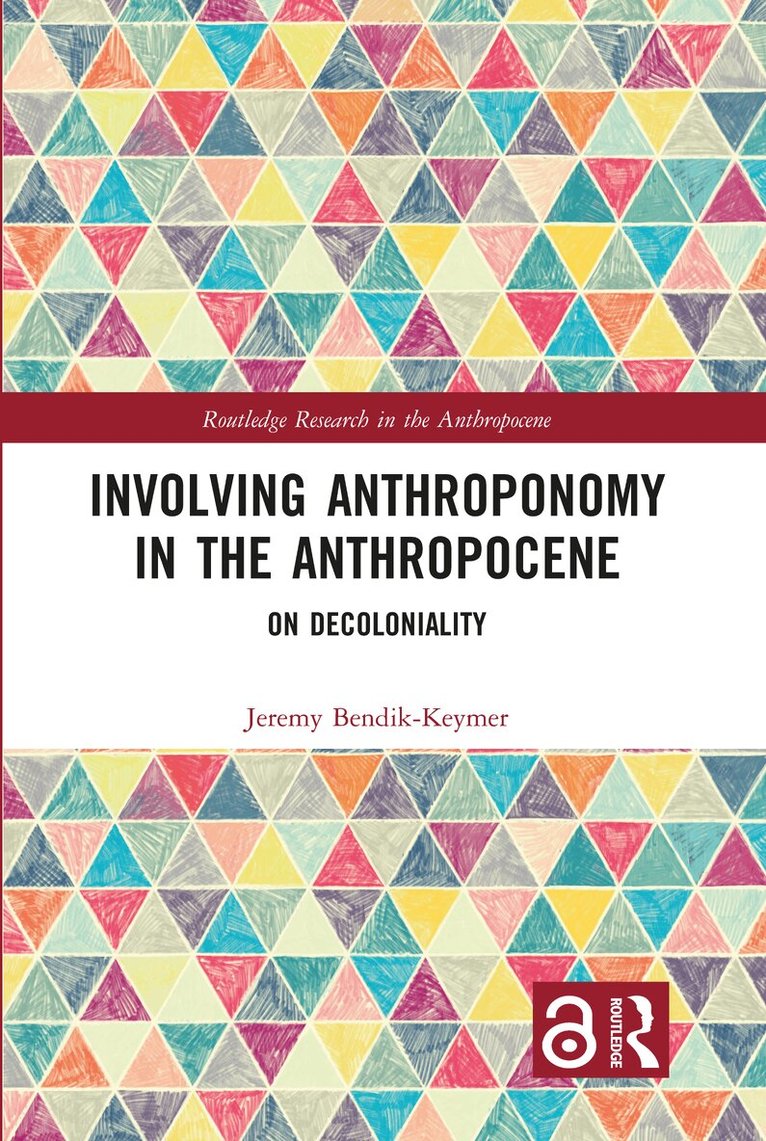
This book introduces the idea of anthroponomy – the organization of humankind to support autonomous life – as a response to the problems of today’s purported "Anthropocene" age. It argues for a specific form of accountability for the redressing of planetary-scaled environmental problems.The concept of anthroponomy helps confront geopolitical history shaped by the social processes of capitalism, colonialism, and industrialism, which have resulted in our planetary situation. Involving Anthroponomy in the Anthropocene: On Decoloniality explores how mobilizing our engagement with the politics of our planetary situation can come from moral relations. This book focuses on the anti-imperial work of addressing unfinished decolonization, and hence involves the "decolonial" work of cracking open the common sense of the world that supports ongoing colonization. "Coloniality" is the name for this common sense, and the discourse of the "Anthropocene" supports it. A consistent anti-imperial and anti-capitalist politics, one committed to equality and autonomy, will problematize the Anthropocene through decoloniality. Sometimes the way forward is the way backward.Written in a novel style that demonstrates – not simply theorizes – moral relatedness, this book makes a valuable contribution to the fields of Anthropocene studies, environmental studies, decolonial studies, and social philosophy.The Open Access version of this book, available at http://www.taylorfrancis.com, has been made available under a Creative Commons Attribution- NonCommercial-ShareAlike (CC-BY-NC-SA)
Häftad, Engelska, 2021
624 kr
Skickas inom 10-15 vardagar
This book examines from different perspectives the moral significance of non-human members of the biotic community and their omission from climate ethics literature. The complexity of life in an age of rapid climate change demands the development of moral frameworks that recognize and respect the dignity and agency of both human and non-human organisms. Despite decades of careful work in non-anthropocentric approaches to environmental ethics, recent anthologies on climate ethics have largely omitted non-anthropocentric approaches. This multidisciplinary volume of international scholars tackles this lacuna by presenting novel work on non-anthropocentric approaches to climate ethics. Written in an accessible style, the text incorporates sentiocentric, biocentric, and ecocentric perspectives on climate change.With diverse perspectives from both leading and emerging scholars of environmental ethics, geography, religious studies, conservation ecology, and environmental studies, this book will offer a valuable reading for students and scholars of these fields.
Inbunden, Engelska, 2026
2 133 kr
Skickas inom 10-15 vardagar
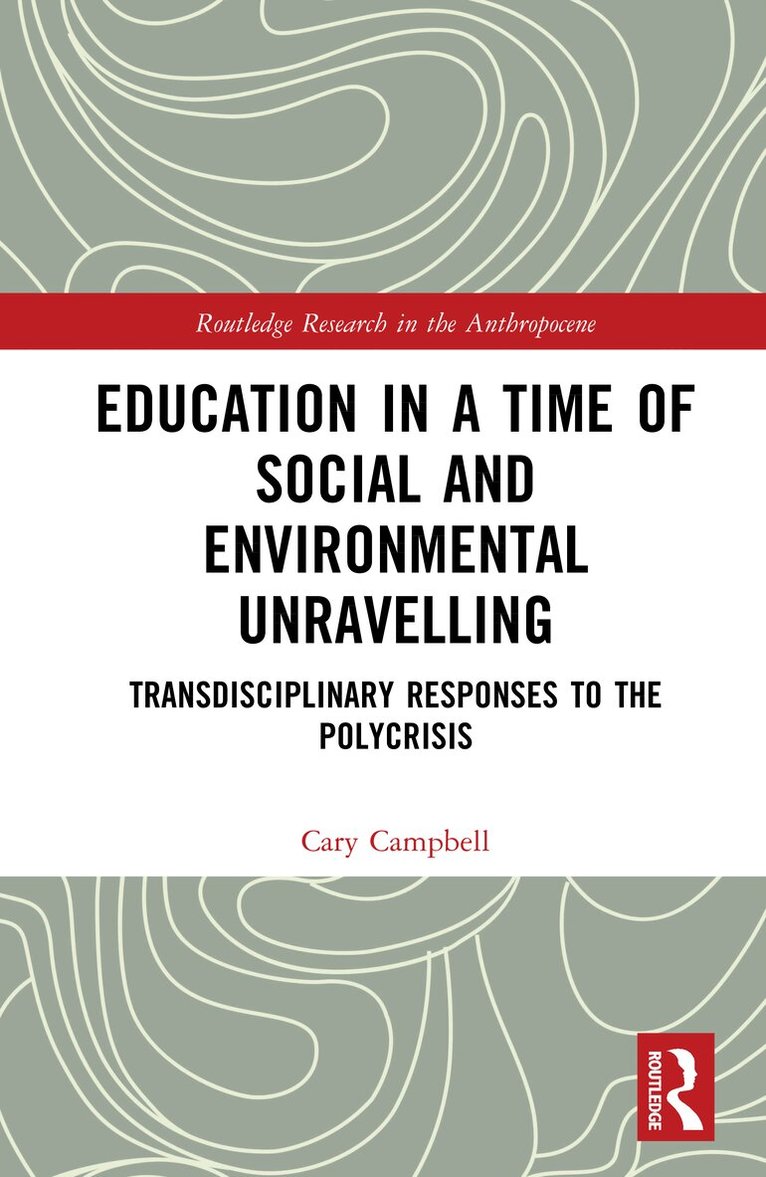
This book argues that the root of education’s failure to address the complex problems of human-induced climate change lies in the stories we tell.At once too complex, too simplistic, and overly focused on communicating and accumulating scientific facts, the stories we tell about climate change often reduce the problem to singular issues, such as CO2 emissions, while advocating out-of-this-world technofixes. Against this challenge, the term “polycrisis” has emerged to describe the interconnected environmental and social crises we are confronting in the 21st century. The polycrisis encompasses much more than catch-all terms such as climate change and global warming, connecting issues as diverse as biodiversity and habitat loss, water and food scarcity, pollution, and resource depletion, as well as growing economic and social precarity. Through a series of essays and interviews with scholars, scientists, artists, and activists, this volume seeks to articulate existential and educational responses and interventions to the polycrisis. The author presents a terrestrial vision for critical eco-pedagogy, arguing that educational freedom in this time is not unlimited or unbounded, but rather cultivated through an engagement with limits and limitations—most fundamentally, the limits of a planet with limited resources and carrying capacity.This timely volume will be of interest to researchers and teachers interested in environmental education, as well as posthumanism, decolonizing education, arts-based research methods, and postgrowth theory.
Inbunden, Engelska, 2020
2 133 kr
Skickas inom 10-15 vardagar
This book sets forth a new research agenda for climate theory and aesthetics for the age of the Anthropocene. It explores the challenge of representing and conceptualizing climate in the era of climate change. In the Anthropocene when geologic conditions and processes are primarily shaped by human activity, climate indicates not only atmospheric forces but the gamut of human activity that shape these forces. It includes the fuels we use, the lifestyles we cultivate, the industrial infrastructures and supply chains we build, and together these point to the possible futures we may encounter. This book demonstrates how every weather event constitutes the climatic forces that are as much social, cultural, and economic as they are environmental, natural, and physical. By foregrounding this fundamental insight, it intervenes in the well-established political and scientific discourses of climate change by identifying and exploring emergent aesthetic practices and the conceptual project of mediating the various forces embedded in climate. This book is the first to sustain a theoretical and analytical engagement with the category of realism in the context of anthropogenic climate change, to capture climate’s capacity to express embedded histories, and to map the formal strategies of representation that have turned climate into cultural content.
Häftad, Engelska, 2020
556 kr
Skickas inom 10-15 vardagar
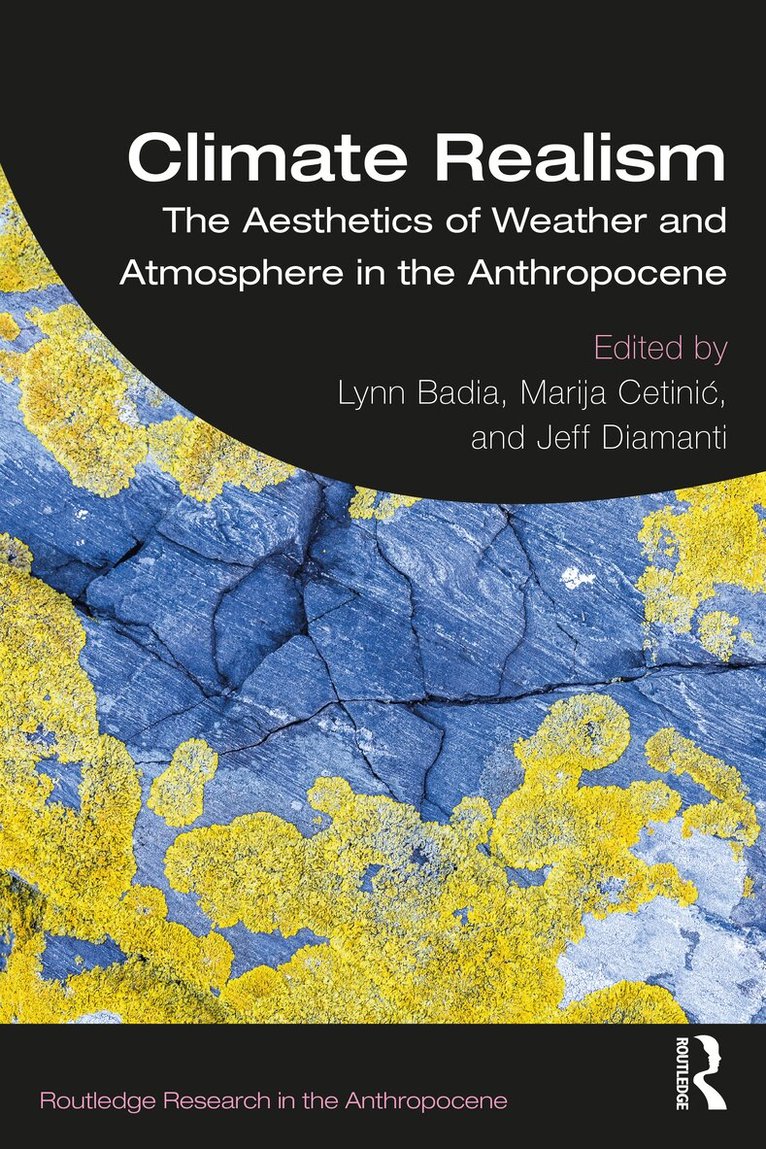
This book sets forth a new research agenda for climate theory and aesthetics for the age of the Anthropocene. It explores the challenge of representing and conceptualizing climate in the era of climate change. In the Anthropocene when geologic conditions and processes are primarily shaped by human activity, climate indicates not only atmospheric forces but the gamut of human activity that shape these forces. It includes the fuels we use, the lifestyles we cultivate, the industrial infrastructures and supply chains we build, and together these point to the possible futures we may encounter. This book demonstrates how every weather event constitutes the climatic forces that are as much social, cultural, and economic as they are environmental, natural, and physical. By foregrounding this fundamental insight, it intervenes in the well-established political and scientific discourses of climate change by identifying and exploring emergent aesthetic practices and the conceptual project of mediating the various forces embedded in climate. This book is the first to sustain a theoretical and analytical engagement with the category of realism in the context of anthropogenic climate change, to capture climate’s capacity to express embedded histories, and to map the formal strategies of representation that have turned climate into cultural content.
Inbunden, Engelska, 2020
2 133 kr
Skickas inom 10-15 vardagar
This book offers the first critical, multi-disciplinary study of how the concepts of resilience and the Anthropocene have combined to shape contemporary thought and governmental practice. Faced with the climate catastrophe of the Anthropocene, theorists and policymakers are increasingly turning to ‘sustainable’, ‘creative’ and ‘bottom-up’ imaginaries of governance. The book brings together cutting-edge insights from leading geographers, international relations scholars and philosophers to explore how the concepts of resilience and the Anthropocene challenge and transform prevailing understandings of Earth, space, time and knowledge, and how these transformations reshape governance, ethics and critique today. This book examines how the Anthropocene calls into question established categories through which modern societies have tended to make sense of the world and engage in critical reflection and analysis. It also considers how resilience approaches attempt to re-stabilize these categories – and the ethical and political effects that result from these resilience-based efforts. Offering innovative insights into the problem of how environmental change is known and governed in the Anthropocene, this book will be of interest to students in fields such as geography, international relations, anthropology, science and technology studies, sociology, and the environmental humanities.
Häftad, Engelska, 2020
556 kr
Skickas inom 10-15 vardagar
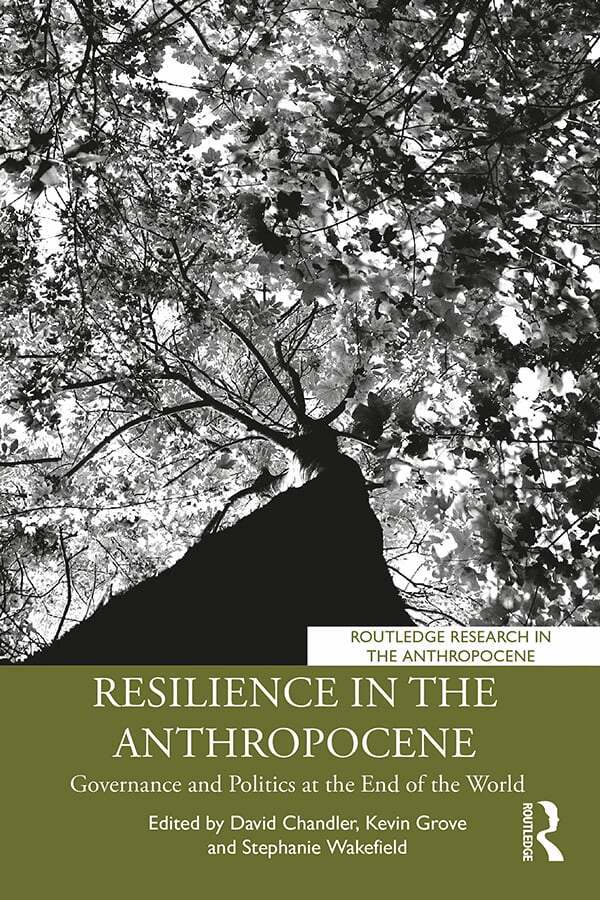
This book offers the first critical, multi-disciplinary study of how the concepts of resilience and the Anthropocene have combined to shape contemporary thought and governmental practice. Faced with the climate catastrophe of the Anthropocene, theorists and policymakers are increasingly turning to ‘sustainable’, ‘creative’ and ‘bottom-up’ imaginaries of governance. The book brings together cutting-edge insights from leading geographers, international relations scholars and philosophers to explore how the concepts of resilience and the Anthropocene challenge and transform prevailing understandings of Earth, space, time and knowledge, and how these transformations reshape governance, ethics and critique today. This book examines how the Anthropocene calls into question established categories through which modern societies have tended to make sense of the world and engage in critical reflection and analysis. It also considers how resilience approaches attempt to re-stabilize these categories – and the ethical and political effects that result from these resilience-based efforts. Offering innovative insights into the problem of how environmental change is known and governed in the Anthropocene, this book will be of interest to students in fields such as geography, international relations, anthropology, science and technology studies, sociology, and the environmental humanities.
Häftad, Engelska, 2018
736 kr
Skickas inom 10-15 vardagar
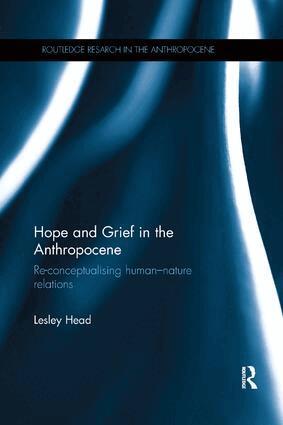
The Anthropocene is a volatile and potentially catastrophic age demanding new ways of thinking about relations between humans and the nonhuman world. This book explores how responses to environmental challenges are hampered by a grief for a pristine and certain past, rather than considering the scale of the necessary socioeconomic change for a 'future' world. Conceptualisations of human-nature relations must recognise both human power and its embeddedness within material relations. Hope is a risky and complex process of possibility that carries painful emotions; it is something to be practised rather than felt. As centralised governmental solutions regarding climate change appear insufficient, intellectual and practical resources can be derived from everyday understandings and practices. Empirical examples from rural and urban contexts and with diverse research participants - indigenous communities, climate scientists, weed managers, suburban householders - help us to consider capacity, vulnerability and hope in new ways.
Inbunden, Engelska, 2020
2 133 kr
Skickas inom 10-15 vardagar
This book introduces the idea of anthroponomy – the organization of humankind to support autonomous life – as a response to the problems of today’s purported "Anthropocene" age. It argues for a specific form of accountability for the redressing of planetary-scaled environmental problems.The concept of anthroponomy helps confront geopolitical history shaped by the social processes of capitalism, colonialism, and industrialism, which have resulted in our planetary situation. Involving Anthroponomy in the Anthropocene: On Decoloniality explores how mobilizing our engagement with the politics of our planetary situation can come from moral relations. This book focuses on the anti-imperial work of addressing unfinished decolonization, and hence involves the "decolonial" work of cracking open the common sense of the world that supports ongoing colonization. "Coloniality" is the name for this common sense, and the discourse of the "Anthropocene" supports it. A consistent anti-imperial and anti-capitalist politics, one committed to equality and autonomy, will problematize the Anthropocene through decoloniality. Sometimes the way forward is the way backward.Written in a novel style that demonstrates – not simply theorizes – moral relatedness, this book makes a valuable contribution to the fields of Anthropocene studies, environmental studies, decolonial studies, and social philosophy.The Open Access version of this book, available at http://www.taylorfrancis.com, has been made available under a Creative Commons Attribution- NonCommercial-ShareAlike (CC-BY-NC-SA)
Inbunden, Engelska, 2016
2 339 kr
Skickas inom 10-15 vardagar
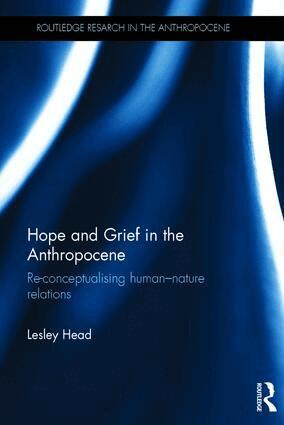
The Anthropocene is a volatile and potentially catastrophic age demanding new ways of thinking about relations between humans and the nonhuman world. This book explores how responses to environmental challenges are hampered by a grief for a pristine and certain past, rather than considering the scale of the necessary socioeconomic change for a 'future' world. Conceptualisations of human-nature relations must recognise both human power and its embeddedness within material relations. Hope is a risky and complex process of possibility that carries painful emotions; it is something to be practised rather than felt. As centralised governmental solutions regarding climate change appear insufficient, intellectual and practical resources can be derived from everyday understandings and practices. Empirical examples from rural and urban contexts and with diverse research participants - indigenous communities, climate scientists, weed managers, suburban householders - help us to consider capacity, vulnerability and hope in new ways.