Routledge Studies in Education and Society in Asia – serie
Visar alla böcker i serien Routledge Studies in Education and Society in Asia. Handla med fri frakt och snabb leverans.
21 produkter
21 produkter
Inbunden, Engelska, 2021
2 132 kr
Skickas inom 10-15 vardagar
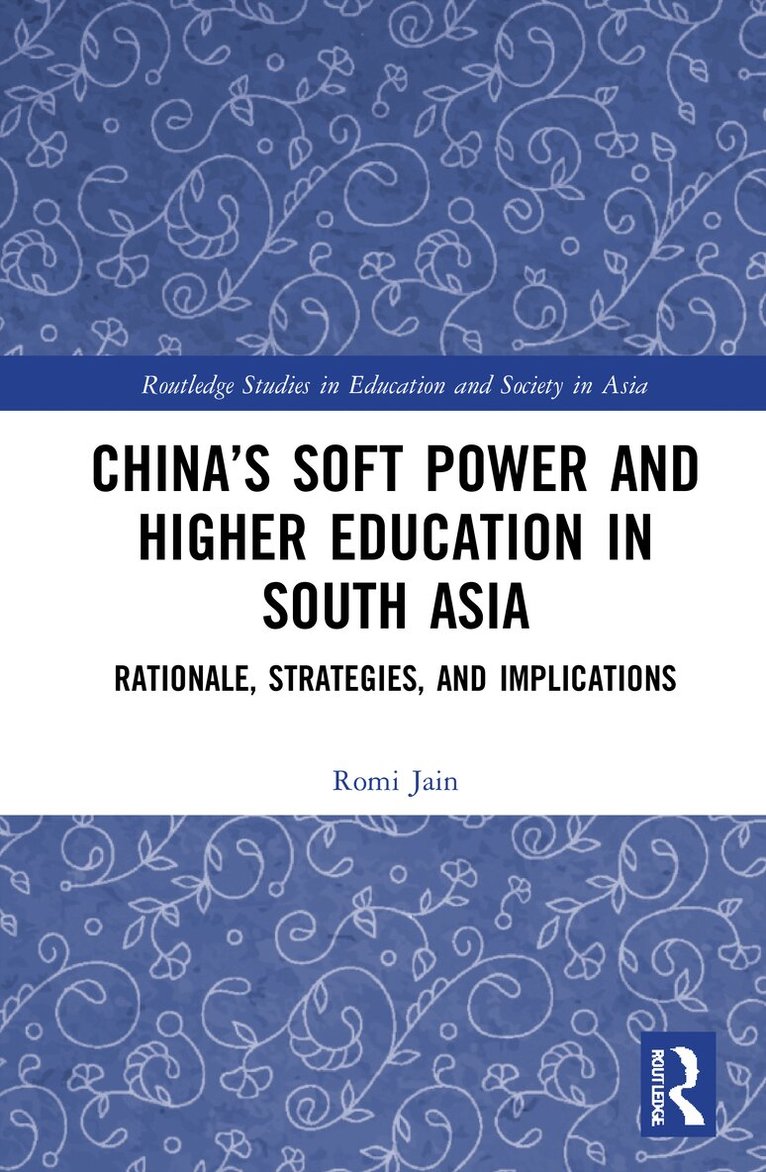
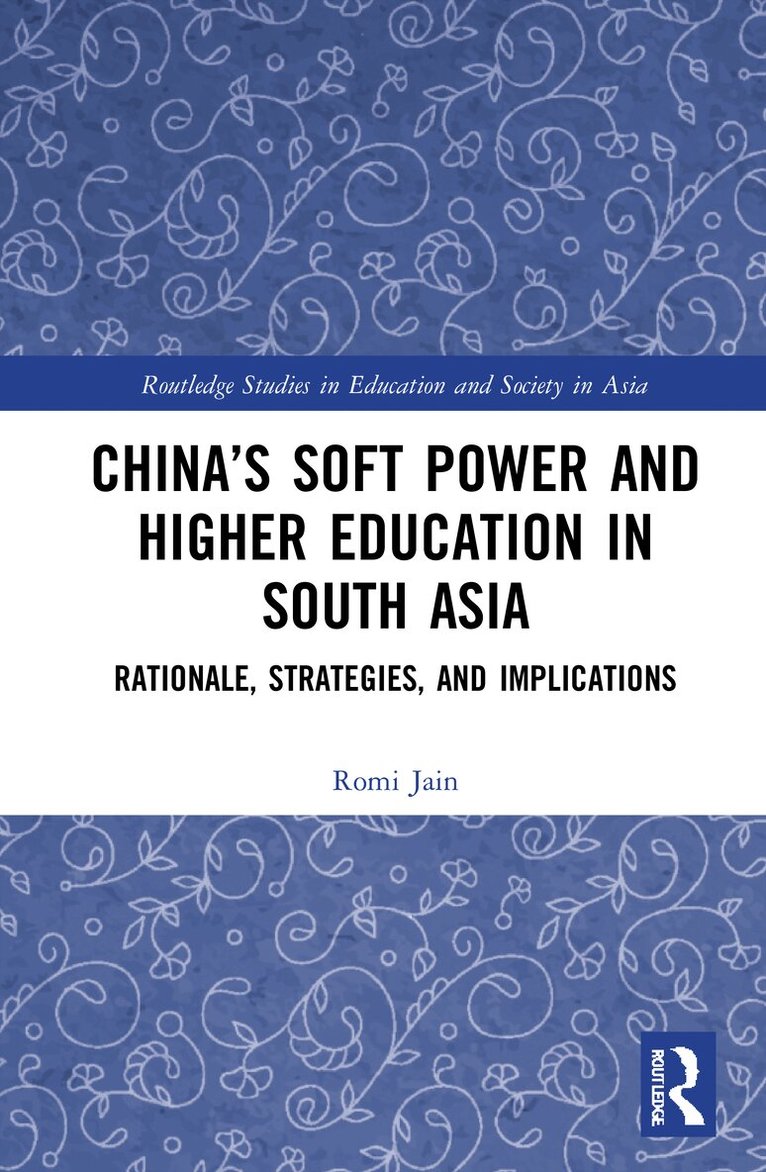
This empirical work illuminates how China uses the higher education mechanism in South Asia to advance its national interests and investigates the outcomes for China, including both challenges and opportunities.Using a soft power theoretical framework, this book employs the case study of Nepal, a South Asian country of profound geostrategic value for the two competing powers of China and India. Illustrating how higher education is the mechanism for achieving soft power goals, it draws on data analysis based on archival sources and interviews with China and South Asia experts, including academics and politico-bureaucratic elites, as well as interviews with Nepalese students and alumni. Importantly though, this book advances an innovative conceptual model of geointellect to trace the evolving dimensions of China’s global dominance in higher education, research, and innovation paradigm, especially in the context of the Belt and Road Initiative and ultimately reveals how foreign policy and higher education policy reinforce each other in the context of China.China’s Soft Power and Higher Education in South Asia provides an empirically rich resource for students and scholars of education, international relations, Asian studies, and China’s soft power.
Häftad, Engelska, 2022
582 kr
Skickas inom 10-15 vardagar
This empirical work illuminates how China uses the higher education mechanism in South Asia to advance its national interests and investigates the outcomes for China, including both challenges and opportunities.Using a soft power theoretical framework, this book employs the case study of Nepal, a South Asian country of profound geostrategic value for the two competing powers of China and India. Illustrating how higher education is the mechanism for achieving soft power goals, it draws on data analysis based on archival sources and interviews with China and South Asia experts, including academics and politico-bureaucratic elites, as well as interviews with Nepalese students and alumni. Importantly though, this book advances an innovative conceptual model of geointellect to trace the evolving dimensions of China’s global dominance in higher education, research, and innovation paradigm, especially in the context of the Belt and Road Initiative and ultimately reveals how foreign policy and higher education policy reinforce each other in the context of China.China’s Soft Power and Higher Education in South Asia provides an empirically rich resource for students and scholars of education, international relations, Asian studies, and China’s soft power.
Häftad, Engelska, 2019
624 kr
Skickas inom 10-15 vardagar
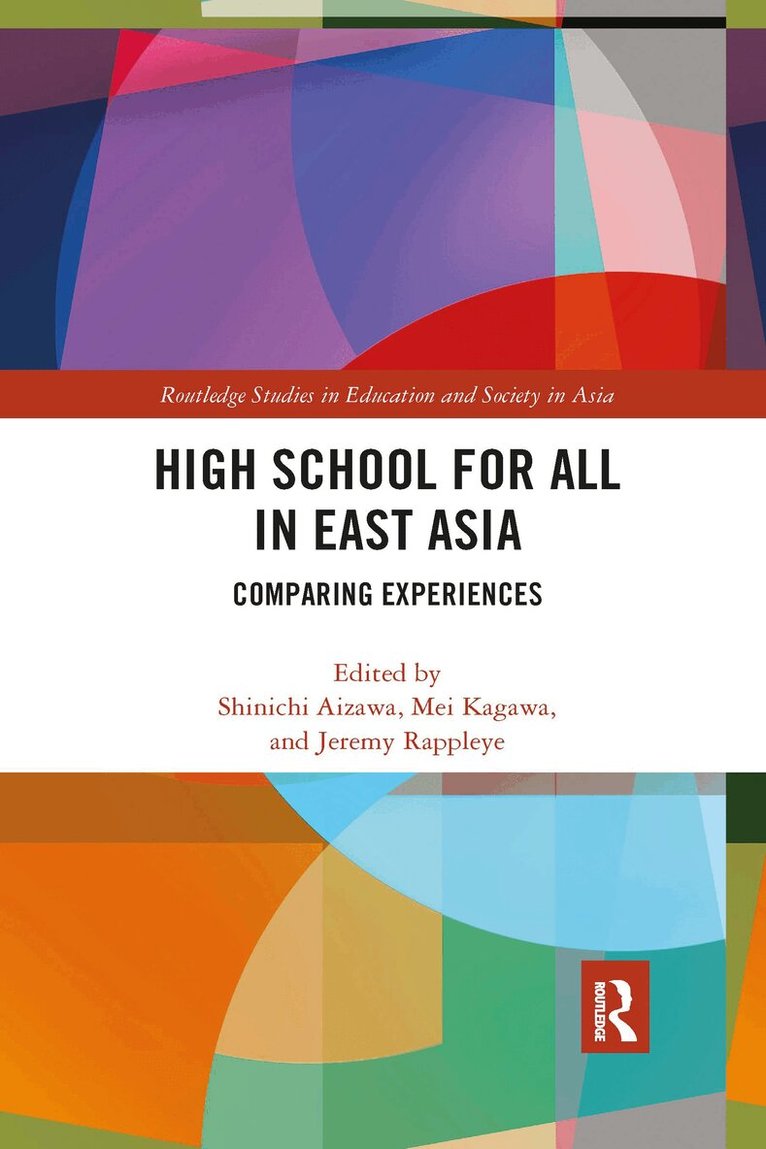
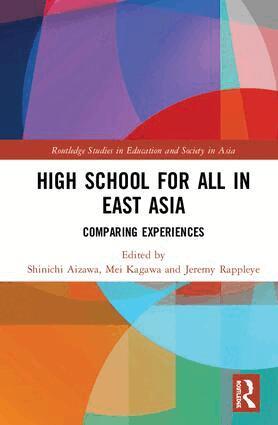
Although late to industrialize, East Asia has witnessed rapid development whilst maintaining some of the highest educational enrollment rates and indicators of academic achievement globally. From major players, such as China, to small city-states, such as Singapore, economic success and the growth of education have seemingly unfolded simultaneously. This book seeks to better understand the relationship between these powerful economies and their commitment to educational expansion.Exploring the universalization of upper secondary schooling, it assesses the social foundations of the region’s economic development. Chapters covering each of the countries of East Asia trace how upper secondary school functions as the support for the mass manufacturing labor force, which has been instrumental in East Asian economic expansion. These analyses then compare the experiences of the different nations along two major axes: the relationship between public and private provision and the balance between general and vocational tracks. Finally, the analyses go on to examine recent trends, including the slowing of social development and declining fertility, and ultimately asks, can East Asia maintain its world leading development and educational standards in coming decades? Combining a wealth of quantitative data and policy analyses, this book will be useful to students and scholars of Asian and international education.
Inbunden, Engelska, 2013
2 190 kr
Skickas inom 10-15 vardagar
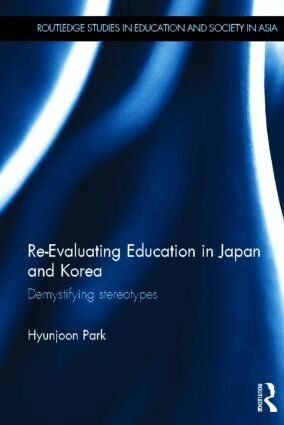
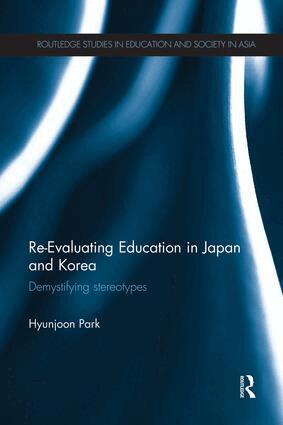
International comparisons of student achievement in mathematics, science, and reading have consistently shown that Japanese and Korean students outperform their peers in other parts of world. Understandably, this has attracted many policymakers and researchers seeking to emulate this success, but it has also attracted strong criticism and a range of misconceptions of the Japanese and Korean education system.Directly challenging these misconceptions, which are prevalent in both academic and public discourses, this book seeks to provide a more nuanced view of the Japanese and Korean education systems. This includes the idea that the highly standardized means of education makes outstanding students mediocre; that the emphasis on memorization leads to a lack of creativity and independent thinking; that students’ successes are a result of private supplementary education; and that the Japanese and Korean education systems are homogenous to the point of being one single system. Using empirical data Hyunjoon Park re-evaluates the strengths and weaknesses of the existing education systems in Japan and Korea and reveals whether the issues detailed above are real or unfounded and misinformed.Offering a balanced view of the evolving and complex nature of academic achievement among Japanese and Korean students, this book will appeal to students and scholars of Asian, international and comparative education, as well as those interested in Asian society more broadly.
Inbunden, Engelska, 2017
2 121 kr
Skickas inom 10-15 vardagar
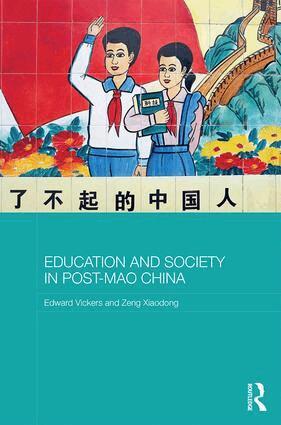
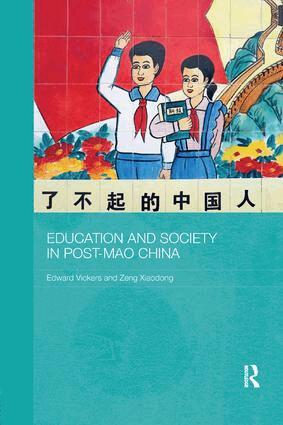
The post-Mao period has witnessed rapid social and economic transformation in all walks of Chinese life – much of it fuelled by, or reflected in, changes to the country’s education system. This book analyses the development of that system since the abandonment of radical Maoism and the inauguration of ‘Reform and Opening’ in the late 1970s.The principal focus is on formal education in schools and conventional institutions of tertiary education, but there is also some discussion of preschools, vocational training, and learning in non-formal contexts. The book begins with a discussion of the historical and comparative context for evaluating China’s educational ‘achievements’, followed by an extensive discussion of the key transitions in education policymaking during the ‘Reform and Opening’ period. This informs the subsequent examination of changes affecting the different phases of education from preschool to tertiary level. There are also chapters dealing specifically with the financing and administration of schooling, curriculum development, the public examinations system, the teaching profession, the phenomenon of marketisation, and the ‘international dimension’ of Chinese education. The book concludes with an assessment of the social consequences of educational change in the post-Mao era and a critical discussion of the recent fashion in certain Western countries for hailing China as an educational model. The analysis is supported by a wealth of sources – primary and secondary, textual and statistical – and is informed by both authors’ wide-ranging experience of Chinese education.As the first monograph on China's educational development during the forty years of the post-Mao era, this book will be essential reading for all those seeking to understand the world’s largest education system. It will also be crucial reference for educational comparativists, and for scholars from various disciplinary backgrounds researching contemporary Chinese society.
Inbunden, Engelska, 2011
2 190 kr
Skickas inom 10-15 vardagar
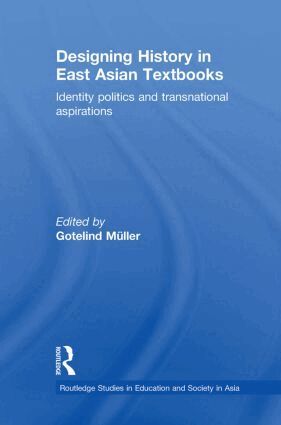
This book analyses the efforts throughout East Asia to deploy education for purposes of political socialization, and in particular in order to shape notions of identity. The chapters also examine the trend of ‘common textbook initiatives’, which have recently emerged in East Asia with the aim of helping to defuse tensions arguably fuelled by existing practices of mutual (mis)representation. These are analysed in relation to the East Asian political context, and compared with previous and ongoing endeavours in other parts of the world, particularly Europe, which have been keenly observed by East Asian practitioners. Written by a group of international education experts, chapters discuss the enduring focus on the role of curricula in inculcating homogenous visions of the national self, and indeed homogenized visions of significant 'others'. Including contributions from scholars and curriculum developers involved personally in the writing of national and multi-national history textbooks this book will be of interest to students and scholars of Asian education, Asian history and comparative education studies.Gotelind Müller is Professor of Chinese Studies, University of Heidelberg, Germany
Inbunden, Engelska, 2013
2 190 kr
Skickas inom 10-15 vardagar
Since the late 1970s, Sri Lanka has undergone a socio-economic transformation, from protectionism towards economic liberalisation and increasing integration into the world economy. Through a systematic comparison of these periods of economic change (1956–1977, and 1977 to the present), Angela W. Little and Siri T. Hettige examine the impact of this transformation on education, youth employment and equality of opportunity in Sri Lanka.The book charts Sri Lanka’s shift from a predominantly agricultural economy to one dominated by services and manufacturing, a reduction in unemployment, rising educational and occupational levels, expectations and achievements, and a reduction in poverty. In turn, it reveals a growing role for the private sector and foreign interests in post-secondary education and a modest growth in private education at the primary and secondary levels, as well as widening social disparities in access to qualifications, training and skills. The Sri Lankan experience of, and engagement with, globalisation has been tempered by a long-running ethnic conflict that hindered economic and social development and diverted considerable public funds into defence and war. Now that the war is ‘won’, the challenge is how to invest in human resource development and the fulfilment of the expectations of youth from all ethnic and social groups. This challenge requires serious policy analysis, the generation of more state revenues, the reallocation of existing public resources, and a political commitment to the winning of a sustainable peace and stability.This book makes an important contribution to the broader international literature on the implications of globalisation for education policy and practice, and to the interaction of exogenous and endogenous forces for educational change. It deals with the tension between the high social demand for education and the growing demand for specialised skills in a changing economy. As such, it has a wide interdisciplinary appeal across education policy and politics, Asian education, South Asian society, youth policy, sociology of education, political economy of social change, and globalisation.
Inbunden, Engelska, 2013
2 353 kr
Skickas inom 10-15 vardagar
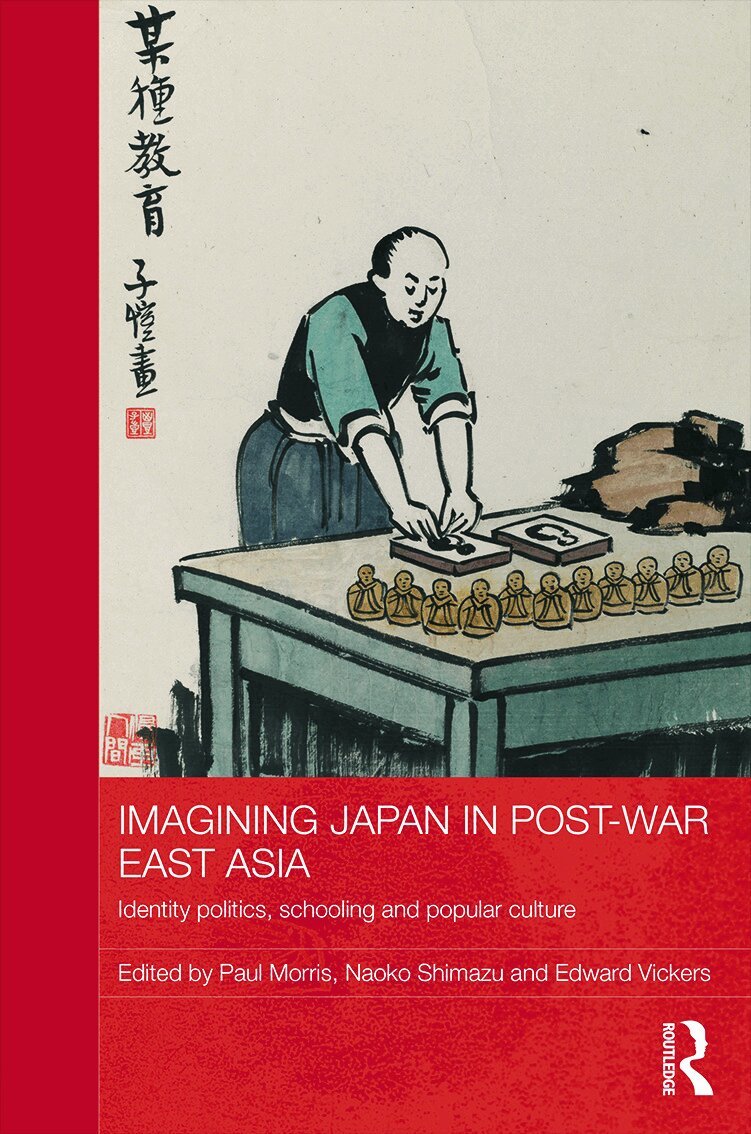
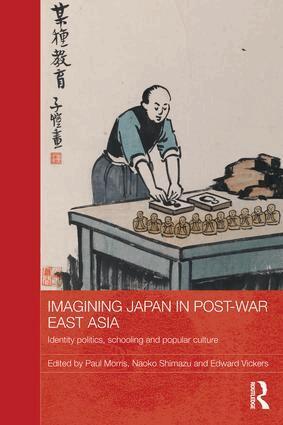
In the decades since her defeat in the Second World War, Japan has continued to loom large in the national imagination of many of her East Asian neighbours. While for many, Japan still conjures up images of rampant military brutality, at different times and in different communities, alternative images of the Japanese ‘Other’ have vied for predominance – in ways that remain poorly understood, not least within Japan itself.Imagining Japan in Postwar East Asia analyses the portrayal of Japan in the societies of East and Southeast Asia, and asks how and why this has changed in recent decades, and what these changing images of Japan reveal about the ways in which these societies construct their own identities. It examines the role played by an imagined ‘Japan’ in the construction of national selves across the East Asian region, as mediated through a broad range of media ranging from school curricula and textbooks to film, television, literature and comics. Commencing with an extensive thematic and comparative overview chapter, the volume also includes contributions focusing specifically on Chinese societies (the mainland PRC, Hong Kong and Taiwan), Korea, the Philippines, Malaysia and Singapore. These studies show how changes in the representation of Japan have been related to political, social and cultural shifts within the societies of East Asia – and in particular to the ways in which these societies have imagined or constructed their own identities.Bringing together contributors working in the fields of education, anthropology, history, sociology, political science and media studies, this interdisciplinary volume will be of interest to all students and scholars concerned with issues of identity, politics and culture in the societies of East Asia, and to those seeking a deeper understanding of Japan’s fraught relations with its regional neighbours.
Häftad, Engelska, 2013
757 kr
Skickas inom 10-15 vardagar
This book analyses the efforts throughout East Asia to deploy education for purposes of political socialization, and in particular in order to shape notions of identity. The chapters also examine the trend of ‘common textbook initiatives’, which have recently emerged in East Asia with the aim of helping to defuse tensions arguably fuelled by existing practices of mutual (mis)representation. These are analysed in relation to the East Asian political context, and compared with previous and ongoing endeavours in other parts of the world, particularly Europe, which have been keenly observed by East Asian practitioners. Written by a group of international education experts, chapters discuss the enduring focus on the role of curricula in inculcating homogenous visions of the national self, and indeed homogenized visions of significant 'others'. Including contributions from scholars and curriculum developers involved personally in the writing of national and multi-national history textbooks this book will be of interest to students and scholars of Asian education, Asian history and comparative education studies.Gotelind Müller is Professor of Chinese Studies, University of Heidelberg, Germany
Inbunden, Engelska, 2014
2 323 kr
Skickas inom 10-15 vardagar
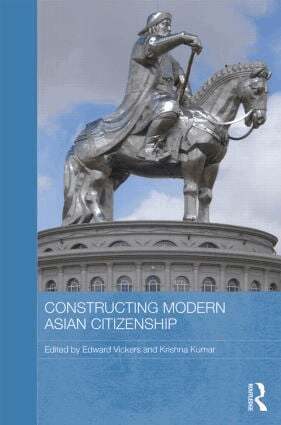
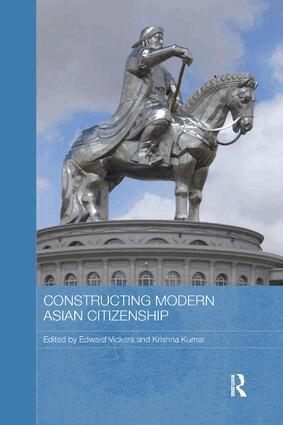
In many non-Western contexts, modernization has tended to be equated with Westernization, and hence with an abandonment of authentic indigenous identities and values. This is evident in the recent history of many Asian societies, where efforts to modernize – spurred on by the spectre of foreign domination – have often been accompanied by determined attempts to stamp national variants of modernity with the brand of local authenticity: ‘Asian values’, ‘Chinese characteristics’, a Japanese cultural ‘essence’ and so forth. Highlighting (or exaggerating) associations between the more unsettling consequences of modernization and alien influence has thus formed part of a strategy whereby elites in many Asian societies have sought to construct new forms of legitimacy for old patterns of dominance over the masses. The apparatus of modern systems of mass education, often inherited from colonial rulers, has been just one instrument in such campaigns of state legitimation.This book presents analyses of a range of contemporary projects of citizenship formation across Asia in order to identify those issues and concerns most central to Asian debates over the construction of modern identities. Its main focus is on schooling, but also examines other vehicles for citizenship-formation, such as museums and the internet; the role of religion (in particular Islam) in debates over citizenship and identity in certain Asian societies; and the relationship between state-centred identity discourses and the experience of increasingly ‘globalized’ elites. With chapters from an international team of contributors, this interdisciplinary volume will appeal to students and scholars of Asian culture and society, Asian education, comparative education and citizenship.
Inbunden, Engelska, 2024
2 024 kr
Skickas
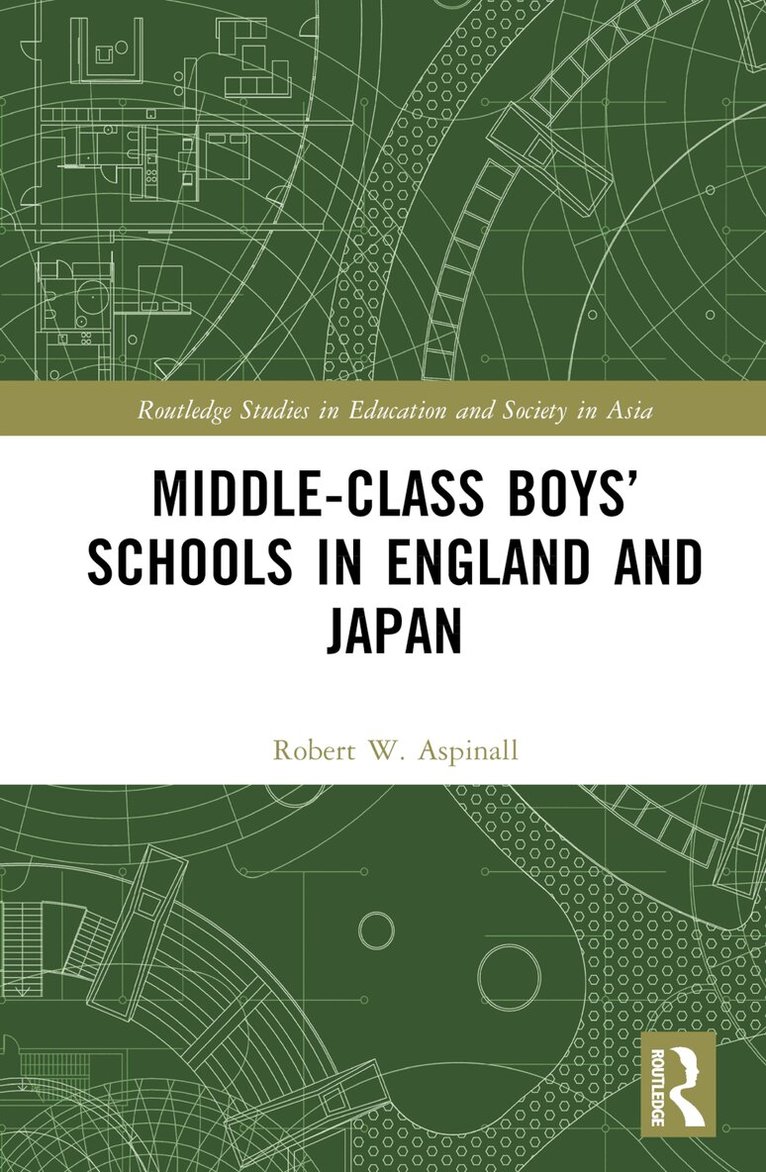
Drawing on the author’s own experience as a student and a teacher in England and Japan, this book is a comparative study of boys’ secondary schools in these two countries.By comparing two nations that are very different in their history, culture, and geographical location, and by focusing on schools that are affordable to the majority of the population, the analysis carried out in this book takes the onus away from money, national culture, and religion, allowing for a more insightful understanding of those elements of schooling, which prove essential to successful class reproduction and those that are contingent. The book also explores the experiences of boys who do not fit orthodox images of heterosexual masculinity, discussing their interaction with teenage subcultures which encourage non-conformity to middle-class norms.Representing a novel contribution to the understanding of the relationship between education, gender, and class, this book will be a valuable resource to scholars and students of education studies, Japanese studies, and the sociology of education.
Häftad, Engelska, 2026
634 kr
Skickas inom 5-8 vardagar
Drawing on the author’s own experience as a student and a teacher in England and Japan, this book is a comparative study of boys’ secondary schools in these two countries.By comparing two nations that are very different in their history, culture, and geographical location, and by focusing on schools that are affordable to the majority of the population, the analysis carried out in this book takes the onus away from money, national culture, and religion, allowing for a more insightful understanding of those elements of schooling, which prove essential to successful class reproduction and those that are contingent. The book also explores the experiences of boys who do not fit orthodox images of heterosexual masculinity, discussing their interaction with teenage subcultures which encourage non-conformity to middle-class norms.Representing a novel contribution to the understanding of the relationship between education, gender, and class, this book will be a valuable resource to scholars and students of education studies, Japanese studies, and the sociology of education.
Inbunden, Engelska, 2026
2 241 kr
Kommande
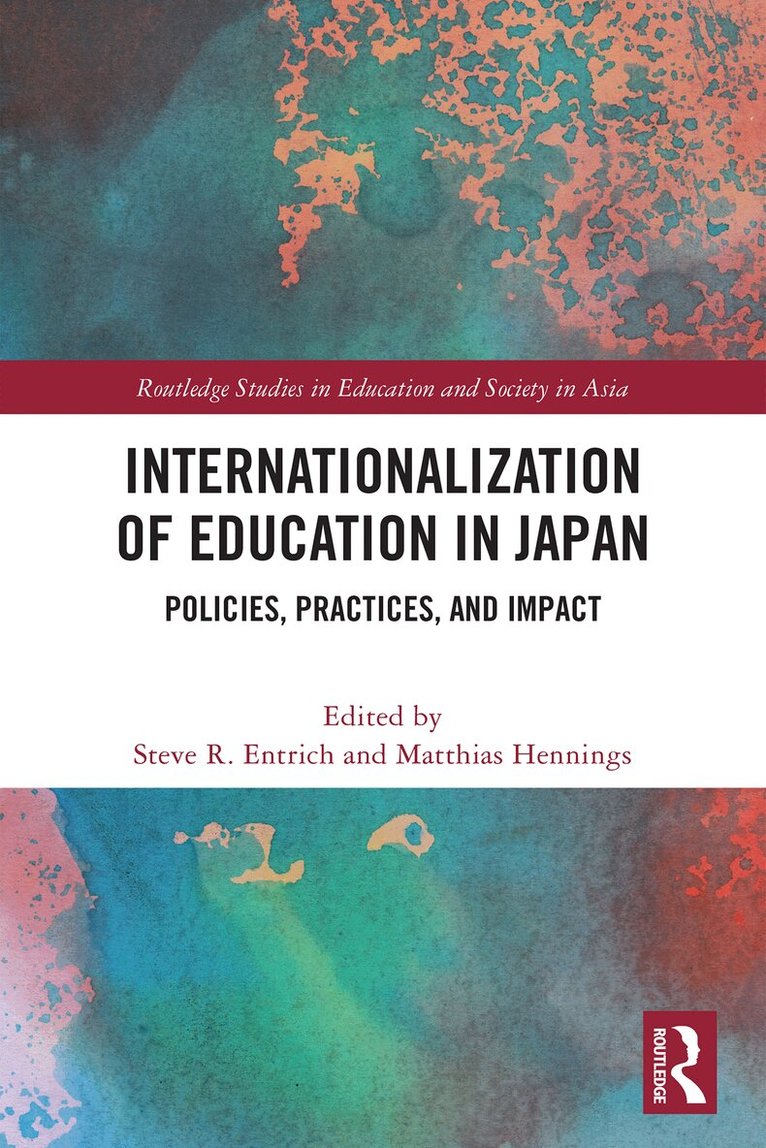
This book provides a comprehensive interdisciplinary analysis of the internationalization of education in Japan, examining how national efforts to cultivate global human resources reshape education, labor markets, and social inequality.Drawing on the concept of transnational human capital and a macro–micro–macro framework, the book brings together contributions that analyze policy discourse, institutional practices, mobility infrastructures, and individual life-course trajectories, demonstrating that internationalization is not a linear or purely policy-driven process, but one deeply embedded in Japan’s coordinated institutional context. By examining initiatives to promote internationalization in Japan, it reveals just how their outcomes remain uneven and contingent upon institutional recognition and labor market integration, highlighting that internationalization can both create new opportunities and reinforce existing inequalities. It advances current debates by highlighting the limits of mobility-centered approaches and calling for a shift toward more inclusive, institutionally integrated forms of internationalization that link global experiences to meaningful educational and social outcomes.Providing nuanced empirical and theoretical insights into the dynamics of globalization in a non-Western context, this book will be a valuable resource to scholars and students of sociology, education, and Japanese studies.
Inbunden, Engelska, 2018
2 121 kr
Skickas inom 10-15 vardagar
Although late to industrialize, East Asia has witnessed rapid development whilst maintaining some of the highest educational enrollment rates and indicators of academic achievement globally. From major players, such as China, to small city-states, such as Singapore, economic success and the growth of education have seemingly unfolded simultaneously. This book seeks to better understand the relationship between these powerful economies and their commitment to educational expansion.Exploring the universalization of upper secondary schooling, it assesses the social foundations of the region’s economic development. Chapters covering each of the countries of East Asia trace how upper secondary school functions as the support for the mass manufacturing labor force, which has been instrumental in East Asian economic expansion. These analyses then compare the experiences of the different nations along two major axes: the relationship between public and private provision and the balance between general and vocational tracks. Finally, the analyses go on to examine recent trends, including the slowing of social development and declining fertility, and ultimately asks, can East Asia maintain its world leading development and educational standards in coming decades? Combining a wealth of quantitative data and policy analyses, this book will be useful to students and scholars of Asian and international education.
Häftad, Engelska, 2015
812 kr
Skickas inom 10-15 vardagar
International comparisons of student achievement in mathematics, science, and reading have consistently shown that Japanese and Korean students outperform their peers in other parts of world. Understandably, this has attracted many policymakers and researchers seeking to emulate this success, but it has also attracted strong criticism and a range of misconceptions of the Japanese and Korean education system.Directly challenging these misconceptions, which are prevalent in both academic and public discourses, this book seeks to provide a more nuanced view of the Japanese and Korean education systems. This includes the idea that the highly standardized means of education makes outstanding students mediocre; that the emphasis on memorization leads to a lack of creativity and independent thinking; that students’ successes are a result of private supplementary education; and that the Japanese and Korean education systems are homogenous to the point of being one single system. Using empirical data Hyunjoon Park re-evaluates the strengths and weaknesses of the existing education systems in Japan and Korea and reveals whether the issues detailed above are real or unfounded and misinformed.Offering a balanced view of the evolving and complex nature of academic achievement among Japanese and Korean students, this book will appeal to students and scholars of Asian, international and comparative education, as well as those interested in Asian society more broadly.
Häftad, Engelska, 2015
853 kr
Skickas inom 10-15 vardagar
In the decades since her defeat in the Second World War, Japan has continued to loom large in the national imagination of many of her East Asian neighbours. While for many, Japan still conjures up images of rampant military brutality, at different times and in different communities, alternative images of the Japanese ‘Other’ have vied for predominance – in ways that remain poorly understood, not least within Japan itself.Imagining Japan in Postwar East Asia analyses the portrayal of Japan in the societies of East and Southeast Asia, and asks how and why this has changed in recent decades, and what these changing images of Japan reveal about the ways in which these societies construct their own identities. It examines the role played by an imagined ‘Japan’ in the construction of national selves across the East Asian region, as mediated through a broad range of media ranging from school curricula and textbooks to film, television, literature and comics. Commencing with an extensive thematic and comparative overview chapter, the volume also includes contributions focusing specifically on Chinese societies (the mainland PRC, Hong Kong and Taiwan), Korea, the Philippines, Malaysia and Singapore. These studies show how changes in the representation of Japan have been related to political, social and cultural shifts within the societies of East Asia – and in particular to the ways in which these societies have imagined or constructed their own identities.Bringing together contributors working in the fields of education, anthropology, history, sociology, political science and media studies, this interdisciplinary volume will be of interest to all students and scholars concerned with issues of identity, politics and culture in the societies of East Asia, and to those seeking a deeper understanding of Japan’s fraught relations with its regional neighbours.
Häftad, Engelska, 2017
730 kr
Skickas inom 10-15 vardagar
In many non-Western contexts, modernization has tended to be equated with Westernization, and hence with an abandonment of authentic indigenous identities and values. This is evident in the recent history of many Asian societies, where efforts to modernize – spurred on by the spectre of foreign domination – have often been accompanied by determined attempts to stamp national variants of modernity with the brand of local authenticity: ‘Asian values’, ‘Chinese characteristics’, a Japanese cultural ‘essence’ and so forth. Highlighting (or exaggerating) associations between the more unsettling consequences of modernization and alien influence has thus formed part of a strategy whereby elites in many Asian societies have sought to construct new forms of legitimacy for old patterns of dominance over the masses. The apparatus of modern systems of mass education, often inherited from colonial rulers, has been just one instrument in such campaigns of state legitimation.This book presents analyses of a range of contemporary projects of citizenship formation across Asia in order to identify those issues and concerns most central to Asian debates over the construction of modern identities. Its main focus is on schooling, but also examines other vehicles for citizenship-formation, such as museums and the internet; the role of religion (in particular Islam) in debates over citizenship and identity in certain Asian societies; and the relationship between state-centred identity discourses and the experience of increasingly ‘globalized’ elites. With chapters from an international team of contributors, this interdisciplinary volume will appeal to students and scholars of Asian culture and society, Asian education, comparative education and citizenship.
Häftad, Engelska, 2018
799 kr
Skickas inom 10-15 vardagar
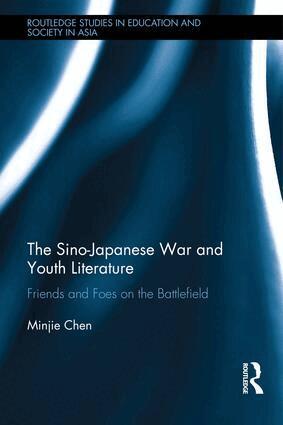
The Sino-Japanese War (1937 – 1945) was fought in the Asia-Pacific theatre between Imperial Japan and China, with the United States as the latter’s major military ally. An important line of investigation remains, questioning how the history of this war has been passed on to post-war generations’ consciousness, and how information sources, particularly those exposed to young people in their formative years, shape their knowledge and bias of the conflict as well as World War II more generally.This book is the first to focus on how the Sino-Japanese War has been represented in non-English and English sources for children and young adults. As a cross-cultural study and an interdisciplinary endeavour, it not only examines youth-orientated publications in China and the United States, but also draws upon popular culture, novelists’ memoirs, and family oral narratives to make comparisons between fiction and history, Chinese and American sources, and published materials and private memories of the war. Through quantitative narrative analysis, literary and visual analysis, and socio-political critique, it shows the dominant pattern of war stories, traces chronological changes over the seven decades from 1937 to 2007, and teases out the ways in which the history of the Sino-Japanese War has been constructed, censored, and utilized to serve shifting agendas.Providing a much needed examination of public memory, literary representation, and popular imagination of the Sino-Japanese War, this book will have huge interdisciplinary appeal, particularly for students and scholars of Asian history, literature, society and education.
Häftad, Engelska, 2018
716 kr
Skickas inom 10-15 vardagar
The post-Mao period has witnessed rapid social and economic transformation in all walks of Chinese life – much of it fuelled by, or reflected in, changes to the country’s education system. This book analyses the development of that system since the abandonment of radical Maoism and the inauguration of ‘Reform and Opening’ in the late 1970s.The principal focus is on formal education in schools and conventional institutions of tertiary education, but there is also some discussion of preschools, vocational training, and learning in non-formal contexts. The book begins with a discussion of the historical and comparative context for evaluating China’s educational ‘achievements’, followed by an extensive discussion of the key transitions in education policymaking during the ‘Reform and Opening’ period. This informs the subsequent examination of changes affecting the different phases of education from preschool to tertiary level. There are also chapters dealing specifically with the financing and administration of schooling, curriculum development, the public examinations system, the teaching profession, the phenomenon of marketisation, and the ‘international dimension’ of Chinese education. The book concludes with an assessment of the social consequences of educational change in the post-Mao era and a critical discussion of the recent fashion in certain Western countries for hailing China as an educational model. The analysis is supported by a wealth of sources – primary and secondary, textual and statistical – and is informed by both authors’ wide-ranging experience of Chinese education.As the first monograph on China's educational development during the forty years of the post-Mao era, this book will be essential reading for all those seeking to understand the world’s largest education system. It will also be crucial reference for educational comparativists, and for scholars from various disciplinary backgrounds researching contemporary Chinese society.
Häftad, Engelska, 2015
812 kr
Skickas inom 10-15 vardagar
Since the late 1970s, Sri Lanka has undergone a socio-economic transformation, from protectionism towards economic liberalisation and increasing integration into the world economy. Through a systematic comparison of these periods of economic change (1956–1977, and 1977 to the present), Angela W. Little and Siri T. Hettige examine the impact of this transformation on education, youth employment and equality of opportunity in Sri Lanka.The book charts Sri Lanka’s shift from a predominantly agricultural economy to one dominated by services and manufacturing, a reduction in unemployment, rising educational and occupational levels, expectations and achievements, and a reduction in poverty. In turn, it reveals a growing role for the private sector and foreign interests in post-secondary education and a modest growth in private education at the primary and secondary levels, as well as widening social disparities in access to qualifications, training and skills. The Sri Lankan experience of, and engagement with, globalisation has been tempered by a long-running ethnic conflict that hindered economic and social development and diverted considerable public funds into defence and war. Now that the war is ‘won’, the challenge is how to invest in human resource development and the fulfilment of the expectations of youth from all ethnic and social groups. This challenge requires serious policy analysis, the generation of more state revenues, the reallocation of existing public resources, and a political commitment to the winning of a sustainable peace and stability.This book makes an important contribution to the broader international literature on the implications of globalisation for education policy and practice, and to the interaction of exogenous and endogenous forces for educational change. It deals with the tension between the high social demand for education and the growing demand for specialised skills in a changing economy. As such, it has a wide interdisciplinary appeal across education policy and politics, Asian education, South Asian society, youth policy, sociology of education, political economy of social change, and globalisation.
Inbunden, Engelska, 2016
2 672 kr
Skickas inom 10-15 vardagar
The Sino-Japanese War (1937 – 1945) was fought in the Asia-Pacific theatre between Imperial Japan and China, with the United States as the latter’s major military ally. An important line of investigation remains, questioning how the history of this war has been passed on to post-war generations’ consciousness, and how information sources, particularly those exposed to young people in their formative years, shape their knowledge and bias of the conflict as well as World War II more generally.This book is the first to focus on how the Sino-Japanese War has been represented in non-English and English sources for children and young adults. As a cross-cultural study and an interdisciplinary endeavour, it not only examines youth-orientated publications in China and the United States, but also draws upon popular culture, novelists’ memoirs, and family oral narratives to make comparisons between fiction and history, Chinese and American sources, and published materials and private memories of the war. Through quantitative narrative analysis, literary and visual analysis, and socio-political critique, it shows the dominant pattern of war stories, traces chronological changes over the seven decades from 1937 to 2007, and teases out the ways in which the history of the Sino-Japanese War has been constructed, censored, and utilized to serve shifting agendas.Providing a much needed examination of public memory, literary representation, and popular imagination of the Sino-Japanese War, this book will have huge interdisciplinary appeal, particularly for students and scholars of Asian history, literature, society and education.