Serie Clásicos de América - Böcker
Visar alla böcker i serien Serie Clásicos de América. Handla med fri frakt och snabb leverans.
3 produkter
3 produkter
661 kr
Skickas inom 7-10 vardagar
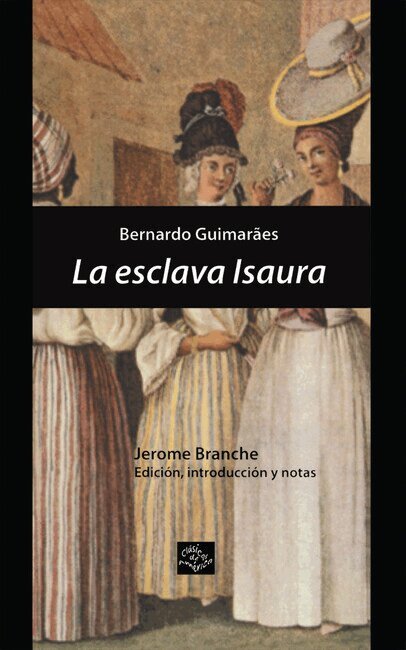
Esta novela de Guimarães narra la historia de emancipación de una mujer esclavizada en el Brasil del primer tercio del siglo XIX y es rescatada por un hombre de la élite que se enamora de ella. Reconocida como una de las pocas novelas de temática abolicionista en el Brasil decimonónico, La esclava Isaura (1875), avanza también la idea del derecho del individuo, aun el esclavizado, al amor y a la dignidad del espíritu, y protesta ante las ideas heredadas de la primacía social de la riqueza y el abolengo, temas que venían reivindicándose desde la literatura renacentista y que habían cobrado un mayor auge con la Ilustración. La contradicción que limita la proyección ideológica liberadora de esta obra de Guimarães, sin embargo, estriba en la temática racial y en la misma definición del abolicionismo. En cuanto el narrador enfatiza que la esclavitud que sufre su heroína mestiza es injusta porque ells es ‘demasiado blanca’ para ser esclavizada, revela una tácita aprobación de la naturalización de la relación entre los llamados negros y la subjetividad esclava. A pesar de su premisa abolicionista, el libro hace caso omiso de las grandes masas de esclavizados africanos y afrocriollos en Brasil. Esta toma de posición pone a Guimarães junto al resto de la intelectualidad brasileña decimonónica con respecto al tema de la esclavitud y contribuye a la narrativización fundacional de la nación.~This novel by Guimarães tells the story of the emancipation of an enslaved woman in Brazil in the first third of the 19th century and is rescued by a wealthy man who falls in love with her. Recognized as one of the few novels with an abolitionist theme in Brazil in the 19th century, La esclava Isaura (Isaura, the slave) (1875), also advances the idea of the right of the individual, even the enslaved, to love and the dignity of their spirit, and protests against the ideas inherited from the social primacy of wealth and ancestry, themes that had been claimed since the literature of the renaissance and that had gained greater momentum with the Enlightenment. The contradiction that limits the liberating ideological projection of this work by Guimarães, however, lies in the racial theme and in the very definition of abolitionism. As the narrator emphasises that the enslavement suffered by his mixed-race heroine is unjust because she is 'too white' to be enslaved, he reveals a tacit approval of the normalisation of the relationship between so-called blacks and slave subjectivity. Despite its abolitionist premise, the book ignores the great masses of enslaved Africans and Afro-Creoles in Brazil. This stance places Guimarães side by side with the rest of the 19th century Brazilian intellectuals regarding the issue of slavery and contributes to forming the founding narrative of the nation.
661 kr
Skickas inom 7-10 vardagar
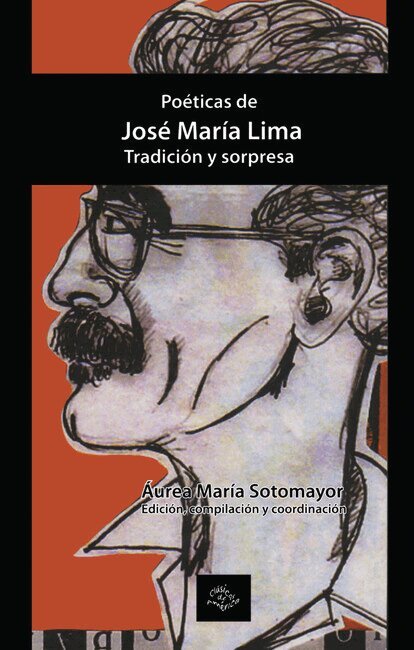
José María Lima (1934-2009), Puerto Rico, es una de las figuras claves de la poesía puertorriqueña y latinoamericana en el siglo XX. Matemático, ajedrecista, dibujante y poeta, inaugura un espacio poético inquietantemente revolucionario. Este volumen contiene diez entradas ensayísticas a su arte poético y a su personalidad de outsider, así como una excelente muestra de su obra poética y un índice cronológico de su poesía.Participan: Áurea María Sotomayor | Joserramón melendes | Juan Carlos Rodríguez | Francisco José Ramos | Mara Pastor | Juan Carlos Quintero Herencia | Elizam Escobar | Esteban Valdés Azrate | Rafael Ayala Hernández | Juan Carlos Quiñones | Rafael Acevedo~José María Lima (1934-2009), Puerto Rico, is one of the key figures of Puerto Rican and Latin American poetry in the 20th century. As a mathematician, chess player, cartoonist and poet, he starts a disturbingly revolutionary poetic space. This volume contains ten essays on his poetic art and his personality as an outsider, as well as an excellent sample of his poetic work and a chronological index of his poetry.Contributors: Áurea María Sotomayor | Joserramón melendes | Juan Carlos Rodríguez | Francisco José Ramos | Mara Pastor | Juan Carlos Quintero Herencia | Elizam Escobar | Esteban Valdés Azrate | Rafael Ayala Hernández | Juan Carlos Quiñones | Rafael Acevedo
661 kr
Skickas inom 7-10 vardagar
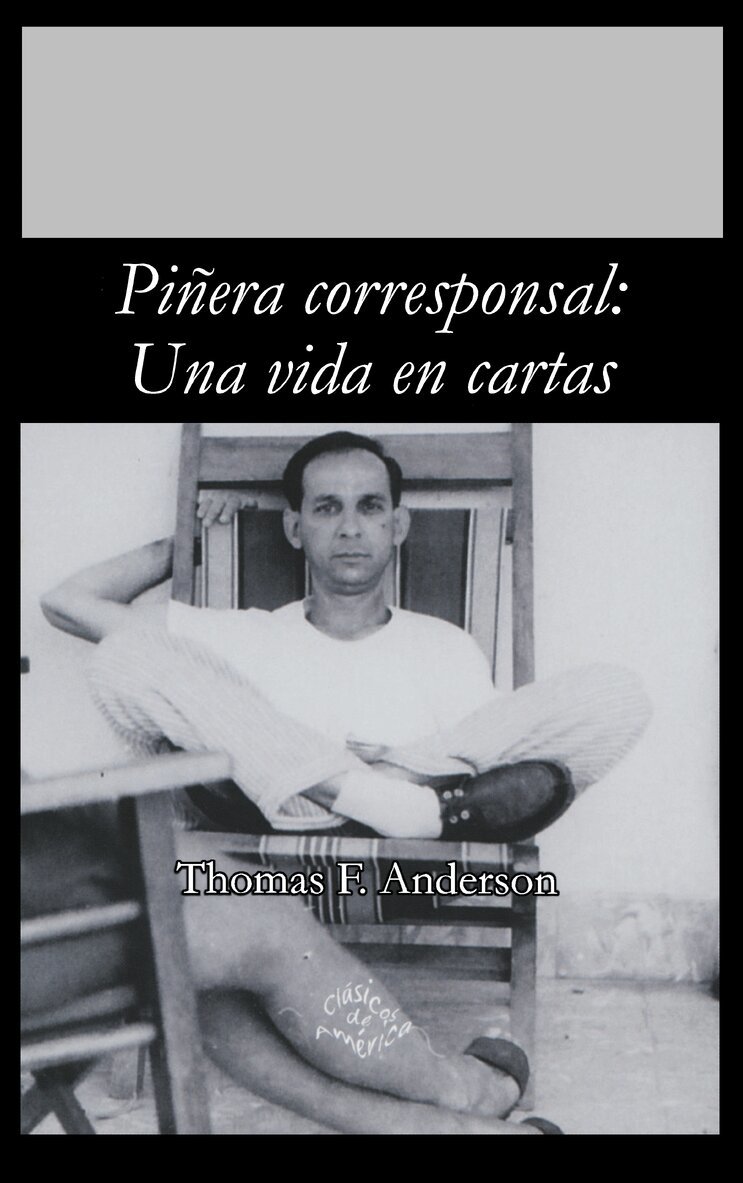
Esta novedosa edición destaca no sólo porque contiene las cartas que Piñera le envió a su compañero y confidente Humberto Rodríguez Tomeu entre 1958 y 1976, hasta ahora inéditas en su mayoría, sino por el prolijo ensayo introductorio de Thomas F. Anderson. Se instala aquí una perspectiva reveladora de una de las más originales e intrigantes voces de la literatura latinoamericana del siglo veinte. Se enfocan aspectos importantes del proceso intelectual y afectivo vivido por el autor cubano bajo el manto de un aparato cultural y policiaco que eventualmente lo marginó y silenció. Obtenemos una labor de edición, documentación e interpretación indispensable.~This novel edition stands out not only because it contains the letters that Piñera sent to his companion and confidant Humberto Rodríguez Tomeu between 1958 and 1976, most of which were unpublished until now, but also because of the lengthy introductory essay by Thomas F. Anderson. This text holds a revealing perspective of one of the most original and intriguing voices of Latin American literature of the 20th century. It clarifies important aspects of the intellectual and affective process lived by the Cuban author under the influence of cultural and police forces that eventually marginalised and silenced him. The editing, documenting and interpreting work in this text is essential.