Series in Human Security - Böcker
Visar alla böcker i serien Series in Human Security. Handla med fri frakt och snabb leverans.
7 produkter
7 produkter
845 kr
Skickas inom 7-10 vardagar
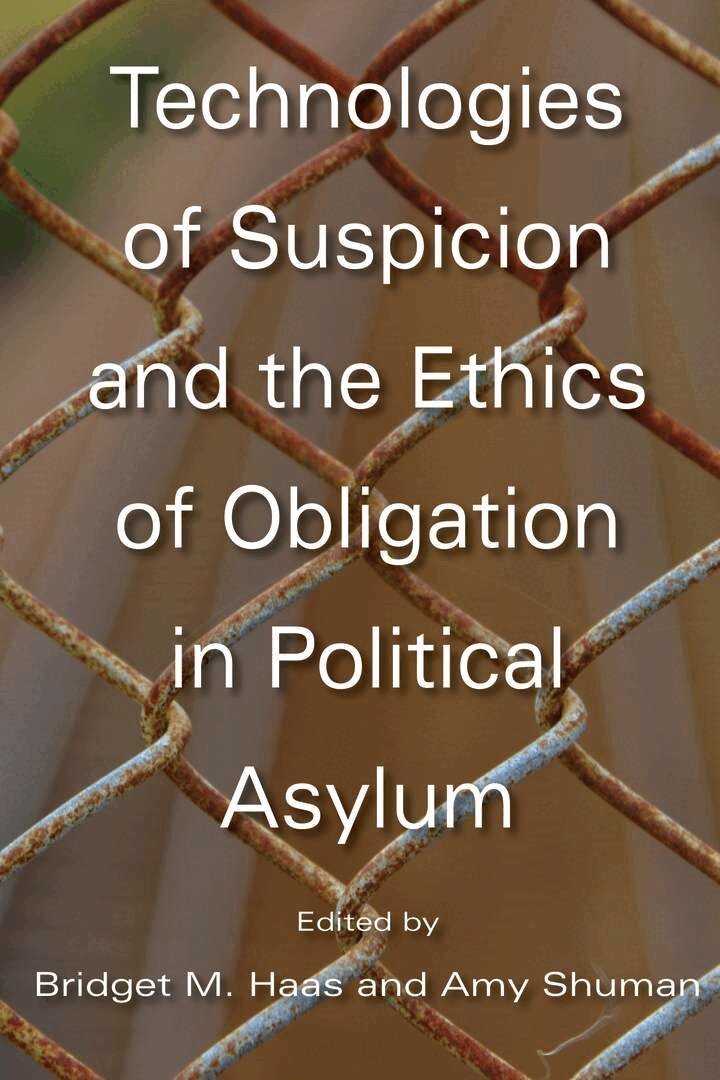
Across the globe, migration has been met with intensifying modes of criminalization and securitization, and claims for political asylum are increasingly met with suspicion. Asylum seekers have become the focus of global debates surrounding humanitarian obligations, on the one hand, and concerns surrounding national security and border control, on the other. In Technologies of Suspicion and the Ethics of Obligation in Political Asylum, contributors provide fine-tuned analyses of political asylum systems and the adjudication of asylum claims across a range of sociocultural and geopolitical contexts.The contributors to this timely volume, drawing on a variety of theoretical perspectives, offer critical insights into the processes by which tensions between humanitarianism and security are negotiated at the local level, often with negative consequences for asylum seekers. By investigating how a politics of suspicion within asylum systems is enacted in everyday practices and interactions, the authors illustrate how asylum seekers are often produced as suspicious subjects by the very systems to which they appeal for protection.Contributors: Ilil Benjamin, Carol Bohmer, Nadia El-Shaarawi, Bridget M. Haas, John Beard Haviland, Marco Jacquemet, Benjamin N. Lawrance, Rachel Lewis, Sara McKinnon, Amy Shuman, Charles Watters
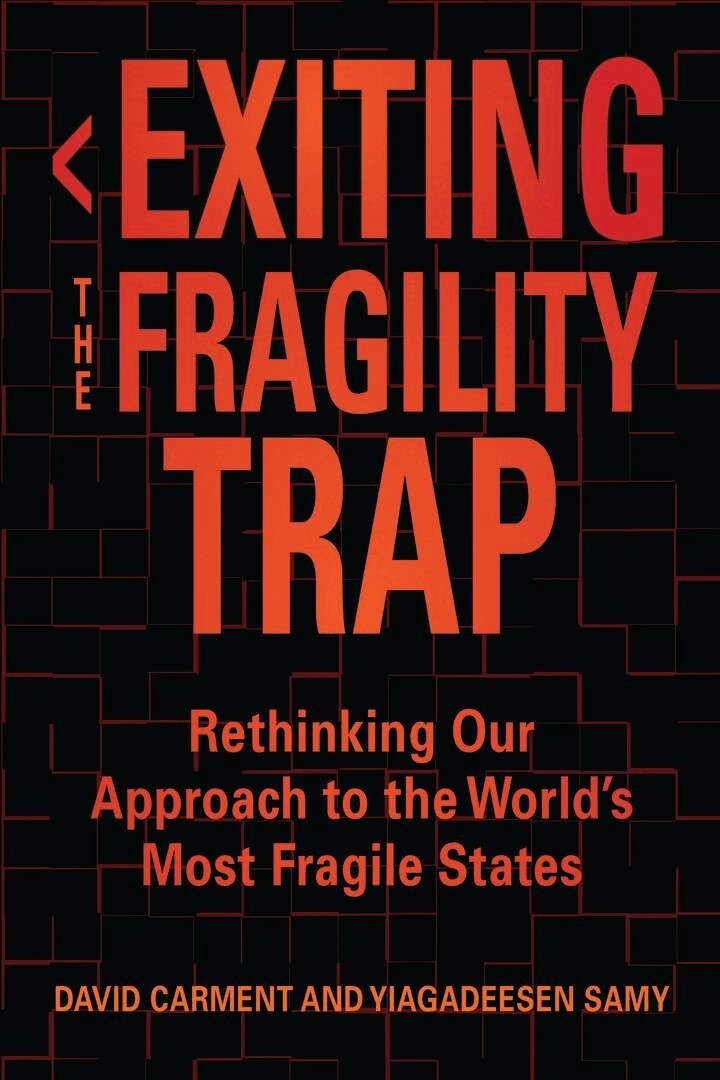
Exiting the Fragility Trap
Rethinking Our Approach to the World's Most Fragile States
Inbunden, Engelska, 2019
845 kr
Skickas inom 7-10 vardagar
State fragility is a much-debated yet underinvestigated concept in the development and international security worlds. Based on years of research as part of the Country Indicators for Foreign Policy project at Carleton University, Exiting the Fragility Trap marks a major step toward remedying the lack of research into the so-called fragility trap. In examining the nature and dynamics of state transitions in fragile contexts, with a special emphasis on states that are trapped in fragility, David Carment and Yiagadeesen Samy ask three questions: Why do some states remain stuck in a fragility trap? What lessons can we learn from those states that have successfully transitioned from fragility to stability and resilience? And how can third-party interventions support fragile state transitions toward resilience?Carment and Samy consider fragility's evolution in three state types: countries that are trapped, countries that move in and out of fragility, and countries that have exited fragility. Large-sample empirical analysis and six comparative case studies—Pakistan and Yemen (trapped countries), Mali and Laos (in-and-out countries), and Bangladesh and Mozambique (exited countries)—drive their investigation, which breaks ground toward a new understanding of why some countries fail to see sustained progress over time.
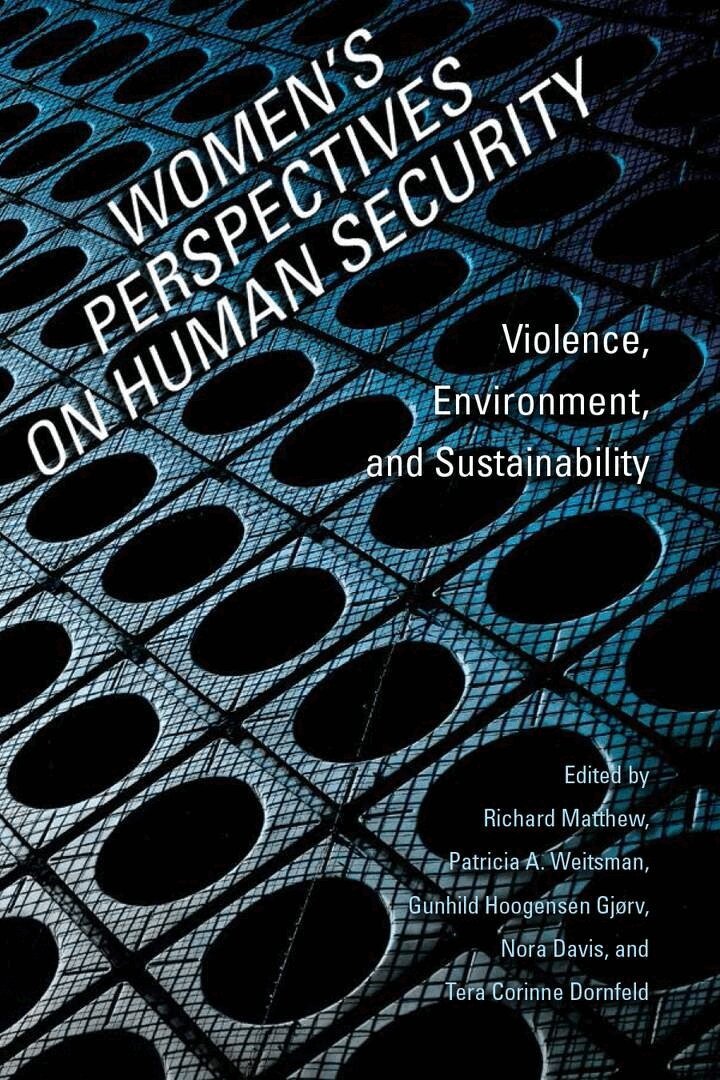
Women's Perspectives on Human Security
Violence, Environment, and Sustainability
Inbunden, Engelska, 2020
845 kr
Skickas inom 7-10 vardagar
Violent conflict, climate change, and poverty present distinct threats to women worldwide. Importantly, women are leading the way creating and sharing sustainable solutions.Women's security is a valuable analytical tool as well as a political agenda insofar as it addresses the specific problems affecting women's ability to live dignified, free, and secure lives. First, this collection focuses on how conflict impacts women's lives and well-being, including rape and gendered constructions of ethnicity, race, and religion. The book's second section looks beyond the scope of large-scale violence to examine human security in terms of environmental policy, food, water, health, and economics.Multidisciplinary in scope, these essays from new and established contributors draw from gender studies, international relations, criminology, political science, economics, sociology, biological and ecological sciences, and planning.
Exiting the Fragility Trap
Rethinking Our Approach to the World's Most Fragile States
Häftad, Engelska, 2021
334 kr
Skickas inom 7-10 vardagar
State fragility is a much-debated yet underinvestigated concept in the development and international security worlds. Based on years of research as part of the Country Indicators for Foreign Policy project at Carleton University, Exiting the Fragility Trap marks a major step toward remedying the lack of research into the so-called fragility trap. In examining the nature and dynamics of state transitions in fragile contexts, with a special emphasis on states that are trapped in fragility, David Carment and Yiagadeesen Samy ask three questions: Why do some states remain stuck in a fragility trap? What lessons can we learn from those states that have successfully transitioned from fragility to stability and resilience? And how can third-party interventions support fragile state transitions toward resilience?Carment and Samy consider fragility's evolution in three state types: countries that are trapped, countries that move in and out of fragility, and countries that have exited fragility. Large-sample empirical analysis and six comparative case studies—Pakistan and Yemen (trapped countries), Mali and Laos (in-and-out countries), and Bangladesh and Mozambique (exited countries)—drive their investigation, which breaks ground toward a new understanding of why some countries fail to see sustained progress over time.
871 kr
Skickas inom 7-10 vardagar
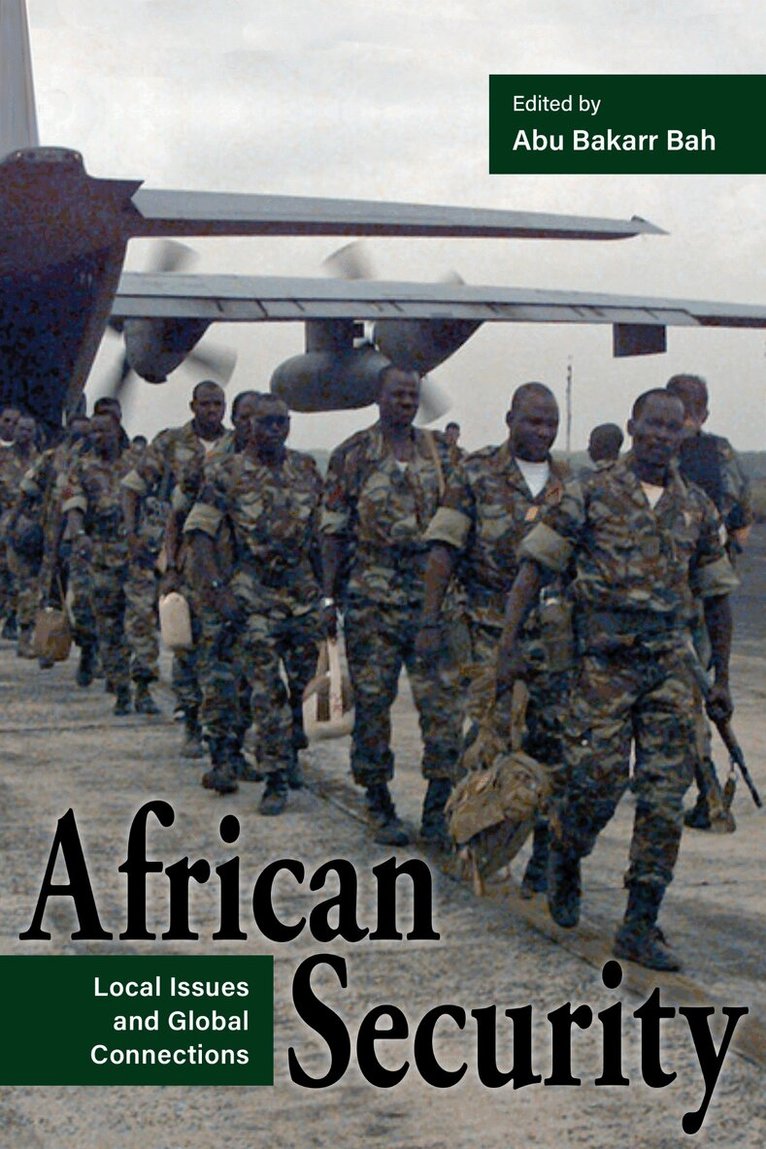
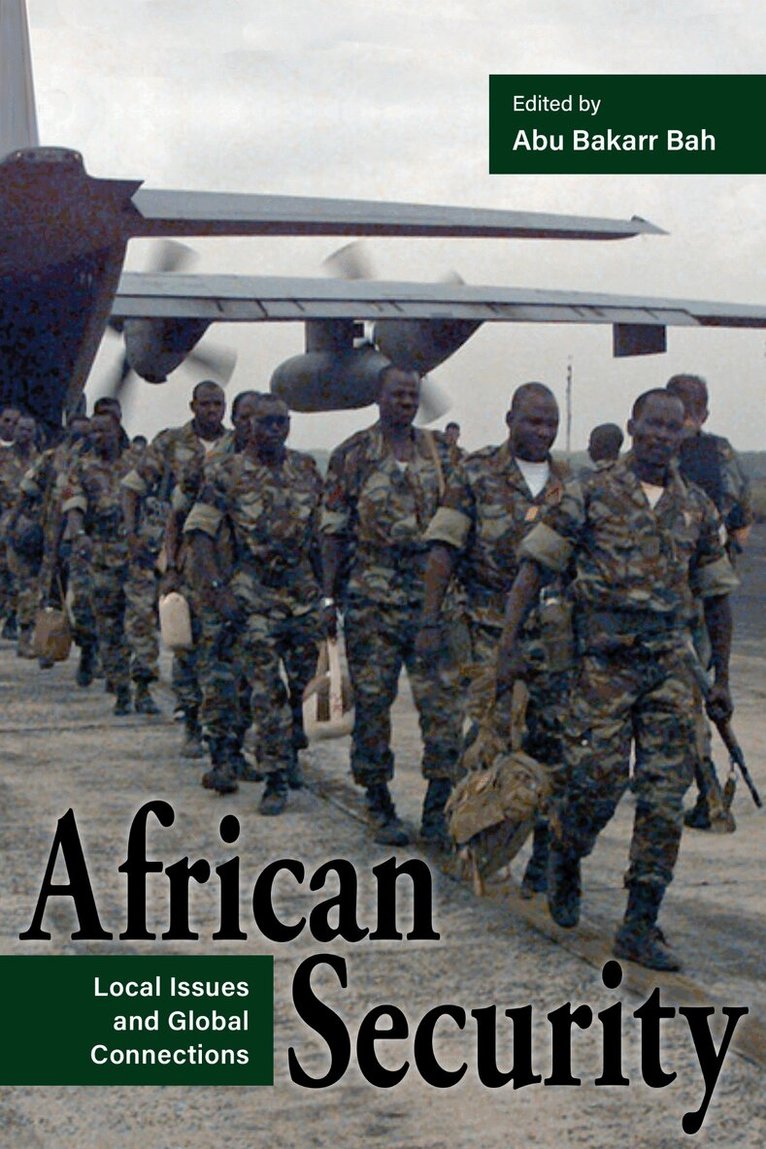
African Security: Local Issues and Global Connections provokes new ways of thinking about solutions to African security-solutions that consider the eclectic and sometimes disparate natures of African conflicts and that address both their domestic and their external dimensions. The book centers on the concept of glocalized security, which draws from sociological critiques that point to localization within globalization. This edited collection brings the concept of glocalization into African security studies by examining the fusion of domestic and external drivers of conflicts and how that relationship creates a glocalized security situation across Africa.The chapters in this volume engage the literature on domestic and external causes of conflicts in Africa, most notably issues of patrimonialism, ethnicity, natural resources, climate change, and geopolitics. These conflict drivers are woven in with known theories on security, such as neocolonialism, liberal peace, responsibility to protect (R2P), and collective security. The book presents rich qualitative and historical data, convincingly analyzed and theorized.Contributors: Folahanmi Aina, Alfred Babo, Abu Bakarr Bah, Noamane Cherkaoui, Nikolas Emmanuel, Tenley K. Erickson, John Mwangi Githigaro, Michael Nwankpa, Norman Sempijja, and Akram Zaoui
371 kr
Skickas inom 7-10 vardagar
African Security: Local Issues and Global Connections provokes new ways of thinking about solutions to African security-solutions that consider the eclectic and sometimes disparate natures of African conflicts and that address both their domestic and their external dimensions. The book centers on the concept of glocalized security, which draws from sociological critiques that point to localization within globalization. This edited collection brings the concept of glocalization into African security studies by examining the fusion of domestic and external drivers of conflicts and how that relationship creates a glocalized security situation across Africa.The chapters in this volume engage the literature on domestic and external causes of conflicts in Africa, most notably issues of patrimonialism, ethnicity, natural resources, climate change, and geopolitics. These conflict drivers are woven in with known theories on security, such as neocolonialism, liberal peace, responsibility to protect (R2P), and collective security. The book presents rich qualitative and historical data, convincingly analyzed and theorized.Contributors: Folahanmi Aina, Alfred Babo, Abu Bakarr Bah, Noamane Cherkaoui, Nikolas Emmanuel, Tenley K. Erickson, John Mwangi Githigaro, Michael Nwankpa, Norman Sempijja, and Akram Zaoui
Unraveling of Civil Society
Peacebuilding, Health Crises, and Aid in Twenty-First-Century Guinea and Sierra Leone
Inbunden, Engelska, 2026
875 kr
Kommande
In recent years, the capacity of civil society to respond to crises has been increasingly constrained by rising authoritarianism. Yet in West Africa, where civil society has historically played a pivotal role in democratization, this trend reveals deeper structural challenges. Unraveling of Civil Society examines how international aid strategies emphasizing technical capacity and professionalization have inadvertently contributed to the politicization and fragmentation of civil society in Guinea and Sierra Leone.Drawing on extensive fieldwork-including interviews with representatives of more than a hundred locally led organizations, analysis of 260 strategic plans, and collection of cross-national survey data-this book offers a rare longitudinal and comparative study of civil society in the region. It traces how donor-driven models have led organizations to become sector specific, mimic donor institutions, or align with political interests-ultimately reducing organizational diversity and weakening the social infrastructure necessary for collective action and crisis resilience.The book situates these findings within broader debates on democratic backsliding, noting that three of the nine countries that transitioned to autocracy between 2021 and 2023-Guinea, Chad, and Mali-are in West Africa. Despite significant international investment, “coup culture” and unconstitutional power shifts have resurged, raising urgent questions about the effectiveness of aid and the role of civil society in sustaining democratic norms.Combining comparative historical analysis with a mixed-methods approach, Unraveling of Civil Society challenges prevailing assumptions about capacity building and offers practical recommendations for democratizing local organizations from within. It advocates for participatory governance and funding mechanisms and engages with ongoing conversations around the localization and decolonization of aid in a shifting geopolitical landscape.This book is essential reading for scholars of African studies, political science, development studies, and global civil society as well as for practitioners in crisis management and political reform.