Southern Women: Their Lives and Times Ser. – serie
614 kr
Läs direkt efter köp
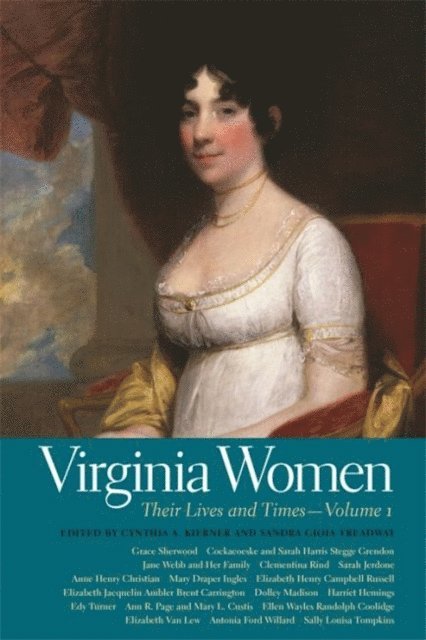
Virginia Women is the first of two volumes exploring the history of Virginia women through the lives of exemplary and remarkable individuals. This collection of seventeen essays, written by established and emerging scholars, recovers the stories and voices of a diverse group of women, from the seventeenth century through the Civil War era. Placing their subjects in their larger historical contexts, the authors show how the experiences of Virginia women varied by race, class, age, and marital status, and also across both space and time.Some essays examine the lives of well-known women—such as First Lady Dolley Madison—from a new perspective. Others introduce readers to relatively obscure historical figures: the convicted witch Grace Sherwood; the colonial printer Clementina Rind; Harriet Hemings, the enslaved daughter of Thomas Jefferson. Essays on the frontier heroine Mary Draper Ingles and the Civil War spy Elizabeth Van Lew examine the real women behind the legends. Altogether, the essays in this collection offer readers an engaging and personal window onto the experiences of women in the Old Dominion.
592 kr
Läs direkt efter köp
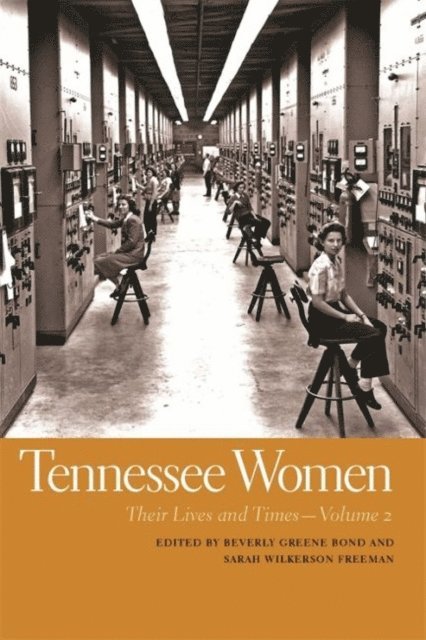
The second volume of Tennessee Women: Their Lives and Times contains sixteen essays on Tennessee women in the forefront of the political, economic, and cultural history of the state and assesses the national and sometimes international scope of their influence. The essays examine women’s lives in the broad sweep of nineteenth- and twentiethcentury history in Tennessee and reenvision the state’s past by placing them at the center of the historical stage and examining their experiences in relation to significant events. Together, volumes 1 and 2 cover women’s activities from the early 1700s to the late 1900s.Volume 2 looks at antebellum issues of gender, race, and class; the impact of the Civil War on women’s lives; parades and public celebrations as venues for displaying and challenging gender ideals; female activism on racial and gender issues; the impact of state legislation on marital rights; and the place of women in particular religious organizations. Together these essays reorient our views of women as agents of change in Tennessee history.
592 kr
Läs direkt efter köp
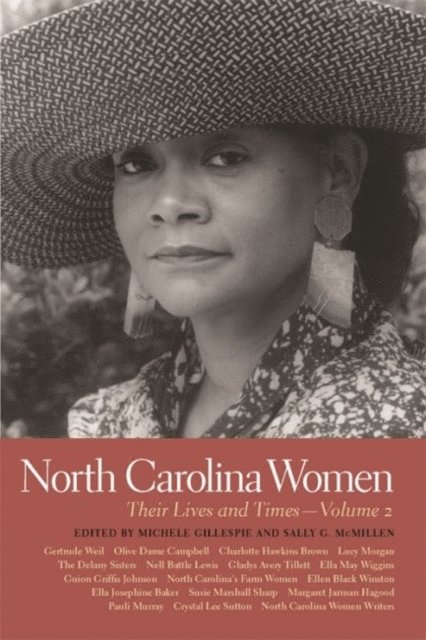
By the twentieth century, North Carolina’s progressive streak had strengthened, thanks in large part to a growing number of women who engaged in and influenced state and national policies and politics. These women included Gertrude Weil who fought tirelessly for the Nineteenth Amendment, which extended suffrage to women, and founded the state chapter of the League of Women Voters once the amendment was ratified in 1920. Gladys Avery Tillett, an ardent Democrat and supporter of Roosevelt''s New Deal, became a major presence in her party at both the state and national levels. Guion Griffis Johnson turned to volunteer work in the postwar years, becoming one of the state''s most prominent female civic leaders. Through her excellent education, keen legal mind, and family prominence, Susie Sharp in 1949 became the first woman judge in North Carolina and in 1974 the first woman in the nation to be elected and serve as chief justice of a state supreme court. Throughout her life, the Reverend Dr. Anna Pauline "Pauli" Murray charted a religious, literary, and political path to racial reconciliation on both a national stage and in North Carolina.This is the second of two volumes that together explore the diverse and changing patterns of North Carolina women''s lives. The essays in this volume cover the period beginning with women born in the late nineteenth and early twentieth centuries but who made their greatest contributions to the social, political, cultural, legal, and economic life of the state during the late progressive era through the late twentieth century.
1 929 kr
Läs direkt efter köp
This second of two volumes continues the exploration of the history of Virginia women through the lives of exemplary and remarkable individuals. Seventeen essays written by established and emerging scholars recover the stories and voices of a diverse group of women, from the transition from slavery to freedom in the period following the Civil War through the struggle to secure rights for gay and lesbian women in the late twentieth century. Placing their subjects in their larger historical contexts, the authors show how the experiences of Virginia women varied by race, class, age, and marital status, and also across both space and time.Some essays examine the lives of well-known women—such as Ellen Glasgow and Patsy Cline—from a new perspective. Others introduce readers to historical figures who are less familiar: freedmen schoolteacher Caroline Putnam; reformer Orra Gray Langhorne; Sadie Heath Cabaniss, the founder of professional nursing in Virginia; and Marie Kimball, an early preservationist. Essays on cotton textile workers in the late nineteenth century and home demonstration agents in the early twentieth examine women’s collective experiences in these important areas. Altogether, the essays in this collection offer readers an engaging and personal window into the experiences of women in the Old Dominion.