Stanford Series in Philosophy - Böcker
Visar alla böcker i serien Stanford Series in Philosophy. Handla med fri frakt och snabb leverans.
9 produkter
9 produkter
386 kr
Skickas inom 7-10 vardagar
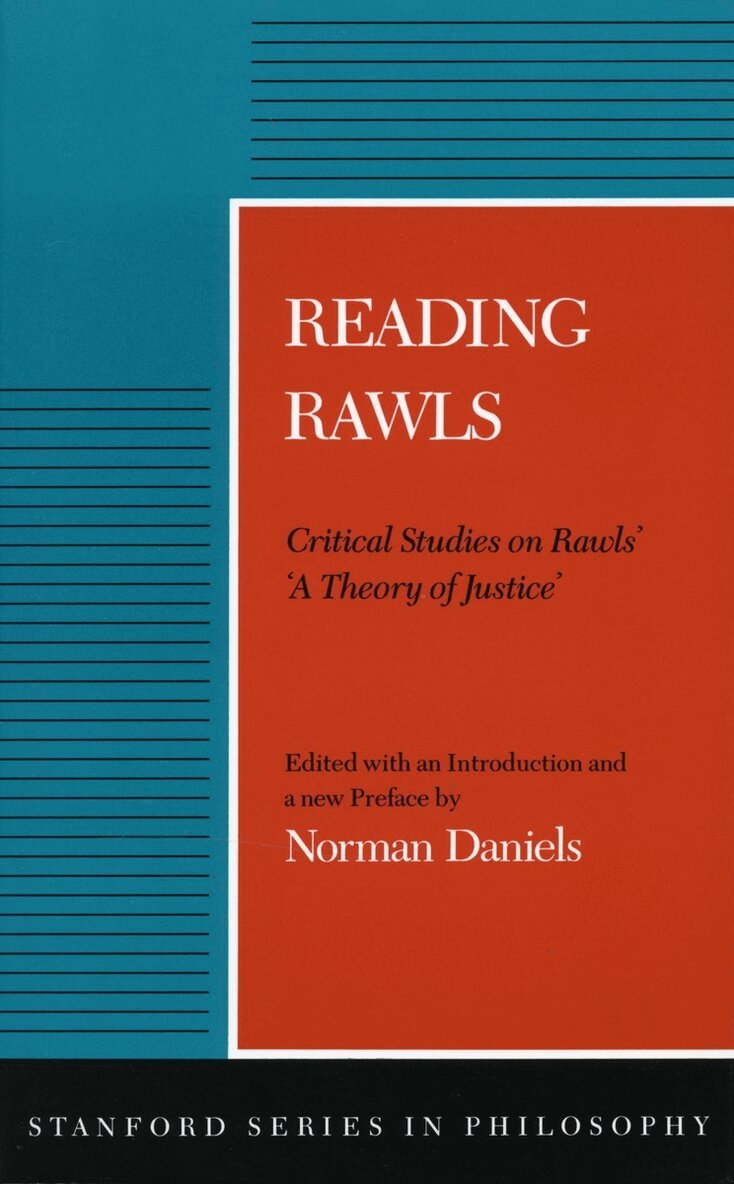
First published in 1975, this collection includes many of the best critical responses to John Rawls' A Theory of Justice, and the editor has elected to reissue the book without making any substitutions. As he argues in his new preface, the variety of issues raise in the original papers has been a major part of the book's appeal. He also acknowledges that no modest revision of this book could pretend to respond adequately to the considerable elaboration and evolution of Rawls' theory in the last fifteen years.Political philosophy has been one of the most exciting areas of philosophical activity in the years since A Theory of Justice, and much of that activity has been a response to Rawls' work. In his preface, the editor suggests how some of the insights and criticisms contained in the collection have had a bearing on developments in Rawls' theory and in political philosophy more generally, and that fresh reading of each of them reveals additional important points that have not yet received adequate attention.The contributors are: Benjamin Barber, Norman Daniels, Gerald Dworkin, Ronald Dworkin, Joel Feinberg, Milton Fisk, R.M. Hare, H.L.A. Hart, David Lyons, Frank Michelman, Richard Miller, Thomas Nagel, T.M. Scanlon, and A.K. Sen.
844 kr
Skickas inom 7-10 vardagar
A Stanford University Press classic.
1 386 kr
Skickas inom 10-15 vardagar
A Stanford University Press classic.
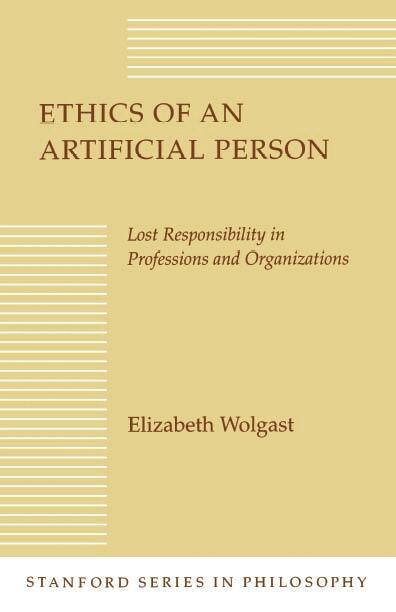
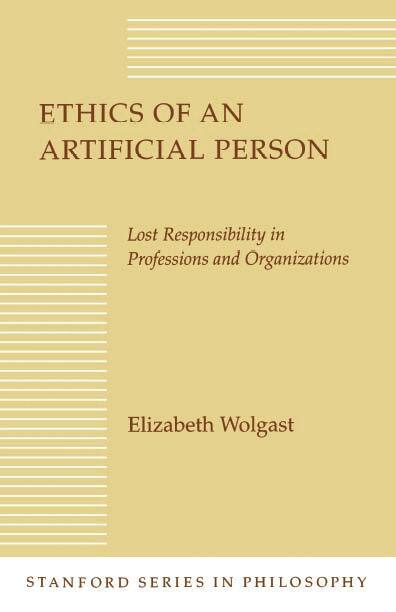
Ethics of an Artificial Person
Lost Responsibility in Professions and Organizations
Inbunden, Engelska, 1992
1 158 kr
Skickas inom 7-10 vardagar
A Stanford University Press classic.
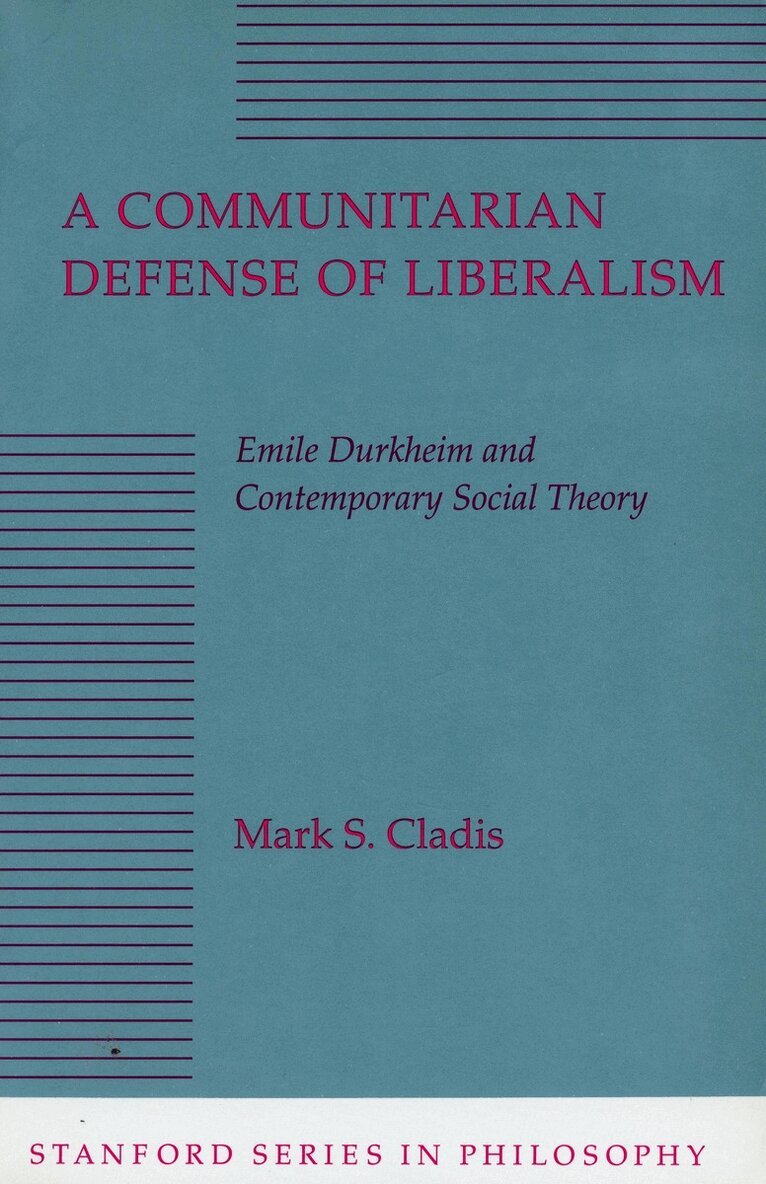
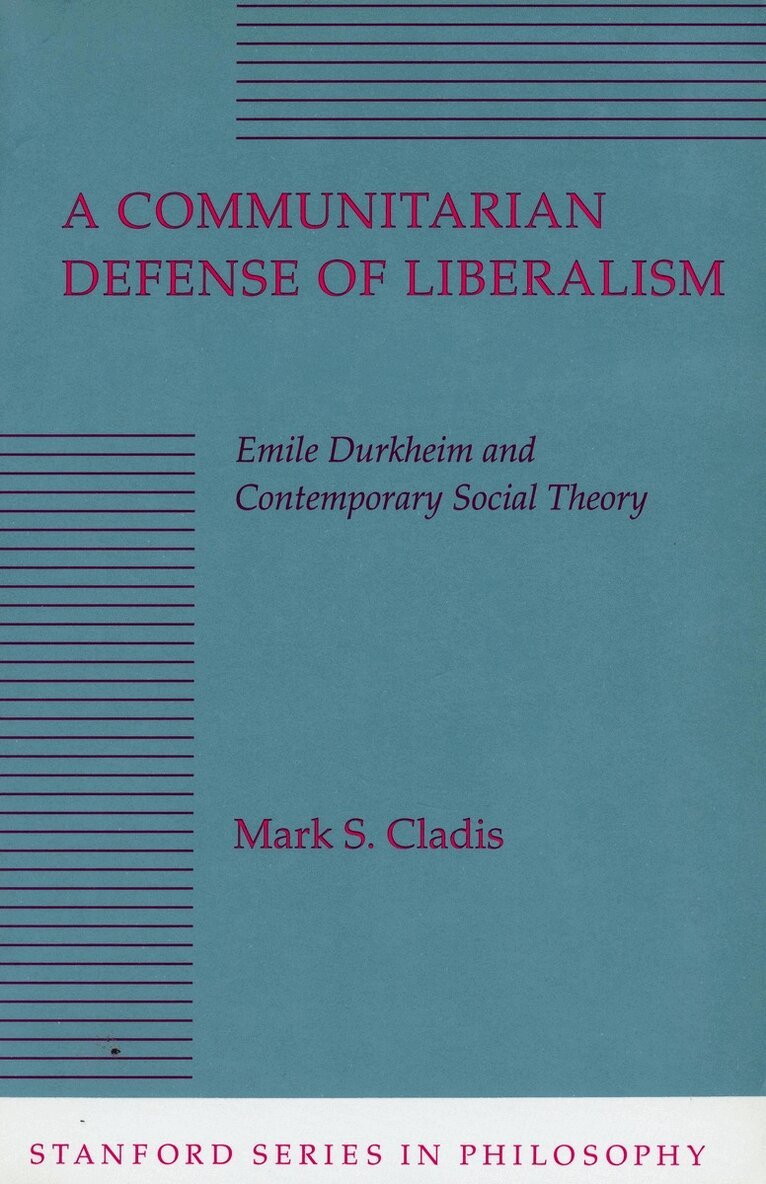
Communitarian Defense of Liberalism
Emile Durkheim and Contemporary Social Theory
Inbunden, Engelska, 1992
1 492 kr
Skickas inom 10-15 vardagar
'Community, ' 'tradition, ' 'the individual', stand out prominently in today's intellectual landscape. In social and political theory and in religious studies they figure in the ongoing debates between liberals (champions of the individual) and communitarians (champions of the common good). With these debates and their potential conflict in mind, the author has constructed a timely reading of Emile Durkheim that captures the benefits associated with both liberalism and communitarianism. The book explores fundamental issues concerning freedom, rights, authority, public moral education, the relation between the public and the private, and the role of social criticism in democracies. Isolating the merits and liabilities of both liberal and communitarian theories, the author demonstrates that we need not be in the position of having to choose between them.
1 705 kr
Skickas inom 10-15 vardagar
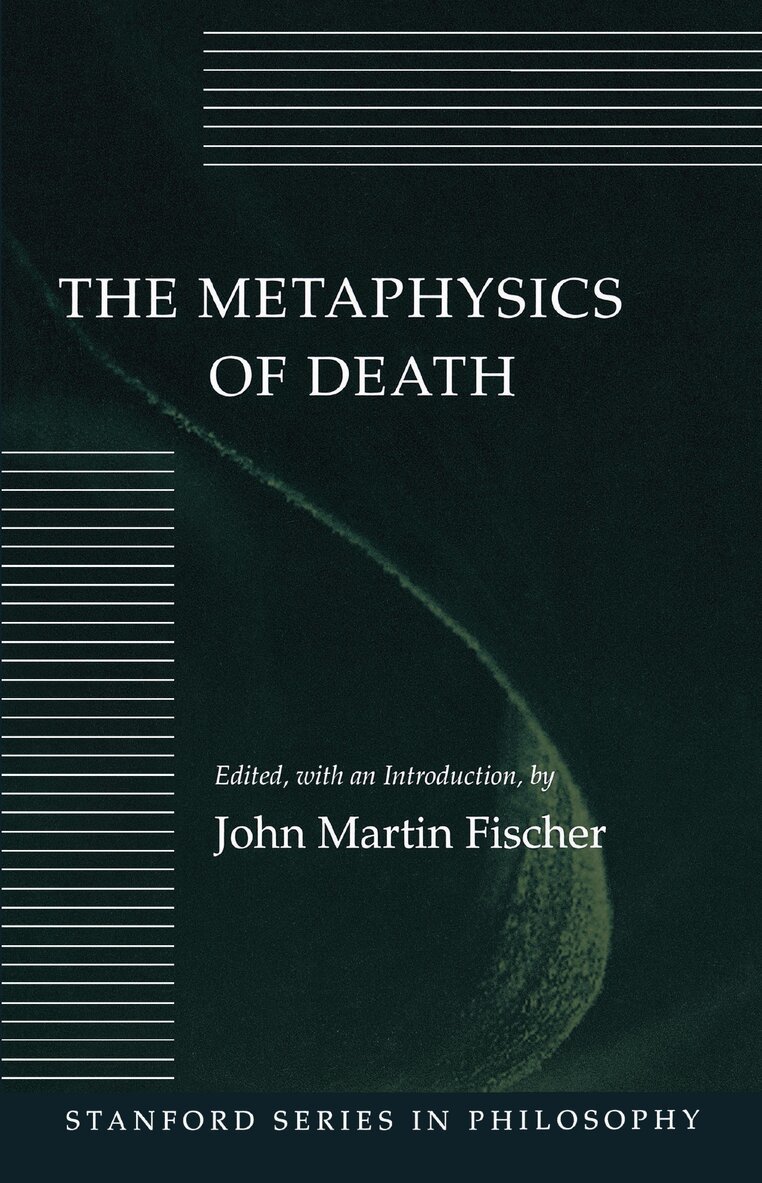
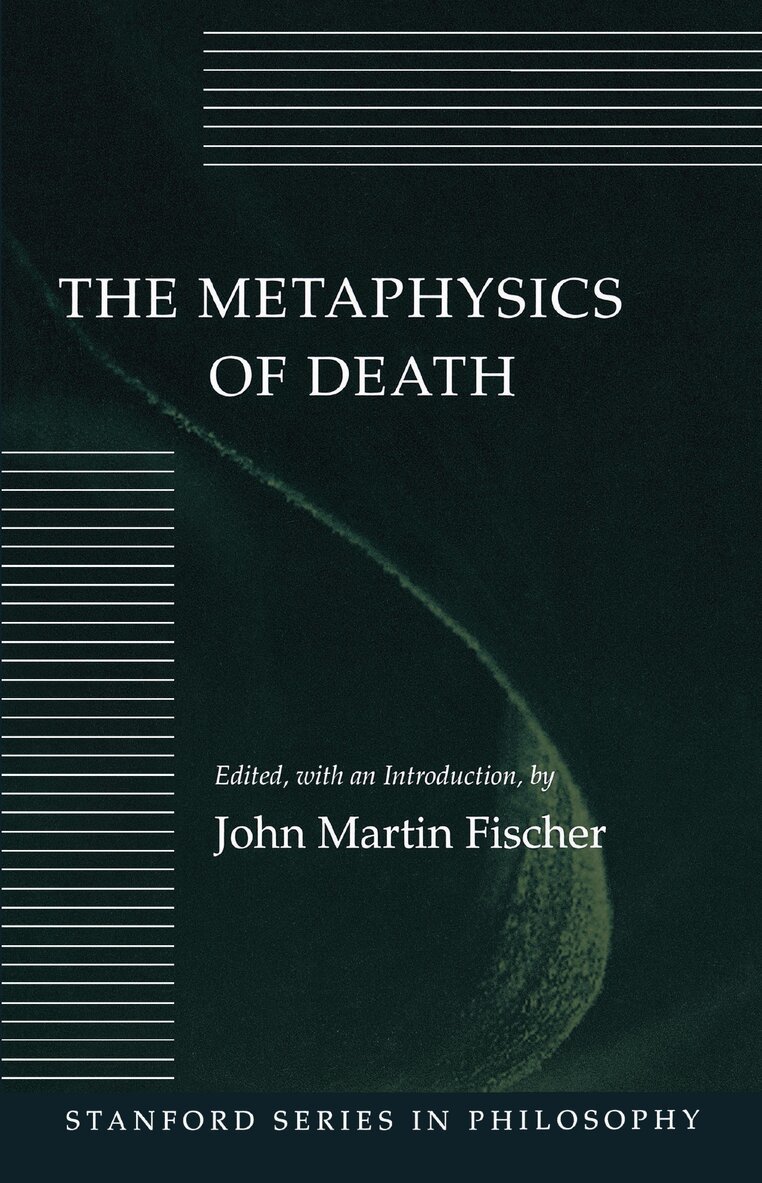
This collection of seventeen essays deals with the metaphysical, as opposed to the moral issues pertaining to death. For example, the authors investigate (among other things) the issue of what makes death a bad thing for an individual, if indeed death is a bad thing. This issue is more basic and abstract than such moral questions as the particular conditions under which euthanasia is justified, if it is ever justified.Though there are important connections between the more abstract questions addressed in this book and many contemporary moral issues, such as euthanasia, suicide, and abortion, the primary focus of this book is on metaphysical issues concerning the nature of death: What is the nature of the harm or bad involved in death? (If it is not pain, wha is it, and how can it be bad?) Who is the subject of the harm or bad? (if the person is no longer alive, how can he be the subject of the bad? An if he is not the subject, who is? Can one have harm with no subject?) When does the harm take place? (Can a harm take place after its subject ceases to exist? If death harms a person, can the harm take place before the death occurs?) If death can be a bad thing, would immorality be a desirable alternative? This family of questions helps to fram ethe puzzle of why—and how—death is bad.Other subjects addressed include the Epicurean view othat death is not a misfortune (for the person who dies); the nature of misfortune and benefit; the meaningulness and value of life; and the distinction between the life of a person and the life of a living creature who is not a person. There is an extensive bibiography that includes science-fiction treatments of death and immorality.
Ethics of an Artificial Person
Lost Responsibility in Professions and Organizations
Häftad, Engelska, 1992
283 kr
Skickas inom 7-10 vardagar
A Stanford University Press classic.
412 kr
Skickas inom 7-10 vardagar
This collection of seventeen essays deals with the metaphysical, as opposed to the moral issues pertaining to death. For example, the authors investigate (among other things) the issue of what makes death a bad thing for an individual, if indeed death is a bad thing. This issue is more basic and abstract than such moral questions as the particular conditions under which euthanasia is justified, if it is ever justified.Though there are important connections between the more abstract questions addressed in this book and many contemporary moral issues, such as euthanasia, suicide, and abortion, the primary focus of this book is on metaphysical issues concerning the nature of death: What is the nature of the harm or bad involved in death? (If it is not pain, wha is it, and how can it be bad?) Who is the subject of the harm or bad? (if the person is no longer alive, how can he be the subject of the bad? An if he is not the subject, who is? Can one have harm with no subject?) When does the harm take place? (Can a harm take place after its subject ceases to exist? If death harms a person, can the harm take place before the death occurs?) If death can be a bad thing, would immorality be a desirable alternative? This family of questions helps to fram ethe puzzle of why—and how—death is bad.Other subjects addressed include the Epicurean view othat death is not a misfortune (for the person who dies); the nature of misfortune and benefit; the meaningulness and value of life; and the distinction between the life of a person and the life of a living creature who is not a person. There is an extensive bibiography that includes science-fiction treatments of death and immorality.
321 kr
Skickas inom 7-10 vardagar
A Stanford University Press classic.