Stone Art Theory Institutes – serie
Visar alla böcker i serien Stone Art Theory Institutes. Handla med fri frakt och snabb leverans.
8 produkter
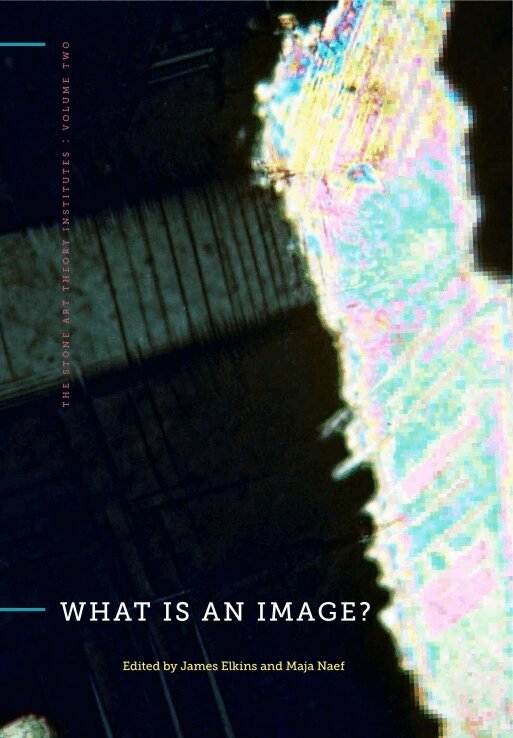
What Is an Image?
Inbunden, 2012
1094 kr
Lägg i varukorg
What Is an Image? raises the stakes for writing in art history, visual studies, art theory, and art criticism by questioning one of the most fundamental terms of all, the image or picture. This innovative collection gathers some of the most influential historians and theorists working on images to …
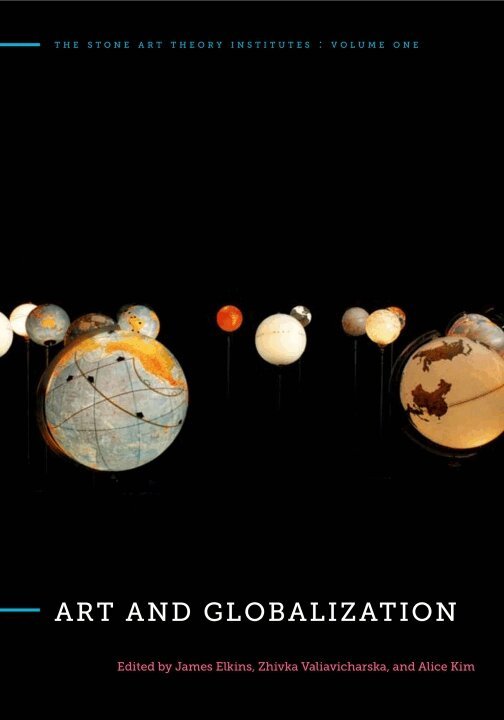
Art and Globalization
Av James Elkins, Zhivka Valiavicharska m. fl.
Häftad, 2010
506 kr
Lägg i varukorg
The “biennale culture” now determines much of the art world. Literature on the worldwide dissemination of art assumes nationalism and ethnic identity, but rarely analyzes it. At the same time there is extensive theorizing about globalization in political theory, cultural studies, postcolonial …
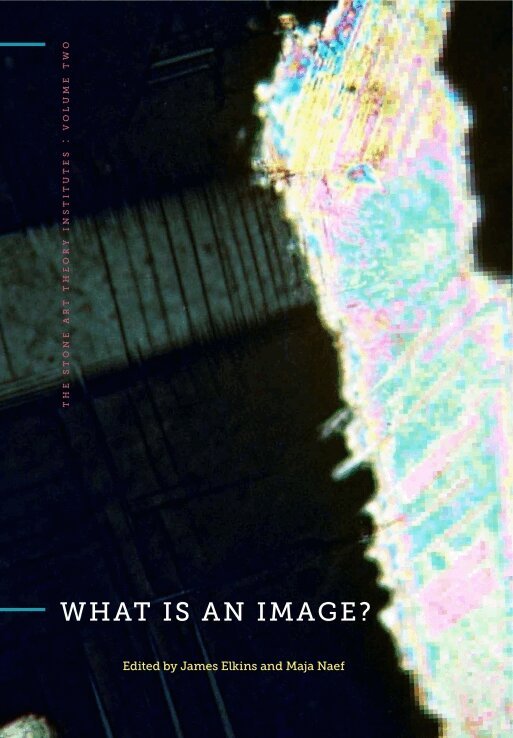
What Is an Image?
Häftad, 2012
478 kr
Lägg i varukorg
What Is an Image? raises the stakes for writing in art history, visual studies, art theory, and art criticism by questioning one of the most fundamental terms of all, the image or picture. This innovative collection gathers some of the most influential historians and theorists working on images to …
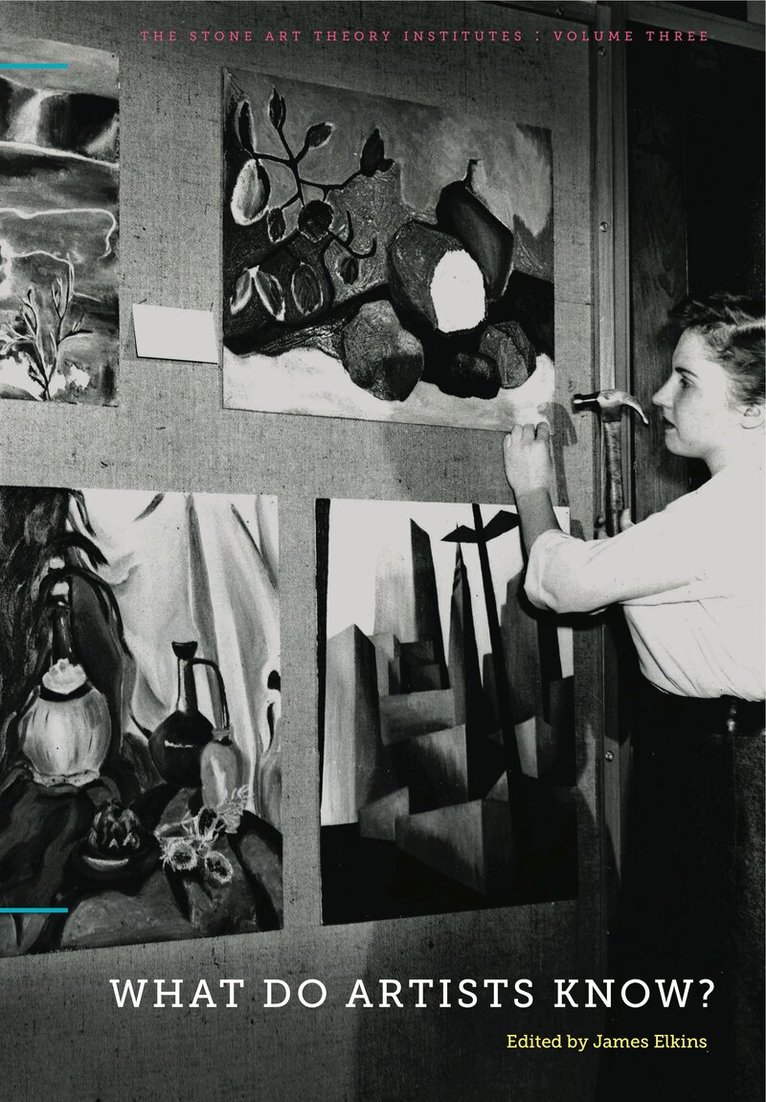
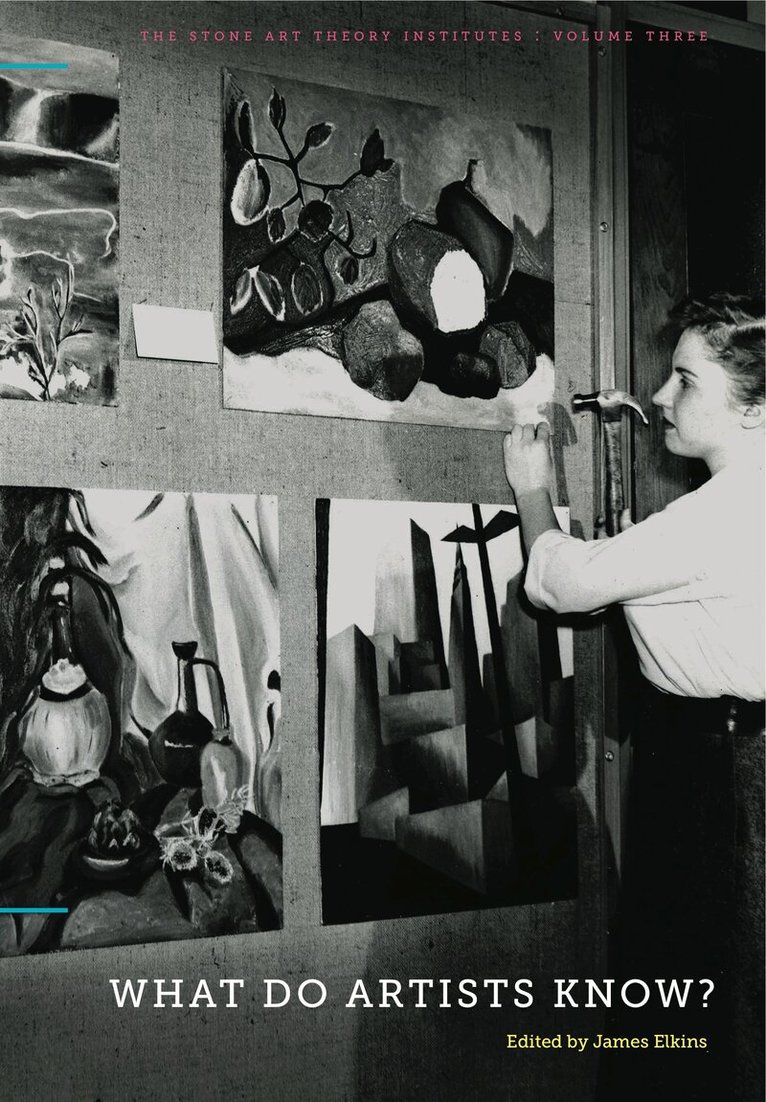
What Do Artists Know?
Av James Elkins
Inbunden, 2012
976 kr
Lägg i varukorg
Each of the five volumes in the Stone Art Theory Institutes series, and the seminars on which they are based, brings together a range of scholars who are not always directly familiar with one another’s work. The outcome of each of these convergences is an extensive and “unpredictable conversation” …
What Do Artists Know?
Av James Elkins
Häftad, 2012
478 kr
Lägg i varukorg
Each of the five volumes in the Stone Art Theory Institutes series, and the seminars on which they are based, brings together a range of scholars who are not always directly familiar with one another’s work. The outcome of each of these convergences is an extensive and “unpredictable conversation” …
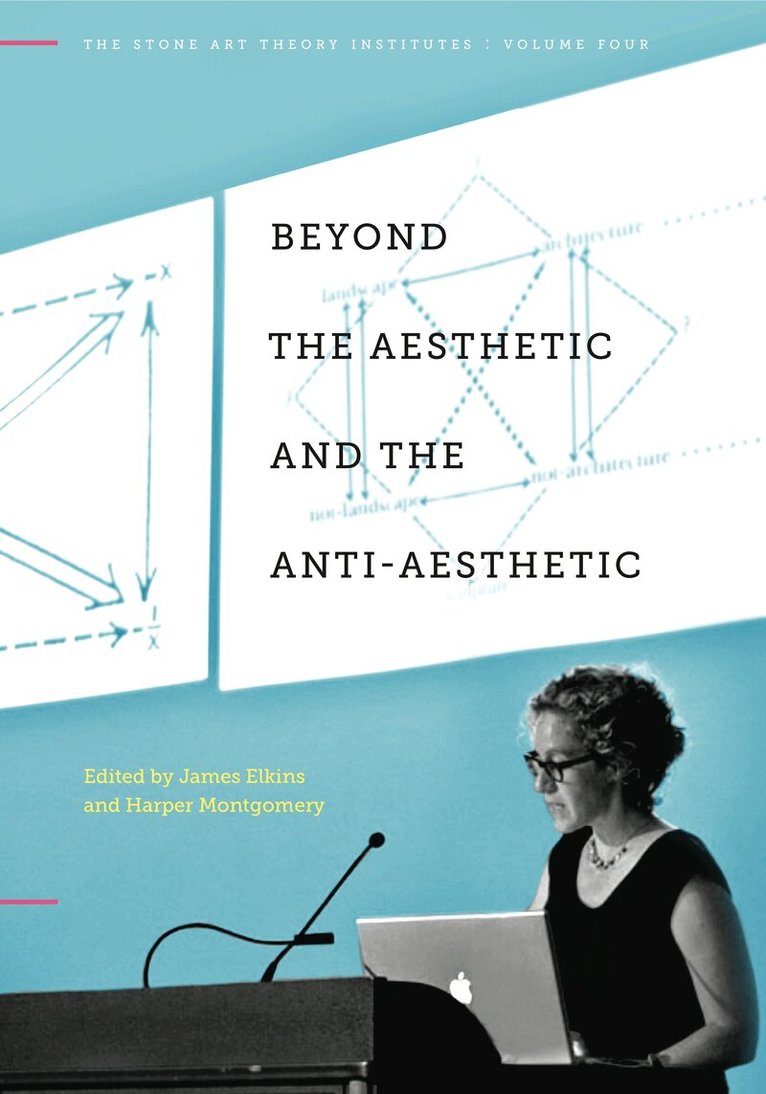
Beyond the Aesthetic and the Anti-Aesthetic
Av James Elkins, Harper Montgomery
Inbunden, 2013
976 kr
Lägg i varukorg
Each of the five volumes in the Stone Art Theory Institutes series, and the seminars on which they are based, brings together a range of scholars who are not always directly familiar with one another’s work. The outcome of each of these convergences is an extensive and “unpredictable conversation” …
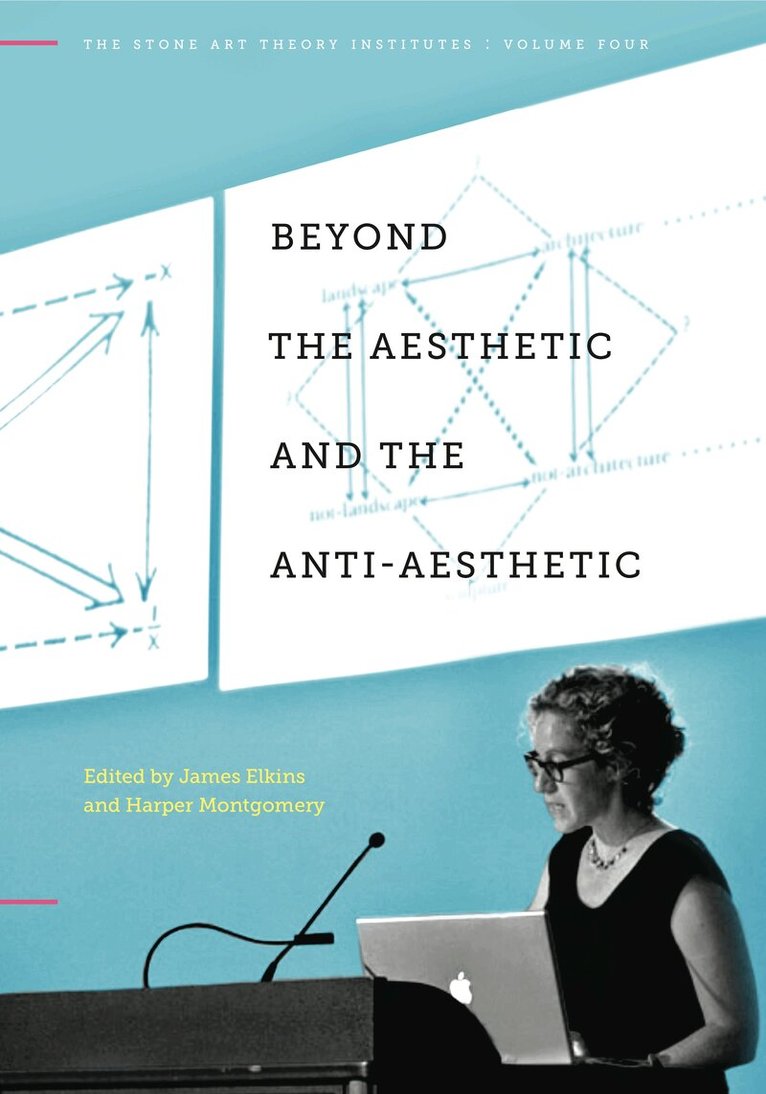
Beyond the Aesthetic and the Anti-Aesthetic
Av James Elkins, Harper Montgomery
Häftad, 2013
587 kr
Lägg i varukorg
Each of the five volumes in the Stone Art Theory Institutes series, and the seminars on which they are based, brings together a range of scholars who are not always directly familiar with one another’s work. The outcome of each of these convergences is an extensive and “unpredictable conversation” …
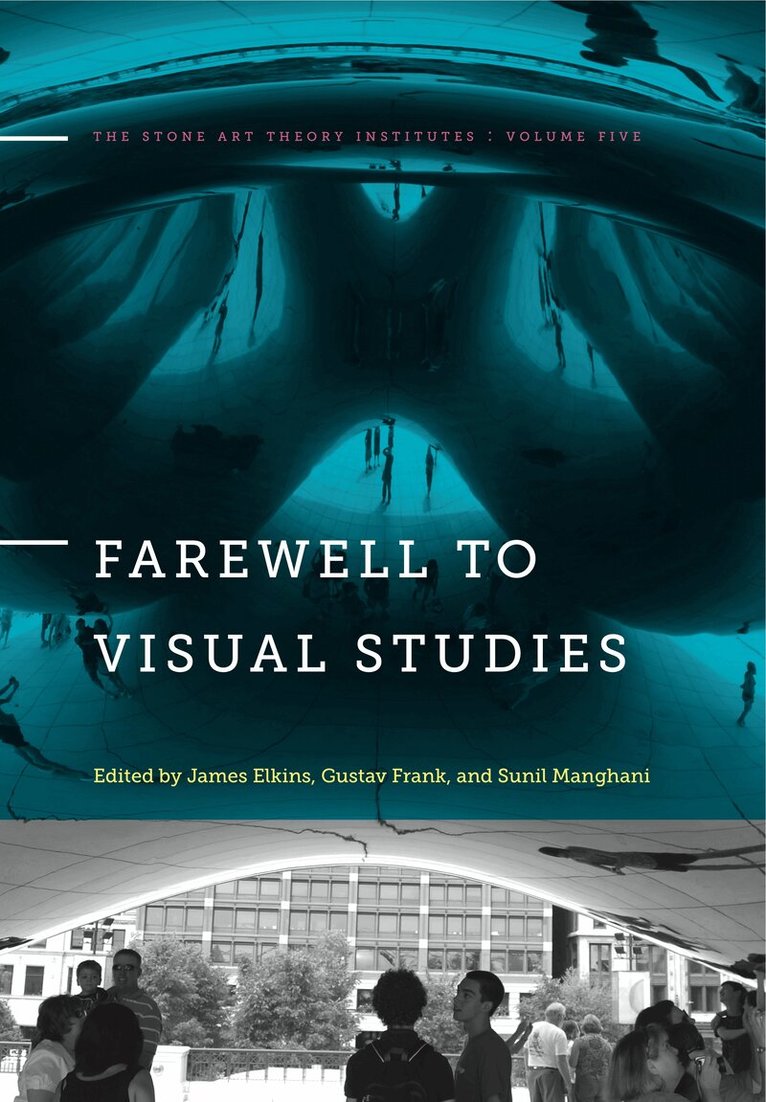
Farewell to Visual Studies
Av James Elkins, Gustav Frank m. fl.
Häftad, 2015
453 kr
Tillfälligt slut
Each of the five volumes in the Stone Art Theory Institutes series brings together a range of scholars who are not always directly familiar with one another’s work. The outcome of each of these convergences is an extensive and “unpredictable conversation” on knotty and provocative issues about art. …