Studies in Supernatural Literature - Böcker
Visar alla böcker i serien Studies in Supernatural Literature. Handla med fri frakt och snabb leverans.
9 produkter
9 produkter
1 467 kr
Skickas inom 10-15 vardagar
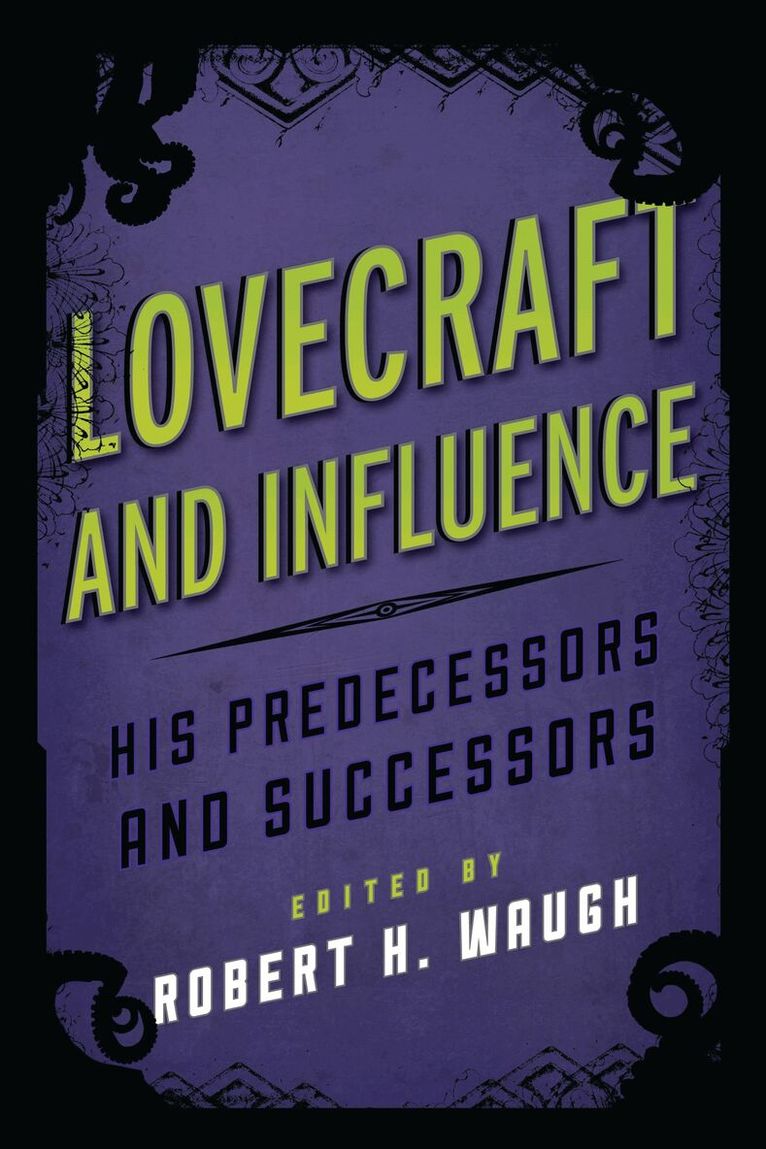
Recognized as a major innovator in the weird story, H. P. Lovecraft (1890–1937) was an author whose influence was felt by nearly every writer of horror, fantasy, and science fiction in the second half of the twentieth century. Considered one of the leading writers of gothic horror, Lovecraft and his work continue to inspire writers today.In Lovecraft and Influence: His Predecessors and Successors, Robert H. Waugh has assembled essays that are vast in scope, ranging from the Bible through the Edwardian period and well into the present. This collection is devoted to authors whose work had an impact on Lovecraft—Alexander Pope, Jonathan Swift, Nathaniel Hawthorne, Edgar Allan Poe, and Lord Dunsany—and those who drew inspiration from him, including William S. Burroughs, Ramsey Campbell, Thomas Ligotti, and Stephen King.A fascinating anthology, Lovecraft and Influence will appeal to aficionados of classic horror, fantasy, and science fiction and those with an interest in modern authors whose works reflect and honor Lovecraft’s enduring legacy.
1 467 kr
Skickas inom 10-15 vardagar
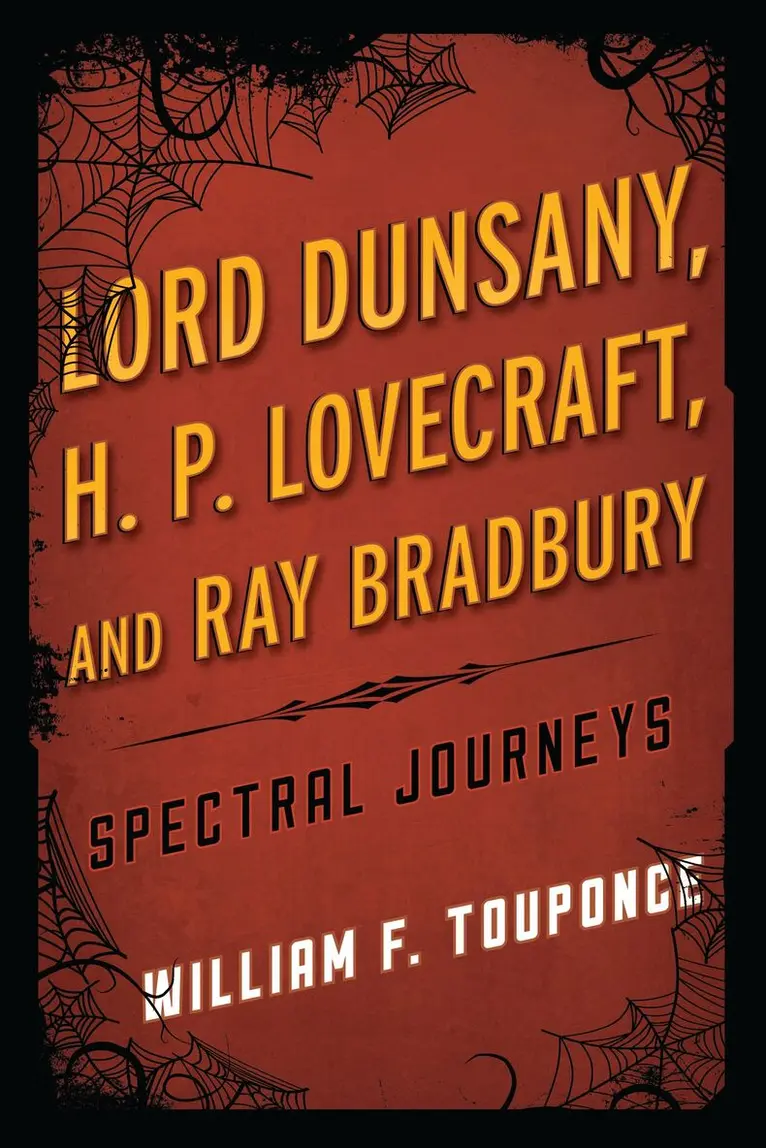
In his classic study Supernatural Horror in Literature, H. P. Lovecraft discusses the emergence of what he called spectral literature—literature that involves the gothic themes of the supernatural found in the past but also considers modern society and humanity. Beyond indicating how authors of such works derived pleasure from a sense of cosmic atmosphere, Lovecraft did not elaborate on what he meant by the term spectral as a form of haunted literature concerned with modernity. In Lord Dunsany, H. P. Lovecraft, and Ray Bradbury: Spectral Journeys, William F. Touponce examines what these three masters of weird fiction reveal about modernity and the condition of being modern in their tales. In this study, Touponce confirms that these three authors viewed storytelling as a kind of journey into the spectral. Furthermore, he explains how each identifies modernity with capitalism in various ways and shows a concern with surpassing the limits of realism, which they see as tied to the representation of bourgeois society. The collected writings of Lord Dunsany, H. P. Lovecraft, and Ray Bradbury span the length of the tumultuous twentieth century with hundreds of stories. By comparing these authors, Touponce also traces the development of supernatural fiction since the early 1900s. Reading about how these works were tied to various stages of capitalism, one can see the connection between supernatural literature and society. This study will appeal to fans of the three authors discussed here, as well as to scholars and others interested in the connection between literature and society, criticism of supernatural fiction, the nature of storytelling, and the meaning and experience of modernity.
1 698 kr
Skickas inom 10-15 vardagar
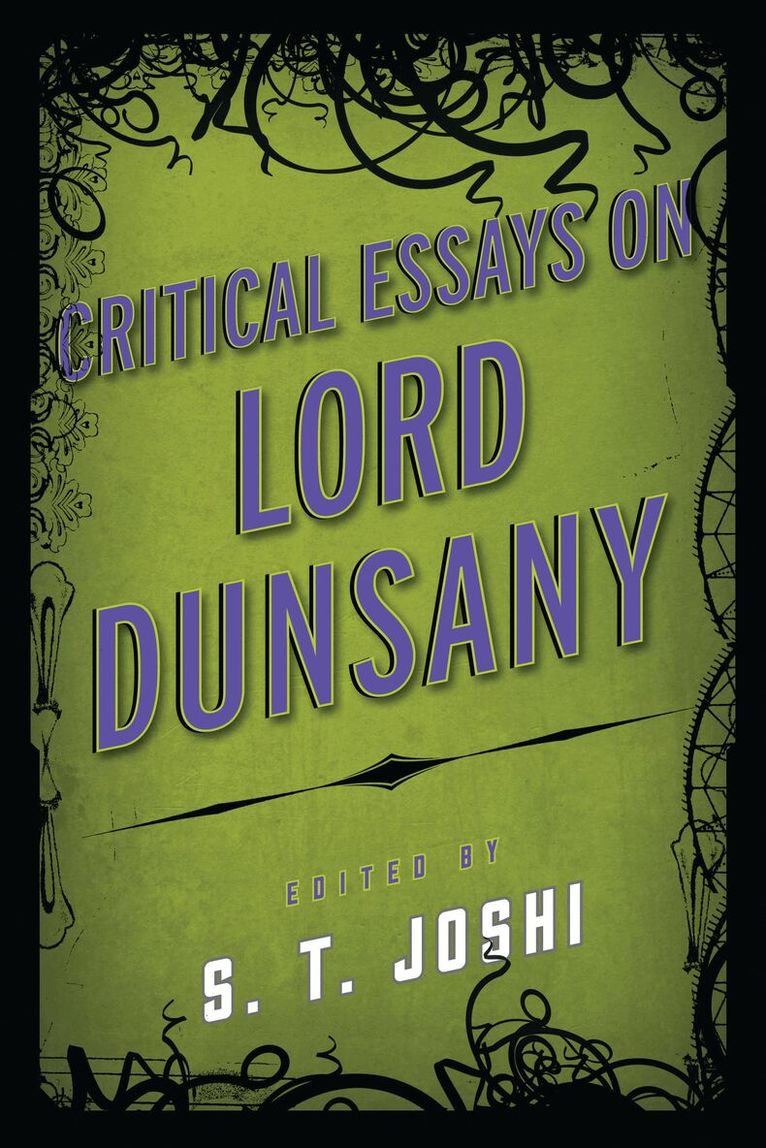
From the publication of his first book in 1905 until his death, Lord Dunsany (1878–1957) was an immensely popular Anglo-Irish writer. He has long been admired in the realms of fantasy, horror, and supernatural fiction and was a friend and colleague of writers W. B. Yeats, Lady Gregory, James Stephens, and Oliver St. John Gogarty. In recent years he has enjoyed a resurgence as a pioneering fantasy writer and an immense influence on later work in the genre. Critical Essays on Lord Dunsany is the first volume to assemble studies of Dunsany’s short fiction, novels, plays, and memoirs, as well as discussions of his influence on such writers as J. R. R. Tolkien and H. P. Lovecraft. The book also contains early articles and reviews by Yeats, Lovecraft, H. L. Mencken, Rebecca West, and Arthur C. Clarke. Seven original essays by leading contemporary scholars on Dunsany examine the use of medieval archetypes in his fantasy novels; the distinctiveness of his recurring character, clubman Joseph Jorkens; the influence of Don Quixote on his first novel, The Chronicles of Rodriguez (1922); the treatment of religion in his later novels; and other subjects.This anthology presents a comprehensive snapshot of Dunsany’s distinctive work and his contribution to fantasy fiction and world literature. Making a case for the continued study of this neglected but hugely influential writer, Critical Essays on Lord Dunsany will be of great interest to enthusiasts of Dunsany’s work as well as students and scholars of fantasy, horror, the supernatural, and Irish literature.
1 698 kr
Skickas inom 10-15 vardagar
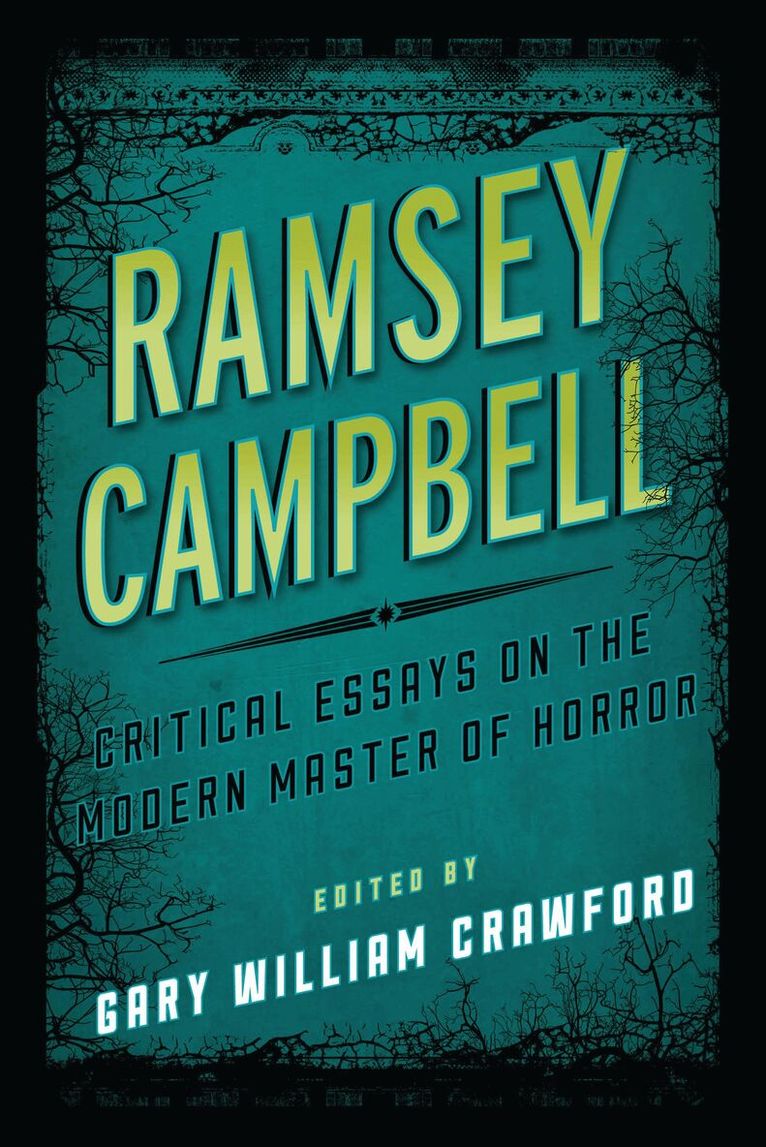
As the author of more than two dozen novels and hundreds of short stories, as well as essays, reviews, and columns, Ramsey Campbell is one of the most prolific writers in the field of horror literature. The consistently high level of quality in his work has resulted in every major award that weird fiction has to offer, including the Grand Master Award of the World Horror Convention, the Lifetime Achievement Award of the Horror Writers Association, and the Living Legend Award of the International Horror Guild. Strangely, though, relatively little criticism has been written about Campbell.In Ramsey Campbell: Critical Essays on the Modern Master of Horror, Gary William Crawford has assembled a collection of articles that examine the work of one of weird fiction’s most revered writers. These essays looks at a number of elements that characterize Campbell’s stories and novels, including comparisons to H.P. Lovecraft, who was an early inspiration; Campbell’s modern variations of Gothic fiction; his concept of evil; religious subtext in his fiction; and how adversities Campbell has faced have shaped his life and his work.In all, these essays pay homage to Campbell’s painstaking craftsmanship and show that there is much to be mined in his fiction. Because Campbell is so important in the genre of horror literature, this book serves as a much needed affirmation of his work. It will be of interest to scholars of supernatural fiction in general, but also to devoted fans of this major figure in weird fiction.
1 811 kr
Skickas inom 7-10 vardagar
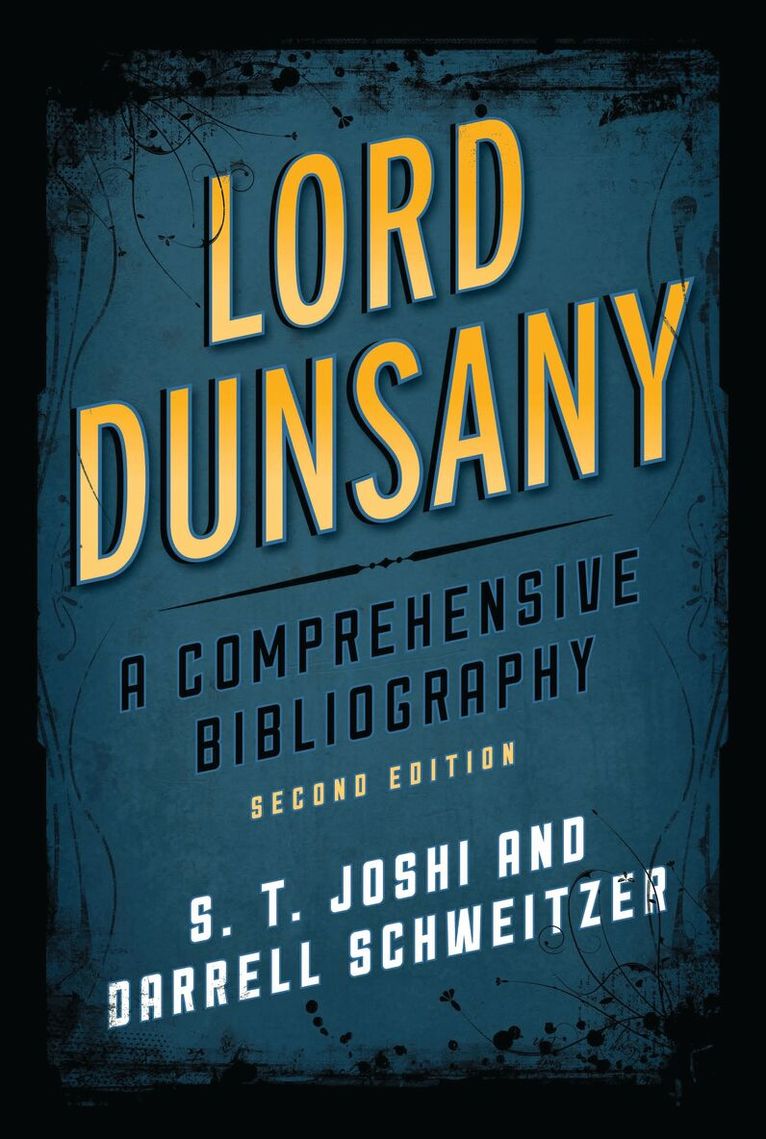
Anglo-Irish writer Lord Dunsany (1878–1957) was a pioneering writer in the genre of fantasy literature and the author of such celebrated works as The Book of Wonder (1912) and The King of Elfland’s Daughter (1924). Over the course of a career that spanned more than five decades, Dunsany wrote thousands of stories, plays, novels, essays, poems, and reviews, and his work was translated into more than a dozen languages. Today, Dunsany’s work is experiencing a renaissance, as many of his earlier works have been reprinted and much attention has been paid to his place in the history of fantasy and supernatural literature.This bibliography is a revision of the landmark volume published in 1993, which first charted the full scope of Dunsany’s writing. This new edition not only brings the bibliography up to date, listing the dozens of new editions of Dunsany’s work that have appeared in the last two decades and the wealth of criticism that has been written about him, but also records many obscure publications in Dunsany’s lifetime that have not been previously known or identified. In all, the bibliography has been expanded by at least thirty percent. Among this new material are dozens of uncollected short stories, newspaper articles, and poems, and many books, essays, and reviews of Dunsany’s work published over the past century.Altogether, this bibliography is the definitive listing of works by and about Dunsany and will be the foundation of Dunsany studies for many years to come.
1 544 kr
Skickas inom 10-15 vardagar
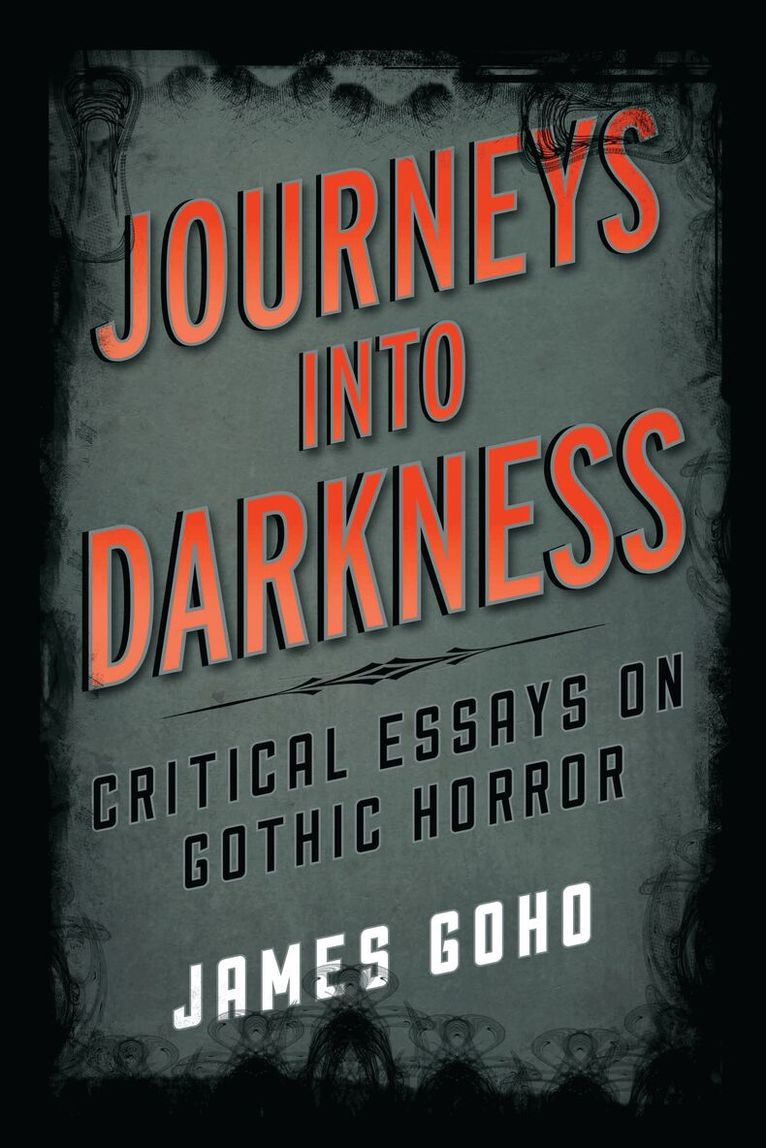
The tradition of supernatural horror fiction runs deep in Anglo-American literature. From the Gothic novels of the eighteenth century to such contemporary authors as Stephen King and Anne Rice, writers have employed horror fiction to unearth many disquieting truths about the human condition, ranging from mistreatment of women and minorities to the ever-present dangers of modern city life.In Journeys into Darkness: Critical Essays on Gothic Horror, James Goho analyzes many significant writers and trends in American and British horror fiction. Beginning with Charles Brockden Brown’s disturbing novels of terror and madness, Goho proceeds to discuss the influence of Edgar Allan Poe’s “The Fall of the House of Usher” on H. P. Lovecraft, who is treated in several penetrating essays. Lovecraft was a uniquely philosophical writer, and Goho approaches his work through the lens of existentialist philosopher Søren Kierkegaard, while also probing Lovecraft’s racism as exhibited in several tales about Native Americans. Goho also discusses the Welsh writer Arthur Machen’s tortured tales of suffering and evil and Algernon Blackwood’s numerous stories set in the wilds of the Canadian backwoods. The book concludes with a centuries-spanning essay on the witchcraft theme in the American Gothic tradition and a comprehensive essay on Fritz Leiber’s invention of the urban Gothic.In this wide-ranging study, James Goho examines the varied ways in which supernatural fiction can address the deepest moral, social, and political concerns of the human experience. Journeys into Darkness will be of interest to readers and scholars of horror fiction and to students of literary history and culture in general.
1 544 kr
Skickas inom 10-15 vardagar
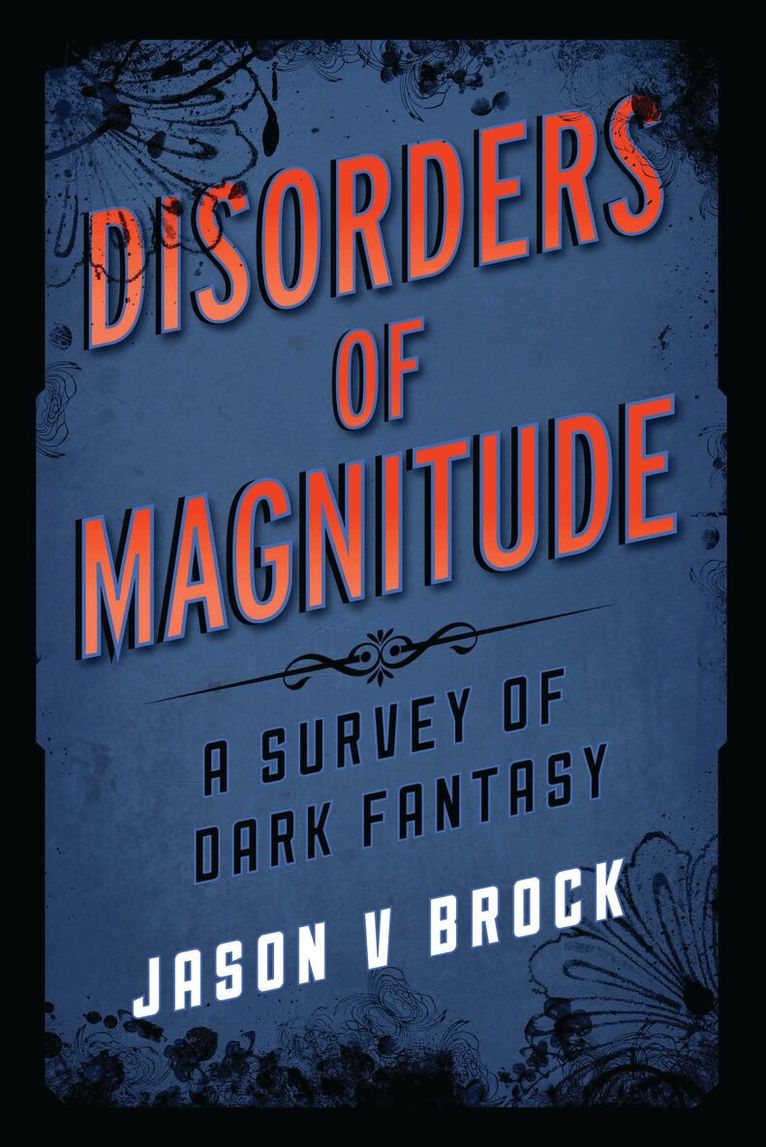
Over the past century or more, the genres of fantasy, horror, and supernatural fiction have increasingly expanded beyond literature and into an array of media—film, television, comic books, and art. Many of the leading figures in the field engage in multimedia enterprises that allow their work to reach a much wider public than the mere readers of books.In Disorders of Magnitude: A Survey of Dark Fantasy, Jason V Brock analyzes the intersection of literature, media, and genre fiction in essays, reviews, and pioneering interviews. Beginning with the pulp magazines of the 1920s, Brock studies such dynamic figures as H. P. Lovecraft, Forrest J Ackerman, Harlan Ellison, and the Southern California writers known collectively as “The Group”—Ray Bradbury, Charles Beaumont, Richard Matheson, Rod Serling, and William F. Nolan. This collection also includes filmmakers Roger Corman, George Romero, and Dan O’Bannon, and such fantasy artists as H. R. Giger.Graced with dozens of photographs from the author’s personal collection, this wide-ranging study offers a kaleidoscopic look at the multifarious ways in which fantasy, horror, and the supernatural have permeated our culture. Brock—himself a fiction writer, critic, and filmmaker—concludes the book with touching eulogies to the recently deceased Ray Bradbury and Ray Harryhausen. Highlighting so many figures essential to the understanding of fantasy and horror, Disorders of Magnitude will appeal to fans of these fiction genres around the world.
1 391 kr
Skickas inom 10-15 vardagar
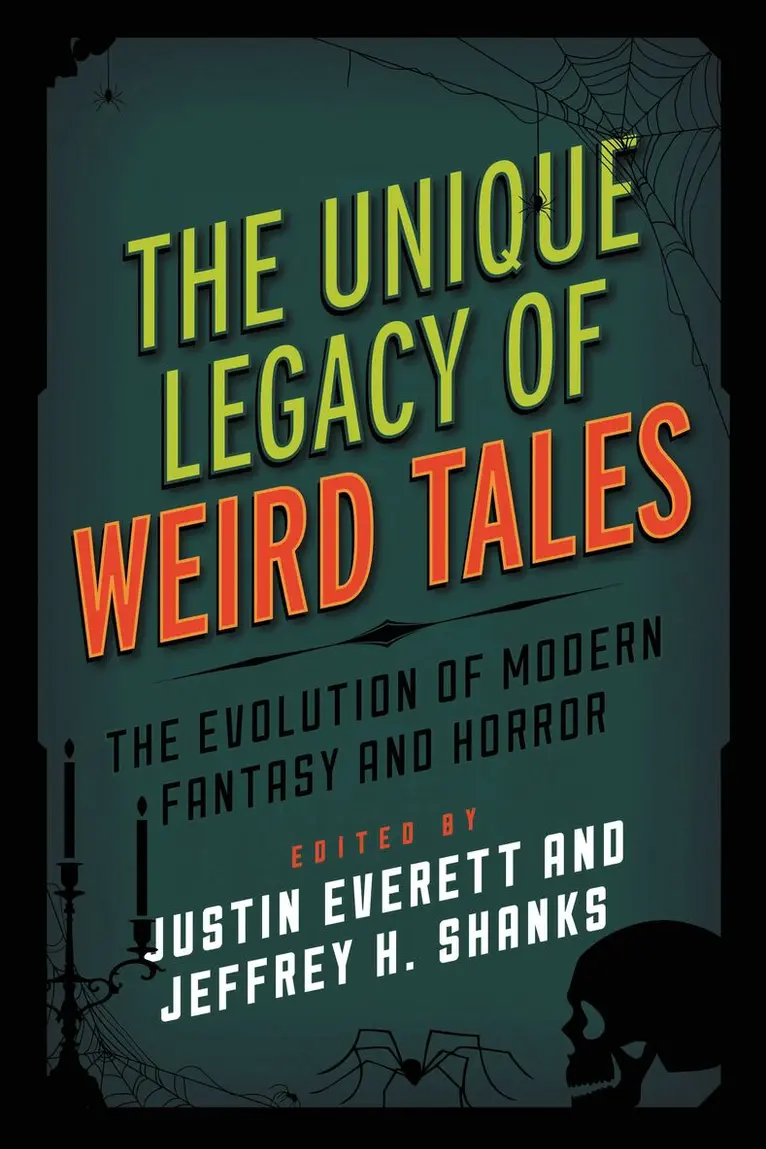
When the pulp magazine Weird Tales appeared on newsstands in 1923, it proved to be a pivotal moment in the evolution of speculative fiction. Living up to its nickname, “The Unique Magazine,” Weird Tales provided the first real venue for authors writing in the nascent genres of fantasy, horror, and science fiction. Weird fiction pioneers such as H. P. Lovecraft, Robert E. Howard, Clark Ashton Smith, Robert Bloch, Catherine L. Moore, and many others honed their craft in the pages of Weird Tales in the 1920s and 1930s, and their work had a tremendous influence on later generations of genre authors.In The Unique Legacy of Weird Tales: The Evolution of Modern Fantasy and Horror, Justin Everett and Jeffrey Shanks have assembled an impressive collection of essays that explore many of the themes critical to understanding the importance of the magazine. This multi-disciplinary collection from a wide array of scholars looks at how Weird Tales served as a locus of genre formation and literary discourse community. There are also chapters devoted to individual authors—including Lovecraft, Howard, and Bloch—and their particular contributions to the magazine.As the literary world was undergoing a revolution and mass-produced media began to dwarf high-brow literature in social significance, Weird Tales managed to straddle both worlds. This collection of essays explores the important role the magazine played in expanding the literary landscape at a very particular time and place in American culture. The Unique Legacy of Weird Tales will appeal to scholars and aficionados of fantasy, horror, and weird fiction and those interested in the early roots of these popular genres.
Richard Matheson's Monsters
Gender in the Stories, Scripts, Novels, and Twilight Zone Episodes
Inbunden, Engelska, 2016
1 284 kr
Skickas inom 10-15 vardagar
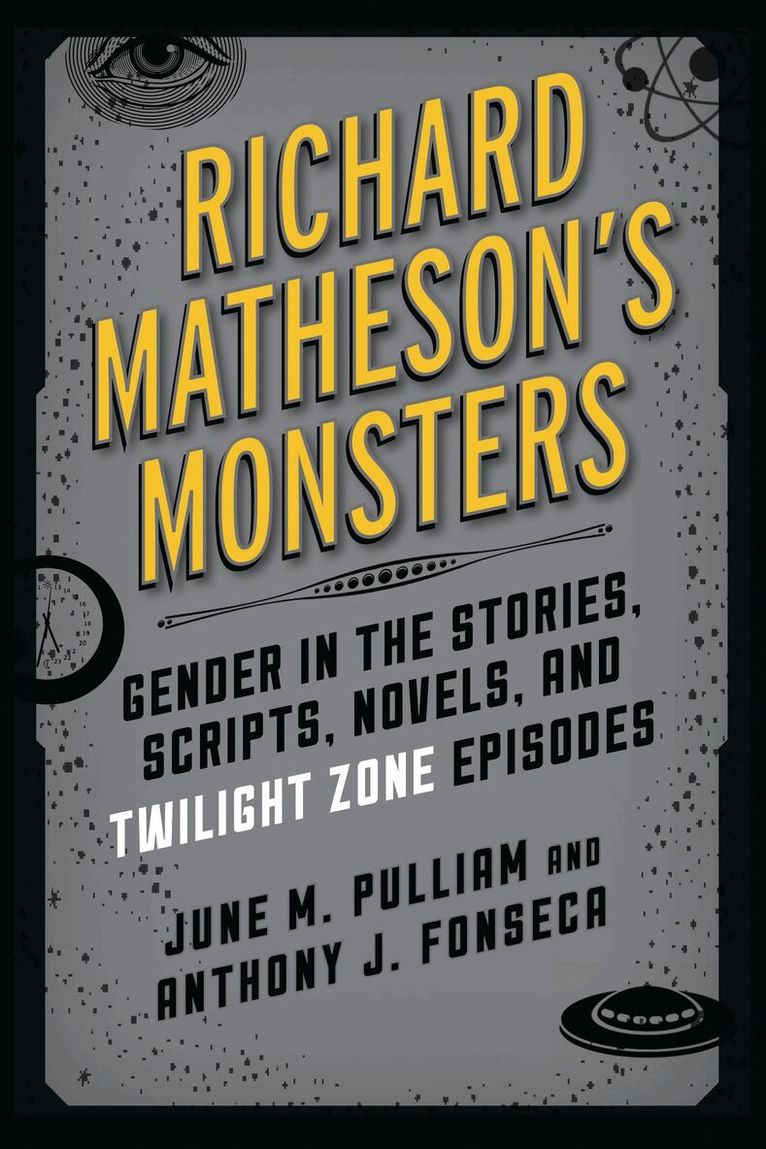
Richard Matheson was one of the leading writers of science fiction, fantasy, and horror in the twentieth century. Matheson’s most famous early works, the novels I Am Legend (1954) and The Shrinking Man (1956), both depict traditionally masculine figures thrust into extraordinary situations. Other thought-provoking novels, including Hell House (1971), Bid Time Return (1975), and What Dreams May Come (1978)—as well as short stories and screenplays—convey the ambiguous status of masculinity: how men should behave vis-à-vis women and what role they should occupy in the family dynamic and in society at large.In Richard Matheson’s Monsters: Gender in the Stories, Scripts, Novels and Twilight Zone Episodes, June M. Pulliam and Anthony J. Fonseca examine how this groundbreaking author’s writings shed light on society’s ever-shifting attitudes on masculinity and domesticity. In this first full-length critical study of Matheson’s entire literary output, the authors discuss how I Am Legend, The Shrinking Man, and other works question traditional male roles. The authors examine how Matheson’s scripts for The Twilight Zone represented changing expectations in male behavior with the onset of the sexual and feminist revolutions, industrialization and globalization, and other issues.In a society where gender roles are questioned every day, Matheson’s work is more relevant than ever. Richard Matheson’s Monsters will be of interest to scholars of literature, film, and television, as well those interested in gender and masculinity studies.