Sustainable Plant Nutrition in a Changing World – serie
Visar alla böcker i serien Sustainable Plant Nutrition in a Changing World. Handla med fri frakt och snabb leverans.
14 produkter
14 produkter
Inbunden, Engelska, 2022
1 849 kr
Skickas inom 10-15 vardagar
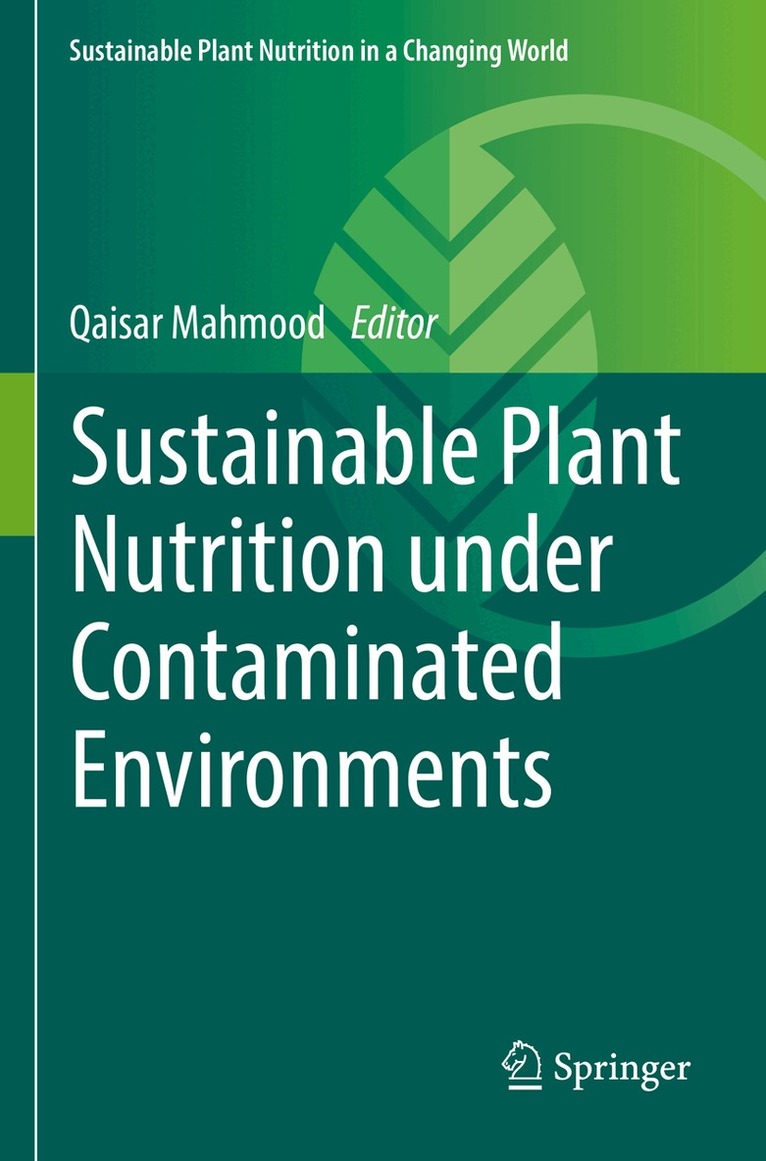
Global industrial growth has resulted in numerous pollutants being introduced into the environment. It has additionally caused decreased water availability for agricultural activity in developing countries, which, in turn, has compelled farmers to use wastewater irrigation. In advanced agricultural systems, farmers are adapting various strategies to achieve a higher yield and thus sustain crop productivity. Consequent to the introduction of contaminants in the environment, soil pollutants have become a critical issue. Selection of disease-resistant, high-yielding crop varieties, and extensive fertilizer applications are quite common among farming communities. This book provides insight into environmental pollutants with special reference to their interference with plant nutrition. It additionally discusses the physiological aspects of plant nutrition. This book enhances current knowledge of the effects of pollutants onplant growth and physiology.
Häftad, Engelska, 2023
1 849 kr
Skickas inom 10-15 vardagar
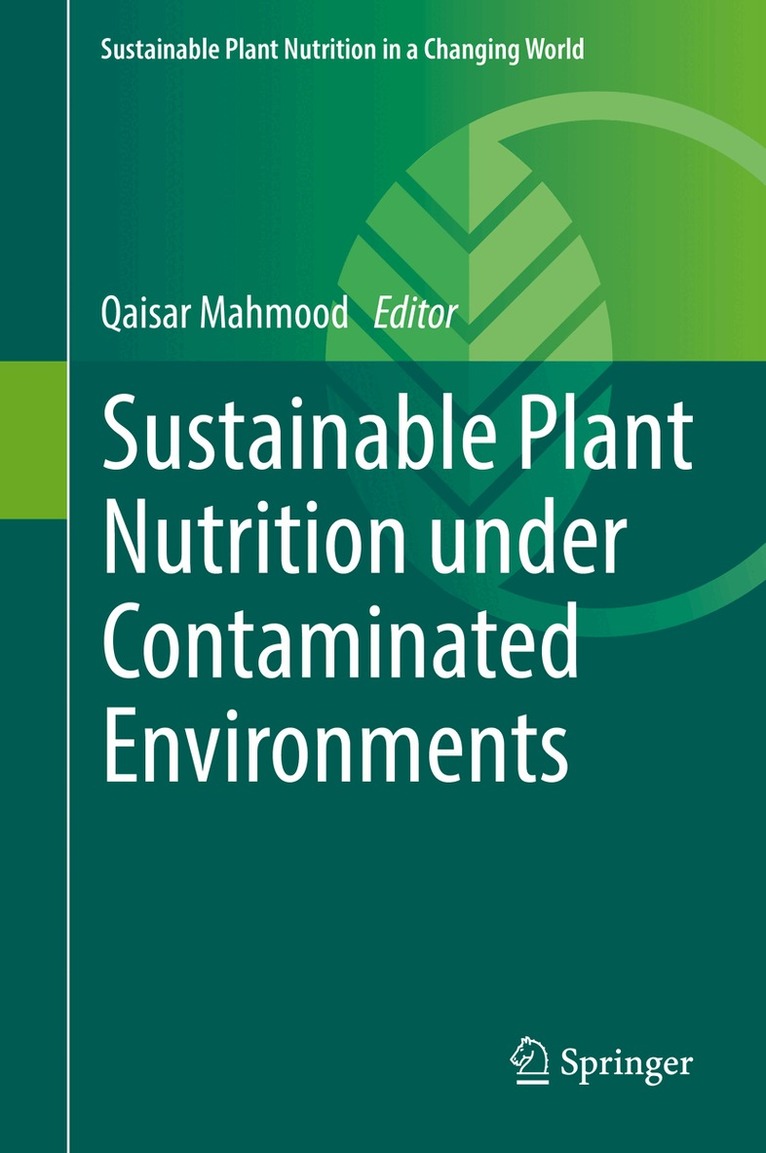
Global industrial growth has resulted in numerous pollutants being introduced into the environment. It has additionally caused decreased water availability for agricultural activity in developing countries, which, in turn, has compelled farmers to use wastewater irrigation. In advanced agricultural systems, farmers are adapting various strategies to achieve a higher yield and thus sustain crop productivity. Consequent to the introduction of contaminants in the environment, soil pollutants have become a critical issue. Selection of disease-resistant, high-yielding crop varieties, and extensive fertilizer applications are quite common among farming communities. This book provides insight into environmental pollutants with special reference to their interference with plant nutrition. It additionally discusses the physiological aspects of plant nutrition. This book enhances current knowledge of the effects of pollutants onplant growth and physiology.
Inbunden, Engelska, 2022
1 849 kr
Skickas inom 10-15 vardagar
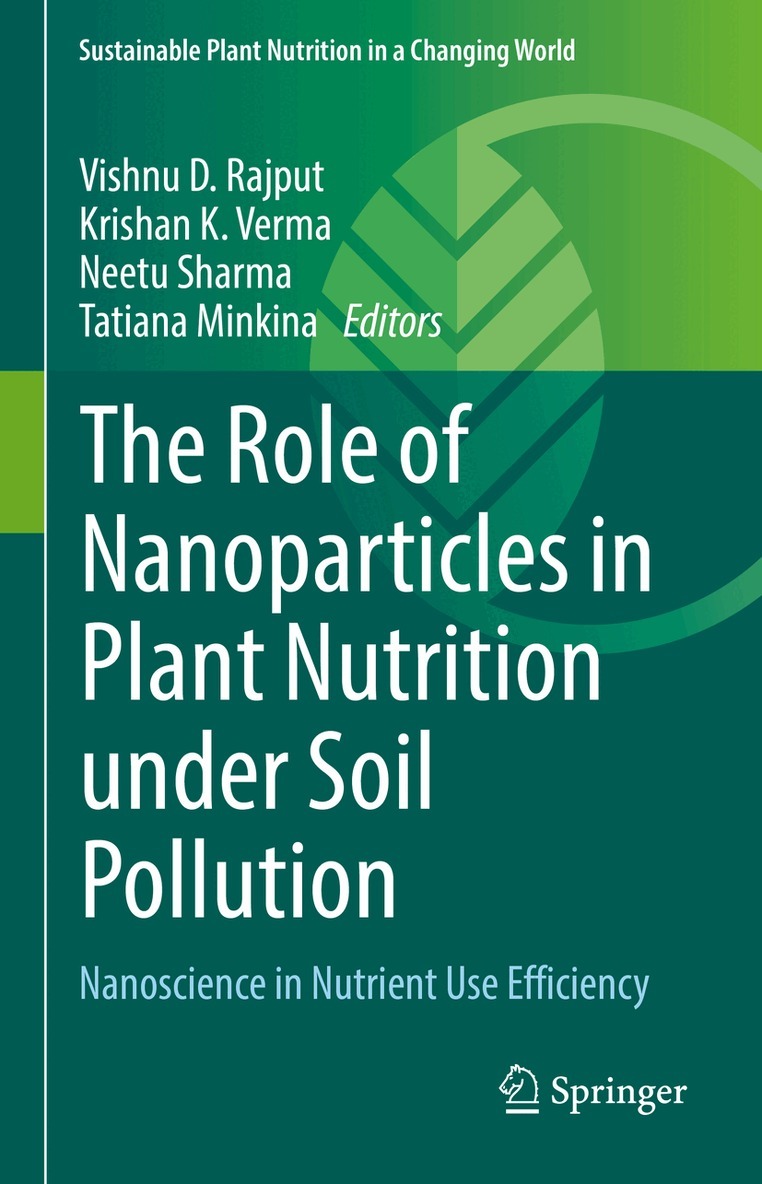
Nanotechnology has shown great potential in all spheres of life. With the increasing pressure to meet the food demands of rapidly increasing population, thus, novel innovation and research are required in agriculture. The principles of nanotechnology can be implemented to meet the challenges faced by agricultural demands. Major challenges include the loss of nutrients in the soil and nutrient-deficient plants, which result in a lower crop yield and quality. Subsequently, consumption of such crops leads to malnourishment in humans, especially in underprivileged and rural populations. One convenient approach to tackle nutrient deficiency in plants is via the use of fertilizers; however, this method suffers from lower uptake efficiency in plants. Another approach to combat nutrient deficiency in humans is via the use of supplements and diet modifications; however, these approaches are less affordably viable in economically challenged communities and in rural areas. Therefore, the use of nano-fertilizers to combat this problem holds the greatest potential. Additionally, nanotechnology can be used to meet other challenges in agriculture including enhancing crop yield, protection from insect pests and animals, and by use of nano-pesticides and nano-biosensors to carry out the remediation of polluted soils. The future use of nanomaterials in soil ecosystems will be influenced by their capability to interact with soil constituents and the route of nanoparticles into the environment includes both natural and anthropogenic sources. The last decade has provided increasing research on the impact and use of nanoparticles in plants, animals, microbes, and soils, and yet these studies often lacked data involving the impact of nanoparticles on biotic and abiotic stress factors. This book provides significant recent research on the use of nano-fertilizers, which can have a major impact on components of an ecosystem. This work should provide a basis to further study these potential key areas in order to achieve sustainable and safe application of nanoparticles in agriculture.
Häftad, Engelska, 2023
1 849 kr
Skickas inom 10-15 vardagar
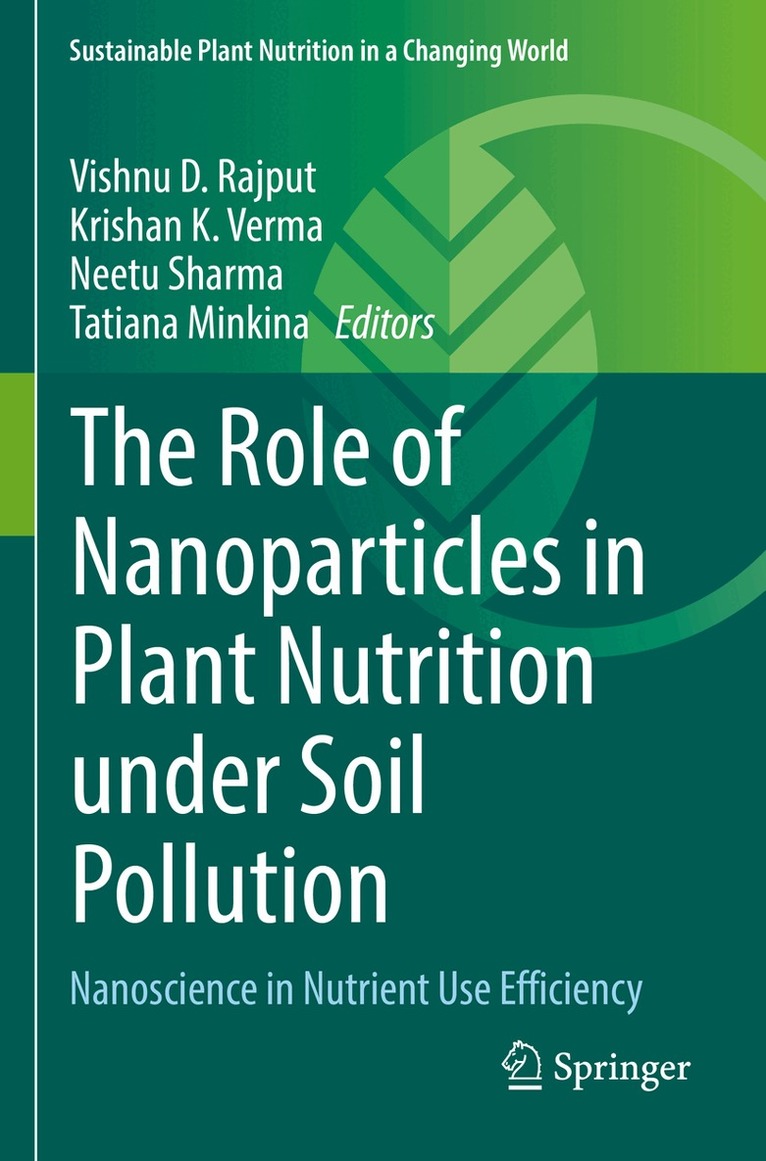
Nanotechnology has shown great potential in all spheres of life. With the increasing pressure to meet the food demands of rapidly increasing population, thus, novel innovation and research are required in agriculture. The principles of nanotechnology can be implemented to meet the challenges faced by agricultural demands. Major challenges include the loss of nutrients in the soil and nutrient-deficient plants, which result in a lower crop yield and quality. Subsequently, consumption of such crops leads to malnourishment in humans, especially in underprivileged and rural populations. One convenient approach to tackle nutrient deficiency in plants is via the use of fertilizers; however, this method suffers from lower uptake efficiency in plants. Another approach to combat nutrient deficiency in humans is via the use of supplements and diet modifications; however, these approaches are less affordably viable in economically challenged communities and in rural areas. Therefore, the use of nano-fertilizers to combat this problem holds the greatest potential. Additionally, nanotechnology can be used to meet other challenges in agriculture including enhancing crop yield, protection from insect pests and animals, and by use of nano-pesticides and nano-biosensors to carry out the remediation of polluted soils. The future use of nanomaterials in soil ecosystems will be influenced by their capability to interact with soil constituents and the route of nanoparticles into the environment includes both natural and anthropogenic sources. The last decade has provided increasing research on the impact and use of nanoparticles in plants, animals, microbes, and soils, and yet these studies often lacked data involving the impact of nanoparticles on biotic and abiotic stress factors. This book provides significant recent research on the use of nano-fertilizers, which can have a major impact on components of an ecosystem. This work should provide a basis to further study these potential key areas in order to achieve sustainable and safe application of nanoparticles in agriculture.
Inbunden, Engelska, 2022
2 174 kr
Skickas inom 10-15 vardagar
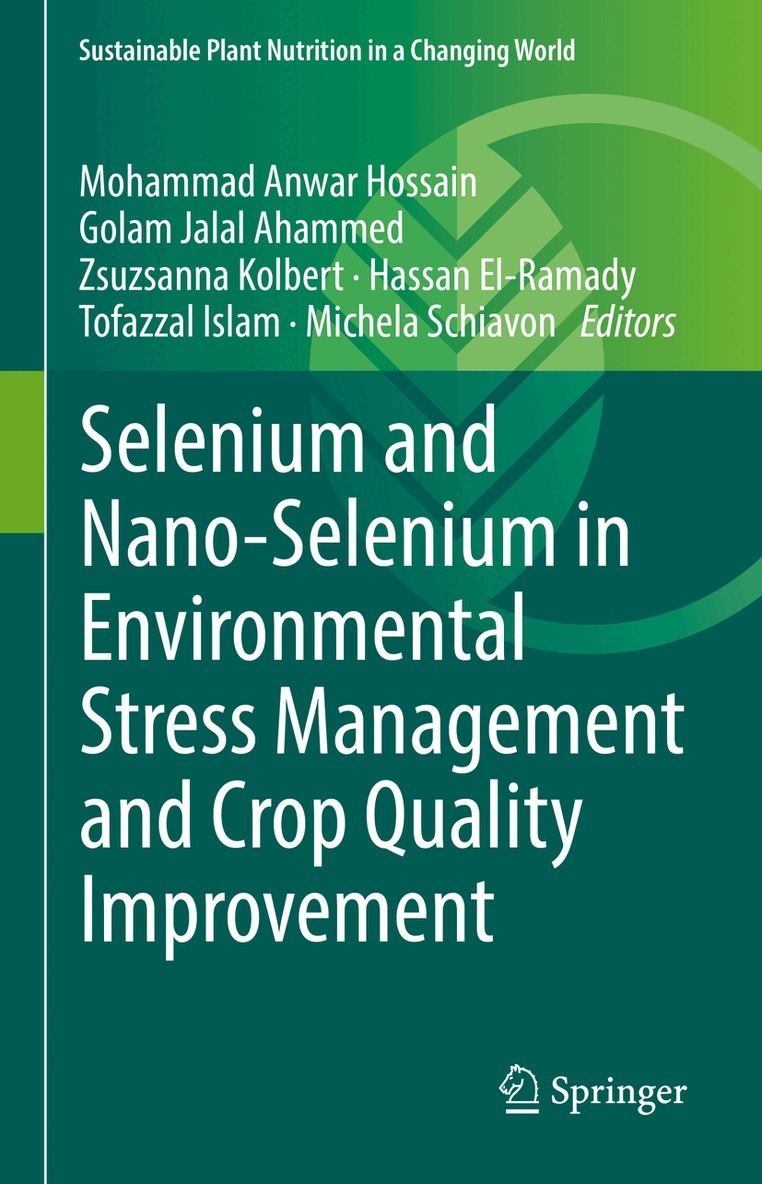
Crop plants growing under field conditions are constantly exposed to various abiotic and biotic stress factors leading to decreased yield and quality of produce. In order to achieve sustainable development in agriculture and to increase agricultural production for feeding an increasing global population, it is necessary to use ecologically compatible and environmentally friendly strategies to decrease the adverse effects of stresses on the plant. Selenium is one of the critical elements from the biological contexts because it is essential for human health; however, it becomes toxic at high concentrations. It has been widely reported that selenium can promote plant growth and alleviate various stresses as well as increase the quantity and quality of the yield of many plant species. Nonetheless, at high concentrations, selenium causes phytotoxicity. In the last decade, nanotechnology has emerged as a prominent tool for enhancing agricultural productivity. The production and applicationsof nanoparticles (NPs) have greatly increased in many industries, such as energy production, healthcare, agriculture, and environmental protection. The application of NPs has attracted interest for their potential to alleviate abiotic and biotic stresses in a more rapid, cost-effective, and more sustainable way than conventional treatment technologies. Recently, research related to selenium-NPs-mediated abiotic stresses and nutritional improvements in plants has received considerable interest by the scientific community. While significant progress was made in selenium biochemistry in relation to stress tolerance, an in-depth understanding of the molecular mechanisms associated with the selenium- and nano-selenium-mediated stress tolerance and bio-fortification in plants is still lacking. Gaining a better knowledge of the regulatory and molecular mechanisms that control selenium uptake, assimilation, and tolerance in plants is therefore vital and necessary to develop modern crop varieties that are more resilient to environmental stress. This book provides a comprehensive overview of the latest understanding of the physiological, biochemical, and molecular basis of selenium- and nano-selenium-mediated environmental stress tolerance and crop quality improvements in plants. It helps researchers to develop strategies to enhance crop productivity under stressful conditions and to better utilize natural resources to ensure future food security and to reduce environmental contamination. Finally, this book is a valuable resource for promoting future research into plant stress tolerance, and a reference book for researchers working on developing plants tolerant to abiotic and biotic stressors as well as bio-fortification and phytoremediation.
Häftad, Engelska, 2023
2 174 kr
Skickas inom 10-15 vardagar
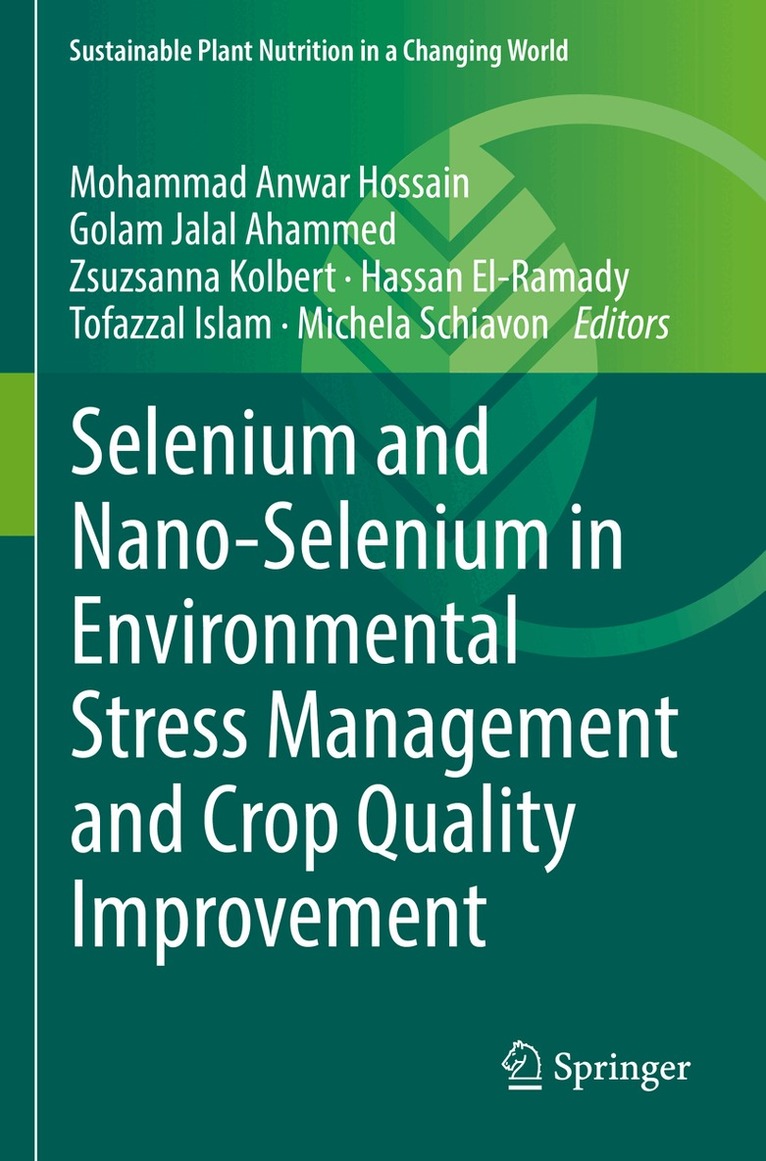
Crop plants growing under field conditions are constantly exposed to various abiotic and biotic stress factors leading to decreased yield and quality of produce. In order to achieve sustainable development in agriculture and to increase agricultural production for feeding an increasing global population, it is necessary to use ecologically compatible and environmentally friendly strategies to decrease the adverse effects of stresses on the plant. Selenium is one of the critical elements from the biological contexts because it is essential for human health; however, it becomes toxic at high concentrations. It has been widely reported that selenium can promote plant growth and alleviate various stresses as well as increase the quantity and quality of the yield of many plant species. Nonetheless, at high concentrations, selenium causes phytotoxicity. In the last decade, nanotechnology has emerged as a prominent tool for enhancing agricultural productivity. The production and applicationsof nanoparticles (NPs) have greatly increased in many industries, such as energy production, healthcare, agriculture, and environmental protection. The application of NPs has attracted interest for their potential to alleviate abiotic and biotic stresses in a more rapid, cost-effective, and more sustainable way than conventional treatment technologies. Recently, research related to selenium-NPs-mediated abiotic stresses and nutritional improvements in plants has received considerable interest by the scientific community. While significant progress was made in selenium biochemistry in relation to stress tolerance, an in-depth understanding of the molecular mechanisms associated with the selenium- and nano-selenium-mediated stress tolerance and bio-fortification in plants is still lacking. Gaining a better knowledge of the regulatory and molecular mechanisms that control selenium uptake, assimilation, and tolerance in plants is therefore vital and necessary to develop modern crop varieties that are more resilient to environmental stress. This book provides a comprehensive overview of the latest understanding of the physiological, biochemical, and molecular basis of selenium- and nano-selenium-mediated environmental stress tolerance and crop quality improvements in plants. It helps researchers to develop strategies to enhance crop productivity under stressful conditions and to better utilize natural resources to ensure future food security and to reduce environmental contamination. Finally, this book is a valuable resource for promoting future research into plant stress tolerance, and a reference book for researchers working on developing plants tolerant to abiotic and biotic stressors as well as bio-fortification and phytoremediation.
Inbunden, Engelska, 2023
1 849 kr
Skickas inom 10-15 vardagar
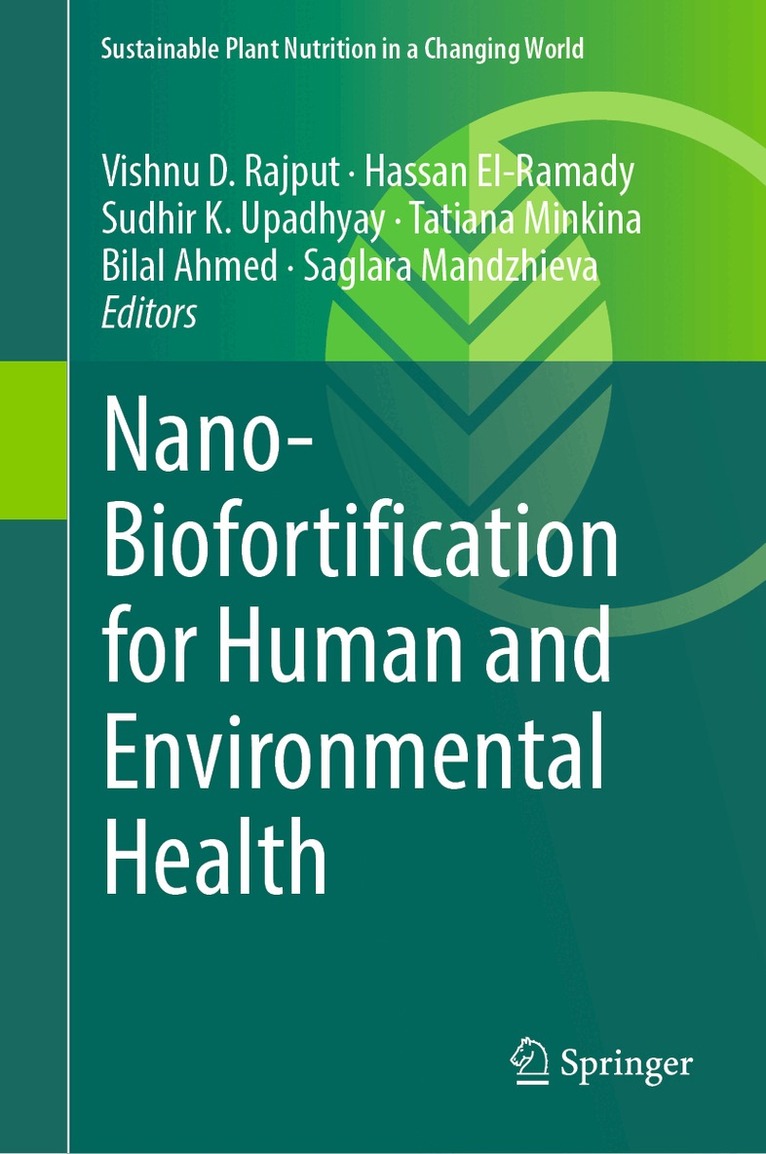
Nanotechnology has shown great potential to alleviate increasing pressure to meet food needs for our increasing human population, Novel agricultural innovations are required to enhance the health of edible crops and per unit area yield without impacting the associated environment in a negative way. Recent advancements in nanotechnology-based agricultural solutions have proven to help overcome the problems in agriculture that are associated with run-off of essential fertilizers from agricultural soils, low nutrient accumulation by crops, as well as to control insects, pests, and seasonal biotic factors, treatment of wastewater used for irrigation, plant uptake of xenobiotics (heavy metals, pesticides, industrial chemicals, drugs, and so on) that may be present in contaminated soils. Additionally, the consumption of such food crops may result in malnourishment and plant-mediated transfer of toxic substances among humans especially in underprivileged and rural populations. Agents to stimulate plant growth include various types of nanomaterials such as carbon nanotubes, metal, and metal-oxide nanoparticles. Applications of particular nutrients or elements in crop plants can be shown to aid human nourishment (either by directly inducing its uptake or indirectly through enhancing the intracellular levels of other associated elements that ultimately boost the synthesis of the desired nutrient in plants). It is also important to consider the competence and fate of nanomaterials in soil ecosystems. The entry route of nanomaterials into the environment includes both natural and anthropogenic sources. In order to achieve sustainable and safe use of nanotechnological products in agriculture, similar environmental conditions must be simulated on lab scale with the careful selection of organisms related to agriculture. Thus, emphasis should be placed on the judicial use of nano-enabled products without compromising the sustainability of the environment and human health. This comprehensive book highlights recent field research as well as contributions from academicians in the lab. This book addresses the major aspects related to nanotechnology, biofortification of crops, and human and environmental health.
Häftad, Engelska, 2024
1 849 kr
Skickas inom 10-15 vardagar
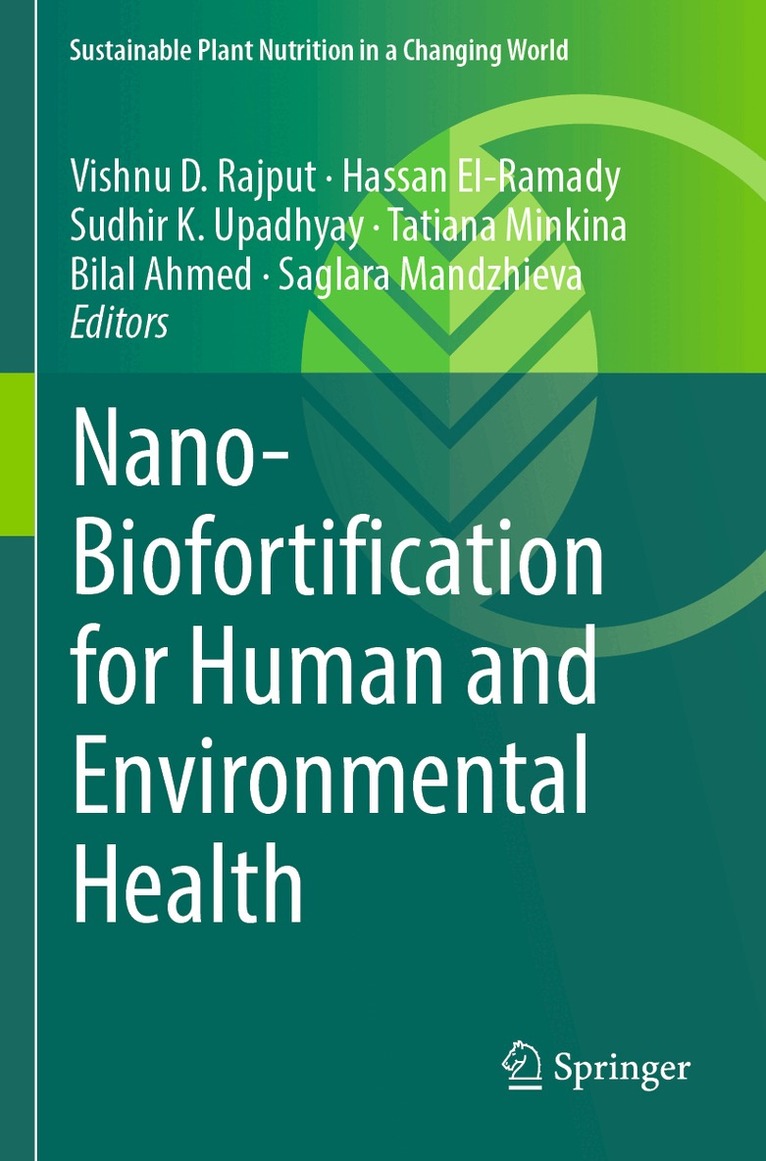
Nanotechnology has shown great potential to alleviate increasing pressure to meet food needs for our increasing human population, Novel agricultural innovations are required to enhance the health of edible crops and per unit area yield without impacting the associated environment in a negative way. Recent advancements in nanotechnology-based agricultural solutions have proven to help overcome the problems in agriculture that are associated with run-off of essential fertilizers from agricultural soils, low nutrient accumulation by crops, as well as to control insects, pests, and seasonal biotic factors, treatment of wastewater used for irrigation, plant uptake of xenobiotics (heavy metals, pesticides, industrial chemicals, drugs, and so on) that may be present in contaminated soils. Additionally, the consumption of such food crops may result in malnourishment and plant-mediated transfer of toxic substances among humans especially in underprivileged and rural populations. Agents to stimulate plant growth include various types of nanomaterials such as carbon nanotubes, metal, and metal-oxide nanoparticles. Applications of particular nutrients or elements in crop plants can be shown to aid human nourishment (either by directly inducing its uptake or indirectly through enhancing the intracellular levels of other associated elements that ultimately boost the synthesis of the desired nutrient in plants). It is also important to consider the competence and fate of nanomaterials in soil ecosystems. The entry route of nanomaterials into the environment includes both natural and anthropogenic sources. In order to achieve sustainable and safe use of nanotechnological products in agriculture, similar environmental conditions must be simulated on lab scale with the careful selection of organisms related to agriculture. Thus, emphasis should be placed on the judicial use of nano-enabled products without compromising the sustainability of the environment and human health. This comprehensive book highlights recent field research as well as contributions from academicians in the lab. This book addresses the major aspects related to nanotechnology, biofortification of crops, and human and environmental health.
Inbunden, Engelska, 2024
1 958 kr
Skickas inom 10-15 vardagar
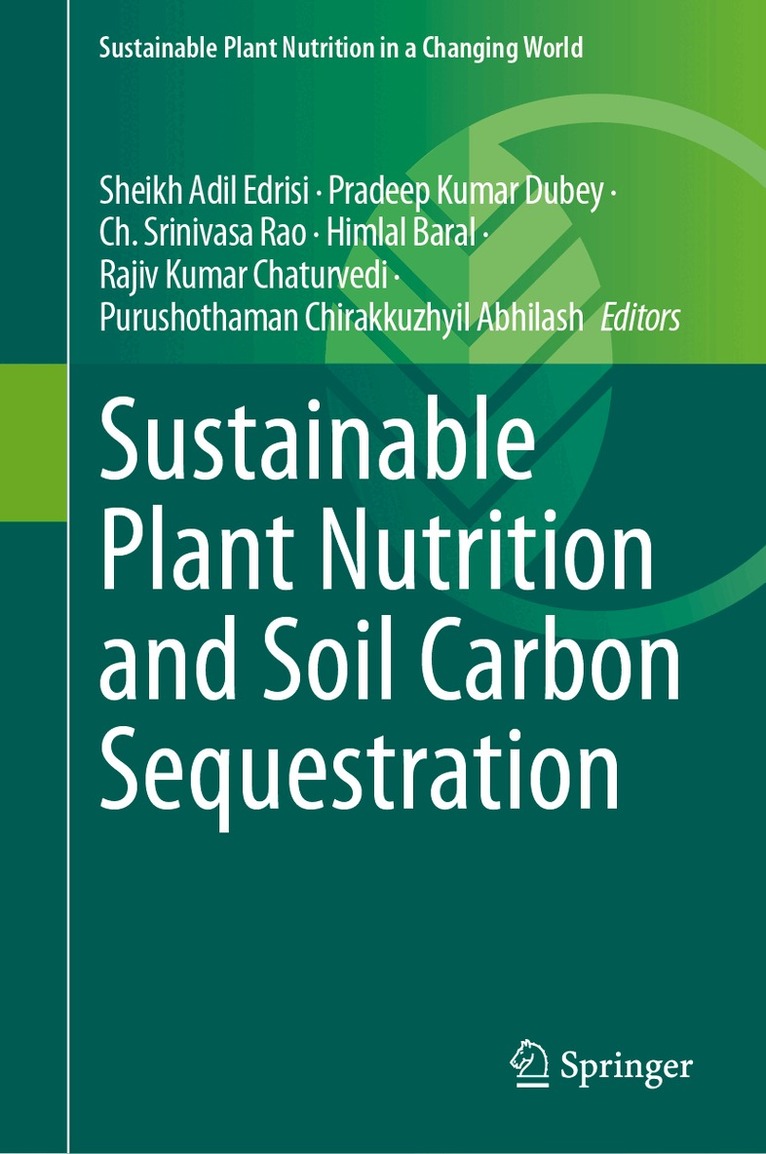
Terrestrial plant systems are an integral part of Earth’s land resources. Resources are mutually connected via the nutrient exchange phenomena. Thus, plant nutrition is crucial in managing soil fertility and land productivity. Soil organic carbon is one of the critical indicators for assessing the viability of land, and hence soil carbon sequestration, which is a burgeoning issue regarding changing climatic conditions. In this context, this book provides an essential linkage between sustainable plant nutrition and soil carbon sequestration and their management strategies that lead to multidimensional benefits for environmental sustainability. The primary purpose of this book is to explore the nexus between carbon sequestration and plant growth, its role in maintaining ecosystem services, and modeling aspects of soil carbon and nutrient dynamics. Moreover, it aims to address the growing challenges of ecological perturbations, unraveling the potential of degraded lands for food, fuel, and nutritional security, and accounting for meeting various UN SDGs.
Häftad, Engelska, 2025
1 958 kr
Skickas inom 10-15 vardagar
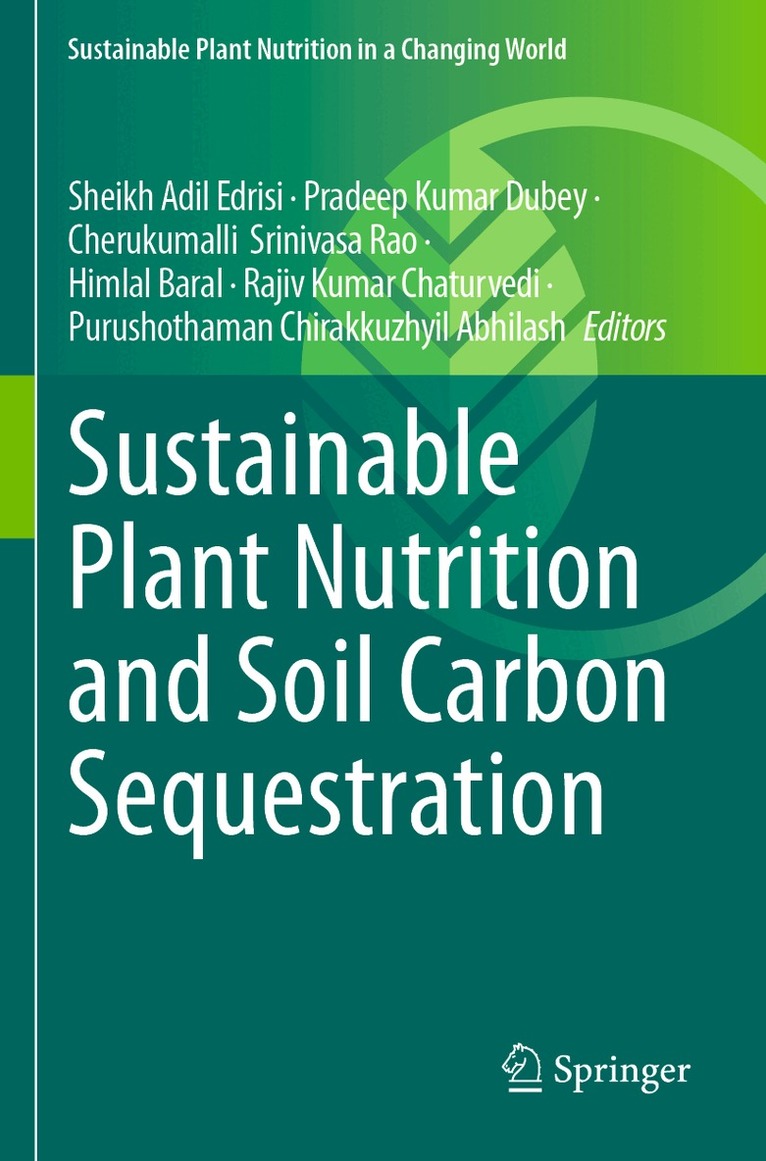
Terrestrial plant systems are an integral part of Earth’s land resources. Resources are mutually connected via the nutrient exchange phenomena. Thus, plant nutrition is crucial in managing soil fertility and land productivity. Soil organic carbon is one of the critical indicators for assessing the viability of land, and hence soil carbon sequestration, which is a burgeoning issue regarding changing climatic conditions. In this context, this book provides an essential linkage between sustainable plant nutrition and soil carbon sequestration and their management strategies that lead to multidimensional benefits for environmental sustainability. The primary purpose of this book is to explore the nexus between carbon sequestration and plant growth, its role in maintaining ecosystem services, and modeling aspects of soil carbon and nutrient dynamics. Moreover, it aims to address the growing challenges of ecological perturbations, unraveling the potential of degraded lands for food, fuel, and nutritional security, and accounting for meeting various UN SDGs.
Inbunden, Engelska, 2024
2 239 kr
Skickas inom 10-15 vardagar
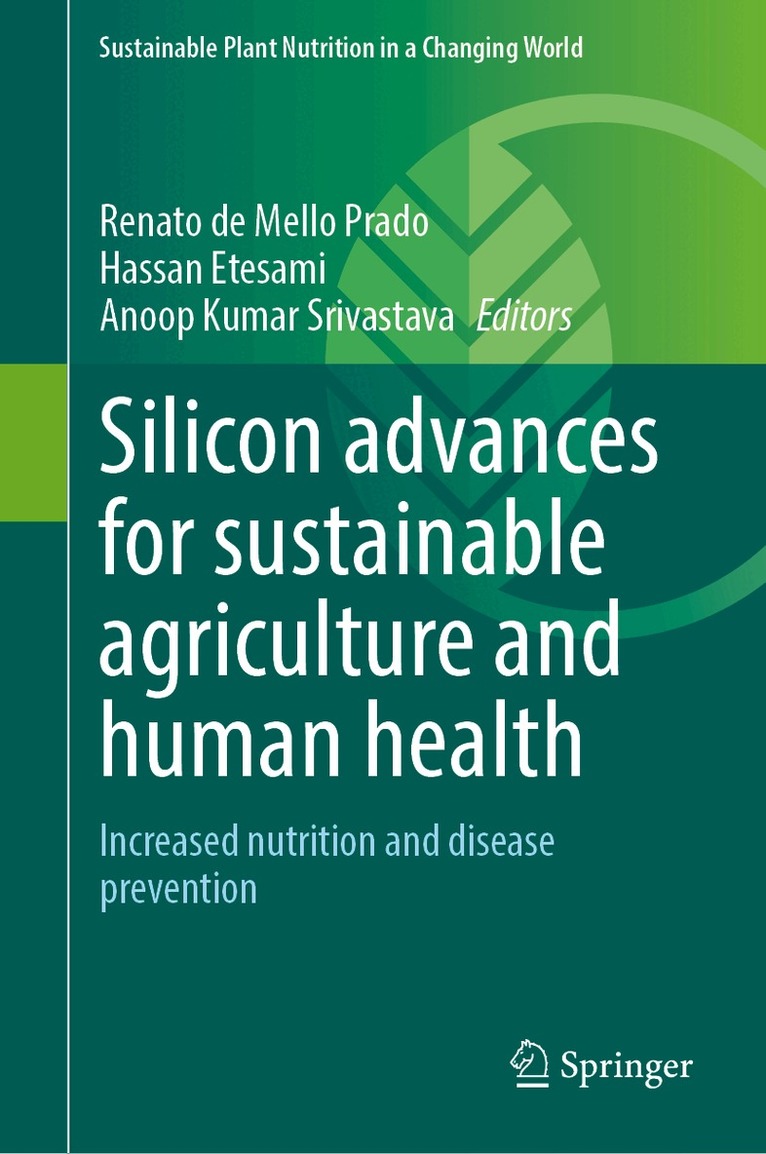
This book addresses the most innovative topics on silicon to ensure sustainability in agriculture, including advances in nanotechnology and the impact on human health. It provides innovative information on the mineral nutrition of plants with a focus on the beneficial element silicon that has attracted the attention and interest of researchers. This is happening because silicon is the only element in plant nutrition that is capable of mitigating the greatest number of stressful events during plant cultivation. Faced with climate change associated with disease pressure due to the use of transgenic cultivars that decreases genetic variability and increases the occurrence of stress in crops. Associated with this, there is a need to reduce the use of chemical pesticides in crops to favor agro-environmental sustainability and thus increases the need for the use of silicon in agriculture. This is important because the main goal of plant mineral nutrition is to meet the demand of the plant and consequently of man and his nutritional requirements, but there is a lack of work to integrate the benefits of Si in plants and consequently its reflections on human health. The information in this work will drive further research to expand knowledge and the benefits of Si in sustainable agriculture and human health, and therefore, the target audience would be researchers, professors, students from universities and research institutes, as well as company technicians.
Häftad, Engelska, 2025
2 239 kr
Skickas inom 10-15 vardagar
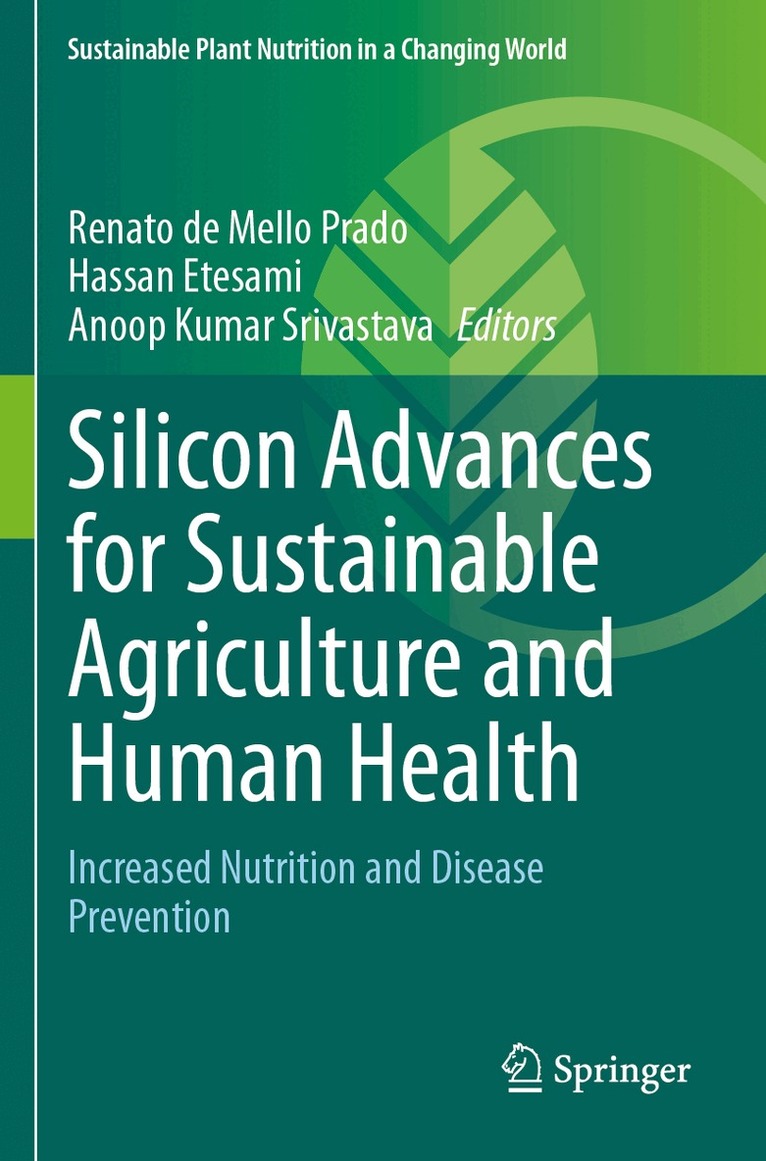
This book addresses the most innovative topics on silicon to ensure sustainability in agriculture, including advances in nanotechnology and the impact on human health. It provides innovative information on the mineral nutrition of plants with a focus on the beneficial element silicon that has attracted the attention and interest of researchers. This is happening because silicon is the only element in plant nutrition that is capable of mitigating the greatest number of stressful events during plant cultivation. Faced with climate change associated with disease pressure due to the use of transgenic cultivars that decreases genetic variability and increases the occurrence of stress in crops. Associated with this, there is a need to reduce the use of chemical pesticides in crops to favor agro-environmental sustainability and thus increases the need for the use of silicon in agriculture. This is important because the main goal of plant mineral nutrition is to meet the demand of the plant and consequently of man and his nutritional requirements, but there is a lack of work to integrate the benefits of Si in plants and consequently its reflections on human health. The information in this work will drive further research to expand knowledge and the benefits of Si in sustainable agriculture and human health, and therefore, the target audience would be researchers, professors, students from universities and research institutes, as well as company technicians.
Inbunden, Engelska, 2024
3 258 kr
Skickas inom 10-15 vardagar
This edited volume is an inclusive collection of information on crop holobiome, their function and diversity, the plausible role of soil microbes in crop growth, protection from pathogens and stresses, the use of resilient microbiomes for changing climate, and the use of new technologies to study plant-insect-microbe molecular interactions in agricultural systems.Holobiomes provide information about both plants and their microbiomes, which gives a more comprehensive insight, particularly for changing climatic scenarios. By optimizing the crop holobime function crop productivity and plant health can be enhanced manifold. This book deep dives into the numerous ways in which holobiome supports the improving plant health, nutrient uptake, disease control, and stress resistance in major food crops. It helps researchers, academicians, agri-entrepreneurs, and technologists understand the structure and function of holobiomes in crop growth, health, stress tolerance under climatic changes, and holobiome diversity and evolution. The book is also helpful in designing new dimensions in the holobiome research and development of new products and technologies.This volume is of interest and useful to agriculture scientists, microbiologists, ecologists, and is a valuable source of reference to researchers and students.
Häftad, Engelska, 2025
3 258 kr
Skickas inom 10-15 vardagar
This edited volume is an inclusive collection of information on crop holobiome, their function and diversity, the plausible role of soil microbes in crop growth, protection from pathogens and stresses, the use of resilient microbiomes for changing climate, and the use of new technologies to study plant-insect-microbe molecular interactions in agricultural systems.Holobiomes provide information about both plants and their microbiomes, which gives a more comprehensive insight, particularly for changing climatic scenarios. By optimizing the crop holobime function crop productivity and plant health can be enhanced manifold. This book deep dives into the numerous ways in which holobiome supports the improving plant health, nutrient uptake, disease control, and stress resistance in major food crops. It helps researchers, academicians, agri-entrepreneurs, and technologists understand the structure and function of holobiomes in crop growth, health, stress tolerance under climatic changes, and holobiome diversity and evolution. The book is also helpful in designing new dimensions in the holobiome research and development of new products and technologies.This volume is of interest and useful to agriculture scientists, microbiologists, ecologists, and is a valuable source of reference to researchers and students.