Translating Animal Science Research - Böcker
Visar alla böcker i serien Translating Animal Science Research. Handla med fri frakt och snabb leverans.
5 produkter
5 produkter
2 374 kr
Skickas inom 10-15 vardagar
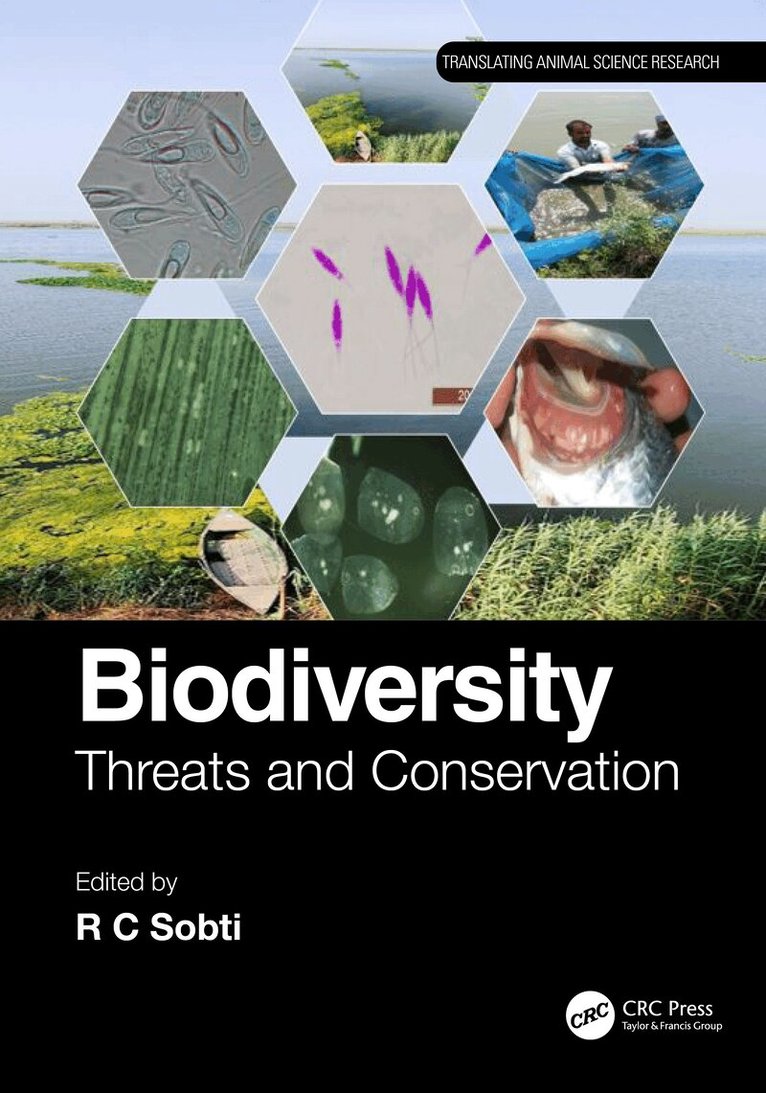
The term "biodiversity" or "biological diversity" describes the variety of living beings on Earth encompassing microorganisms, plants, animals, and ecosystems, such as coral reefs, forests, and deserts. In fact, it also represents a wealth of biological resources available to us. Today, instead of exploring and preserving its unmapped biodiversity, mankind has gone away from mother nature, conquering the domain through relentless exploitation. This has resulted in an ecological imbalance and thereby has posed serious threat to biodiversity. Declining biodiversity is, therefore, a concern for countless reasons. Biodiversity’s wealth of genetic information can be conserved by storing biological material from endangered species. Cell lines, gametes, and embryos are preserved so that in case a species becomes extinct or there is a need to increase the population of the species, then cloning and artificial reproductive techniques can be used to revive and reproduce the said species. The present volume discusses the biodiversity of specific animal groups, such as cnidarians and fish, as well as potential risks to and methods for conserving some of them. The following important aspects are addressed: 1. The importance of biodiversity in maintaining ecosystem balance for sustainability 2. The emerging role of biodiversity as a source of important materials, pharmaceuticals, food, and so on as such or through genetic manipulation to meet the contemporary and future challenges 3. The impact of environment degradation on biodiversity and conservation in a changing environment 4. Conventional and emerging biotechnological techniques to conserve biodiversity The book is intended for academics, scientists, and naturalists working in the fields of biology, biochemistry, biophysics, and biomedical sciences.
2 793 kr
Skickas inom 10-15 vardagar
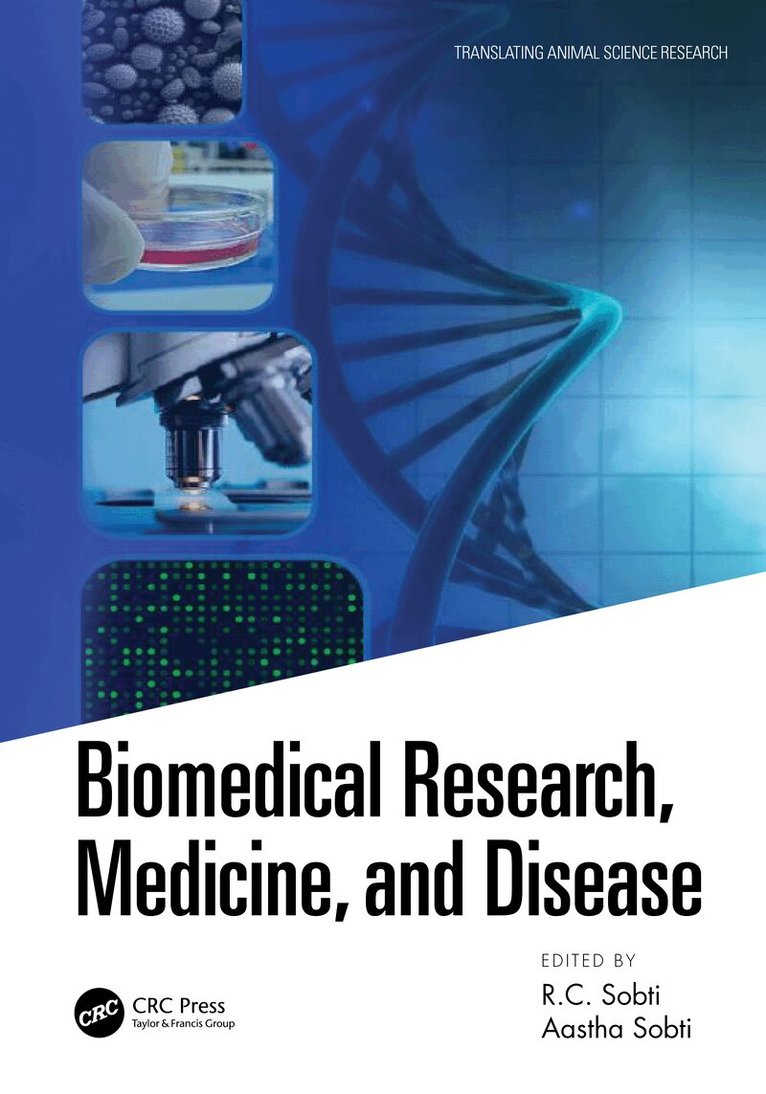
Biomedical research is the first step towards the creation of new medications and treatments that help to manage different types of health conditions and diseases. The prevention and cure of diseases would be practically impossible without such type of research. Although the drug discovery and development processes are far too costly, time-consuming, prone to failure, and have low success rate, today the term "translational research or medicine" seems to have become trendy, yet it is insufficient. The present book is a sincere attempt by dedicated researchers to convey the importance of translational biomedical research, medicine, and disease, primarily, basic and clinical difficulties in the translation of diagnostic measures, pharmaceutical advances, biomarkers, diagnostics, and therapeutics.This book is meant for researchers, scientists, healthcare professionals, industry, innovators, and students of biomedical sciences, as well as for those involved in the basic sciences, biochemistry, biotechnology, biophysics, and life sciences in general.The volume comprehensively covers:Emerging technologies for health careVarious aspects of biomedical research toward understanding of pathophysiology of the diseasesAdvances in improvement in diagnostic procedures and therapeutic toolsThe fundamental role of biomedical research in the development of new medicinal products
1 107 kr
Skickas inom 10-15 vardagar
Biomedical research is the first step towards the creation of new medications and treatments that help to manage different types of health conditions and diseases. The prevention and cure of diseases would be practically impossible without such type of research. Although the drug discovery and development processes are far too costly, time-consuming, prone to failure, and have low success rate, today the term "translational research or medicine" seems to have become trendy, yet it is insufficient. The present book is a sincere attempt by dedicated researchers to convey the importance of translational biomedical research, medicine, and disease, primarily, basic and clinical difficulties in the translation of diagnostic measures, pharmaceutical advances, biomarkers, diagnostics, and therapeutics.This book is meant for researchers, scientists, healthcare professionals, industry, innovators, and students of biomedical sciences, as well as for those involved in the basic sciences, biochemistry, biotechnology, biophysics, and life sciences in general.The volume comprehensively covers:Emerging technologies for health careVarious aspects of biomedical research toward understanding of pathophysiology of the diseasesAdvances in improvement in diagnostic procedures and therapeutic toolsThe fundamental role of biomedical research in the development of new medicinal products
2 306 kr
Skickas inom 10-15 vardagar
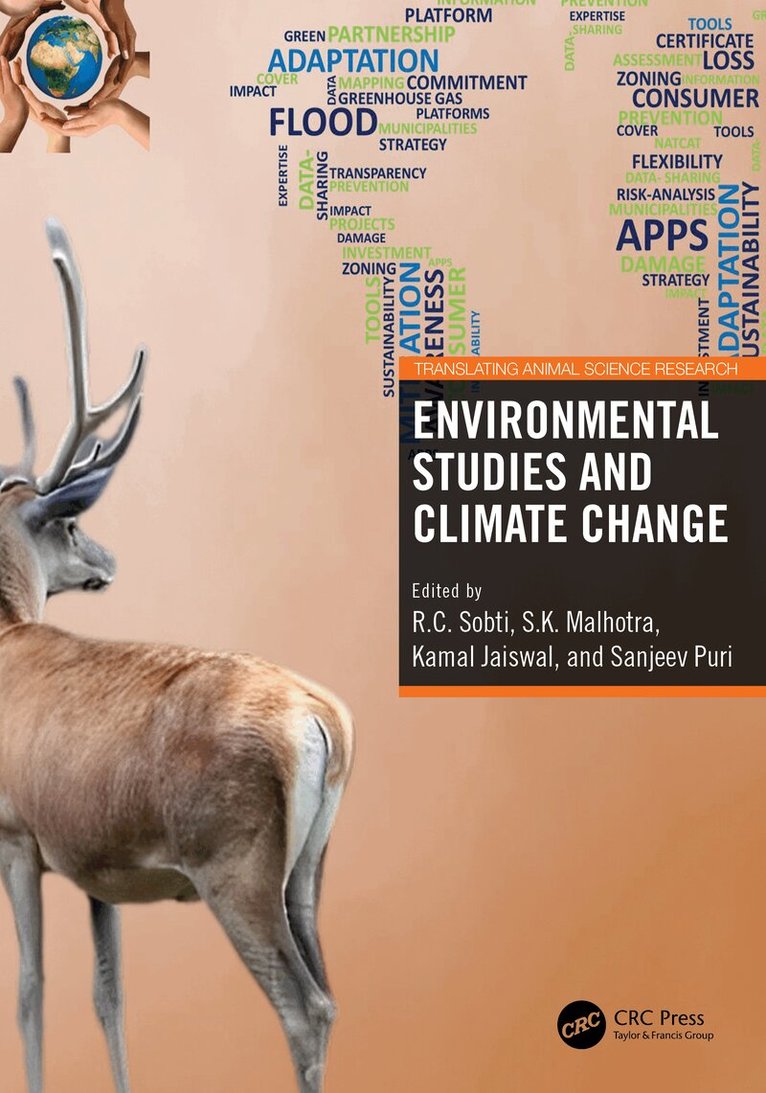
Currently, anthropogenic activities have caused unprecedented destruction of the environment at alarming rates, leading to undesirable alterations in air, land, and water. The process of environment degradation has been accelerated by industrial processes, which result in waste as well as over-consumption of natural resources. The ecological balance has been disturbed, and resources have shrunk. All this has resulted in climate change, which has emerged as a major concern in the 21st century. Changes in the environment are driven by demand for energy, water, and food to raise the standard of living. These are also responsible for climate change, with contributions from deforestation and CO2 emissions from fossil fuels such as coal and petroleum.The present volume discusses some of the main issues regarding environmental degradation and the causes as well as the impact of climate change, which is impacting the ecosystem. The effects of various pollutants, causes of climate change with case studies on geochemistry and glaciers, etc., and measures to reduce the impact on biodiversity, health, etc. are discussed in detail in its chapters. In a nutshell, this volume discusses in detail the following issues:• Anthropogenic and natural factors in environmental degradation• Climate change history, causes, and threats to abiotic and biotic systems• Case studies on the impact of climate change and living systems• Mitigation and preparedness for the future
2 171 kr
Skickas inom 10-15 vardagar
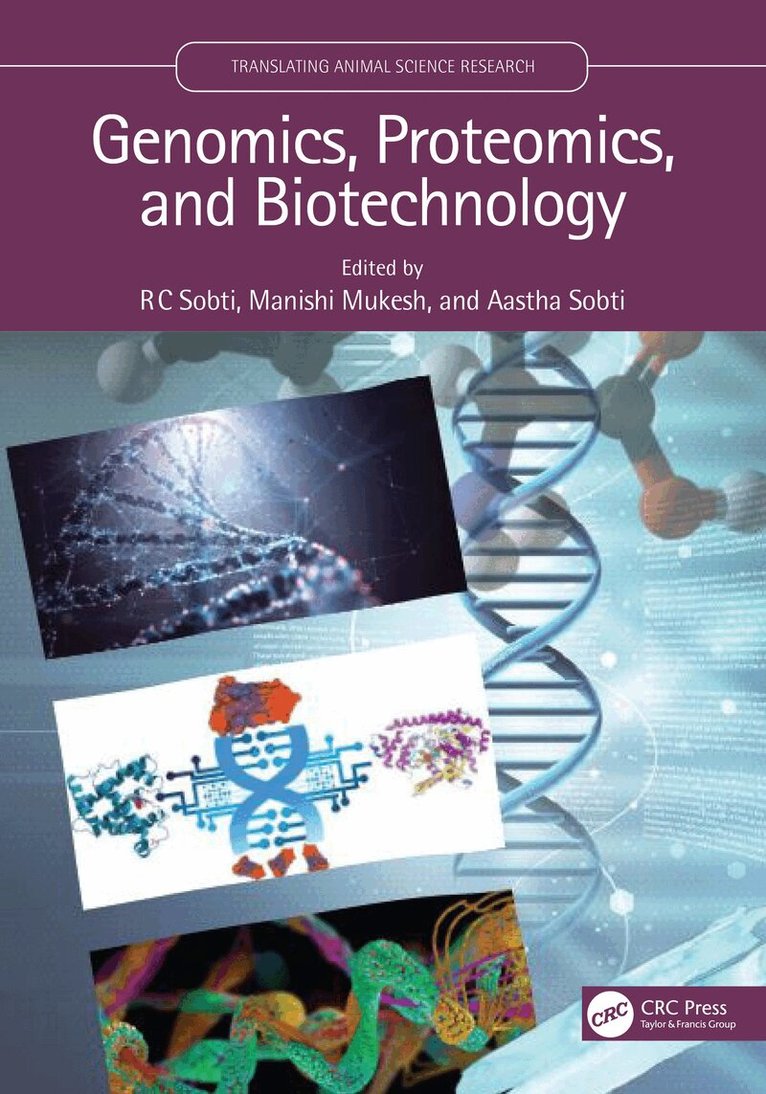
High-throughput molecular technologies ("omics") can help to decipher the contributions of different physiological systems and identify candidate molecules that are representative of different physiological pathways thereby allowing the discovery of biomarkers. Notably, the omics technologies along with and computational methods, bioprospecting, and artificial intelligence will continue to lead to better understanding of biological mechanisms that are responsible for physical attributes, or phenotypes. Research breakthroughs obtained through these technologies can be used to enhance productivity of food animals, meet the increasing demand for animal-sourced foods, enhance high-quality nutrient availability, ensure nutrient safety, mitigate the effects of climate variability, and result in new technologies that provide continued improvement in food security worldwide. Such breakthroughs are an urgent necessity because over the past 50 years, there has been an unprecedented increase in the world’s population, which will reach ten billion by the year 2050. Innovative and technological advancements that enhance all aspects of food production will arise from basic, fundamental research. Besides food, animal by-products have found many applications in the fields of pharmaceuticals, cosmetics, and household and industrial products. Hence, the need to ameliorate the productivity, reproductivity, growth performance, and disease resistance in animals has created a worldwide interest in gaining a deeper understanding of animal biology, biotechnology and genomics, and proteomics. The present volume thoroughly discusses the omics studies in domestic and non-domestic animals and their role in mitigation of various challenges ahead. The volume thus focuses on i. Omics (genomics, proteomics, transcriptomics, metabolonomics) technologies in identifying, characterizing biodiversity ii. Role of molecular techniques for improvement of domestic and non-domestic organisms iii. Animal and alternative model systems (using stem cells, tissue engineering, cell free systems, 3D platforms etc.) for studying life phenomenaiv. Genetically modified organisms as factories for the products