Woodhead Series in Bioenergy - Böcker
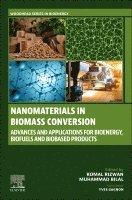
Nanomaterials in Biomass Conversion
Advances and Applications for Bioenergy, Biofuels, and Bio-based Products
2 325 kr
Skickas inom 7-10 vardagar
Nanomaterials in Biomass Conversion: Advances and Applications for Bioenergy, Biofuels and Biobased Products critically reviews basic principles and advances in nanotechnology for the production of biofuels and bioenergy. Sections explain the fundamentals of nanomaterials, their properties, characterization, and basic processes for synthesis while also reviewing various methods and technologies for the conversion of biomass to bioenergy, biofuels, and value-added products using nanomaterials. This includes homogeneous and heterogeneous nano-catalytic systems, nano-photocatalytic conversion, nanomaterial-assisted anaerobic digestion, nanoparticles-immobilized enzymes conversion, the production of biogas, volatile fatty acids, value-added products, and in carbon capture and conversion to sustainable energy products, and much more.Final sections address technoeconomics and financial viability in the context of the circular economy, risk related to toxicology, stability, and environmental impacts, and consider the various challenges and future opportunities of biomass conversion through nanomaterials.
Critically examines the role of nanomaterials in the management of waste biomass as applied to bioenergy and biofuelsExplains various nanotechnological methods for the conversion of waste biomass into value-added productsDiscusses the basic principles, operational aspects, ongoing developments, and future perspectives related to the applications of nanotechnologies and nanomaterials in biomass conversionProvides solutions to the key challenges of nanotechnologies and nanomaterials in the conversion of biomass, along with future challenges and risks2 203 kr
Skickas inom 7-10 vardagar
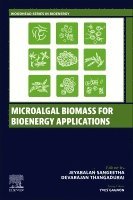
Microalgal Biomass for Bioenergy Applications presents current methods, practical applications, and research trends on diverse biofuel products from microalgae. This comprehensive book provides analyses of microalgal biology, chemical and molecular engineering techniques to scale-up algal biomass processes and biofuels conversion, and economic feasibility of value-added bioenergy co-products from a variety of microalgal strains.� Sections cover microalgal biomass availability, suitability, potential for biofuel applications, scientific and methodical aspects of biomass harvesting, sustainable and commercial applications of microalgal biofuels, including LCA, and the technological limitations and future perspectives on microalgal biofuels.
Each section offers in-depth knowledge on the fundamental and practical aspects with reference to biofuels and bioenergy production from microalgae. This book will be a valuable update for students, researchers and industry professionals working in bioenergy, and will be of interest to microbial and environmental scientists and phycologists interested in practical applications for microalgae.
Reviews all aspects of microalgal biodiversity and its structure in context of cultivation, conversation, harvesting and advantages over other conventional biomassExamines key steps and integrated approaches to enhance biofuels production from microalgaeExplains the fundamentals, practical aspects, and scale-up techniques for the production of biogas, bioethanol, biodiesel, biohydrogen and biobutanol from microalgal biomassIncludes breakthroughs, recent advances and challenges in microalgal biomass processing as feedstock for renewable biofuelsAnalyzes chemical and molecular engineering techniques to scale-up algal biomass processes and biofuels conversion, and the economic feasibility of value-added bioenergy co-products from a variety of microalgal strainsAlgal Bioreactors
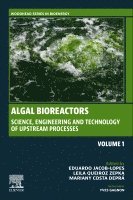
Vol 1: Science, Engineering and Technology of upstream processes
3 422 kr
Skickas inom 7-10 vardagar
Algal Bioreactors: Science, Engineering and Technology of Upstream Processes, Volume One, is part of a comprehensive two-volume set that provides all of the knowledge needed to design, develop, and operate algal bioreactors for the production of renewable resources. Supported by critical parameters and properties, mathematical models and calculations, methods, and practical real-world case studies, readers will find everything they need to know on the upstream and downstream processes of algal bioreactors for renewable resource production.Bringing together renowned experts in microalgal biotechnology, this book will help researchers, scientists, and engineers from academia and industry overcome barriers and advance the production of renewable resources and renewable energy from algae. Students will also find invaluable explanations of the fundamentals and key principles of algal bioreactors, making it an accessible read for students of engineering, microbiology, biochemistry, biotechnology, and environmental sciences.
Presents the physical, biological, environmental, and economic parameters of upstream processes in the operation and development of algal bioreactors to produce renewable resourcesExplains the main configurations and designs of algal bioreactors, presenting recent innovations and future trendsIntegrates the scientific, engineering, technology, environmental, and economic aspects of producing renewable resources and other valuable bioproducts using algal bioreactorsProvides real-world case studies at various scales to demonstrate the practical implementation of the various technologies and methods discussedAlgal Bioreactors
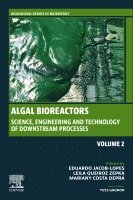
Vol 2: Science, Engineering and Technology of Downstream Processes
2 691 kr
Skickas inom 7-10 vardagar
Algal Bioreactors: Science, Engineering and Technology of Downstream Processes, Volume Two, is part of a comprehensive two-volume set that provides the knowledge needed to design, develop, and operate algal bioreactors for the production of renewable resources. Supported by critical parameters and properties, mathematical models and calculations, methods, and practical real-world case studies, readers will find everything they need to know on the upstream and downstream processes of algal bioreactors for renewable resource production.Bringing together renowned experts in microalgal biotechnology, this book will help researchers, scientists, and engineers from academia and industry overcome barriers and advance the production of renewable resources and renewable energy from algae. Students will also find invaluable explanations of the fundamentals and key principles of algal bioreactors, making it an accessible read for students of engineering, microbiology, biochemistry, biotechnology, and environmental sciences.
Presents the physical, biological, environmental, and economic parameters of downstream processes in the operation and development of algal bioreactors to produce renewable resourcesExplains the main configurations and designs of algal bioreactors, presenting recent innovations and future trendsIntegrates the scientific, engineering, technology, environmental, and economic aspects of producing renewable resources and other valuable bioproducts using algal bioreactorsProvides real-world case studies at various scales to demonstrate the practical implementation of the various technologies and methods discussed2 264 kr
Skickas inom 7-10 vardagar
2 812 kr
Skickas inom 7-10 vardagar
Advanced Transport Biofuels: Production, Economics, and Sustainability provides a comprehensive review of the latest in the global production, economics, and sustainability of advanced transport biofuels. Drawing upon the latest developments in academia and industry globally, the book reviews biofuels policy and the technoeconomics of biofuels production. The technical considerations in the combustion of biofuels are discussed alongside the latest lab-scale and industrial-level combustion property testing using biofuels and biojet fuels. Finally, a lifecycle analysis of biofuel production is conducted related to the sustainability issues in production.This is an invaluable review of the current state of the biofuels industry, policies, technologies, and economic and sustainability issues related to biofuels applications that will be of interest to graduate students and researchers involved in the development and implementation of alternative fuels in the transportation industry. The book will also be of interest to professional engineers and policymakers working in the automotive industry and involved in the application of alternative fuels.
Synthesizes the latest data on global biofuel production and consumption, biofuel emissions, projection of growth of biofuel production, trends in biofuel production based on the latest industrial reports, and academic reviewsAnalyzes global trends in GHG emissions of biofuels usage in the transportation sectorCompares biofuel policy across different regions, including industrial initiatives in promoting sustainable biofuelsPresents state-of-the-art technology in sustainable biofuel production, emerging technology of fuel production from different biomass, and an overview of current biofuel production worldwide2 325 kr
Skickas inom 7-10 vardagar
Biofuels Production from Lignocellulosic Materials presents the latest scientific and technical advances in the bioprocessing of lignocellulosic materials for disposal, resource recovery, and biofuel and bioenergy production. The book emphasizes the main chemical and biological properties of lignocellulosic materials, its pre-treatment, emerging nutrient recovery technologies, the role of microbial biotechnology in lignocellulosic materials management, and the sustainable use of biofuel for anthropogenic activities to fulfil energy demand. Lignocellulose biorefinery outcomes are examined from multiple perspectives, including applied chemical, mechanical, and enzymatic pre-treatments technologies, and cost-effective and energy-efficient options for developing high value-added products.This is a valuable reference for scientists, researchers, engineers, and industrial practitioners, as well as graduate and postgraduate students working on the utilization of lignocellulosic materials.
Explores sustainable resource recovery and utilization of lignocellulosic materials for technology development within organic waste recycling and disposalCritically discusses the development of industrial sustainable bioprocessing of lignocellulosic materials and market demand of bioenergy and biofuel productionExamines industrial applications of biological and thermochemical lignocellulosic materials recycling towards emerging nutrient recovery technologies2 873 kr
Skickas inom 7-10 vardagar
From Crops and Wastes to Bioenergy: Current Status and Challenges is a comprehensive volume on all aspects of biomass utilization for bioenergy, from the fundamentals to the latest commercial and regulatory issues. The book examines all aspects of biomass utilization, from technologies and processes to products. Sections examine the role of biomass in the energy transition, land availability for bioenergy projects, biomass logistics and supply chain, and assesses the lifecycle of bioenergy systems. Chapters are dedicated to each energy conversion route, including thermochemical, biochemical, and chemical, biofuels synthesis, hydrogen from biomass, biorefineries, electricity generation, and waste-to energy.Policy and regulatory issues are also considered. Each chapter reviews the state-of-the-art, discusses disruptive technological approaches, and concludes with specific recommendations on how to achieve commercial competitiveness. Case studies provide examples of real-world applications in each chapter.
Reviews the state-of-the-art of the topic, discussing disruptive technological approaches and concluding with specific recommendations on how to achieve commercial competitivenessCritically compares the various energy conversion routes, including thermochemical, biochemical, chemical, biofuel synthesis, hydrogen from biomass, biorefineries, electricity generation, and waste-to-energyAnalyzes sustainability issues related to land availability, biomass logistics, and supply chain, as well as the role of bioenergy in the energy transition, lifecycle assessments, and policies and regulatory issues2 203 kr
Skickas inom 7-10 vardagar
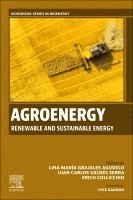
Agroenergy: Renewable and Sustainable Energy presents developments in agroenergy. With a particular focus on sustainability, each section of the book - crop productivity, biofuel production based on feedstock generation, and bioenergy production technologies - addresses different aspects of the agroenergetic production chain, identifying strategies for enhanced yields and reduced risks. Sample sections explain the theoretical and economic aspects related to crop productivity, along with issues related to circular economy, lifecycle assessments, and impacts of future climate scenarios. Other chapters discuss biofuel production based on feedstock generation, describe the valorization of biomass residues, address pretreatment issues, and more.
This book will be of interest to scientists, researchers, engineers, industrial practitioners, graduate and postgraduate students, and anyone working in any agroenergy sector.
Examines all aspects related to agroenergy, with a focus on the sustainability of the sector Analyzes crop productivity and explains how to improve yields for biofuel production Discusses bioenergy production technologies and the residue usage for further transformationBiofuels and Sustainability
Life Cycle Assessments, System Biology, Policies, and Emerging Technologies
2 203 kr
Skickas inom 7-10 vardagar
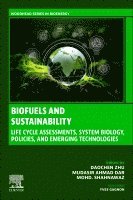
Biofuels and Sustainability: Life-cycle Assessments, System Biology, Policies, and Emerging Technologies presents the current progress and challenges related to the sustainability of biofuels. Addressing a wide range of issues, the book examines the methods and technologies, policies for sustainable biofuels, impacts of advanced fuels, recent advances, and future research prospects. Reflecting new developments, emphasis is given to new biological/biochemical approaches that offer the most efficient, cost-effective, and sustainable strategies for biofuel production.Divided into five parts, the first provides an overview of biofuels, the need for alternate fuels, carbon footprints, life cycle assessments, environmental aspects, various generations of biofuels, biofuel production from lignocellulosic material, and artificial intelligence in biofuel production. Part 2 examines the various methods and technologies for biofuels production, with case studies from the USA, UK, and Brazil. Part 3 explores the policies for sustainable biofuels, including current standards, with applications from the USA, European Union, Asia, and Africa. Part 4 analyses the impacts of advanced fuels in the decarbonization of transport, climate change mitigation, sustainable agriculture, and water resources, with perspectives from developed and developing countries. Finally, Part 5 critically reviews the recent advances and future research prospects related to termites, insects, metabolic engineering, microorganisms, and bioreactors.
Provides carbon footprints and lifecycle assessments of biofuel and bioproduct production from 2nd and 3rd generation feedstocks and compliance with the international standardsHighlights the emerging applications of systems biology in biofuel and bioenergy production, including biomimetics and protein engineeringAnalyzes the sustainable production of biofuels at various stages, such as feedstock production, biomass pre-treatment and novel bioprospectionExplains the technological challenges of biofuel production, designing novel bioreactors, and value-added processing of biofuel residuesDiscusses and analyses biofuel and bioenergy policies from various countries and various regions of the world2 020 kr
Skickas inom 7-10 vardagar
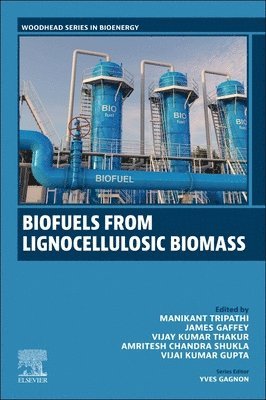
Biofuels from Lignocellulosic Materials is part of a companion set of three books that explores the various possibilities of adding value to lignocellulosic biomass materials by transforming them into bioproducts, biofuels, and biomaterials. With an emphasis on microbial biotechnological solutions, each volume examines how renewable natural resources, agriculture waste management, and valorization of agro-wastes can sustainably produce energy and fuels, nutraceuticals and pharmaceuticals, chemicals, and biomaterials. This volume addresses all aspects of biofuel production from lignocellulosic materials, covering technological challenges, international policies, marketability, techno-economic analysis & LCA studies, and challenges & future perspectives.The book highlights recent advancements and challenges of lignocellulosic biomass conversion into biofuels within a biorefinery concept, and explains technological approaches and the role of microorganisms and their mechanisms. Recent thermo-chemical and biotechnological approaches are explored, along with their mechanisms of action for the development of biofuels such as biodiesel, bioethanol, biomethane, biobutanol, producer gas, syngas, hydrogen, dimethylfurane, bio-LPG, and gasoline. Chemical, enzymatic, and advanced microbial biotechnology approaches used in biomass pretreatment are explained, showing readers how to increase biofuel yields from lignocellulosic raw materials. Genetic and metabolic engineering methods that can improve biofuel production are also discussed.
Links technological interventions and modern biotechnological methods to provide strategies for the development of biofuels using renewable lignocellulosic resourcesPresents recent advanced techniques for biofuels' production from lignocellulosic biomassExplores microbial biotechnological approaches and challenges in the valorization of lignocellulosic biomass into biofuelsExplains advanced pretreatment and techno-economic analyses of lignocellulosic biomassIdentifies research gaps in existing and upcoming technologies in the valorization of lignocellulosic materials2 569 kr
Skickas inom 7-10 vardagar
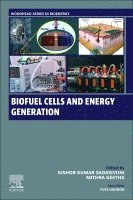
Biofuel Cells and Energy Generation analyzes the current state-of-the-art and offers solutions to key challenges in developing carbohydrate-based biofuel cell technology. The book provides a critical review of biofuel cell technology, including principles, components, applications, obstacles, and prospects, and assesses the economic, safety, health, and environmental implications. Sections focus on the diversity of biomass resources, the fundamental characteristics of biomass, the major effects of biomass composition variations on biofuel cell technology, and a thorough review of the research literature on approaches for decreasing the detrimental impacts of biomass variability on fuel cells.In addition, a comprehensive examination of biofuel cell technology's current state and applications is presented that is supported by an explanation of the fundamentals, concepts, mechanisms, characteristics, optimal parameters, analytical characterization techniques, diverse types, all-category materials, catalysts, engineering designs, implantable biofuel cells, applications, and critical criteria. A variety of applications are addressed, including power implanted devices in biomedical applications, biosensors for smart communities, and nanomaterials for biofuel cells, among others. For each application, unresolved issues are identified, and solutions proposed.
Critically evaluates a range of biofuel cell applications from energy generation biomedical applicationsPresents solutions to the current challenges in biofuel cell research, notably how to improve current and power density output, cell design, and long-life operationProvides an economic performance assessment, as well as health, safety, and environmental assessmentsExplores the use of a diverse range of carbohydrate-based biomass resourcesDiscusses recent advances and unique biofuel cell nanomaterial techniques, as well as various immobilization methods for incorporating the nanomaterial matrix and performance analysis methodologiesExamines unresolved concerns surrounding industrial scale-up of biofuel cell technology, as well as new hurdles in the sector2 203 kr
Skickas inom 7-10 vardagar
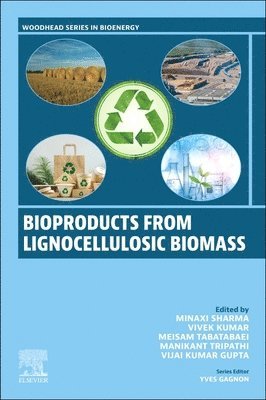
Bioproducts from Lignocellulosic Biomass is part of a companion set of three books that explores the various possibilities of adding value to lignocellulosic biomass materials by transforming them into bioproducts, biofuels, and biomaterials. With an emphasis on microbial biotechnological solutions, each volume examines how renewable natural resources, agriculture waste management, and valorization of agro-wastes can sustainably produce energy and fuels, nutraceuticals and pharmaceuticals, chemicals, and biomaterials. This book addresses all aspects of value-added bioproducts production from lignocellulosic materials.The opening chapter of the book reviews the fundamentals of biotechnology and biochemistry and provides an overview of lignocellulose, its properties, potential use, volume of production and by-products, and economical importance. Following this, chapters provide critical reviews of the latest developments in lignocellulosic biomass conversion into value-added products and provide step-by-step guidance on key processes and methods, including genetic engineering approaches, microbial pathways, thermochemical routes, and pre-treatment technologies. Various technological approaches are explained, including novel, eco-friendly methods for biomass conversion that reduce waste, and the role of microorganisms and their mechanisms are explored in depth.
Links technological interventions and modern biotechnological methods to provide strategies for the development of bioproducts using renewable lignocellulosic resourcesCritically evaluates the issues of using lignocellulosic biomass for bioproducts and presents solutions using modern microbial biotechnological approachesExplains the problems related to lignocellulosic waste management and their valorization into valued productsEmphasizes the role of microbial technology in valorization of lignocellulosic biomass2 379 kr
Skickas inom 11-20 vardagar
Biomaterials from Lignocellulosic Biomass is part of a companion set of three books that explores the various possibilities of adding value to lignocellulosic biomass materials by transforming them into bioproducts, biofuels, and biomaterials. With an emphasis on microbial biotechnological solutions, each volume examines how renewable natural resources, agriculture waste management, and valorization of agro-wastes can sustainably produce energy and fuels, nutraceuticals and pharmaceuticals, chemicals, and biomaterials. This book all aspects of biomaterials production from lignocellulosic materials. The book examines recent innovative approaches for conversion and assesses the role of engineered microorganisms and their mechanisms of action for biomaterials production.The opening chapter of the book reviews the properties, types, production, and applications of various biomaterials. Following this, readers will find critical reviews of the latest developments and step-by-step guidance on key processes and methods, including novel, eco-friendly methods for biomass conversion that reduce waste. Finally, dedicated chapters review the techno-economic and LCA of lignocellulosic biomass conversion into different biomaterials such as bio-adhesives, biopolymers, bio-packaging materials, bioplastics, and value-added functional biomaterials.
Links technological interventions and modern biotechnological methods to provide strategies for the development of biomaterials using renewable lignocellulosic resourcesExplores the role of microbial technology and metabolic engineering in the valorization of lignocellulosic biomassCritically reviews the techno-economic aspects of the conversion of lignocellulosic biomass into different biomaterials such as bio-adhesives, biopolymers, bio-packaging materials, bioplastics, and value-added functional biomaterialsSustainability of Methylic and Ethylic Biodiesel Production Routes
Social and Environmental Impacts via Multi-criteria and Principal Component Analyses using Brazilian Case Studies
1 715 kr
Skickas inom 7-10 vardagar
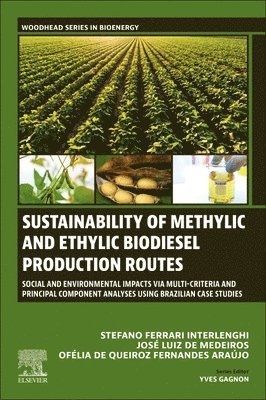
Sustainability of Methylic and Ethylic Biodiesel Production Routes: Social and Environmental Impacts via Multi-criteria and Principal Component Analyses using Brazilian Case Studies presents an innovative, quantitative methodology for the assessment of the social and environmental sustainability of methylic and ethylic production routes. Sections explain the key steps in assessing the social and environmental impacts of biofuel production chains, including an overview of biodiesel properties and its production chains, common metrics for environmental, social and economic impacts, explain sustainability indicator variabilities and detect similarities among different classes of sustainability indicators, and cover techno-economic considerations.
Finally, several appendices provide readers with MATLAB codes for solving Principal Component Analysis and Multi-Criterial Sustainability Analysis problems in the context of biodiesel chains or in the context of agronomy and agronomics. This book is an invaluable reference for anyone working on biofuels and bioenergy, including scientific, technical, management, social, environmental and policy professionals.
Presents analytical methodologies for the sustainability assessment of biodiesel processes using case studies from the Brazilian biodiesel sector Explains Multi-Criteria Sustainability Analysis for ranking technologies and producing chains in terms of environmental and social sustainability from large sets of indicators and statistics Provides MATLAB-based examples of Principal Component Analysis and Multi-Criteria Analysis problems Offers case studies from the second largest biodiesel chain in the world, Brazil2 264 kr
Skickas inom 7-10 vardagar
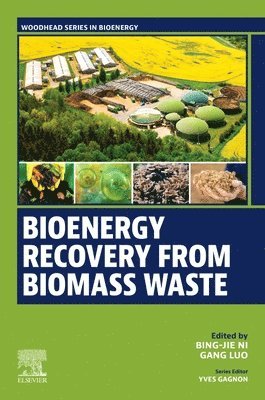
Innovations in the Global Biogas Industry: Applications of Green Principles critically reviews the whole biogas supply chain from substrates to upgraded biogas. The book evaluates the application of green principles at each stage of biogas production and combines this with case studies and a review of the latest technological advances to produce a comprehensive assessment of the current state of the biogas industry. The first three sections of the book guide the reader through the whole supply chain of biogas production, from feedstock and waste management, to process design, plant design, operation, optimization, and end products.The sustainability of biogas industry operations is then addressed in-depth through a lifecycle assessment, alongside the techno-economics and safety considerations. Each section considers small-, medium-, and large-scale biogas plant related developments, and how green principles are applied at each scale. Finally, the critical element of biogas industry stakeholders is explored, which discusses financing mechanisms, policies and regulations, global markets, and governance issues relating to the biogas sector.
Presents recent innovations in the biogas industry, with an emphasis on the sustainability of anaerobic digestion applicationsAnalyzes anaerobic digestion from various angles, from feedstock management to the integration of green and sustainability principles in biogas applicationsAssesses the whole supply chain of biogas production, including plant design and operation, substrate to product issues as well as techno-economics and safety considerationsIncludes small-, medium- and large-scale biogas plant related developmentsAddresses the topic of stakeholder issues in the biogas industryMicroalgal Biofuels
Sustainable Production, Conversion, and Life Cycle Assessment
2 386 kr
Skickas inom 7-10 vardagar
Microalgal Biofuels: Sustainable Production and Conversion is a comprehensive guide to the latest advancements in microalgal biofuels. The book provides systematic coverage of the processes of biofuel production, from microalgae biomass resources to biomass conversion processes and catalytic materials. It delves into the critical topic of sustainability, addressing LCA approaches to evaluate the environmental impacts of microalgal-based biofuels. It provides practical information and guidance on the latest strategies, opportunities, and challenges in the transition to sustainable bioenergy. This is an invaluable reference for students, researchers, and industrial practitioners working on biofuels, biotechnology, bioprocess engineering, and biomass conversion.Divided into four sections, the first section introduces the principles of microalgal biology and cultivation, including an overview of the different types of microalgae, their growth requirements, and the cultivation systems used for large-scale production. The second section explains the conversion of microalgal biomass into biofuels, including biodiesel, bioethanol, biogas, and hydrogen. Each chapter in this section covers a different biofuel pathway, highlighting the technological advancements, challenges, and opportunities for scaling up production. The third section of the book explores the sustainability aspects of microalgal biofuel production, including the use of waste streams and the integration of biofuel production with other industries. This section also covers the LCA approaches used to evaluate the environmental impacts of microalgal biofuels and the strategies for enhancing their sustainability. The fourth and final section of the book examines the commercialization and prospects of microalgal biofuels. This section covers the market potential of microalgal biofuels, the regulatory landscape, and the challenges and opportunities for the industry.
Presents the latest advancements in microalgal-based biofuel production and sustainabilityOffers comprehensive coverage of microalgal biomass resources, conversion processes, and catalytic materialsProvides sustainability and environmental impacts using lifecycle assessment (LCA) approachesIncludes a detailed analysis of the commercialization and prospects of microalgal biofuels2 020 kr
Skickas inom 7-10 vardagar
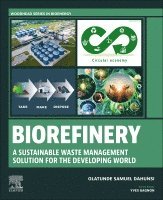
Biorefinery: A Sustainable Waste Management Solution for the Developing World presents a comprehensive introduction to the new field of biorefinery as a sustainable waste management solution. With an emphasis on developing economies, the book explains how to develop sustainable methods for the collection, sorting, storage, and processing of waste streams for the production of fuels and platform chemicals. The first four chapters introduce the theoretical framework for the analysis of the various waste streams for bioenergy production, with an emphasis in developing countries. These introductory chapters are followed by a thorough examination of specific waste streams for bioenergy production, addressing every known waste feedstock in detail. Subsequent chapters explain biorefinery concepts for these waste feedstocks, addressing different biorefinery approaches, as well as considering important topics like pretreatment, microorganisms, and value-added products in dedicated chapters. Finally, the book discusses the policies, economics, and strategies for waste management and waste valorization.
Analyzes the extent of adoption and the prospects of biorefinery in developing countries and emerging economiesBridges the gap between theoretical concepts of biorefinery and end-users working in developing countriesIntegrates the principles of sustainable development and the circular economy2 203 kr
Skickas inom 7-10 vardagar
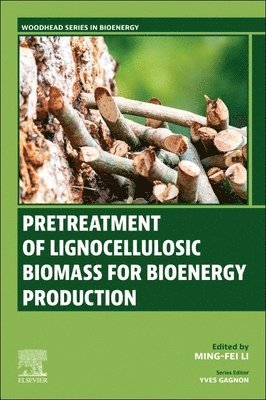
Pretreatment of Lignocellulosic Biomass for Bioenergy Production presents the latest developments in the pretreatment of recalcitrant lignocellulosic materials. With an emphasis on commercially ready and near-commercially ready technologies, the book comprehensively analyzes the physical, chemical, and biological methods for biomass pretreatment. Sections cover a systematic review of the anatomy and ultrastructure of plant cell walls, the chemical structure of cellulose, hemicelluloses, lignin, lignin-carbohydrate complexes, and the methods for their analysis. With its extensive coverage of pretreatment techniques, structural analysis, and utilization of by-products, this book serves as a valuable resource for researchers and professionals in the field of biofuel production.Additional sections delve into the various pretreatment technologies, including physical, physical-chemical, chemical, biological, and combined approaches. The advantages and disadvantages are examined, and industrial and pre-industrial applications are presented. Finally, saccharification and fermentation methods, enzyme engineering, and the utilization of by-products generated during the pretreatment and fermentation processes are covered. By-products such as xylan, 5-HMF, furfural, phenolic compounds, organic acids, and lignin are discussed in terms of their further conversion and applications.
Critically evaluates the latest developments in the pretreatment of recalcitrant biomass for biofuelsAddresses the utilization of co-products in the production of biomass energyPresents case studies of lignocellulosic pretreatment from industry production plants and perspectives1 959 kr
Kommande
2 142 kr
Skickas inom 7-10 vardagar
2 093 kr
Skickas inom 7-10 vardagar
Electrochemical Biomass Conversion
Sustainable Processes and Applications for Bioenergy, Biofuels, and Bioproducts
1 995 kr
Kommande
Biotechnology Processes in Bioenergy
Advances and Applications for Biomass, Biofuels, and Bioproducts
2 386 kr
Kommande
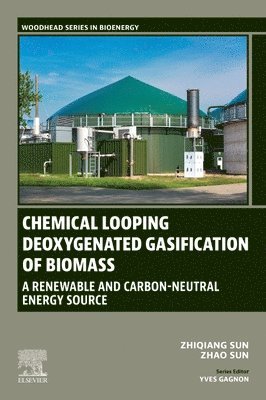
Chemical Looping Deoxygenated Gasification of Biomass
A Renewable and Carbon-Neutral Energy Source
2 020 kr
Kommande
Biotransformation of Food Waste into Bioenergy
Processes, Innovations, and Environmental Implications
2 020 kr
Kommande
2 176 kr
Skickas inom 11-20 vardagar
2 020 kr
Kommande
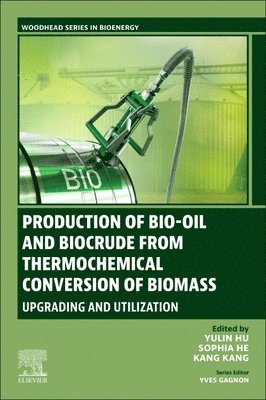
Production of Bio-Oil and Biocrude from Thermochemical Conversion of Biomass
Upgrading and Utilization
1 837 kr
Skickas inom 7-10 vardagar
2 020 kr
Kommande