Woodrow Wilson Center Series – serie
Visar alla böcker i serien Woodrow Wilson Center Series. Handla med fri frakt och snabb leverans.
19 produkter
19 produkter
Inbunden, Engelska, 2018
968 kr
Skickas inom 5-8 vardagar
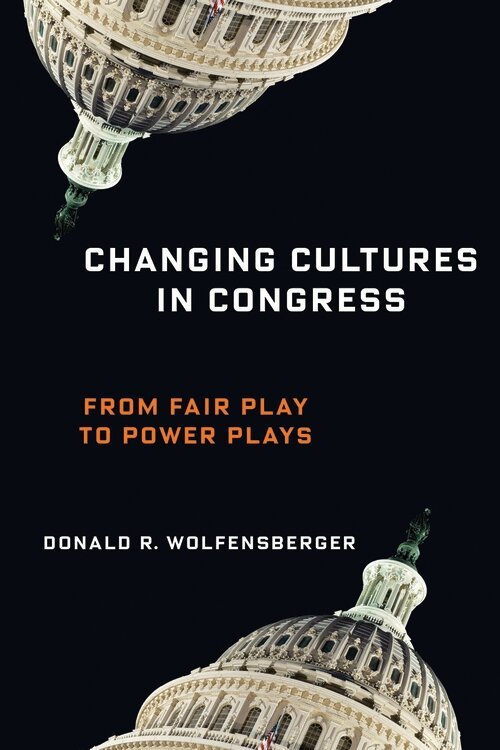
The United States Congress has been described as dysfunctional, gridlocked, polarized, hyperpartisan, chaotic, and do-nothing. In Changing Cultures in Congress, congressional scholar Donald R. Wolfensberger explains the institutional dynamics behind Congress’s devolution from a respected legislative institution to a body plagued by a win-at-any-cost mentality and a culture of perpetual campaigning.In both a historical and present-day account of congressional dysfunction, Wolfensberger explores the causes of legislative standstill and the methods used by majorities and minorities that have led to today’s policy paralysis. He describes how Congress has gradually abandoned its commitment to fair and neutral procedures that safeguard both majority rule and minority rights in favor of “power House rules”—procedures and processes that advantage the majority party’s electoral goals as opposed to neutral rules that preserve minority party and individual member rights to full participation in the legislative process. Through historical sketches and case studies from the past decade under both Republican and Democratic majorities, he shows how both parties have gamed what the founders intended would be an impartial set of legislative rules into a system that advantages majorities and marginalizes minorities. Digging deeper than superficial partisan explanations, Wolfensberger gives a thorough and persuasive explanation for our legislative leaders’ inability to find substantive policy solutions that are in the national interest.
Häftad, Engelska, 2018
247 kr
Skickas inom 5-8 vardagar
The United States Congress has been described as dysfunctional, gridlocked, polarized, hyperpartisan, chaotic, and do-nothing. In Changing Cultures in Congress, congressional scholar Donald R. Wolfensberger explains the institutional dynamics behind Congress’s devolution from a respected legislative institution to a body plagued by a win-at-any-cost mentality and a culture of perpetual campaigning.In both a historical and present-day account of congressional dysfunction, Wolfensberger explores the causes of legislative standstill and the methods used by majorities and minorities that have led to today’s policy paralysis. He describes how Congress has gradually abandoned its commitment to fair and neutral procedures that safeguard both majority rule and minority rights in favor of “power House rules”—procedures and processes that advantage the majority party’s electoral goals as opposed to neutral rules that preserve minority party and individual member rights to full participation in the legislative process. Through historical sketches and case studies from the past decade under both Republican and Democratic majorities, he shows how both parties have gamed what the founders intended would be an impartial set of legislative rules into a system that advantages majorities and marginalizes minorities. Digging deeper than superficial partisan explanations, Wolfensberger gives a thorough and persuasive explanation for our legislative leaders’ inability to find substantive policy solutions that are in the national interest.
Inbunden, Engelska, 2019
420 kr
Skickas inom 5-8 vardagar
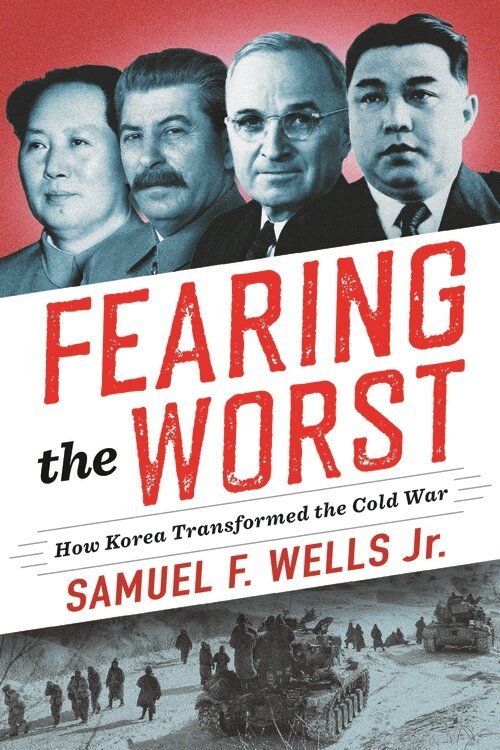
After World War II, the escalating tensions of the Cold War shaped the international system. Fearing the Worst explains how the Korean War fundamentally changed postwar competition between the United States and the Soviet Union into a militarized confrontation that would last decades.Samuel F. Wells Jr. examines how military and political events interacted to escalate the conflict. Decisions made by the Truman administration in the first six months of the Korean War drove both superpowers to intensify their defense buildup. American leaders feared the worst-case scenario—that Stalin was prepared to start World War III—and raced to build up strategic arms, resulting in a struggle they did not seek out or intend. Their decisions stemmed from incomplete interpretations of Soviet and Chinese goals, especially the belief that China was a Kremlin puppet. Yet Stalin, Mao, and Kim Il-sung all had their own agendas, about which the United States lacked reliable intelligence. Drawing on newly available documents and memoirs—including previously restricted archives in Russia, China, and North Korea—Wells analyzes the key decision points that changed the course of the war. He also provides vivid profiles of the central actors as well as important but lesser known figures. Bringing together studies of military policy and diplomacy with the roles of technology, intelligence, and domestic politics in each of the principal nations, Fearing the Worst offers a new account of the Korean War and its lasting legacy.
Inbunden, Engelska, 2021
2 715 kr
Skickas inom 3-6 vardagar
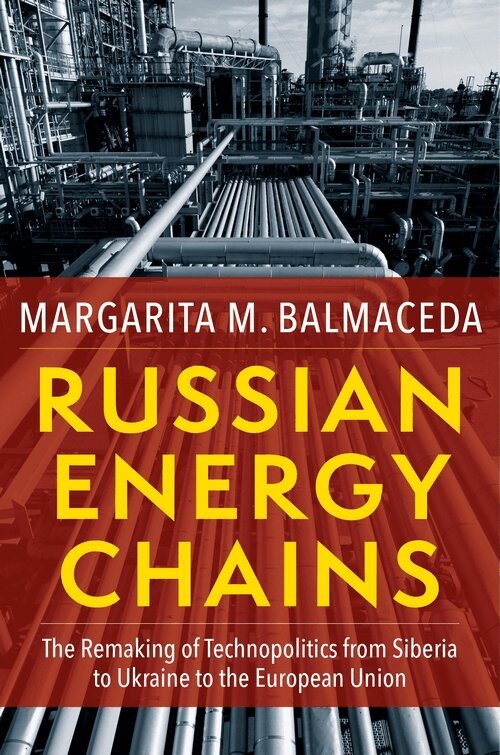
Russia’s use of its vast energy resources for leverage against post-Soviet states such as Ukraine is widely recognized as a threat. Yet we cannot understand this danger without also understanding the opportunity that Russian energy represents. From corruption-related profits to transportation-fee income to subsidized prices, many within these states have benefited by participating in Russian energy exports. To understand Russian energy power in the region, it is necessary to look at the entire value chain—including production, processing, transportation, and marketing—and at the full spectrum of domestic and external actors involved, from Gazprom to regional oligarchs to European Union regulators.This book follows Russia’s three largest fossil-fuel exports—natural gas, oil, and coal—from production in Siberia through transportation via Ukraine to final use in Germany in order to understand the tension between energy as threat and as opportunity. Margarita M. Balmaceda reveals how this dynamic has been a key driver of political development in post-Soviet states in the period between independence in 1991 and Russia’s annexation of Crimea in 2014. She analyzes how the physical characteristics of different types of energy, by shaping how they can be transported, distributed, and even stolen, affect how each is used—not only technically but also politically. Both a geopolitical travelogue of the journey of three fossil fuels across continents and an incisive analysis of technology’s role in fossil-fuel politics and economics, this book offers new ways of thinking about energy in Eurasia and beyond.
Häftad, Engelska, 2021
376 kr
Skickas inom 5-8 vardagar
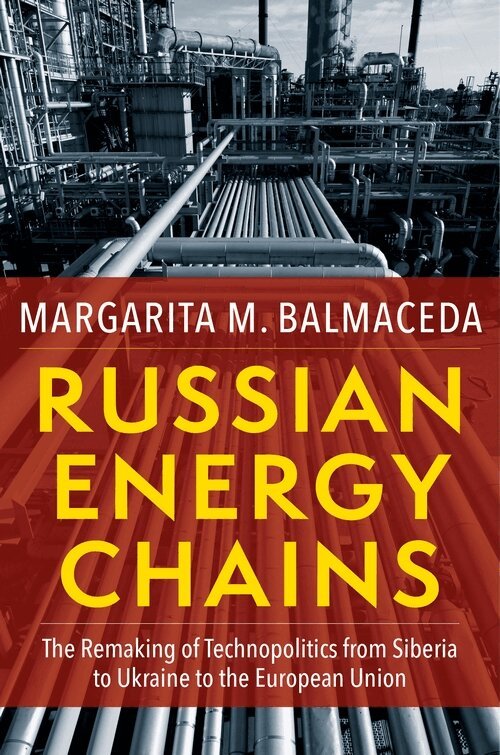
Russia’s use of its vast energy resources for leverage against post-Soviet states such as Ukraine is widely recognized as a threat. Yet we cannot understand this danger without also understanding the opportunity that Russian energy represents. From corruption-related profits to transportation-fee income to subsidized prices, many within these states have benefited by participating in Russian energy exports. To understand Russian energy power in the region, it is necessary to look at the entire value chain—including production, processing, transportation, and marketing—and at the full spectrum of domestic and external actors involved, from Gazprom to regional oligarchs to European Union regulators.This book follows Russia’s three largest fossil-fuel exports—natural gas, oil, and coal—from production in Siberia through transportation via Ukraine to final use in Germany in order to understand the tension between energy as threat and as opportunity. Margarita M. Balmaceda reveals how this dynamic has been a key driver of political development in post-Soviet states in the period between independence in 1991 and Russia’s annexation of Crimea in 2014. She analyzes how the physical characteristics of different types of energy, by shaping how they can be transported, distributed, and even stolen, affect how each is used—not only technically but also politically. Both a geopolitical travelogue of the journey of three fossil fuels across continents and an incisive analysis of technology’s role in fossil-fuel politics and economics, this book offers new ways of thinking about energy in Eurasia and beyond.
Inbunden, Engelska, 2020
1 905 kr
Skickas inom 3-6 vardagar
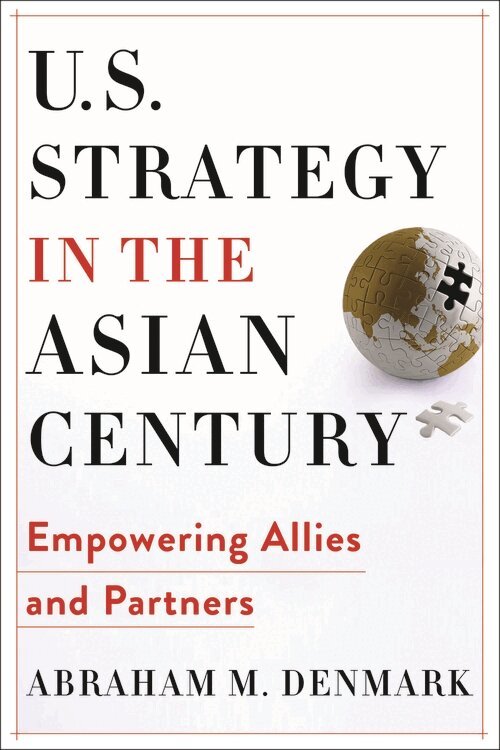
As the Indo-Pacific emerges as the world’s most strategically consequential region and competition with China intensifies, the United States must adapt its approach if it seeks to preserve its power and sustain regional stability and prosperity. Yet as China grows more powerful and aggressive and the United States appears increasingly unreliable, the Indo-Pacific has become riven with uncertainty. These dynamics threaten to undermine the region’s unprecedented peace and prosperity.U.S. Strategy in the Asian Century offers vital perspective on the future of power dynamics in the Indo-Pacific, focusing on the critical roles that American allies and partners can play. Abraham M. Denmark argues that these alliances and partnerships represent indispensable strategic assets for the United States. They will be necessary in any effort by Washington to compete with China, promote prosperity, and preserve a liberal order in the Indo-Pacific. Blending academic rigor and practical policy experience, Denmark analyzes the future of major-power competition in the region, with an eye toward American security interests. He details a pragmatic approach for the United States to harness the power of its allies and partners to ensure long-term regional stability and successfully navigate the complexities of the new era.
Häftad, Engelska, 2020
264 kr
Skickas inom 5-8 vardagar
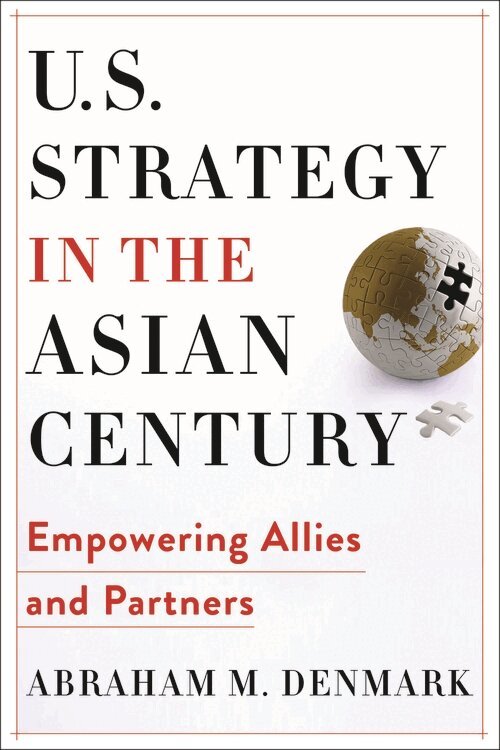
As the Indo-Pacific emerges as the world’s most strategically consequential region and competition with China intensifies, the United States must adapt its approach if it seeks to preserve its power and sustain regional stability and prosperity. Yet as China grows more powerful and aggressive and the United States appears increasingly unreliable, the Indo-Pacific has become riven with uncertainty. These dynamics threaten to undermine the region’s unprecedented peace and prosperity.U.S. Strategy in the Asian Century offers vital perspective on the future of power dynamics in the Indo-Pacific, focusing on the critical roles that American allies and partners can play. Abraham M. Denmark argues that these alliances and partnerships represent indispensable strategic assets for the United States. They will be necessary in any effort by Washington to compete with China, promote prosperity, and preserve a liberal order in the Indo-Pacific. Blending academic rigor and practical policy experience, Denmark analyzes the future of major-power competition in the region, with an eye toward American security interests. He details a pragmatic approach for the United States to harness the power of its allies and partners to ensure long-term regional stability and successfully navigate the complexities of the new era.
Inbunden, Engelska, 2024
1 327 kr
Skickas inom 5-8 vardagar
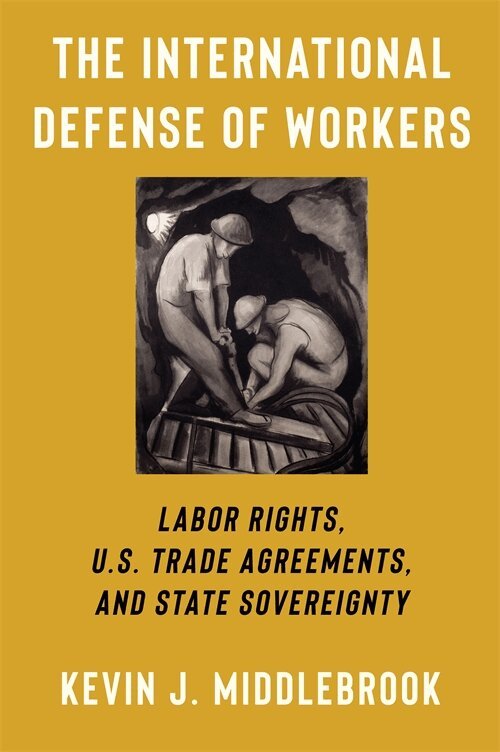
International trade agreements have often been criticized for limited attention to the rights of workers. The North American Agreement on Labor Cooperation (NAALC), a side agreement to the North American Free Trade Agreement (NAFTA), stands out for linking labor rights provisions to a U.S. trade agreement. Kevin J. Middlebrook provides a comprehensive and systematic examination of the NAALC, assessing its efficacy in protecting workers’ rights over the entire period it was in effect and demonstrating its broader significance for the role of trade and labor standards in U.S. foreign policy.Placing the NAALC in comparative context, Middlebrook considers various ways of promoting workers’ rights and how other U.S. international trade agreements have influenced labor rights abroad. He investigates the origins of the agreement; the political controversies among Canada, Mexico, and the United States over its scope; how the agreement operated in practice; and its longer-term policy legacies. Middlebrook emphasizes the tension between state sovereignty and the international promotion of labor rights in the negotiation and implementation of trade agreements, as well as how labor movements in one partner country can galvanize action in others.Drawing on interviews with high-level officials involved in the trade negotiations and previously unexamined primary sources, The International Defense of Workers is a groundbreaking analysis of the effects of U.S. trade agreements on labor rights.
Häftad, Engelska, 2024
337 kr
Skickas inom 5-8 vardagar
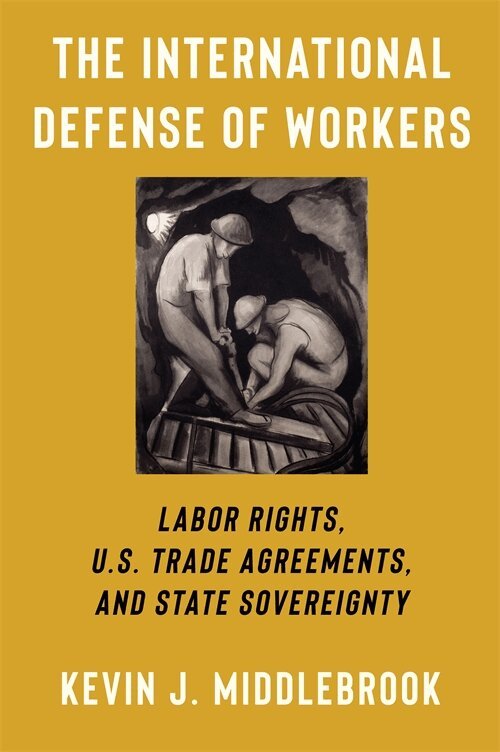
International trade agreements have often been criticized for limited attention to the rights of workers. The North American Agreement on Labor Cooperation (NAALC), a side agreement to the North American Free Trade Agreement (NAFTA), stands out for linking labor rights provisions to a U.S. trade agreement. Kevin J. Middlebrook provides a comprehensive and systematic examination of the NAALC, assessing its efficacy in protecting workers’ rights over the entire period it was in effect and demonstrating its broader significance for the role of trade and labor standards in U.S. foreign policy.Placing the NAALC in comparative context, Middlebrook considers various ways of promoting workers’ rights and how other U.S. international trade agreements have influenced labor rights abroad. He investigates the origins of the agreement; the political controversies among Canada, Mexico, and the United States over its scope; how the agreement operated in practice; and its longer-term policy legacies. Middlebrook emphasizes the tension between state sovereignty and the international promotion of labor rights in the negotiation and implementation of trade agreements, as well as how labor movements in one partner country can galvanize action in others.Drawing on interviews with high-level officials involved in the trade negotiations and previously unexamined primary sources, The International Defense of Workers is a groundbreaking analysis of the effects of U.S. trade agreements on labor rights.
Inbunden, Engelska, 2024
290 kr
Skickas inom 5-8 vardagar
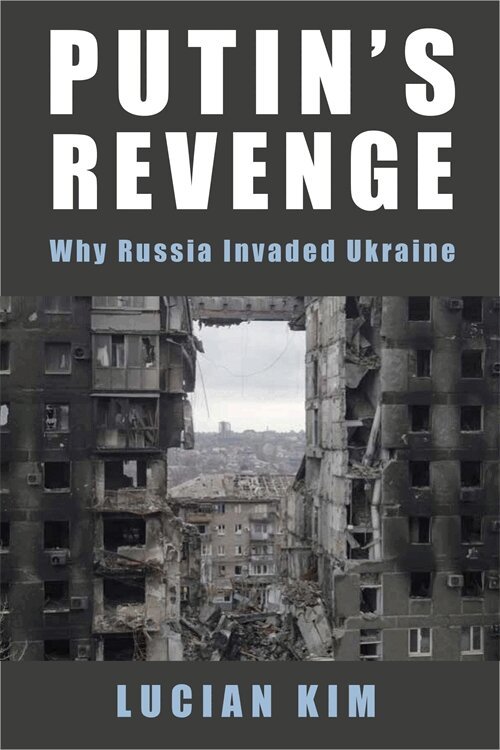
In February 2022, Russia invaded Ukraine in a bloody escalation of a conflict that had begun eight years earlier. What drove Vladimir Putin to launch Europe’s largest land war since World War II?Lucian Kim—an on-the-ground reporter in the region for decades—offers a gripping, definitive account of Russia’s path to war, from Ukraine’s 2004 Orange Revolution and the 2014 Maidan uprising right up to the full-scale invasion. He examines the Kremlin’s motives, tracing Putin’s transformation from a seemingly pragmatic leader into an embittered tyrant who saw it as his historical mission to reconquer Ukraine. Kim places the war in the broader context of the Soviet Union’s collapse, arguing that it represents a clash between those who reject the Soviet past—like Volodymyr Zelensky and Alexei Navalny—and those who still identify with it. He debunks the Kremlin narrative that the West instigated the conflict, and he instead identifies the root causes of the war in the legacy of Russian imperialism and Putin’s dictatorial rule. At the same time, Kim is critical of the West’s empty promises to Ukraine, which made the country vulnerable to a revanchist Russia.Putin’s Revenge features insight from Kim’s first-hand reporting on key moments, such as Russia’s occupation of Crimea and the beginning of the Russian-backed insurgency in eastern Ukraine. This book tells the story of the lead-up to the invasion with revelatory detail and fresh analysis, shedding new light on a conflict that has roiled the post–Cold War order.
Häftad, Engelska, 2025
388 kr
Skickas inom 5-8 vardagar
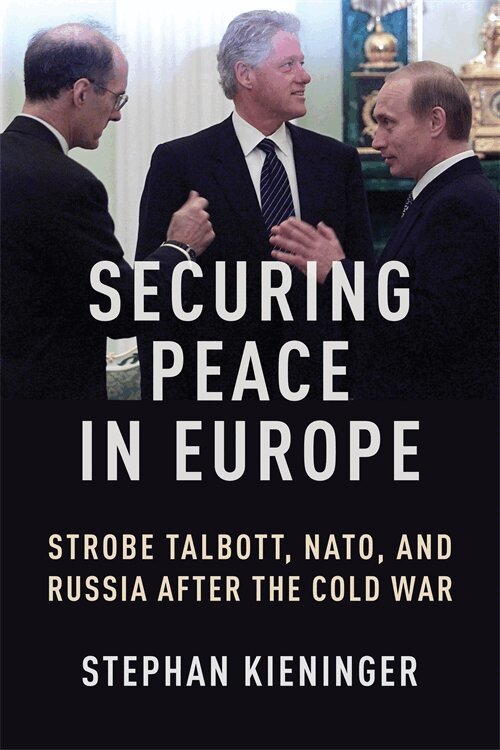
After the Cold War, the United States and its NATO allies faced crucial questions. Could Russia, their old adversary, be integrated into the liberal international order? What roles should former Soviet republics and satellite states in Eastern and Central Europe play in the Euro-Atlantic security system? These questions have taken on renewed significance since Russia’s full-scale invasion of Ukraine, as Vladimir Putin has portrayed Russia as the victim of Western expansionism.This deeply researched book offers new perspective on the NATO-Russia relationship through the eyes of Strobe Talbott, a deputy secretary of state for seven years under President Bill Clinton and the key US diplomatic broker for the former USSR. Stephan Kieninger traces the Clinton administration’s efforts to engage Russia and enlarge NATO at the same time, as elements of a new European security architecture. Drawing on Talbott’s diaries, as well as US and European archives and extensive interviews with former government officials, he sheds light on NATO’s opening, its missions in Bosnia and Kosovo, and other vexed issues. Kieninger argues that a careful look at Talbott’s statecraft rebuts Putin’s claims that the West exploited Russia’s weakness after the Cold War, demonstrating that the Clinton administration and its NATO allies sought to include Russia at every step. An illuminating and comprehensive account of US diplomacy during the Clinton years, Securing Peace in Europe provides vital insight into the complex relations between Russia and the West.
Inbunden, Engelska, 2025
1 038 kr
Skickas inom 5-8 vardagar
After the Cold War, the United States and its NATO allies faced crucial questions. Could Russia, their old adversary, be integrated into the liberal international order? What roles should former Soviet republics and satellite states in Eastern and Central Europe play in the Euro-Atlantic security system? These questions have taken on renewed significance since Russia’s full-scale invasion of Ukraine, as Vladimir Putin has portrayed Russia as the victim of Western expansionism.This deeply researched book offers new perspective on the NATO-Russia relationship through the eyes of Strobe Talbott, a deputy secretary of state for seven years under President Bill Clinton and the key US diplomatic broker for the former USSR. Stephan Kieninger traces the Clinton administration’s efforts to engage Russia and enlarge NATO at the same time, as elements of a new European security architecture. Drawing on Talbott’s diaries, as well as US and European archives and extensive interviews with former government officials, he sheds light on NATO’s opening, its missions in Bosnia and Kosovo, and other vexed issues. Kieninger argues that a careful look at Talbott’s statecraft rebuts Putin’s claims that the West exploited Russia’s weakness after the Cold War, demonstrating that the Clinton administration and its NATO allies sought to include Russia at every step. An illuminating and comprehensive account of US diplomacy during the Clinton years, Securing Peace in Europe provides vital insight into the complex relations between Russia and the West.
Häftad, Engelska, 2026
197 kr
Skickas inom 5-8 vardagar
In February 2022, Russia invaded Ukraine in a bloody escalation of a conflict that had begun eight years earlier. What drove Vladimir Putin to launch Europe’s largest land war since World War II?Lucian Kim—an on-the-ground reporter in the region for decades—offers a gripping, definitive account of Russia’s path to war, from Ukraine’s 2004 Orange Revolution and the 2014 Maidan uprising right up to the full-scale invasion. He examines the Kremlin’s motives, tracing Putin’s transformation from a seemingly pragmatic leader into an embittered tyrant who saw it as his historical mission to reconquer Ukraine. Kim places the war in the broader context of the Soviet Union’s collapse, arguing that it represents a clash between those who reject the Soviet past—like Volodymyr Zelensky and Alexei Navalny—and those who still identify with it. He debunks the Kremlin narrative that the West instigated the conflict, and he instead identifies the root causes of the war in the legacy of Russian imperialism and Putin’s dictatorial rule. At the same time, Kim is critical of the West’s empty promises to Ukraine, which made the country vulnerable to a revanchist Russia.Putin’s Revenge features insight from Kim’s first-hand reporting on key moments, such as Russia’s occupation of Crimea and the beginning of the Russian-backed insurgency in eastern Ukraine. This book tells the story of the lead-up to the invasion with revelatory detail and fresh analysis, shedding new light on a conflict that has roiled the post–Cold War order.
Inbunden, Engelska, 2015
528 kr
Skickas inom 5-8 vardagar
Iran's Organization for the Mobilization of the Oppressed (Sazeman-e Basij-e Mostazafan), commonly known as the Basij, is a paramilitary organization used by the regime to suppress dissidents, vote as a bloc, and indoctrinate Iranian citizens. Captive Society surveys the Basij's history, structure, and sociology, as well as its influence on Iranian society, its economy, and its educational system. Saied Golkar's account draws not only on published materials-including Basij and Revolutionary Guard publications, allied websites, and blogs-but also on his own informal communications with Basij members while studying and teaching in Iranian universities as recently as 2014. In addition, he incorporates findings from surveys and interviews he conducted while in Iran.
Inbunden, Engelska, 2016
502 kr
Skickas inom 5-8 vardagar
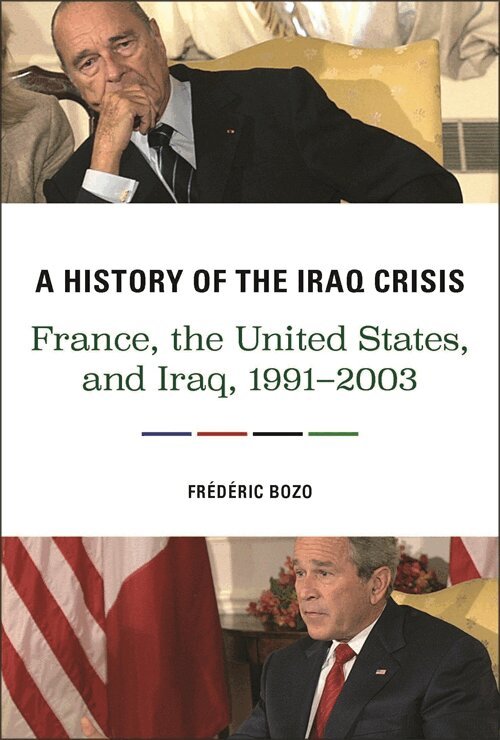
In March 2003, the United States and Great Britain invaded Iraq to put an end to the regime of Saddam Hussein. The war was launched without a United Nations mandate and was based on the erroneous claim that Iraq had retained weapons of mass destruction. France, under President Jacques Chirac and Foreign Minister Dominique de Villepin, spectacularly opposed the United States and British invasion, leading a global coalition against the war that also included Germany and Russia. The diplomatic crisis leading up to the war shook both French and American perceptions of each other and revealed cracks in the transatlantic relationship that had been building since the end of the Cold War. Based on exclusive French archival sources and numerous interviews with former officials in both France and the United States, A History of the Iraq Crisis retraces the international exchange that culminated in the 2003 Iraq conflict. It shows how and why the Iraq crisis led to a confrontation between two longtime allies unprecedented since the time of Charles de Gaulle, and it exposes the deep and ongoing divisions within Europe, the Atlantic alliance, and the international community as a whole.The Franco-American narrative offers a unique prism through which the American road to war can be better understood.
Inbunden, Engelska, 2017
448 kr
Skickas inom 5-8 vardagar
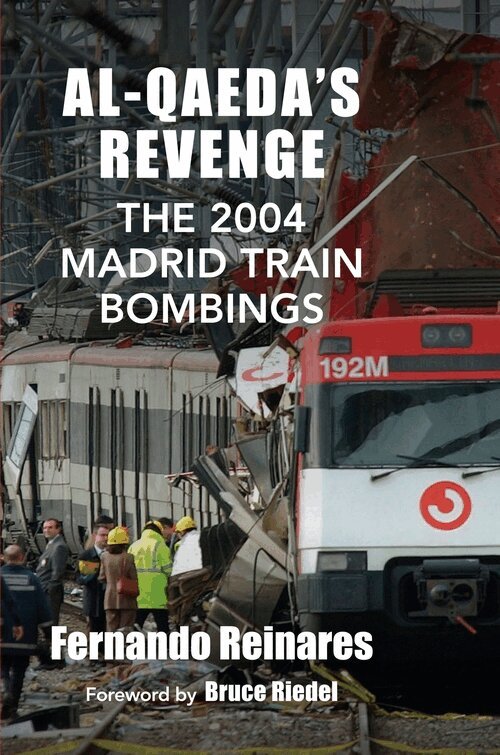
In Al-Qaeda's Revenge: The 2004 Madrid Train Bombings, Fernando Reinares tells the story of "3/11" - the March 11, 2004, bombings of commuter trains in Madrid, which killed 191 people and injured more than 1,800. He examines the development of an al-Qaeda conspiracy in Spain from the 1990s through the formation of the 3/11 bombing network beginning in March 2002, and discusses the preparations for and fallout from the attacks. Reinares draws on judicial, police, and intelligence documents to which he had privileged access, as well as on personal interviews with officials in Spain and elsewhere. His full analysis links the Madrid bombings to al-Qaeda's senior leadership and unveils connections between 3/11 and 9/11. Al-Qaeda's Revenge, Spain's counterpart to The 9/11 Commission Report, was a bestseller in Spain.
Häftad, Engelska, 2022
450 kr
Skickas inom 3-6 vardagar
In Al-Qaeda's Revenge: The 2004 Madrid Train Bombings, Fernando Reinares tells the story of "3/11" - the March 11, 2004, bombings of commuter trains in Madrid, which killed 192 people and injured more than 1,800. He examines the development of an al-Qaeda conspiracy in Spain from the 1990s through the formation of the 3/11 bombing network beginning in March 2002, and discusses the preparations for and fallout from the attacks. Reinares draws on judicial, police, and intelligence documents to which he had privileged access, as well as on personal interviews with officials in Spain and elsewhere. His full analysis links the Madrid bombings to al-Qaeda's senior leadership and unveils connections between 3/11 and 9/11.Al-Qaeda's Revenge, Spain's counterpart to The 9/11 Commission Report, was a bestseller in Spain.
Inbunden, Engelska, 2017
528 kr
Skickas inom 5-8 vardagar
Frustrated Democracy in Post-Soviet Azerbaijan follows a newly independent oil-rich former Soviet republic as it adopts a Western model of democratic government and then turns toward corrupt authoritarianism. Audrey L. Altstadt begins with the Nagorno-Karabagh War (1988-1994) which triggered Azerbaijani nationalism and set the stage for the development of a democratic movement. Initially successful, this government soon succumbed to a coup. Western oil companies arrived and money flowed in-a quantity Altstadt calls "almost unimaginable"-causing the regime to resort to repression to maintain its power. Despite Azerbaijan's long tradition of secularism, political Islam emerged as an attractive alternative for those frustrated with the stifled democratic opposition and the lack of critique of the West's continued political interference. Altstadt's work draws on instances of censorship in the Azerbaijani press, research by embedded experts and nongovernmental and international organizations, and interviews with diplomats and businesspeople.The book is an essential companion to her earlier works, The Azerbaijani Turks: Power and Identity Under Russian Rule and The Politics of Culture in Soviet Azerbaijan, 1920-1940.
Inbunden, Engelska, 2018
343 kr
Skickas inom 5-8 vardagar
The optimistic vision of a “Europe whole and free” after the fall of the Berlin Wall in 1989 has given way to disillusionment, bitterness, and renewed hostility between Russia and the West. In No Place for Russia, William H. Hill traces the development of the post–Cold War European security order to explain today’s tensions, showing how attempts to integrate Russia into a unified Euro-Atlantic security order were gradually overshadowed by the domination of NATO and the EU—at Russia’s expense.Hill argues that the redivision of Europe has been largely unintended and not the result of any single decision or action. Instead, the current situation is the cumulative result of many decisions—reasonably made at the time—that gradually produced the current security architecture and led to mutual mistrust. Hill analyzes the United States’ decision to remain in Europe after the Cold War, the emergence of Germany as a major power on the continent, and the transformation of Russia into a nation-state, placing major weight on NATO’s evolution from an alliance dedicated primarily to static collective territorial defense into a security organization with global ambitions and capabilities. Closing with Russia’s annexation of Crimea and war in eastern Ukraine, No Place for Russia argues that the post–Cold War security order in Europe has been irrevocably shattered, to be replaced by a new and as-yet-undefined order.