• Fri frakt över 249 kr
  • •
  • Snabba leveranser
  • •
  • Billiga böcker
Kundservice

Du är på sajten för privatpersoner.

Företag, bibliotek eller offentlig verksamhet?

Du handlar på classic.bokus.com, där alla dina funktioner finns intakta.
Till classic.bokus.com
Bokus logotyp. Gå till startsidan.
  • Erbjudanden
  • Nyheter
  • Student
  • Topplistor
  • Barn & ungdom
  • Bokus Play
  • E-böcker
  • Pocketböcker
  • Spel & pussel

10% rabatt på allt med kod NYSTART10 →

Sidfot

Mina sidor

    Hjälp

    • Kundservice
    • Vanliga frågor och svar
    • Frakt och leverans
    • Retur vid ångerrätt
    • Reklamera vara
    • Betalning
    • Köpvillkor
    • Allmänna villkor
    • Information om webbplatsens tillgänglighet

    Om Bokus

    • Om oss
    • Pressrum
    • För studenter
    • För företag
    • För bibliotek och offentlig verksamhet
    • För leverantörer
    • Hållbarhet

    Populärt

    • Aktuella erbjudanden
    • Presentkort
    • Studentlitteratur
    • Nya böcker
    • Topplistor
    • Signerade böcker
    • Engelska böcker

    Inspiration

    • Boktips
    • BookTok
    • Populära bokserier
    • Barnbokskaraktärer
    • Populära författare
    Logotyp för Bokus
    Följ oss på Facebook (extern länk)Följ oss på Instagram (extern länk)Följ oss på YouTube (extern länk)Följ oss på TikTok (extern länk)
    bokus @ CookiesAnpassa cookiesIntegritetspolicyKöpvillkor
    Till Citymail hemsida (extern länk)Till Budbee hemsida (extern länk)Till Postnord hemsida (extern länk)Till Schenker hemsida (extern länk)Till Early Bird hemsida (extern länk)Till Walleys hemsida (extern länk)
    1. Naturvetenskap och teknik
    2. Matematik och naturvetenskap
    3. Biologi
    4. Biokemi

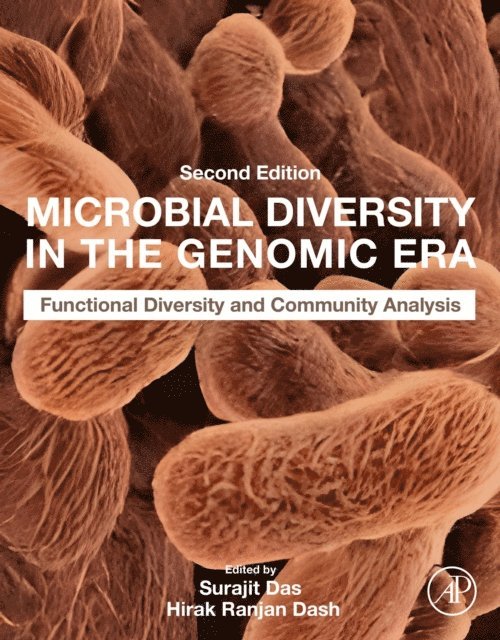
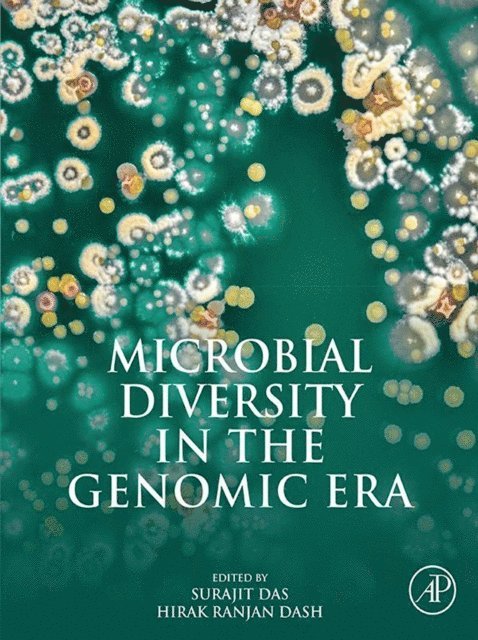
    Microbial Diversity in the Genomic Era

    AvSurajit Das,Hirak Ranjan Dash

    Häftad, Engelska, 2018

    1 483 kr

    Beställningsvara. Skickas inom 10-15 vardagar. Fri frakt över 249 kr.

    Beskrivning

    Microbial Diversity in the Genomic Era presents insights on the techniques used for microbial taxonomy and phylogeny, along with their applications and respective pros and cons. Though many advanced techniques for the identification of any unknown bacterium are available in the genomics era, a far fewer number of the total microbial species have been discovered and identified to date. The assessment of microbial taxonomy and biosystematics techniques discovered and practiced in the current genomics era with suitable recommendations is the prime focus of this book.


    • Discusses the techniques used for microbial taxonomy and phylogeny with their applications and respective pros and cons
    • Reviews the evolving field of bacterial typing and the genomic technologies that enable comparative analysis of multiple genomes and the metagenomes of complex microbial environments
    • Provides a uniform, standard methodology for species designation

    Produktinformation

    • Utgivningsdatum:2018-10-18
    • Mått:216 x 276 x 36 mm
    • Vikt:1 950 g
    • Format:Häftad
    • Språk:Engelska
    • Antal sidor:710
    • Förlag:Elsevier Science
    • ISBN:9780128148495

    Utforska kategorier

    • Biokemi inom Naturvetenskap och teknik
    • Onkologi inom Medicin
    • Biologi inom Naturvetenskap och teknik

    Mer om författaren

    Prof. Surajit Das is currently working at the Department of Life Science, National Institute of Technology Rourkela, India. He received his doctoral degree in Marine Biology with specialization in microbiology from the Centre of Advanced Study in Marine Biology, Annamalai University, Tamil Nadu, India. He has been awarded the Endeavour Research Fellowship by the Australian Government to conduct postdoctoral research on marine microbial technology at the University of Tasmania. He has more than 15 years of research experience in environmental biotechnology, marine microbiology, bacterial biofilm, waste water treatment, and bioremediation. Prof. Das has maintained a strong commitment to explore the diversity of marine microorganisms from tropical, coastal, mangrove, and deep-sea environments using taxonomic and molecular tools. The main goal of his research is to understand the genetic regulation of bacterial biofilm for the improvement and development of biofilm-mediated bioremediation, thereby restoring the deteriorating environment as an eco-friendly approach.Dr. Hirak Ranjan Dash is an Assistant Professor of Forensic Biotechnology at the National Forensic Sciences University, Delhi Campus, India. He obtained his PhD degree in Life Science from the National Institute of Technology, Rourkela, India. Previously, he served as a DNA expert at Forensic Science Laboratory, Madhya Pradesh, India. His research interests include forensic microbiology, microbial phylogeny, forensic DNA analysis, genetic markers, and next generation sequencing. He has published 50 research papers and 9 books. He has previously received a research fellowship from the Indian Academy of Science. He is a pioneer in India working on NGS-based forensic DNA analysis. He is a life member of the Association of Microbiologists of India, International Society of Forensic Geneticists, and Asian Federation of Biotechnologists.

    Innehållsförteckning

    • Section I: Overview of microbial diversity1.1 Methods of assessment of microbial diversity in natural environments1.2 Metagenomic Achievements in Microbial Diversity Determination in Croplands: A Review1.3 Genomic diversity and evolution of rhizobia1.4 Microbial biodiversity study of a brackish water ecosystem in eastern India: The Chilika Lake1.5 Microbial diversity and community analysis of Sundarban mangrove, the world heritage siteSection II: Molecular tools in microbial diversity2.1Analysing Functional Microbial Diversity: An Overview of Techniques2.2 Genetic analysis of the bacterioplankton biology and ecology through next-generation high-throughput molecular techniquesGurdeep Rastogi, Pratiksha Behera, and Madhusmita Mohapatra2.3 Molecular tools in microbial diversity: Functional assessment tool of genome and metagenome by MAPLE2.4 A polyphasic taxonomic approach for designation and description of novel microbial species2.5 Biochemical strategies to counter nitrosative stress: Nanofactories for value-added products2.6 Exploring microbial diversity and function in petroleum hydrocarbon associated environments through Omics approachesSection III: Extremophilic microbial diversity3.1 Diversity of Psychrophilic Bacteria in Sea and Glacier Ice environments – Insights through Genomics, Metagenomics and Proteomics Approaches3.2 Microbial diversity of thermophiles through the lens of next generation sequencing3.3 Microbial ecology in extreme acidic environments: use of molecular tools3.4 Alkaliphiles: Diversity and bioprospection3.5Cyanobacteria from Brazilian extreme environments: toward functional exploitation3.6 Comparative genomics of Halobacterium strains from diverse locations3.7 Microbial community dynamics of extremophiles/extreme environment3.8 Opening the black box of thermophilic autotrophic bacterial diversitySection IV: Functional Microbial Diversity4.1Functional microbial diversity in context to agriculture4.2 Functional microbial diversity in contaminated environment and application in bioremediation4.3 Structural and functional diversity of microbial metallothionein genes4.4 Functional diversity of bacterial strategies to cope with metal toxicity4.5 Functional microbial diversity: Functional genomics and metagenomics using MAPLE4.6 Linking the environmental microbial diversity and antibiotic resistance4.7 Applications of metagenomics in microbial bioremediation of pollutants: From genomics to environmental cleanupSection V: Microbial diversity and infectious diseases5.1 Molecular techniques for diagnosis of bacterial plant pathogens5.2 Molecular techniques for the study of microbial diversity with special emphasis on drug resistant microbes5.3 Exploring human bacterial diversity towards prevention of infectious disease and health promotion5.4 Prevalence of Multidrug Resistance Efflux Pumps (MDREPs) in Environmental Communities5.5 Pathogenic microbial genetic diversity with reference to significant medical and public healthSection VI: Future directions of microbial diversity studies6.1 Understanding the structure and function of extreme microbiome through genomics: scope and challenges6.2 The role and future possibilities of next-generation sequencing in studying microbial diversity6.3 Taxonomical diversity of extremophiles in the deep biosphere6.4 Molecular evolution of Xenobiotic-degrading genes and mobile DNA elements in soil bacteria