• Fri frakt över 249 kr
  • •
  • Snabba leveranser
  • •
  • Billiga böcker
Kundservice

Du är på sajten för privatpersoner.

Företag, bibliotek eller offentlig verksamhet?

Du handlar på classic.bokus.com, där alla dina funktioner finns intakta.
Till classic.bokus.com
Bokus logotyp. Gå till startsidan.
  • Erbjudanden
  • Nyheter
  • Student
  • Topplistor
  • Barn & ungdom
  • Bokus Play
  • E-böcker
  • Pocketböcker
  • Spel & pussel

10% rabatt på allt med kod: NYSTART10 →

Sidfot

Mina sidor

    Hjälp

    • Kundservice
    • Vanliga frågor och svar
    • Frakt och leverans
    • Retur vid ångerrätt
    • Reklamera vara
    • Betalning
    • Köpvillkor
    • Allmänna villkor
    • Information om webbplatsens tillgänglighet

    Om Bokus

    • Om oss
    • Pressrum
    • För studenter
    • För företag
    • För bibliotek och offentlig verksamhet
    • För leverantörer
    • Hållbarhet

    Populärt

    • Aktuella erbjudanden
    • Presentkort
    • Studentlitteratur
    • Nya böcker
    • Topplistor
    • Signerade böcker
    • Engelska böcker

    Inspiration

    • Boktips
    • BookTok
    • Populära bokserier
    • Barnbokskaraktärer
    • Populära författare
    Logotyp för Bokus
    Följ oss på Facebook (extern länk)Följ oss på Instagram (extern länk)Följ oss på YouTube (extern länk)Följ oss på TikTok (extern länk)
    bokus @ CookiesAnpassa cookiesIntegritetspolicyKöpvillkor
    Till Citymail hemsida (extern länk)Till Budbee hemsida (extern länk)Till Postnord hemsida (extern länk)Till Schenker hemsida (extern länk)Till Early Bird hemsida (extern länk)Till Walleys hemsida (extern länk)
    1. Psykologi och pedagogik
    2. Pedagogik
    3. Högskola och universitet
    4. Lärarutbildning

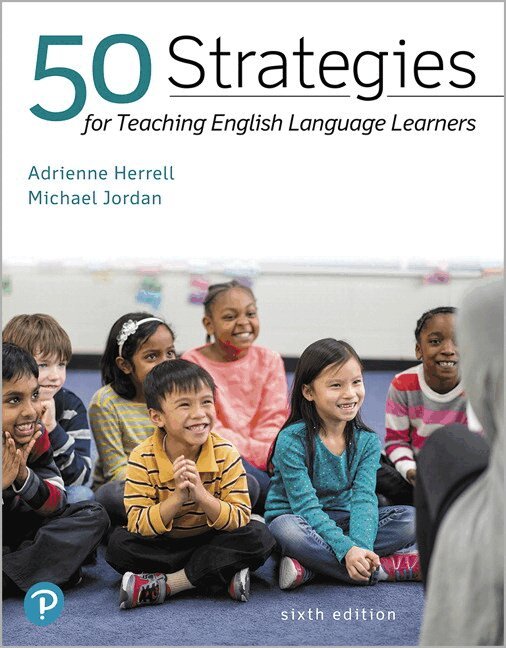
    50 Strategies for Teaching English Language Learners

    AvAdrienne Herrell,Michael Jordan

    Häftad, Engelska, 2019

    1 254 kr

    Beställningsvara. Skickas inom 3-6 vardagar. Fri frakt över 249 kr.

    Beskrivning

    50 Strategies for Teaching English Language Learners includes an assortment of practical strategies aligned to TESOL standards, which have been field-tested in diverse classrooms. Each strategy includes a brief explanation, step-by-step instructions on how to plan and use the strategy, and classroom scenarios demonstrating how the strategy can be adapted for different grade levels and content areas. The authors have included additional strategies in language and literacy development, technology, and assessment to support both pre- and in-service teachers.

    The 6th Edition presents a major focus in identifying and teaching students at their language development level. Included are a new chapter addressing the choice and use of technology strategies based on students' unique needs, additional adaptation charts, and expanded teacher self-evaluation rubrics.

    Produktinformation

    • Utgivningsdatum:2019-02-14
    • Mått:218 x 276 x 14 mm
    • Vikt:680 g
    • Format:Häftad
    • Språk:Engelska
    • Antal sidor:368
    • Upplaga:6
    • Förlag:Pearson Education
    • ISBN:9780134986616

    Utforska kategorier

    • Lärarutbildning inom Psykologi och pedagogik
    • Pedagogisk metodik inom Psykologi och pedagogik

    Mer om författaren

    About our authors Adrienne Herrell is retired as a visiting professor and ESOL Coordinator at Florida State University. She taught classes in early literacy, assessment, and strategies for teaching English language learners at California State University, Fresno, until her retirement in 2004. 50 Strategies for Teaching English Language Learners, 6th Edition, is her 18th book for Pearson.Michael Jordan is retired from California State University, Fresno, where he coordinated the multiple subjects (elementary) credential program and taught classes in Curriculum and Instruction, Social Foundations of Education, and Psychological Foundations of Education. 50 Strategies for Teaching English Language Learners, 6th Edition, is his 11th book for Pearson.

    Recensioner i media

    “[Compared to other texts] This text is the most user-friendly and thorough, covering what our faculty agree are the most crucial strategies that our students need to practice.” – Ana Torres, Texas Tech University “Students love the strategies because they can adapt them to their specific needs.” – Tom Salsbury, Washington State University “[The book] provides my pre-service teachers with strategies they will begin using as soon as they have their first ELL.” – Daniel Gilhooly, University of Central Missouri “The main strength of the 50 Strategies book is the plethora of strategies and examples of how they can be used with ELLs. The set up of each strategy, listing the steps, and providing benefits makes it more comprehensible for the students... I have always loved this book.” – Lena Shaqareq, University of North Florida

    Innehållsförteckning

    • Predictable Routines and Signals: Reducing AnxietyTotal Physical Response and Total Physical Response Storytelling (TPR and TPRS): Integrating Movement into Language AcquisitionModeled Talk: Demonstrating as You TalkVisual Scaffolding: Providing Language Support through Visual ImagesRealia Strategies: Connecting Language Acquisition to the Real WorldVocabulary Role-Play: Building Vocabulary through DramatizationCollecting and Processing Words: Making Vocabulary Your OwnManipulatives Strategies: Using Objects to Connect ConceptsChoosing Technology Based on Student Needs: Advancing Progress in English Language and Content LearningMoving into Reading: Using Multiple Strategies to Foster ComprehensionClose Reading: Engaging with Text to Improve Reading ComprehensionRepeated Reading: Using Script Writing and Reader’s TheaterScaffolding English Writing: Matching Instruction to Language DevelopmentReporting Back: Verbal Practice in Curriculum ConnectionsLeveled Questions: Adjusting Questioning Strategies to the Language Levels of StudentsBilingual Books and Labels: Supporting Biliteracy AwarenessSorting Activities: Organizing Information into CategoriesCloze: Using Context to Create MeaningVerb Action: Teaching Irregular Verbs through ExperienceSyntax Surgery: Visually Manipulating English GrammarChecking for Understanding: Using Questioning Strategies to Differentiate InstructionLearning Centers: Extending Learning through Hands-On PracticeCommunication Games: Creating Opportunities for Verbal InteractionCognate Strategies: Using the Home Language to Support English AcquisitionRTI for English Language Learners: Documenting and Monitoring Student Progress and the Effectiveness of InterventionPreview/Review: Building Vocabulary and Concepts to Support UnderstandingStory Reenactment: Making Stories Come to Life!Repetition and Innovation: Exploring a Book to Deepen ComprehensionLanguage Focus Lessons: Supporting English Vocabulary and Structure AcquisitionGraphic Organizers: Visually Representing Ideas, Text, and ConnectionsAdvance Organizers: Getting the Mind in Gear for InstructionGuided Reading: Providing Individual Support within a Group SettingCohesion Links: Understanding the Glue That Holds Paragraphs TogetherLanguage Framework Planning: Supporting Academic Language and Content AcquisitionFree Voluntary Reading: Nothing Helps Reading Like ReadingCulture Studies: Learning Research Skills and Valuing Home Cultures in One ProjectMicroselection: Finding Key Words and Main IdeasRead, Pair, Share: Working with a Partner to Negotiate MeaningAttribute Charting: Organizing Information to Support UnderstandingIntegrated Curriculum Projects: Using Authentic Projects to Integrate Content KnowledgeKWL and Data Charts: Researching and Organizing InformationCollaborative Reading: What to Do When They Can’t Read the TextbookCooperative Learning: Group Interactions to Accomplish GoalsLearning Strategy Instruction: Acquiring Self-Help SkillsMultiple Intelligences Strategies: Teaching and Testing to Student-Preferred Learning ModesMultimedia Presentations: Oral Reports for the New MillenniumSmall Groups and Partners: Interactions to Enhance InstructionGIST: Exploring Tough TextTutorials: Closing the Achievement GapCombining and Scheduling Strategies: Supporting Learning through Differentiation