E-bok, Engelska, 2014
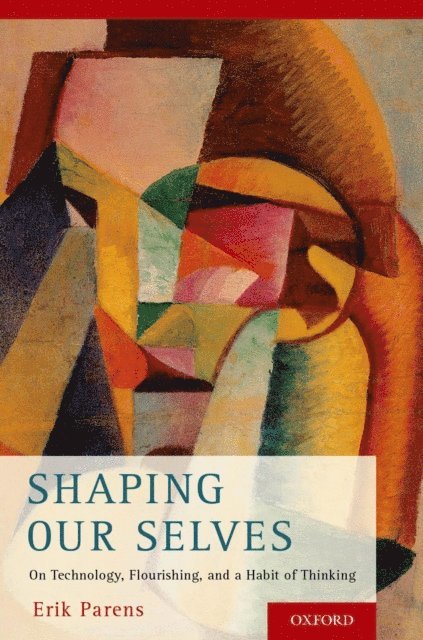
Shaping Our Selves
Av Erik Parens
359 kr
Läs direkt i Bokus Reader – eller ladda ned till din enhet
Beskrivning
When bioethicists debate the use of technologies like surgery and pharmacology to shape our selves, they are, ultimately, debating what it means for human beings to flourish. They are debating what makes animals like us truly happy, and whether the technologies at issue will bring us closer to or farther from such happiness.
The positions that participants adopt in debates regarding such ancient and fundamental questions are often polarized, and cannot help but be deeply personal. It is no wonder that the debates are sometimes acrimonious. How, then, should critics of and enthusiasts about technological self-transformation move forward?
Based on his experience at the oldest free-standing bioethics research institute in the world, Erik Parens proposes a habit of thinking, which he calls "binocular." As our brains integrate slightly different information from our two eyes to achieve depth of visual perception, we need to try to integrate greatly different insights on the two sides of the debates about technologically shaping our selves-if depth of intellectual understanding is what we are after. Binocular thinking lets us benefit from the insights that are visible from the stance of the enthusiast, who emphasizes that using technology to creatively transform our selves will make us happier, and to benefit from the insights that are visible from the stance of the critic, who emphasizes that learning to let our selves be will make us happier.
Parens observes that in debates as personal as these, we all-critics and enthusiasts alike-give reasons that we are partial to. In the throes of our passion to make our case, we exaggerate our insights and all-too-often fall into the conceptual traps that language sets for us. Foolishly, we make conceptual choices that no one who truly wanted understanding would accept: Are technologies value-free or value-laden? Are human beings by nature creators or creatures? Is disability a medical or a social phenomenon? Indeed, are we free or determined? Parens explains how participating in these debates for two decades helped him articulate the binocular habit of thinking that is better at benefiting from the insights in both poles of those binaries than was the habit of thinking he originally brought to the debates.
Finally, Parens celebrates that bioethics doesn''t aspire only to deeper thinking, but also to better acting. He embraces not only the intellectual aspiration to think deeply about meaning questions that don''t admit of final answers, but also the ethical demand to give clear answers to practical questions. To show how to respect both that aspiration and that demand, the book culminates in the description of a process of truly informed consent, in the context of one specific form of using technology to shape our selves: families making decisions about appearance normalizing surgeries for children with atypical bodies.
The positions that participants adopt in debates regarding such ancient and fundamental questions are often polarized, and cannot help but be deeply personal. It is no wonder that the debates are sometimes acrimonious. How, then, should critics of and enthusiasts about technological self-transformation move forward?
Based on his experience at the oldest free-standing bioethics research institute in the world, Erik Parens proposes a habit of thinking, which he calls "binocular." As our brains integrate slightly different information from our two eyes to achieve depth of visual perception, we need to try to integrate greatly different insights on the two sides of the debates about technologically shaping our selves-if depth of intellectual understanding is what we are after. Binocular thinking lets us benefit from the insights that are visible from the stance of the enthusiast, who emphasizes that using technology to creatively transform our selves will make us happier, and to benefit from the insights that are visible from the stance of the critic, who emphasizes that learning to let our selves be will make us happier.
Parens observes that in debates as personal as these, we all-critics and enthusiasts alike-give reasons that we are partial to. In the throes of our passion to make our case, we exaggerate our insights and all-too-often fall into the conceptual traps that language sets for us. Foolishly, we make conceptual choices that no one who truly wanted understanding would accept: Are technologies value-free or value-laden? Are human beings by nature creators or creatures? Is disability a medical or a social phenomenon? Indeed, are we free or determined? Parens explains how participating in these debates for two decades helped him articulate the binocular habit of thinking that is better at benefiting from the insights in both poles of those binaries than was the habit of thinking he originally brought to the debates.
Finally, Parens celebrates that bioethics doesn''t aspire only to deeper thinking, but also to better acting. He embraces not only the intellectual aspiration to think deeply about meaning questions that don''t admit of final answers, but also the ethical demand to give clear answers to practical questions. To show how to respect both that aspiration and that demand, the book culminates in the description of a process of truly informed consent, in the context of one specific form of using technology to shape our selves: families making decisions about appearance normalizing surgeries for children with atypical bodies.
Produktinformation
- Utgivningsdatum: 2014-09-24
- Språk: Engelska
- Filformat: EPUB
- Kopieringsskydd: LCP
- ISBN: 9780190211776
- Förlag: Oxford University Press
Utforska kategorier
Betyg & recensioner
0 recensioner
Inga recensioner tillgängliga.