E-bok, Engelska, 2016
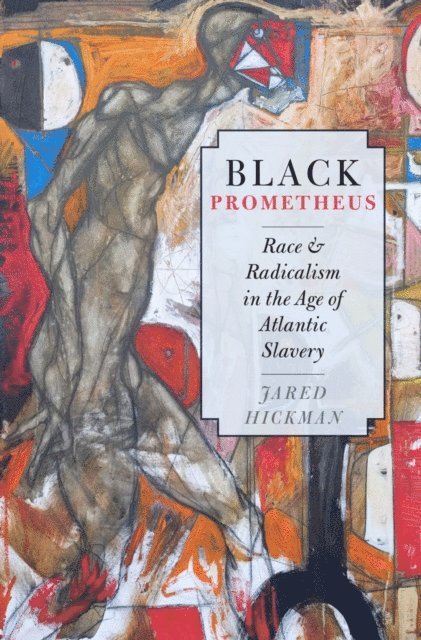
Black Prometheus
591 kr
Läs direkt i Bokus Reader – eller ladda ned till din enhet (PDF kräver ofta zoom och scroll på små skärmar).
Beskrivning
How did an ancient mythological figure who stole fire from the gods become a face of the modern, lending his name to trailblazing spaceships and radical publishing outfits alike? How did Prometheus come to represent a notion of civilizational progress through revolution--scientific, political, and spiritual--and thereby to center nothing less than a myth of modernity itself ? The answer Black Prometheus gives is that certain features of the myth--its geographical associations, iconography of bodily suffering, and function as a limit case in a long tradition of absolutist political theology--made it ripe for revival and reinvention in a historical moment in which freedom itself was racialized, in what was the Age both of Atlantic revolution and Atlantic slavery. Contained in the various incarnations of the modern Prometheus--whether in Mary Shelley''s esoteric novel, Frankenstein, Denmark Vesey''s real-world recruitment of slave rebels, or popular travelogues representing Muslim jihadists against the Russian empire in the Caucasus-- is
a profound debate about the means and ends of liberation in our globalized world. Tracing the titan''s rehabilitation and unprecedented exaltation in the eighteenth and nineteenth centuries across a range of genres and geographies turns out to provide a way to rethink the relationship between race, religion, and modernity and to interrogate the Eurocentric and secularist assumptions of our deepest intellectual traditions of critique.
a profound debate about the means and ends of liberation in our globalized world. Tracing the titan''s rehabilitation and unprecedented exaltation in the eighteenth and nineteenth centuries across a range of genres and geographies turns out to provide a way to rethink the relationship between race, religion, and modernity and to interrogate the Eurocentric and secularist assumptions of our deepest intellectual traditions of critique.
Produktinformation
- Utgivningsdatum: 2016-09-28
- Språk: Engelska
- Filformat: PDF
- Kopieringsskydd: LCP
- ISBN: 9780190272593
- Förlag: Oxford University Press
Utforska kategorier
Betyg & recensioner
0 recensioner
Inga recensioner tillgängliga.