E-bok, Engelska, 2017
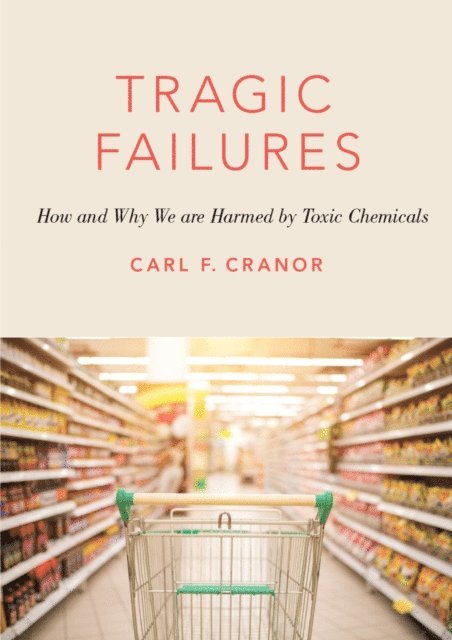
Tragic Failures
391 kr
Läs direkt i Bokus Reader – eller ladda ned till din enhet (PDF kräver ofta zoom och scroll på små skärmar).
Beskrivning
The world is awash in chemicals created by fellow citizens, but we know little to nothing about them. Understanding whether even the most prevalent ones are toxic would take decades. Many people have tragically suffered serious diseases and premature death, including children during development. Why has this occurred? Many factors contribute, but two important ones are the laws permitting this and the manner in which science has been used to identify and assess whether or not products are toxic. Both are the outcome of legislative, corporate, and judicial choices. Congress created laws that in fact keep public health officials and the wider population in the dark about the toxicity of virtually all substances other than prescription drugs and pesticides. Facing considerable ignorance about toxic substances, impartially motivated scientists seeking to protect the public health are constrained by the natural pace of studies to reveal toxic effects. Corporate pressures on public health officials and scientific obstruction substantially heighten the barriers to protecting the public. When people have suffered serious as well as life-threatening diseases likely traceable to toxic substances, judicial errors barring relevant science in the personal injury (tort) law can and have frustrated redress of injustices. Under both public health law and the tort law, there are possibilities for improved approaches, provided public leaders make different and better choices. This book describes these issues and suggests how we could be better protected from myriad toxic substances in our midst.
Produktinformation
- Utgivningsdatum: 2017-02-16
- Språk: Engelska
- Filformat: PDF
- Kopieringsskydd: LCP
- ISBN: 9780190635763
- Förlag: Oxford University Press
Utforska kategorier
Betyg & recensioner
0 recensioner
Inga recensioner tillgängliga.