E-bok, Engelska, 2020
Crisis of the Meritocracy
265 kr
Läs direkt i Bokus Reader – eller ladda ned till din enhet
Beskrivning
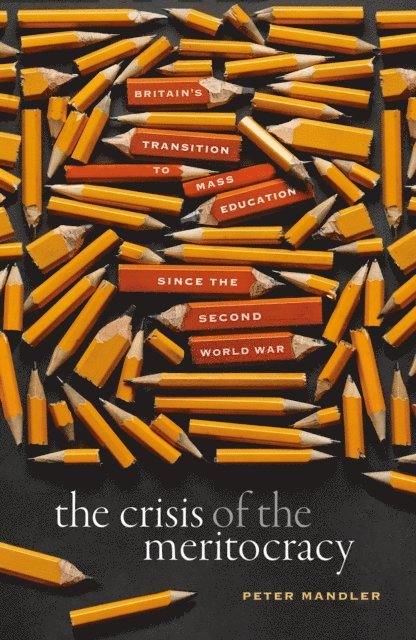
Before the Second World War, only about 20% of the population went to secondary school and barely 2% to university; today everyone goes to secondary school and half of all young people go to university. How did we get here from there?
The Crisis of the Meritocracy answers this question not by looking to politicians and educational reforms, but to the revolution in attitudes and expectations amongst the post-war British public - the rights guaranteed by the welfare state, the hope of a better life for one''s children, widespread upward mobility from manual to non-manual occupations, confidence in the importance of education in a ''learning society'' and a ''knowledge economy''.
As a result of these transformations, ''meritocracy'' - the idea that a few should be selected to succeed - has been challenged by democracy and its wider understandings of equal opportunity across the life course. At a time when doubts have arisen about whether we need so many students, and amidst calls for a return to grammar-school selection at 11, the tension between meritocracy and democracy remains vital to understanding why our grandparents, our parents, ourselves and our children have sought and got more and more education - and to what end.
The Crisis of the Meritocracy answers this question not by looking to politicians and educational reforms, but to the revolution in attitudes and expectations amongst the post-war British public - the rights guaranteed by the welfare state, the hope of a better life for one''s children, widespread upward mobility from manual to non-manual occupations, confidence in the importance of education in a ''learning society'' and a ''knowledge economy''.
As a result of these transformations, ''meritocracy'' - the idea that a few should be selected to succeed - has been challenged by democracy and its wider understandings of equal opportunity across the life course. At a time when doubts have arisen about whether we need so many students, and amidst calls for a return to grammar-school selection at 11, the tension between meritocracy and democracy remains vital to understanding why our grandparents, our parents, ourselves and our children have sought and got more and more education - and to what end.
Produktinformation
- Utgivningsdatum: 2020-09-11
- Språk: Engelska
- Filformat: EPUB
- Kopieringsskydd: LCP
- ISBN: 9780192576477
- Förlag: Oxford University Press
Utforska kategorier
Betyg & recensioner
0 recensioner
Inga recensioner tillgängliga.