• Fri frakt över 249 kr
  • •
  • Snabba leveranser
  • •
  • Billiga böcker
Kundservice

Du är på sajten för privatpersoner.

Företag, bibliotek eller offentlig verksamhet?

Du handlar på classic.bokus.com, där alla dina funktioner finns intakta.
Till classic.bokus.com
Bokus logotyp. Gå till startsidan.
  • Erbjudanden
  • Nyheter
  • Student
  • Topplistor
  • Barn & ungdom
  • Bokus Play
  • E-böcker
  • Pocketböcker
  • Spel & pussel

10% rabatt på allt med kod NYSTART10 →

Sidfot

Mina sidor

    Hjälp

    • Kundservice
    • Vanliga frågor och svar
    • Frakt och leverans
    • Retur vid ångerrätt
    • Reklamera vara
    • Betalning
    • Köpvillkor
    • Allmänna villkor
    • Information om webbplatsens tillgänglighet

    Om Bokus

    • Om oss
    • Pressrum
    • För studenter
    • För företag
    • För bibliotek och offentlig verksamhet
    • För leverantörer
    • Hållbarhet

    Populärt

    • Aktuella erbjudanden
    • Presentkort
    • Studentlitteratur
    • Nya böcker
    • Topplistor
    • Signerade böcker
    • Engelska böcker

    Inspiration

    • Boktips
    • BookTok
    • Populära bokserier
    • Barnbokskaraktärer
    • Populära författare
    Logotyp för Bokus
    Följ oss på Facebook (extern länk)Följ oss på Instagram (extern länk)Följ oss på YouTube (extern länk)Följ oss på TikTok (extern länk)
    bokus @ CookiesAnpassa cookiesIntegritetspolicyKöpvillkor
    Till Citymail hemsida (extern länk)Till Budbee hemsida (extern länk)Till Postnord hemsida (extern länk)Till Schenker hemsida (extern länk)Till Early Bird hemsida (extern länk)Till Walleys hemsida (extern länk)
    1. Naturvetenskap och teknik
    2. Geovetenskap
    3. Miljövetenskap och miljöpolitik

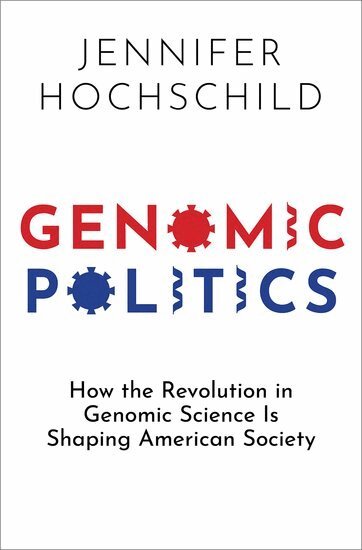
    Genomic Politics

    How the Revolution in Genomic Science Is Shaping American Society

    AvJennifer Hochschild

    Inbunden, Engelska, 2021

    294 kr

    Skickas . Fri frakt över 249 kr.

    Fler format och utgåvor

    E-bok

    166 kr

    E-bok

    166 kr

    Häftad

    220 kr

    Beskrivning

    A groundbreaking analysis of how the genomic revolution is transforming American society and creating new social divisions-some along racial lines-that promise to fundamentally shape American politics for years to come. The emergence of genomic science in the last quarter century has revolutionized medicine, the justice system, and our understanding of who we are. We use genomics to determine guilt and exonerate the falsely convicted; devise new medicines; test embryos; and discover our ethnic and national roots. One might think that, given these advances, most would favor the availability of genomic tools. Yet as Jennifer Hochschild explains in Genomic Politics, the uses of genomic science are both politically charged and hotly contested. After all, genomics might result in bioterrorism, a demand for "designer babies," or a revival of racial biology.Political divisions around genomics do not follow the usual left-right ideological divides that dominate most of American politics. Through four controversial innovations resulting from genomic science—medicines for heart disease approved for use by only African-Americans, on the grounds of genetic distinctiveness; use of DNA evidence in the criminal justice system; the search for one's roots through genetic ancestry; and the use of genetic tests in prenatal exams—Hochschild reveals how the phenomenon is polarizing America in novel ways. Advocates of genomic science argue that these applications will make life better, while opponents point out the potential for misuse—from racial profiling to "selecting out" fetuses that gene tests show to have conditions like Down syndrome. Hochschild's central message is that the divide hinges on answers to two questions: How significant are genetic factors in explaining human traits and behaviors? And what is the right balance between risk acceptance and risk avoidance for a society grappling with innovations arising from genomic science? Experts differ among themselves about who should make decisions about governing genomics' uses, and Americans as a whole trust almost no one to do so. A deeply researched and original analysis of the politics surrounding one of the signal issues of our times, this is essential reading for anyone interested in how the genetics revolution is shaping society.

    Produktinformation

    • Utgivningsdatum:2021-10-28
    • Mått:236 x 155 x 33 mm
    • Vikt:567 g
    • Format:Inbunden
    • Språk:Engelska
    • Antal sidor:336
    • Förlag:OUP USA
    • ISBN:9780197550731

    Utforska kategorier

    • Miljövetenskap och miljöpolitik inom Naturvetenskap och teknik
    • Naturvetenskaplig forskning inom Naturvetenskap och teknik
    • Naturvetenskap:allmänt inom Naturvetenskap och teknik

    Mer om författaren

    Jennifer Hochschild is Henry LaBarre Jayne Professor of Government as well as African and African American Studies at Harvard University and a former President of the American Political Science Association. Hochschild is the author or co-author of numerous books, including recently, Do Facts Matter? (co-authored with Katherine Levine Einstein), Creating a New Racial Order (co-authored with Vesla Weaver and Traci Burch), and Bringing Outsiders In (co-edited with John Mollenkopf). She is also the author of The American Dream and the Public Schools (co-authored with Nathan Scovronick), and other books.

    Recensioner i media

    The Genomics Revolution is all around us, and it is wise to watch carefully for both positives and negatives, both personal and global. This book is a superbly balanced and comprehensive guide to enable all of us to understand and engage with that watching, working together to prevent mishaps and ensure equitable access to benefits.

    Innehållsförteckning

    • Preface and Acknowledgments 1: Political puzzles: BiDil, ancestry testing, forensic biobanks, and prenatal gene editing 2: The basic framework: nature and nurture, risks and gains 3. Disputes over genomic science are not partisan 4. Enthusiasm and skepticism 5. Hope and rejection 6. Experts 7. Locating the public in the basic framework 8. Why are Americans enthusiastic, skeptical, hopeful, or rejecting? 9. Who should govern? 10. Governing genomics Appendix Endnotes