• Fri frakt över 249 kr
  • •
  • Snabba leveranser
  • •
  • Billiga böcker
Kundservice

Du är på sajten för privatpersoner.

Företag, bibliotek eller offentlig verksamhet?

Du handlar på classic.bokus.com, där alla dina funktioner finns intakta.
Till classic.bokus.com
Bokus logotyp. Gå till startsidan.
  • Erbjudanden
  • Nyheter
  • Student
  • Topplistor
  • Barn & ungdom
  • Bokus Play
  • E-böcker
  • Pocketböcker
  • Spel & pussel

10% rabatt på allt med kod: NYSTART10 →

Sidfot

Mina sidor

    Hjälp

    • Kundservice
    • Vanliga frågor och svar
    • Frakt och leverans
    • Retur vid ångerrätt
    • Reklamera vara
    • Betalning
    • Köpvillkor
    • Allmänna villkor
    • Information om webbplatsens tillgänglighet

    Om Bokus

    • Om oss
    • Pressrum
    • För studenter
    • För företag
    • För bibliotek och offentlig verksamhet
    • För leverantörer
    • Hållbarhet

    Populärt

    • Aktuella erbjudanden
    • Presentkort
    • Studentlitteratur
    • Nya böcker
    • Topplistor
    • Signerade böcker
    • Engelska böcker

    Inspiration

    • Boktips
    • BookTok
    • Populära bokserier
    • Barnbokskaraktärer
    • Populära författare
    Logotyp för Bokus
    Följ oss på Facebook (extern länk)Följ oss på Instagram (extern länk)Följ oss på YouTube (extern länk)Följ oss på TikTok (extern länk)
    bokus @ CookiesAnpassa cookiesIntegritetspolicyKöpvillkor
    Till Citymail hemsida (extern länk)Till Budbee hemsida (extern länk)Till Postnord hemsida (extern länk)Till Schenker hemsida (extern länk)Till Early Bird hemsida (extern länk)Till Walleys hemsida (extern länk)
    1. Naturvetenskap och teknik
    2. Geovetenskap
    3. Miljövetenskap och miljöpolitik

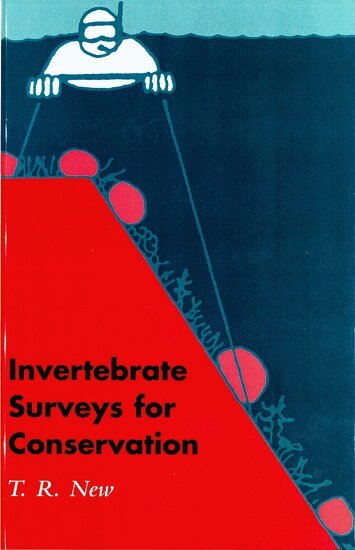
    Invertebrate Surveys for Conservation

    AvNew

    Häftad, Engelska, 1998

    1 012 kr

    Beställningsvara. Skickas inom 5-8 vardagar. Fri frakt över 249 kr.

    Beskrivning

    The majority of creatures are invertebrates. Invertebrate animals are the major energy conduits and agents of nutrient and material recycling in marine, freshwater, and terrestrial ecosystems throughout the world, and the sustainability of the earth's life-support systems depends on their well-being. Despite this, conservation managers and practitioners still know very little about invertebrate biology, or how to study and survey invertebrates adequately in the field. Invertebrate Surveys for Conservation is a comprehensive guide to the ecological methods used to survey invertebrate animals in terrestrial, freshwater, and marine environments. It describes how to select particular taxonomic groups for study, how to collect and analyse samples, and how to set priorities for protection in the face of limited resources. Line drawings of apparatus, tables of survey examples and methods of specimen treatment and sample analysis are augmented by a substantial list of references to provide and introduction to practical invertebrate conservation. This book will be an essential tool for anyone involved in conservation biology or ecology, including students and researchers, conservation practitioners, and environmental consultants.

    Produktinformation

    • Utgivningsdatum:1998-02-19
    • Mått:157 x 234 x 14 mm
    • Vikt:392 g
    • Format:Häftad
    • Språk:Engelska
    • Antal sidor:252
    • Förlag:OUP OXFORD
    • ISBN:9780198500117

    Utforska kategorier

    • Miljövetenskap och miljöpolitik inom Naturvetenskap och teknik
    • Zoologi inom Naturvetenskap och teknik
    • Djurböcker inom Djur och Natur

    Recensioner i media

    Useful for practising ecologists, environmental consultants and university courses.

    Innehållsförteckning

    • Preface ; Acknowledgements ; 1. Introduction. Invertebrates in conservation ; 2. Approaches to invertebrate surveys: posing the questions ; 3. Sampling invertebrates: terrestrial environments ; 4. Sampling invertebrates: aquatic environments ; 5. Assessing use of sampling methods ; 6. Processing and interpreting invertebrate samples ; 7. Taxonomy and target groups for conservation studies ; 8. Monitoring and evaluation of status ; 9. Alternatives to species conservation ; 10. Involving people in invertebrate conservation ; References ; Index