• Fri frakt över 249 kr
  • •
  • Snabba leveranser
  • •
  • Billiga böcker
Kundservice

Du är på sajten för privatpersoner.

Företag, bibliotek eller offentlig verksamhet?

Du handlar på classic.bokus.com, där alla dina funktioner finns intakta.
Till classic.bokus.com
Bokus logotyp. Gå till startsidan.
  • Erbjudanden
  • Nyheter
  • Student
  • Topplistor
  • Barn & ungdom
  • Bokus Play
  • E-böcker
  • Pocketböcker
  • Spel & pussel

10% rabatt på allt med kod NYSTART10 →

Sidfot

Mina sidor

    Hjälp

    • Kundservice
    • Vanliga frågor och svar
    • Frakt och leverans
    • Retur vid ångerrätt
    • Reklamera vara
    • Betalning
    • Köpvillkor
    • Allmänna villkor
    • Information om webbplatsens tillgänglighet

    Om Bokus

    • Om oss
    • Pressrum
    • För studenter
    • För företag
    • För bibliotek och offentlig verksamhet
    • För leverantörer
    • Hållbarhet

    Populärt

    • Aktuella erbjudanden
    • Presentkort
    • Studentlitteratur
    • Nya böcker
    • Topplistor
    • Signerade böcker
    • Engelska böcker

    Inspiration

    • Boktips
    • BookTok
    • Populära bokserier
    • Barnbokskaraktärer
    • Populära författare
    Logotyp för Bokus
    Följ oss på Facebook (extern länk)Följ oss på Instagram (extern länk)Följ oss på YouTube (extern länk)Följ oss på TikTok (extern länk)
    bokus @ CookiesAnpassa cookiesIntegritetspolicyKöpvillkor
    Till Citymail hemsida (extern länk)Till Budbee hemsida (extern länk)Till Postnord hemsida (extern länk)Till Schenker hemsida (extern länk)Till Early Bird hemsida (extern länk)Till Walleys hemsida (extern länk)
    1. Samhälle och politik
    2. Politik och statsskick
    3. Statsskick och politiska processer
    4. Statsskick: demokrati

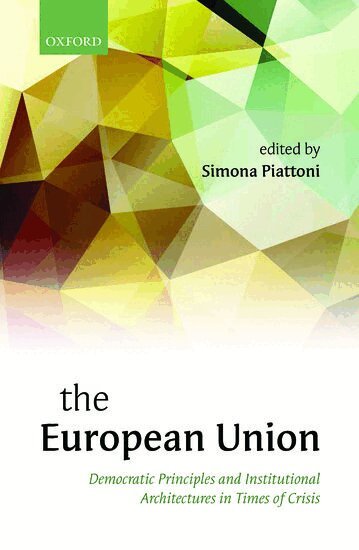
    The European Union

    Democratic Principles and Institutional Architectures in Times of Crisis

    AvSimona Piattoni

    Inbunden, Engelska, 2015

    2 145 kr

    Beställningsvara. Skickas inom 5-8 vardagar. Fri frakt över 249 kr.

    Beskrivning

    This book seeks to answer the question 'Which institutional architecture for which kind of democracy for the EU?' by bringing two important recent debates together- the institutional analysis of the Union and its democratic assessment. The book examines a series of institutional architectures in light of the democratic quality of the processes and decisions generated by them. The discussion of these various institutional architectures is preceded by an analysis of the democratic values and principles according to which institutional architectures and governance structures should be assessed. The first part of the volume starts from key democratic principles and indicates which institutional architectures are most likely to embody them. The second part is dedicated to those institutional architectures that best describe the current state of the European Union and its likely future development, particularly given the impact of the current economic crisis. The fundamental belief that animates this volume is that it is only by paying attention to the democratic legitimacy of the Union that the process of European integration may hope to be sustainable, particularly in the face of the difficult economic crisis that the members of the Euro-area and the Union in general are experiencing.

    Produktinformation

    • Utgivningsdatum:2015-07-16
    • Mått:162 x 240 x 25 mm
    • Vikt:654 g
    • Format:Inbunden
    • Språk:Engelska
    • Antal sidor:320
    • Förlag:OUP OXFORD
    • ISBN:9780198716273

    Utforska kategorier

    • Statsskick: demokrati inom Samhälle och politik
    • Statsvetenskap och politisk teori inom Samhälle och politik
    • Internationella relationer inom Samhälle och politik

    Mer om författaren

    Simona Piattoni (BA/MA Economics, Bocconi University; PhD Political Science, MIT) is Professor of Political Science at the Department of Sociology and Social Research of the University of Trento, Italy.

    Innehållsförteckning

    • PART I - INTRODUCTION ; PART II - DEMOCRATIC PRINCIPLES ; PART III - INSTITUTIONAL ARCHITECTURES ; PART IV - CONCLUSION