• Fri frakt över 249 kr
  • •
  • Snabba leveranser
  • •
  • Billiga böcker
Kundservice

Du är på sajten för privatpersoner.

Företag, bibliotek eller offentlig verksamhet?

Du handlar på classic.bokus.com, där alla dina funktioner finns intakta.
Till classic.bokus.com
Bokus logotyp. Gå till startsidan.
  • Erbjudanden
  • Nyheter
  • Student
  • Topplistor
  • Barn & ungdom
  • Bokus Play
  • E-böcker
  • Pocketböcker
  • Spel & pussel

10% rabatt på allt med kod: NYSTART10 →

Sidfot

Mina sidor

    Hjälp

    • Kundservice
    • Vanliga frågor och svar
    • Frakt och leverans
    • Retur vid ångerrätt
    • Reklamera vara
    • Betalning
    • Köpvillkor
    • Allmänna villkor
    • Information om webbplatsens tillgänglighet

    Om Bokus

    • Om oss
    • Pressrum
    • För studenter
    • För företag
    • För bibliotek och offentlig verksamhet
    • För leverantörer
    • Hållbarhet

    Populärt

    • Aktuella erbjudanden
    • Presentkort
    • Studentlitteratur
    • Nya böcker
    • Topplistor
    • Signerade böcker
    • Engelska böcker

    Inspiration

    • Boktips
    • BookTok
    • Populära bokserier
    • Barnbokskaraktärer
    • Populära författare
    Logotyp för Bokus
    Följ oss på Facebook (extern länk)Följ oss på Instagram (extern länk)Följ oss på YouTube (extern länk)Följ oss på TikTok (extern länk)
    bokus @ CookiesAnpassa cookiesIntegritetspolicyKöpvillkor
    Till Citymail hemsida (extern länk)Till Budbee hemsida (extern länk)Till Postnord hemsida (extern länk)Till Schenker hemsida (extern länk)Till Early Bird hemsida (extern länk)Till Walleys hemsida (extern länk)
    1. Historia och arkeologi
    2. Historia
    3. Historia: särskilda händelser och ämnen
    4. Socialhistoria och kulturhistoria

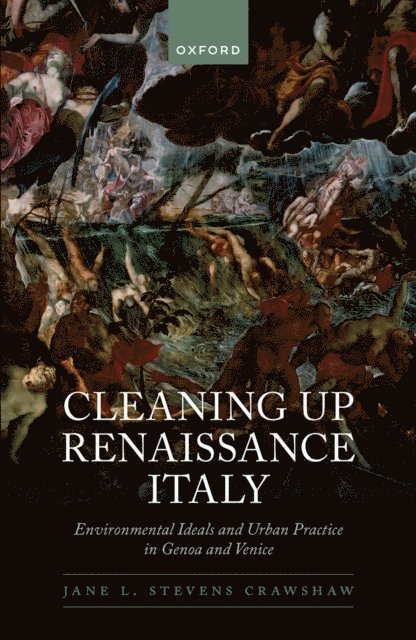
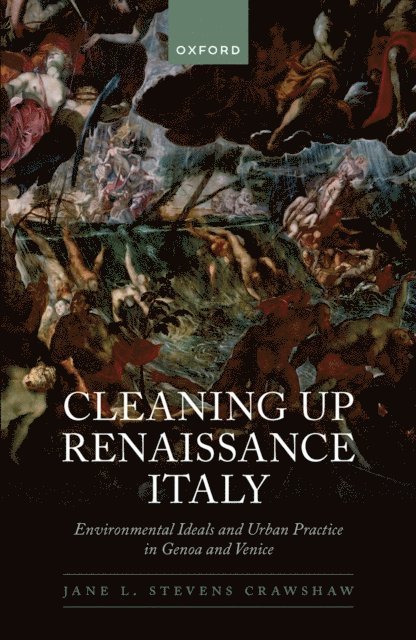
    Cleaning Up Renaissance Italy

    Environmental Ideals and Urban Practice in Genoa and Venice

    AvJane L. Stevens Crawshaw

    Inbunden, Engelska, 2023

    1 116 kr

    Beställningsvara. Skickas inom 7-10 vardagar. Fri frakt över 249 kr.

    Fler format och utgåvor

    E-bok

    1 006 kr

    E-bok

    1 006 kr

    Beskrivning

    People and goods from across the globe filled the vibrant ports of Genoa and Venice during the Renaissance. This book takes us onto the streets, bridges, and waterways of these significant, sensuous cities to reveal the ambitious schemes undertaken to promote the cleanliness and health of their communities. Along the way, we encounter a broad and fascinating cross-section of Renaissance society -- from courtesans to street food sellers and architects to canal diggers -- and, using new archival sources, uncover both the ideals and lived experiences of health and environmental management. During the Renaissance, vital connections were believed to exist between people's natures and those of the places they inhabited. Problems in urban or environmental bodies could have social and moral, as well as physical, effects. Street cleaning or the dredging of canals, therefore, were often justified in societal and religious, as well as natural, terms. These associations shaped government measures to regulate everyday life in ports, alongside communal responses to natural disasters. They informed the management of the environment, including waste disposal, flood defences, dredging, and land reclamation, and endowed such activity with both physical and symbolic purpose.This is not simply a story of elite, official initiatives. Members of communities used public health structures to resolve the challenges of urban life -- social and physical. Occupational groups such as fishermen acted as environmental experts through the organisation of their guilds and provided reports on specific projects and proposals to government magistracies. Finally, the governments of both ports operated important systems of petitions and privileges, which encouraged innovation and the development of new technology by citizens and foreigners to address the central, environmental challenges of the day. Renaissance public health, then, emerges as a collaborate enterprise, as well as a site of tension within cosmopolitan neighbourhoods, and its study unveils more about forms of governance and community in this period.An illuminating and original account of social policies, urban design, and environmental management between 1400 and 1600, Cleaning Up Renaissance Italy provides a new, multi-disciplinary history of Renaissance Italy.
    Produktinformation

    • Utgivningsdatum:2023-07-20
    • Mått:163 x 240 x 15 mm
    • Vikt:460 g
    • Format:Inbunden
    • Språk:Engelska
    • Antal sidor:226
    • Förlag:OUP OXFORD
    • ISBN:9780198867432

    Utforska kategorier

    • Socialhistoria och kulturhistoria inom Historia och arkeologi
    • Europas historia inom Historia och arkeologi

    Mer om författaren

    Jane L. Stevens Crawshaw is a social and cultural historian of health and the environment in Renaissance Italy. She is Senior Lecturer in Early Modern European History at Oxford Brookes University. Between 2012 and 2017, she held a Leverhulme Early Career Research Fellowship, called 'Cleaning Up Renaissance Italy: environment, space, and society'. Before arriving at Oxford Brookes, she taught at the University of St Andrews and held a post-doctoral research fellowship with the Society for Renaissance Studies (the Rubinstein Fellowship). She received her PhD and MPhil from the University of Cambridge (Downing College) and her MA (hons) in History from the University of Edinburgh.

    Recensioner i media

    Cleaning Up Renaissance Italy is a significant and welcome contribution that challenges longstanding narratives of premodern urban neglect and reconstructs proactive urban efforts to manage cleanliness and health. The book's wide range of fascinating topics and integration of diverse historiographies make it a valuable resource for scholars of Renaissance cities and environmental history.

    Innehållsförteckning

    • Introduction 1: Constructing ideals and practices in Renaissance port cities Part One: The ebbs and flows of daily life 2: Channelling health: the flow of the streets 3: Preserving purity: the symbolic and practical regulation of water 4: Stemming the tide: innovation and purgation Part Two: Balance and blame 5: Working with waste: space, reuse, and the urban body 6: Dealing with disasters: environments, people, and piety Conclusion Corruptible cities