Jane L. Stevens Crawshaw – författare
973 kr
Läs direkt efter köp
1 008 kr
Läs direkt efter köp
1 119 kr
Skickas inom 7-10 vardagar
730 kr
Skickas inom 10-15 vardagar
2 322 kr
Skickas inom 10-15 vardagar
875 kr
Skickas inom 10-15 vardagar
2 467 kr
Skickas inom 10-15 vardagar
1 039 kr
Läs direkt efter köp
1 039 kr
Läs direkt efter köp
866 kr
Läs direkt efter köp
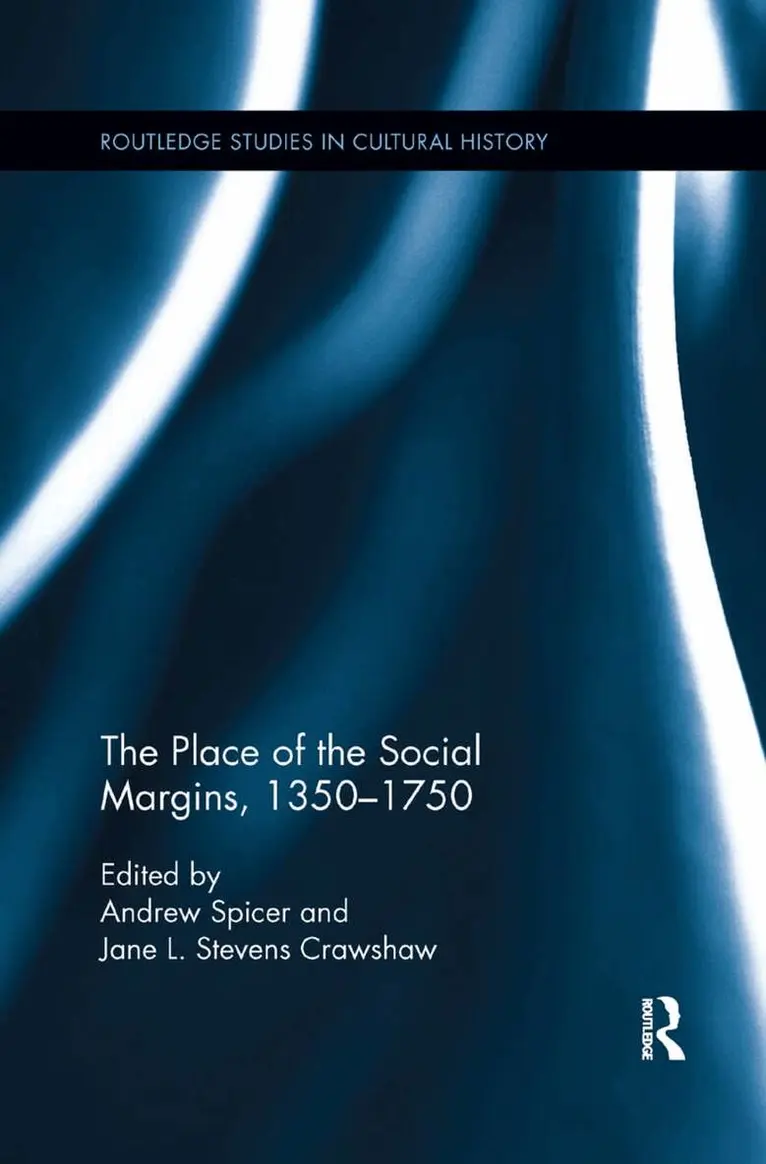
This interdisciplinary volume illuminates the shadowy history of the disadvantaged, sick and those who did not conform to the accepted norms of society. It explores how marginal identity was formed, perceived and represented in Britain and Europe during the medieval and early modern periods. It illustrates that the identities of marginal groups were shaped by their place within primarily urban communities, both in terms of their socio-economic status and the spaces in which they lived and worked. Some of these groups – such as executioners, prostitutes, pedlars and slaves – performed a significant social and economic function but on the basis of this were stigmatized by other townspeople. Language was used to control and limit the activities of others within society such as single women and foreigners, as well as the victims of sexual crimes. For many, such as lepers and the disabled, marginal status could be ambiguous, cyclical or short-lived and affected by key religious, political and economic events. Traditional histories have often considered these groups in isolation. Based on new research, a series of case studies from Britain and across Europe illustrate and provide important insights into the problems faced by these marginal groups and the ways in which medieval and early modern communities were shaped and developed.
866 kr
Läs direkt efter köp
This interdisciplinary volume illuminates the shadowy history of the disadvantaged, sick and those who did not conform to the accepted norms of society. It explores how marginal identity was formed, perceived and represented in Britain and Europe during the medieval and early modern periods. It illustrates that the identities of marginal groups were shaped by their place within primarily urban communities, both in terms of their socio-economic status and the spaces in which they lived and worked. Some of these groups – such as executioners, prostitutes, pedlars and slaves – performed a significant social and economic function but on the basis of this were stigmatized by other townspeople. Language was used to control and limit the activities of others within society such as single women and foreigners, as well as the victims of sexual crimes. For many, such as lepers and the disabled, marginal status could be ambiguous, cyclical or short-lived and affected by key religious, political and economic events. Traditional histories have often considered these groups in isolation. Based on new research, a series of case studies from Britain and across Europe illustrate and provide important insights into the problems faced by these marginal groups and the ways in which medieval and early modern communities were shaped and developed.
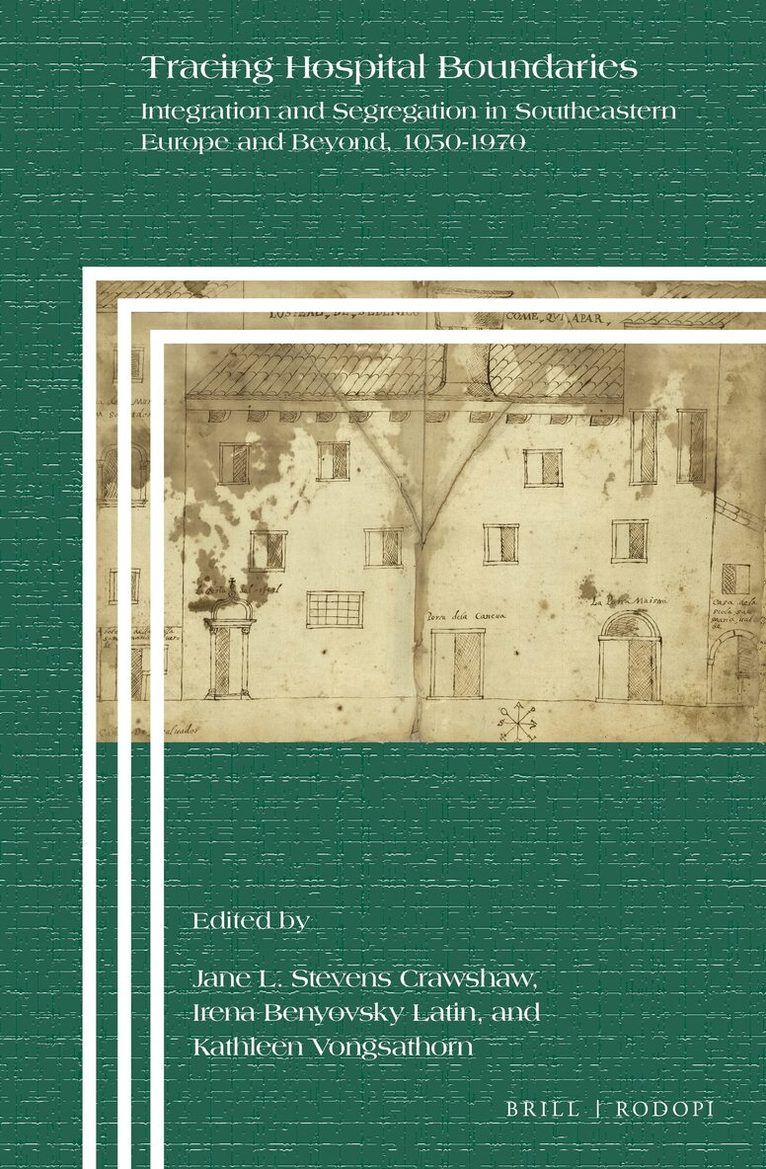
Tracing Hospital Boundaries
Integration and Segregation in Southeastern Europe and Beyond, 1050-1970
2 375 kr
Skickas inom 5-8 vardagar