• Fri frakt över 249 kr
  • •
  • Snabba leveranser
  • •
  • Billiga böcker
Kundservice

Du är på sajten för privatpersoner.

Företag, bibliotek eller offentlig verksamhet?

Du handlar på classic.bokus.com, där alla dina funktioner finns intakta.
Till classic.bokus.com
Bokus logotyp. Gå till startsidan.
  • Erbjudanden
  • Nyheter
  • Student
  • Topplistor
  • Barn & ungdom
  • Bokus Play
  • E-böcker
  • Pocketböcker
  • Spel & pussel

10% rabatt på allt med kod NYSTART10 →

Sidfot

Mina sidor

    Hjälp

    • Kundservice
    • Vanliga frågor och svar
    • Frakt och leverans
    • Retur vid ångerrätt
    • Reklamera vara
    • Betalning
    • Köpvillkor
    • Allmänna villkor
    • Information om webbplatsens tillgänglighet

    Om Bokus

    • Om oss
    • Pressrum
    • För studenter
    • För företag
    • För bibliotek och offentlig verksamhet
    • För leverantörer
    • Hållbarhet

    Populärt

    • Aktuella erbjudanden
    • Presentkort
    • Studentlitteratur
    • Nya böcker
    • Topplistor
    • Signerade böcker
    • Engelska böcker

    Inspiration

    • Boktips
    • BookTok
    • Populära bokserier
    • Barnbokskaraktärer
    • Populära författare
    Logotyp för Bokus
    Följ oss på Facebook (extern länk)Följ oss på Instagram (extern länk)Följ oss på YouTube (extern länk)Följ oss på TikTok (extern länk)
    bokus @ CookiesAnpassa cookiesIntegritetspolicyKöpvillkor
    Till Citymail hemsida (extern länk)Till Budbee hemsida (extern länk)Till Postnord hemsida (extern länk)Till Schenker hemsida (extern länk)Till Early Bird hemsida (extern länk)Till Walleys hemsida (extern länk)
    1. Historia och arkeologi
    2. Historia
    3. Historia: särskilda händelser och ämnen
    4. Socialhistoria och kulturhistoria

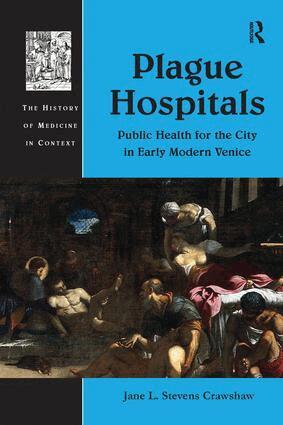
    Plague Hospitals

    Public Health for the City in Early Modern Venice

    AvJane L. Stevens Crawshaw

    Häftad, Engelska, 2016

    918 kr

    Beställningsvara. Skickas inom 10-15 vardagar. Fri frakt över 249 kr.

    Fler format och utgåvor

    Inbunden

    2 495 kr

    E-bok

    1 091 kr

    E-bok

    1 088 kr

    Beskrivning

    Developed throughout early modern Europe, lazaretti, or plague hospitals, took on a central role in early modern responses to epidemic disease, in particular the prevention and treatment of plague. The lazaretti served as isolation hospitals, quarantine centres, convalescent homes, cemeteries, and depots for the disinfection or destruction of infected goods. The first permanent example of this institution was established in Venice in 1423 and between the fifteenth and eighteenth centuries tens of thousands of patients passed through the doors. Founded on lagoon islands, the lazaretti tell us about the relationship between the city and its natural environment. The plague hospitals also illustrate the way in which medical structures in Venice intersected with those of piety and poor relief and provided a model for public health which was influential across Europe. This is the first detailed study of how these plague hospitals functioned, where they were situated, who worked there, what it was like to stay there, and how many people survived. Comparisons are made between the Venetian lazaretti and similar institutions in Padua, Verona and other Italian and European cities. Centred on the sixteenth and seventeenth centuries, during which time there were both serious plague outbreaks in Europe and periods of relative calm, the book explores what the lazaretti can tell us about early modern medicine and society and makes a significant contribution to both Venetian history and our understanding of public health in early modern Europe, engaging with ideas of infection and isolation, charity and cure, dirt, disease and death.

    Produktinformation

    • Utgivningsdatum:2016-10-03
    • Mått:156 x 234 x 18 mm
    • Vikt:630 g
    • Format:Häftad
    • Språk:Engelska
    • Antal sidor:338
    • Förlag:Taylor & Francis Ltd
    • ISBN:9781138245891

    Utforska kategorier

    • Socialhistoria och kulturhistoria inom Historia och arkeologi
    • Medicinhistoria inom Medicin
    • Industrialismen och industrihistoria inom Historia och arkeologi

    Mer om författaren

    Jane L Stevens Crawshaw is Leverhulme Early Career Research Fellow in History at Oxford Brookes University. This is her first book.

    Recensioner i media

    'The author of this study has produced a very readable and useful work. ... This is a very good study of plague hospitals and one that thoughtfully comments on the major themes on plague studies and medical history at the end of the Middle Ages. Venetian historians will find the hospitals carefully integrated into the world they study, and more general readers will find an excellent summary work on medicine and public health in the early modern period.' Duane J. Osheim, The Historian 'In this carefully researched and engaging study, Jane L. Stevens Crawshaw offers a focused and multifaceted history of Venice’s two iconic lazaretti, or plague hospitals ... Plague Hospitals should serve as a model for how to research and write about complex and multifaceted institutions in relation to the specific social and political contexts in which they operated.' Renaissance & Reformation '... Crawshaw offers considerably more than a singular case study of Venetian lazarettos, sustaining detail of an astonishing array and depth.' The Medieval Review 'Crawshaw’s analysis raises interesting questions for the study of hospitals, epidemiology, as well as the function of charity in early modern societies. ... [her research] will hopefully reinvigorate the field by proving that there are still many materials to analyse and questions to ask about the plague and public health in early modern Europe.' Sixteenth Century Journal '... this book makes a significant contribution to the history of hospitals and the history of medicine more broadly.' Renaissance Quarterly

    Innehållsförteckning

    • Introduction; 1: ‘From a distance it looks like a castle': First Impressions and Architectural Design; 2: The Sick-Poor; 3: ‘Abandon hope, all you who enter here': Experiences of Staff and the Patients' Daily Routine; 4: Syrups and Secrets: Treating the Plague; 5: Dying in the Lazaretti; 6: Returning to the City; Conclusion; Epilogue