• Fri frakt över 249 kr
  • •
  • Snabba leveranser
  • •
  • Billiga böcker
Kundservice

Du är på sajten för privatpersoner.

Företag, bibliotek eller offentlig verksamhet?

Du handlar på classic.bokus.com, där alla dina funktioner finns intakta.
Till classic.bokus.com
Bokus logotyp. Gå till startsidan.
  • Erbjudanden
  • Nyheter
  • Student
  • Topplistor
  • Barn & ungdom
  • Bokus Play
  • E-böcker
  • Pocketböcker
  • Spel & pussel

10% rabatt på allt med kod: NYSTART10 →

Sidfot

Mina sidor

    Hjälp

    • Kundservice
    • Vanliga frågor och svar
    • Frakt och leverans
    • Retur vid ångerrätt
    • Reklamera vara
    • Betalning
    • Köpvillkor
    • Allmänna villkor
    • Information om webbplatsens tillgänglighet

    Om Bokus

    • Om oss
    • Pressrum
    • För studenter
    • För företag
    • För bibliotek och offentlig verksamhet
    • För leverantörer
    • Hållbarhet

    Populärt

    • Aktuella erbjudanden
    • Presentkort
    • Studentlitteratur
    • Nya böcker
    • Topplistor
    • Signerade böcker
    • Engelska böcker

    Inspiration

    • Boktips
    • BookTok
    • Populära bokserier
    • Barnbokskaraktärer
    • Populära författare
    Logotyp för Bokus
    Följ oss på Facebook (extern länk)Följ oss på Instagram (extern länk)Följ oss på YouTube (extern länk)Följ oss på TikTok (extern länk)
    bokus @ CookiesAnpassa cookiesIntegritetspolicyKöpvillkor
    Till Citymail hemsida (extern länk)Till Budbee hemsida (extern länk)Till Postnord hemsida (extern länk)Till Schenker hemsida (extern länk)Till Early Bird hemsida (extern länk)Till Walleys hemsida (extern länk)
    1. Historia och arkeologi
    2. Historia
    3. Forntidens historia

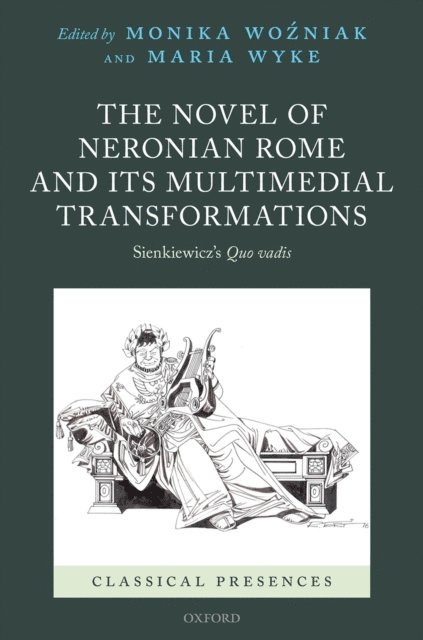
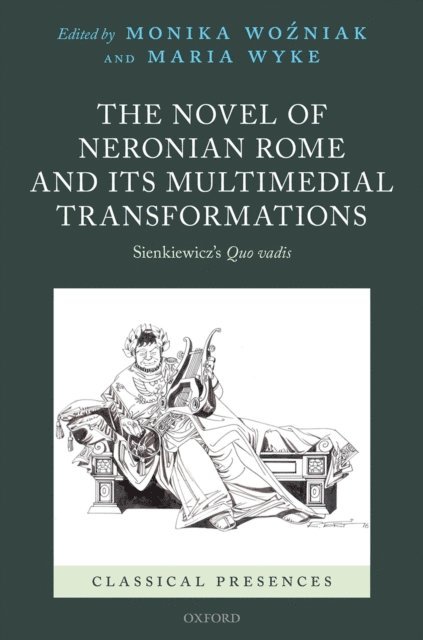
    The Novel of Neronian Rome and its Multimedial Transformations

    Sienkiewicz's Quo vadis

    AvMonika Woźniak,Maria Wyke

    Inbunden, Engelska, 2020

    Del i serien Classical Presences

    1 794 kr

    Beställningsvara. Skickas inom 7-10 vardagar. Fri frakt över 249 kr.

    Beskrivning

    The Polish writer Henryk Sienkiewicz was awarded the Nobel Prize for literature in 1905 largely on the basis of his historical novel Quo vadis: A Narrative of the Time of Nero. The novel's vivid and moving reconstruction of religious persecution and struggle against tyranny catapulted its author into literary stardom. But, before long, Quo vadis began to 'detach' itself from the person of its author and to become a multimedial, mass culture phenomenon. In the West and in the East, it was adapted for stage and screen, provided the inspiration for works of music and other genres of literature, was transformed into comic strips and illustrated children's books, was cited in advertising, and referenced in everyday objects of material culture. This volume explores the strategies Sienkiewicz used to recreate Neronian Rome and the reasons his novel was so avidly consumed and reproduced in new editions, translations, visual illustrations, and adaptations to the stage and screen across Europe and in the United States. The contributions render visible for English-speaking readers the impact of a Polish work of high literature on the presence of Nero, Christian persecution, and ancient Rome in Western popular culture.

    Produktinformation

    • Utgivningsdatum:2020-12-16
    • Mått:165 x 240 x 25 mm
    • Vikt:720 g
    • Format:Inbunden
    • Språk:Engelska
    • Serie:Classical Presences
    • Antal sidor:350
    • Förlag:OUP OXFORD
    • ISBN:9780198867531

    Utforska kategorier

    • Forntidens historia inom Historia och arkeologi
    • Litteraturvetenskap inom Skönlitteratur
    • Film inom Kultur

    Mer om författaren

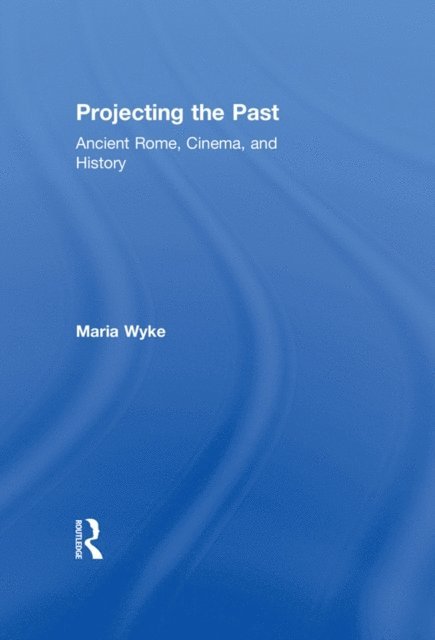
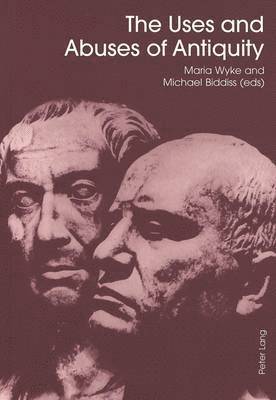
    Monika Woźniak is Associate Professor of Polish Language and Literature at the University of Rome 'La Sapienza'. Her research has addressed issues of literary translation, children's literature in translation, and audiovisual translation. She is co-author of Historia na ekranie. Gatunek filmowy a przekład audiowizualny (History on the Screen. Cinematographic Genre and Audiovisual Translation) (Kraków, 2018). She is co-editor of Cinderella across Cultures (Wayne University Press, 2016) and the conference proceedings Quo vadis: da caso letterario al fenomeno della cultura di massa (Rome, 2016).Maria Wyke is Professor of Latin at University College London. Her research interests include the reception of ancient Rome, especially in popular culture. She is the author of Projecting the Past: Ancient Rome, Cinema and History (Routledge, 1997), The Roman Mistress: Ancient and Modern Representations (OUP, 2000), Caesar: A Life in Western Culture (Granta and the University of Chicago Press, 2007), and Caesar in the USA (University of California Press, 2012). Wyke has edited or co-edited eight volumes to date, including The Ancient World in Silent Cinema (CUP, 2013), Julius Caesar in Western Culture (Blackwell, 2006), and The Uses and Abuses of Antiquity (Peter Lang, 1999).

    Recensioner i media

    His paper is based on intimate acquaintance with the rhythms, leaders and main themes of Polish classicism. This level of insight should appeal greatly to an anglophone audience, who will surely learn much from its observations on the importance of Latinity to the creation of a Polish national image, especially under the Russian and German occupations, and from its analysis of the ways in which the Polish language was masterfully employed to construct an inspirational but believable picture of Neronian Rome.

    Innehållsförteckning

    • 1: Monika Wo'zniak and Maria Wyke: Introduction I. Literary Context 2: Jerzy Axer: The Paradoxes of Quo vadis: The Polish Classical Tradition in Action 3: Adam Zió/lkowski: Sienkiewicz and the Topography of Ancient Rome. The Riddle of Ostrianum in Quo vadis 4: Ewa Skwara: Costumes in Henryk Sienkiewicz's Quo vadis and Their Literary and Painterly Sources 5: Ruth Scodel: Quo vadis and Ancient Rome in the United States, 1896-1905 6: Comparing the Reception of Quo Vadis and Ben-Hur in the United States, 1896-1913 II. Quo vadis up to the Second World War 7: David Mayer: Quo vadis on the stage 8: Stella Dagna: Dangerous Liaisons: Quo vadis? (1913, dir. Enrico Guazzoni) and the Previous Theatrical Adaptations of Sienkiewicz's Novel 9: Maria Wyke: Word and Image: Competitive Adaptation in the Feature Film Quo vadis? (1913) 10: Raffaele De Berti & Elisabetta Gagetti: Illustrating Quo vadis in Italy (1900-1925): Between Cultivated Tradition and Popular Culture 11: Ewa Górecka: Horror amid Sweetness: Kitsch and the Intertextual Strategies of Quo vadis Postcards III. Quo vadis post the Second World War 12: Jonathan Stubbs: 'A more permanent world': Quo Vadis (1951), Runaway Production, and the Internationalisation of Hollywood 13: Martin M. Winkler: M-G-M's QVO VADIS: From Historical Fiction to Screen Spectacle 14: Monika Wo'zniak: 'O omnivorous powers, hail!': Film Dialogue in Quo Vadis (1951) 15: Monica dall'Asta and Alessandro Faccioli: Ursus as a Serial Figure 16: El:zbieta Ostrowska: The (In)discreet Charm of the Romans: Quo vadis (dir. Jerzy Kawalerowicz, 2001)