Monika Wozniak – författare
Visar alla böcker från författaren Monika Wozniak. Handla med fri frakt och snabb leverans.
6 produkter
Novel of Neronian Rome and its Multimedial Transformations
Sienkiewicz's Quo vadis
E-bok, 2020
1666 kr
Lägg i varukorg
The Polish writer Henryk Sienkiewicz was awarded the Nobel Prize for literature in 1905 largely on the basis of his historical novel Quo vadis: A Narrative of the Time of Nero . The novel''s vivid and moving reconstruction of religious persecution and struggle against tyranny catapulted its author …
Novel of Neronian Rome and its Multimedial Transformations
Sienkiewicz's Quo vadis
E-bok, 2020
1666 kr
Lägg i varukorg
The Polish writer Henryk Sienkiewicz was awarded the Nobel Prize for literature in 1905 largely on the basis of his historical novel Quo vadis: A Narrative of the Time of Nero . The novel''s vivid and moving reconstruction of religious persecution and struggle against tyranny catapulted its author …
The Novel of Neronian Rome and its Multimedial Transformations
Sienkiewicz's Quo vadis
Inbunden, 2020
1853 kr
Lägg i varukorg
The Polish writer Henryk Sienkiewicz was awarded the Nobel Prize for literature in 1905 largely on the basis of his historical novel Quo vadis: A Narrative of the Time of Nero. The novel's vivid and moving reconstruction of religious persecution and struggle against tyranny catapulted its author …
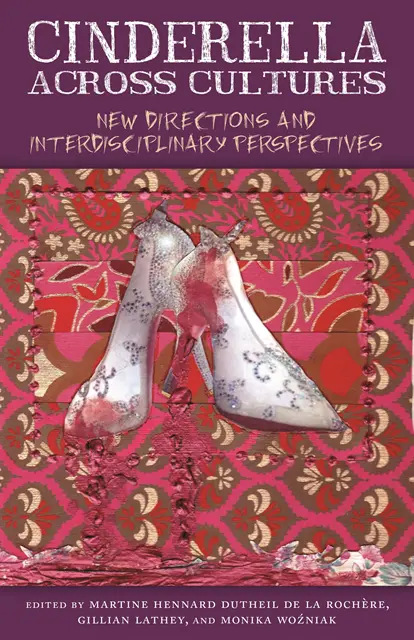
Cinderella Across Cultures
Av Martine Hennard Dutheil de la Rochère, Gillian Lathey m. fl.
Häftad, 2016
388 kr
Lägg i varukorg
The Cinderella story is retold continuously in literature, illustration, music, theatre, ballet, opera, film, and other media, and folklorists have recognized hundreds of distinct forms of Cinderella plots worldwide. The focus of this volume, however, is neither Cinderella as an item of folklore …
Cinderella Across Cultures
New Directions and Interdisciplinary Perspectives
Av Monika Wozniak, Gillian Lathey m. fl.
E-bok, 2016
334 kr
Lägg i varukorg
Examines the tale of Cinderella as a fascinating, multilayered, and ever-changing story constantly reinvented in different media and traditions. The Cinderella story is retold continuously in literature, illustration, music, theatre, ballet, opera, film, and other media, and folklorists have …
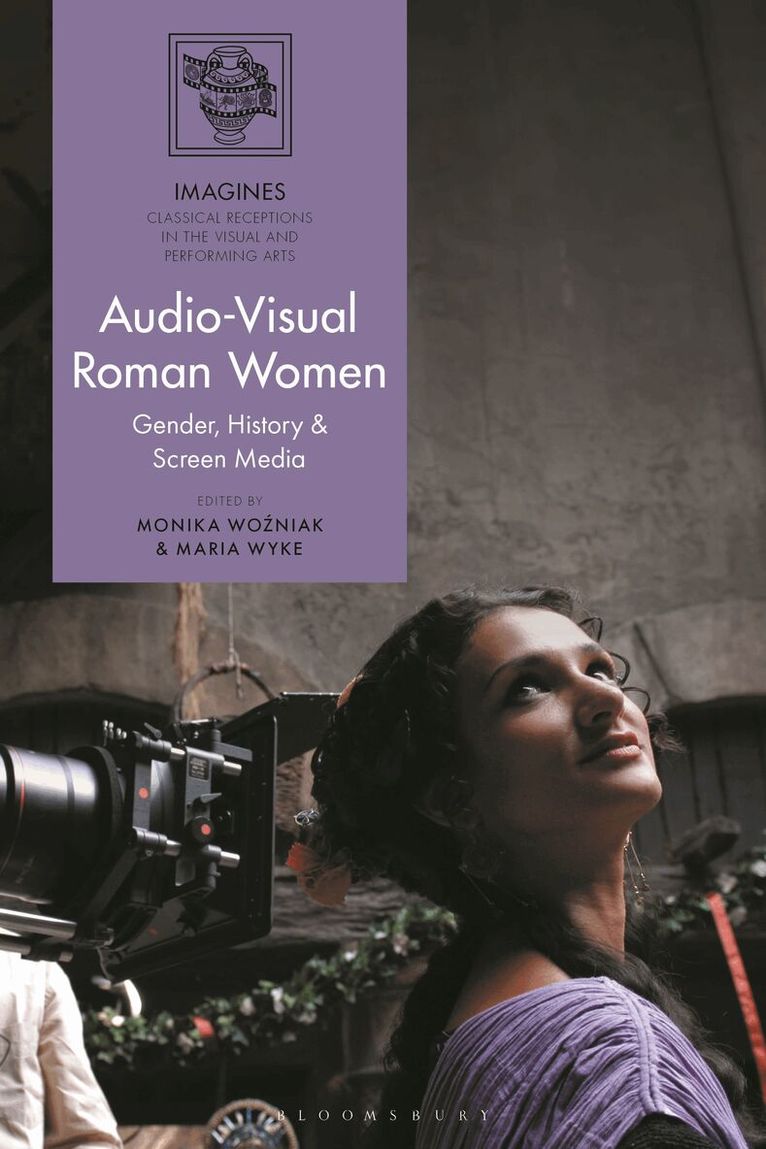
Audio-Visual Roman Women
Gender, History and Screen Media
Inbunden, 2026
1278 kr
Lägg i varukorg
This open-access book is an interdisciplinary and transnational study of how screen media can shape our perception of Roman women and project present gender inequalities onto them. Maria Wyke and Monika Wozniak explore a range of representations that have given life to Roman women through a …