• Fri frakt över 249 kr
  • •
  • Snabba leveranser
  • •
  • Billiga böcker
Kundservice

Du är på sajten för privatpersoner.

Företag, bibliotek eller offentlig verksamhet?

Du handlar på classic.bokus.com, där alla dina funktioner finns intakta.
Till classic.bokus.com
Bokus logotyp. Gå till startsidan.
  • Erbjudanden
  • Nyheter
  • Student
  • Topplistor
  • Barn & ungdom
  • Bokus Play
  • E-böcker
  • Pocketböcker
  • Spel & pussel

10% rabatt på allt med kod NYSTART10 →

Sidfot

Mina sidor

    Hjälp

    • Kundservice
    • Vanliga frågor och svar
    • Frakt och leverans
    • Retur vid ångerrätt
    • Reklamera vara
    • Betalning
    • Köpvillkor
    • Allmänna villkor
    • Information om webbplatsens tillgänglighet

    Om Bokus

    • Om oss
    • Pressrum
    • För studenter
    • För företag
    • För bibliotek och offentlig verksamhet
    • För leverantörer
    • Hållbarhet

    Populärt

    • Aktuella erbjudanden
    • Presentkort
    • Studentlitteratur
    • Nya böcker
    • Topplistor
    • Signerade böcker
    • Engelska böcker

    Inspiration

    • Boktips
    • BookTok
    • Populära bokserier
    • Barnbokskaraktärer
    • Populära författare
    Logotyp för Bokus
    Följ oss på Facebook (extern länk)Följ oss på Instagram (extern länk)Följ oss på YouTube (extern länk)Följ oss på TikTok (extern länk)
    bokus @ CookiesAnpassa cookiesIntegritetspolicyKöpvillkor
    Till Citymail hemsida (extern länk)Till Budbee hemsida (extern länk)Till Postnord hemsida (extern länk)Till Schenker hemsida (extern länk)Till Early Bird hemsida (extern länk)Till Walleys hemsida (extern länk)
    1. Historia och arkeologi
    2. Arkeologi
    3. Arkeologiska perioder och områden

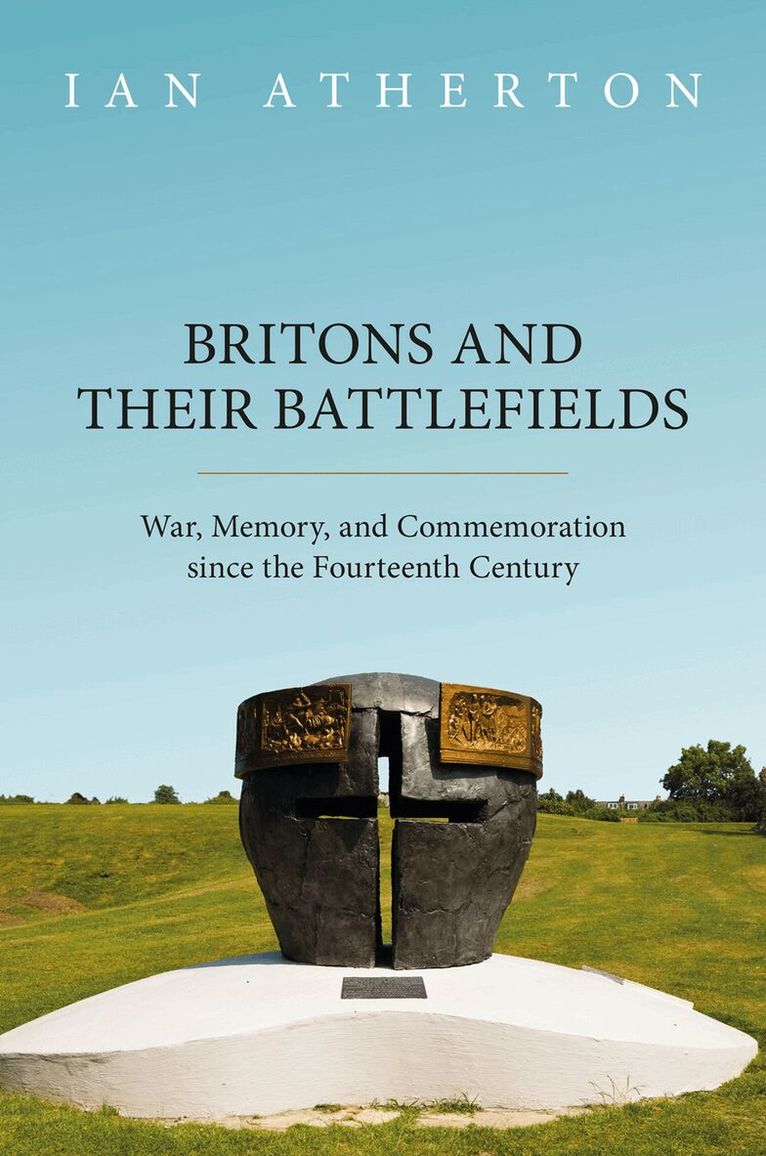
    Britons and their Battlefields

    War, Memory, and Commemoration since the Fourteenth Century

    AvIan Atherton

    Inbunden, Engelska, 2024

    533 kr

    Beställningsvara. Skickas inom 5-8 vardagar. Fri frakt över 249 kr.

    Fler format och utgåvor

    E-bok

    457 kr

    E-bok

    457 kr

    Beskrivning

    While much attention has been paid to the commemoration of conflict in the twentieth century, this book is the first to consider conflict memory in the long term, arguing that modern practices were not created out of the mud of the trenches, but evolved from much longer practices. From the fourteenth century to the present day, this work analyses the changing commemoration and memories of British battlefields at home and overseas, from Bannockburn (1314) to Bosworth (1485) to Basra (2003-9).Across these seven centuries, there has been a series of recurring post-battle rituals that have shaped and continue to shape memories of conflict. Three distinct but overlapping periods of memory can be delineated. In the later Middle Ages battlefields were consecrated by the burial of the fallen and often by the erection of a battlefield cross, or chapel or chantry to pray for the dead. The second phase began with the Protestant Reformation in the 1530s, when pilgrimage and prayers for the dead were abolished, and battlefield chantries were dissolved and many battlefield crosses were demolished. Memories shifted from the dead to the living, especially the bodies of surviving veterans who commemorated the conflict by their wounds, and from soil and stone to print and ink. The third phase began in the eighteenth century when antiquaries and others established new monuments on past battlefields. Monuments to survivors and the dead were established on contemporary battlefields such as Waterloo, once again hailed as sacred ground hallowed by bloodshed, fit destinations for a pilgrimage. Not just officers but ordinary soldiers began to be memorialized by name on the battlefield, culminating in the cult of the names of the dead enshrined by the creation of the War Graves Commission in 1917, and the idea that battlefields should be preserved unchanged as seen in modern heritage management.Drawing on a wide variety of literary and historical sources and taking a uniquely longue durée approach, the book explores and links memory-making practices from across the period to reconsider the ways in which battlefields are commemorated and re-commemorated. In so doing, it makes a unique contribution to a wide range of historiographical fields: British history since the fourteenth century, memory studies, heritage studies, landscape history, conflict archaeology, and military history.

    Produktinformation

    • Utgivningsdatum:2024-09-19
    • Mått:162 x 240 x 25 mm
    • Vikt:684 g
    • Format:Inbunden
    • Språk:Engelska
    • Antal sidor:352
    • Förlag:OUP OXFORD
    • ISBN:9780198912859

    Utforska kategorier

    • Arkeologiska perioder och områden inom Historia och arkeologi
    • Europas historia inom Historia och arkeologi
    • Militärhistoria inom Historia och arkeologi

    Mer om författaren

    Dr Ian Atherton is Senior Lecturer in History at Keele University. His research has covered politics and religion in early modern Britain, particularly the English Civil Wars, the commemoration of conflict, and the history of cathedrals and religious change.

    Recensioner i media

    This is an important and, in places, challenging book. It should be required reading for anyone interested in battlefield commemoration and memory and how this has changed over time ... an excellent book which will make you reconsider the nature of battlefield memory, how we and our ancestors engage and have engaged with battlefields, and what the future might hold. If you are at all interested in these issues, you should buy this book, which is worth every pound of its price.

    Innehållsförteckning

    • Preface 1: Introduction: Battlefields and Memory over Time Part One. Continuing Customs 2: The Aftermath of Battle 3: The Naming of Parts: Battlefield Naming and Memory Part Two. Chronological Change 4: Burial and the Battlefield War Memorial in the Late Middle Ages 5: The Reformation of the Battlefield in Early Modern Britain 6: The Rediscovery of the Battlefield in the Eighteenth Century 7: The Nineteenth-Century Invention of the Modern Battlefield 8: 'We Will Remember Them': Battlefield Remembrance and the Cult of the Fallen since 1914 9: Conclusion: The Future of the Past and the Past of the Future