• Fri frakt över 249 kr
  • •
  • Snabba leveranser
  • •
  • Billiga böcker
Kundservice

Du är på sajten för privatpersoner.

Företag, bibliotek eller offentlig verksamhet?

Du handlar på classic.bokus.com, där alla dina funktioner finns intakta.
Till classic.bokus.com
Bokus logotyp. Gå till startsidan.
  • Erbjudanden
  • Nyheter
  • Student
  • Topplistor
  • Barn & ungdom
  • Bokus Play
  • E-böcker
  • Pocketböcker
  • Spel & pussel

10% rabatt på allt med kod: NYSTART10 →

Sidfot

Mina sidor

    Hjälp

    • Kundservice
    • Vanliga frågor och svar
    • Frakt och leverans
    • Retur vid ångerrätt
    • Reklamera vara
    • Betalning
    • Köpvillkor
    • Allmänna villkor
    • Information om webbplatsens tillgänglighet

    Om Bokus

    • Om oss
    • Pressrum
    • För studenter
    • För företag
    • För bibliotek och offentlig verksamhet
    • För leverantörer
    • Hållbarhet

    Populärt

    • Aktuella erbjudanden
    • Presentkort
    • Studentlitteratur
    • Nya böcker
    • Topplistor
    • Signerade böcker
    • Engelska böcker

    Inspiration

    • Boktips
    • BookTok
    • Populära bokserier
    • Barnbokskaraktärer
    • Populära författare
    Logotyp för Bokus
    Följ oss på Facebook (extern länk)Följ oss på Instagram (extern länk)Följ oss på YouTube (extern länk)Följ oss på TikTok (extern länk)
    bokus @ CookiesAnpassa cookiesIntegritetspolicyKöpvillkor
    Till Citymail hemsida (extern länk)Till Budbee hemsida (extern länk)Till Postnord hemsida (extern länk)Till Schenker hemsida (extern länk)Till Early Bird hemsida (extern länk)Till Walleys hemsida (extern länk)
    1. Naturvetenskap och teknik
    2. Geovetenskap
    3. Miljövetenskap och miljöpolitik

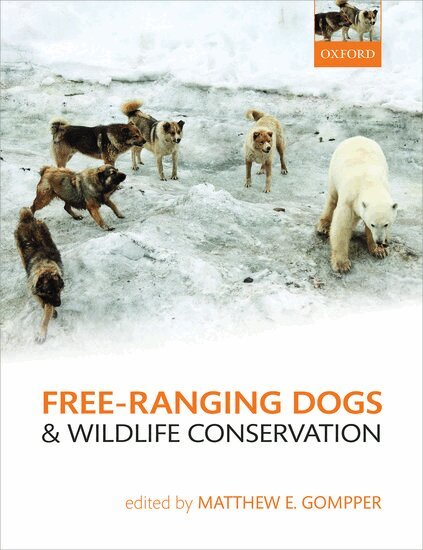
    Free-Ranging Dogs and Wildlife Conservation

    AvMatthew E. Gompper

    Inbunden, Engelska, 2013

    935 kr

    Beställningsvara. Skickas inom 7-10 vardagar. Fri frakt över 249 kr.

    Beskrivning

    Dogs are the world's most common and widespread carnivores and are nearly ubiquitous across the globe. The vast majority of these dogs, whether owned or un-owned, pure-bred or stray, spend a large portion of their life as unconfined, free-roaming animals, persisting at the interface of human and wildlife communities. Their numbers are particularly large throughout the developing world, where veterinary care and population control are often minimal and human populations are burgeoning. This volume brings together the world's experts to provide a comprehensive, unifying, and accessible review of the effects of dogs on native wildlife species. With an emphasis on addressing how free-ranging dogs may influence wildlife management and native species of conservation concern, chapters address themes such as the global history and size of dog populations, dogs as predators, competitors, and prey of wildlife, the use of dogs as hunting companions, the role of dogs in maintaining diseases of wildlife, and the potential for dogs to hybridize with wild canid species. In addition, the potential role of dogs as mediators of conservation conflict is assessed, including the role of dogs as livestock guardians, the potential for dogs to aid researchers in locating rare wildlife species of conservation interest, and the importance of recognizing that some populations of dogs such as dingoes have a long history of genetic isolation and are themselves important conservation concerns. A common theme woven throughout this volume is the potential for dogs to mediate how humans interact with wildlife and the recognition that the success of wildlife conservation and management efforts are often underpinned by understanding and addressing the potential roles of free-ranging dogs in diverse natural ecosystems.Free-Ranging Dogs and Wildlife Conservation is aimed at professional wildlife and conservation ecologists, managers, graduate students, and researchers with an interest in human-dog-wildlife interactions. It will also be of relevance and use to dog welfare researchers, veterinary scientists, disease ecologists, and readers with an interest in the interface of domestic animals and wildlife.

    Produktinformation

    • Utgivningsdatum:2013-10-17
    • Mått:195 x 248 x 22 mm
    • Vikt:914 g
    • Format:Inbunden
    • Språk:Engelska
    • Antal sidor:330
    • Förlag:OUP OXFORD
    • ISBN:9780199663217

    Utforska kategorier

    • Miljövetenskap och miljöpolitik inom Naturvetenskap och teknik
    • Däggdjur inom Naturvetenskap och teknik
    • Däggdjur inom Djur och Natur

    Mer om författaren

    Dr Matthew Gompper is a Professor of Mammalogy in the School of Natural Resources at the University of Missouri, USA, and also directs the university's Program in Conservation Biology. His research focuses on the interactions of free-ranging dogs and wildlife, as well as the ecology and conservation of diverse species of mammalian carnivores that range in size from weasels and martens to bears and tigers. He and his students have worked on these issues across the globe, including in India, Nepal, Brazil, Panama, Mexico and the North-eastern and Mid-western United States.

    Recensioner i media

    The amount of information contained in this book is staggering, as are the references accompanying each chapter. I know I shall be constantly pulling it off my shelf to revisit the wealth of data summarized by the authors. I learned a lot from reading it and can see it being adopted in advanced undergraduate and graduate courses in areas such as conservation biolody, conservation behavior, behavior ecology and animal behavior.

    Innehållsförteckning

    • Foreword ; Introduction: Outlining the Ecological Influences of a Subsidized, Domesticated Predator ; 1. The Dog-Human-Wildlife Interface: Assessing the Scope of the Problem ; 2. Dogs as Predators and Trophic Regulators ; 3. Top-dogs and Under-dogs: Competition between Dogs and Sympatric Carnivores ; 4. Dogs as Agents of Disturbance ; 5. Dog Eat Dog, Cat Eat Dog: Social-ecological Dimensions and Implications of Dog Predation by Wild Carnivores ; 6. Dogs, Disease, and Wildlife ; 7. Impact of Hybridization with Domestic Dogs on the Conservation of Wild Canids ; 8. Dog Conservation and the Population Genetic Structure of Dogs ; 9. Dogs as Mediators of Conservation Conflicts ; 10. The Current and Future Roles of Free-ranging Detection Dogs in Conservation Efforts ; 11. Hunting Dogs and the Extraction of Wildlife as a Resource ; 12. The Human Dimensions of Dog-Wildlife Interactions