• Fri frakt över 249 kr
  • •
  • Snabba leveranser
  • •
  • Billiga böcker
Kundservice

Du är på sajten för privatpersoner.

Företag, bibliotek eller offentlig verksamhet?

Du handlar på classic.bokus.com, där alla dina funktioner finns intakta.
Till classic.bokus.com
Bokus logotyp. Gå till startsidan.
  • Erbjudanden
  • Nyheter
  • Student
  • Topplistor
  • Barn & ungdom
  • Bokus Play
  • E-böcker
  • Pocketböcker
  • Spel & pussel

Må bättre, för mindre! Upp till 50% rabatt på hälsoböcker

Sidfot

Mina sidor

    Hjälp

    • Kundservice
    • Vanliga frågor och svar
    • Frakt och leverans
    • Retur vid ångerrätt
    • Reklamera vara
    • Betalning
    • Köpvillkor
    • Allmänna villkor
    • Information om webbplatsens tillgänglighet

    Om Bokus

    • Om oss
    • Pressrum
    • För studenter
    • För företag
    • För bibliotek och offentlig verksamhet
    • För leverantörer
    • Hållbarhet

    Populärt

    • Aktuella erbjudanden
    • Presentkort
    • Studentlitteratur
    • Nya böcker
    • Topplistor
    • Signerade böcker
    • Engelska böcker

    Inspiration

    • Boktips
    • BookTok
    • Populära bokserier
    • Barnbokskaraktärer
    • Populära författare
    Logotyp för Bokus
    Följ oss på Facebook (extern länk)Följ oss på Instagram (extern länk)Följ oss på YouTube (extern länk)Följ oss på TikTok (extern länk)
    bokus @ CookiesAnpassa cookiesIntegritetspolicyKöpvillkor
    Till Citymail hemsida (extern länk)Till Budbee hemsida (extern länk)Till Postnord hemsida (extern länk)Till Schenker hemsida (extern länk)Till Early Bird hemsida (extern länk)Till Walleys hemsida (extern länk)
    1. Kultur
    2. Musikböcker
    3. Musik: stilar och genrer
    4. Klassisk musik, konstmusik och orkestermusik

    Music in Golden-Age Florence, 1250–1750

    From the Priorate of the Guilds to the End of the Medici Grand Duchy

    AvAnthony M. Cummings

    Inbunden, Engelska, 2023

    512 kr

    Beställningsvara. Skickas inom 5-8 vardagar. Fri frakt över 249 kr.

    Fler format och utgåvor

    E-bok

    1 012 kr

    Beskrivning

    A comprehensive account of music in Florence from the late Middle Ages until the end of the Medici dynasty in the mid-eighteenth century. Florence is justly celebrated as one of the world’s most important cities. It enjoys mythic status and occupies an enviable place in the historical imagination. But its musico-historical importance is not as well understood as it should be. If Florence was the city of Dante, Michelangelo, and Galileo, it was also the birthplace of the madrigal, opera, and the piano. Music in Golden-Age Florence, 1250–1750 recounts Florence’s principal contributions to music and the history of how music was heard and cultivated in the city, from civic and religious institutions to private patronage and the academies. This book is an invaluable complement to studies of the art, literature, and political thought of the late-medieval and early-modern eras and the quasi-legendary figures in the Florentine cultural pantheon.

    Produktinformation

    • Utgivningsdatum:2023-05-10
    • Mått:152 x 229 x 38 mm
    • Vikt:853 g
    • Format:Inbunden
    • Språk:Engelska
    • Antal sidor:456
    • Förlag:The University of Chicago Press
    • ISBN:9780226822785

    Utforska kategorier

    • Klassisk musik, konstmusik och orkestermusik inom Kultur
    • Europas historia inom Historia och arkeologi
    • Musik: stilar och genrer inom Kultur

    Mer om författaren

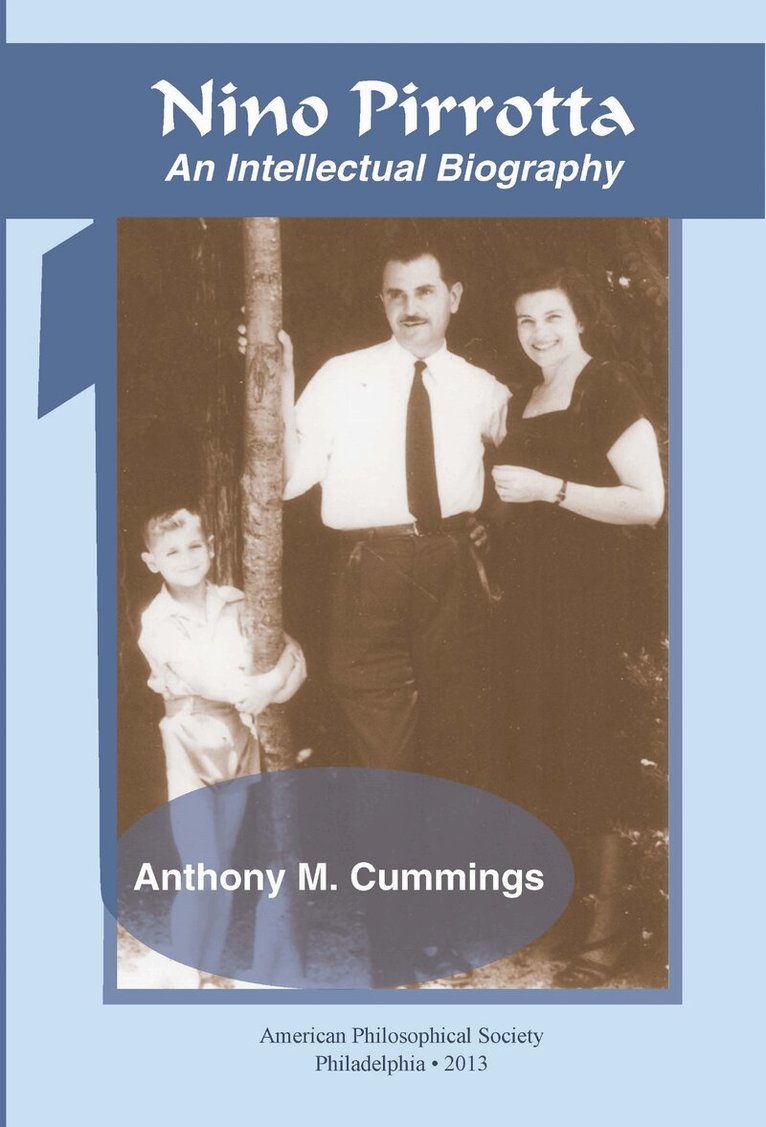
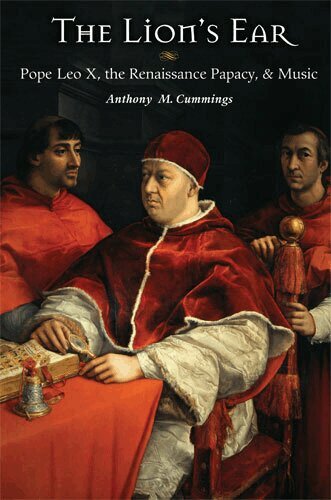
    Anthony M. Cummings is the Eugene Howard Clapp II ’36, LL.D. ’84, and Maud Millicent Greenwell Clapp Professor in the Humanities at Lafayette College, where he is also professor of music and coordinator of the Program in Italian Studies. He is the author of Nino Pirrotta: An Intellectual Biography and The Lion’s Ear: Pope Leo X, the Renaissance Papacy, and Music.

    Recensioner i media

    “Cummings’s history of music in Florence over a five-hundred-year period is a work of brilliant synthesis, bringing together in one place a vast array of sources that few readers could otherwise hope to access, much less encompass. Music in Golden-Age Florence, 1250–1750 succeeds in its author’s goal of raising Florentine accomplishments in music to a status comparable to that enjoyed by the city’s extraordinary achievements in arts, letters, and science, and in so doing it becomes a compelling argument for why music should be integrated into interdisciplinary considerations of Florentine culture. Specialists and nonspecialists alike will find this a highly readable narrative of this great city’s vibrant musical life during the medieval and early-modern periods.”

    Innehållsförteckning

    • PrefaceBook the FirstMusic in Late-Medieval Florence: The Duecento and TrecentoMusic and the Ecclesiastical and Political Organization of the Late-Medieval CityThe Duecento1 * Church and State in Florence circa 1300Santa Reparata/Santa Maria del FiorePalazzo della SignoriaMusic at Santa Reparata/Santa Maria del FioreThe Duecento LaudaInstrumentalists of the SignoriaThe Trecento2 * Secular Polyphony: The Beginnings of the Florentine TraditionThe Social Context of PerformanceJohannes de Florentia (fl. ca. 1351)3 * Secular Polyphony: Francesco Landino and the Central Florentine TraditionSer Gherardellus de Florentia (†1362 or 1363)Donatus de Florentia and Laurentius Masii de Florentia (†1372)Francesco Landino (†1397)4 * Secular Polyphony: The Gallicization of Florentine Musical CultureSome Florentine Kleinmeistern: Magister frater Egidius, Magister Guglielmus frater, and CorradusAndreas de Florentia (Andrea di Giovanni) (†1415)Some Florentine Kleinmeistern Redux: Bonaiutus Corsini and Andrea StefaniPaulus de Florentia (†1436)5 * Music in Communal Worship and Civic LifeLiturgical PolyphonyThe Trecento LaudaThe Herald of the Signoria   Book the SecondMusic in Renaissance Florence I: The QuattrocentoAristocracy Emulated: The De Facto Medici Regime6 * The Medici Regime and the Public Ecclesiastical InstitutionsNicolaus Zacharie and the Professionalization of Composing and PerformingThe Consecration of the Cathedral of FlorenceThe Musical Establishments StabilizedHeinrich Isaac7 * Tradition and Innovation in Sacred MusicTradition: Music for the LiturgyTradition and Innovation: The Quattrocento LaudaInnovation: The Sacra Rappresentatione8 * Heralds, Knights, and Carnival RevelersTellers of TalesMedieval Chivalric Tradition ReimaginedFlorentine Carnival and the Canto Carnascialesco9 * Music and Domestic Life: The House of MediciOccasions for Music-MakingThe Patrons, Their Musicians, and Their MusicThe Musical SourcesVarieties of Music-Making10 * Girolamo Savonarola and the Medici in ExileTheocratic CensureThe Medici in Exile, 1494–1512Book the ThirdMusic in Renaissance Florence II: The CinquecentoAristocracy Achieved: The De Jure Medici Regime, Family as Country, and “Florentinism”11 * The Medici Restoration: The Florentine-Papal TandemThe RestorationComposers in Medici ServiceMusic in Private Medici Settings: Instrumental Music12 * A New Institution, a New Technology, a New Genre: The MadrigalWellsprings of the Madrigal: The ChansonWellsprings of the Madrigal: The Canto Carnascialesco and Trionfo, the Lauda, and Solo SongThe Earliest MadrigalsFlorentine Academies and Madrigals for the Theater at MidcenturyIntimate Settings: Isabella de’ Medici, Solo Song, and the Polyphonic MadrigalIntimate Settings: The Florentine Madrigal after Midcentury13 * The ChurchThe Reconstitution of the Polyphonic ChapelsThe Reformation and Counter-ReformationThe Cinquecento Lauda and Sacra RappresentationeIntermedi Sacri e Morali and Music in Religious Communities for Women14 * Medici Pageantry, 1539–1589: “L’état, c’est moi”Book the FourthMusic in Florence in the Baroque EraCross-Genre Influences: Monody, the Stile Recitativo, and the Stile Concertato in Florentine Music of the Seicento and Early Settecento15 * Opera in Florence, Act 1: The Florentine Aristocratic PhaseAcademic Theories AppliedThe Beginnings of OperaWidening Applications of the InnovationsThe Meaning of Baroque16 * Intermedio I: Music in Religious and Dynastic RitualReligious Ritual: A Cappella and Concerted Vocal MusicReligious Ritual: Music for OrganDynastic Ritual (“L’état, c’est moi”): The Equestrian Ballet17 * Opera in Florence, Act 2: The Pan-Italian PhaseA New Institution: The Opera HouseBeginnings of the Pan-Italian Phase: La finta pazzaA Native Attempt at a Venetian-Style Opera: CelioVenetian Imports: IpermestraA Distinctively Florentine Tradition of Comic Opera: Il potestà di ColognoleVenetian Imports: Ipermestra, ReduxThe Baroque Aesthetic on Full Display: Ercole in Tebe, L’Orontea, La Dori18 * Intermedio II: Devotional and Convivial Uses of MusicDevotional: The Lauda Reimagined: Canzonette SpiritualiDevotional: The OratorioConvivial: Ballet EntertainmentsConvivial: The Seicento MadrigalConvivial: The Seicento CantataConvivial: Instrumental GenresConvivial: The Invention of the Piano19 * Opera in Florence, Act 3: The Pan-European PhaseOpera in Arcadia? The Halting Adoption of Reform Principles—GriseldaGrand Prince Ferdinando and a Restitution of Aristocratic OperaThe Reopening of Teatro della PergolaVincer se stesso è la maggior vittoria, or RodrigoOpera in Arcadia: The Fuller Adoption of Reform Principles—Catone in UticaThe Settecento CantataConclusionAcknowledgmentsNotesBibliographyIndexColor illustrations follow page 000.