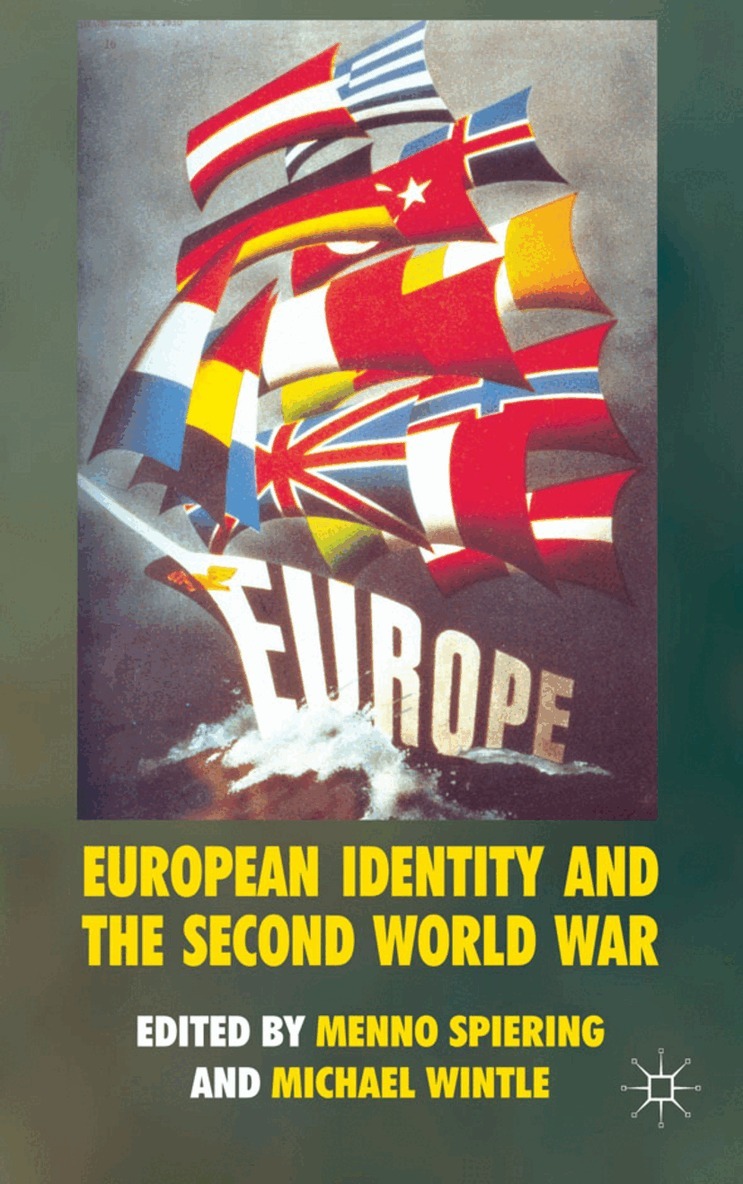
European Identity and the Second World War
AvMenno Spiering,Michael Wintle
572 kr
Beställningsvara. Skickas inom 10-15 vardagar. Fri frakt över 249 kr.
Du är på sajten för privatpersoner.
AvMenno Spiering,Michael Wintle
572 kr
Beställningsvara. Skickas inom 10-15 vardagar. Fri frakt över 249 kr.
MATTHEW D'AURIA Teaching Fellow in the German Department, Centre for European Studies at University College London, UK ANNEMARIE VAN HEERIKHUIZEN Lecturer in the Department of European Studies, the University of Amsterdam, the Netherlands JAN IFVERSEN Associate Professor of European Studies and Head of History and Regional Studies, Aarhus University, Denmark HENK VAN DER LIET Chair in Scandinavian Studies, the University of Amsterdam, the Netherlands MANET VAN MONTFRANS Lecturer in Modern European and French Literature, University of Amsterdam, the Netherlands HELLE PORSDAM Chair of American Studies, the University of Copenhagen, Denmark WOLFGANG SCHMALE Chair in Modern and Contemporary History, Vienna University, Austria HAGEN SCHULZ-FORBERG Assistant Professor in International History, Aarhus University, Denmark KAREN-MARGRETHE L. SIMONSEN Associate Professor of Comparative Literature, Aarhus University, Denmark RICARDO GIL SOEIRO Researcher, the Centre for Comparative Studies, the University of Lisbon, Portugal MENNO SPIERING Lecturer in the Department of European Studies, the University of Amsterdam, the Netherlands WENDY WEBSTER Professor of Contemporary British History, the University of Central Lancashire, UK JAY WINTER Charles J. Stille Professor of History, Yale University, USA MICHAEL WINTLE Professor of European History, the University of Amsterdam, the Netherlands IRENE ZWIEP Chair in Hebrew and Jewish studies, the University of Amsterdam, the Netherlands
"This book presents several answers to the question why the project of European integration was initiated and took off after the Second World War. It is a most valuable publication for all who are interested in European identity, both its prerequisites and possibilities. It is invaluable for any serious consideration of the context and beginning of the European integration project in the 1950s." (Mats Andren, The European Legacy, Vol. 21 (5-6), April, 2016)
Du är på sajten för privatpersoner.
AvMenno Spiering,Michael Wintle
572 kr
Beställningsvara. Skickas inom 10-15 vardagar. Fri frakt över 249 kr.
MATTHEW D'AURIA Teaching Fellow in the German Department, Centre for European Studies at University College London, UK ANNEMARIE VAN HEERIKHUIZEN Lecturer in the Department of European Studies, the University of Amsterdam, the Netherlands JAN IFVERSEN Associate Professor of European Studies and Head of History and Regional Studies, Aarhus University, Denmark HENK VAN DER LIET Chair in Scandinavian Studies, the University of Amsterdam, the Netherlands MANET VAN MONTFRANS Lecturer in Modern European and French Literature, University of Amsterdam, the Netherlands HELLE PORSDAM Chair of American Studies, the University of Copenhagen, Denmark WOLFGANG SCHMALE Chair in Modern and Contemporary History, Vienna University, Austria HAGEN SCHULZ-FORBERG Assistant Professor in International History, Aarhus University, Denmark KAREN-MARGRETHE L. SIMONSEN Associate Professor of Comparative Literature, Aarhus University, Denmark RICARDO GIL SOEIRO Researcher, the Centre for Comparative Studies, the University of Lisbon, Portugal MENNO SPIERING Lecturer in the Department of European Studies, the University of Amsterdam, the Netherlands WENDY WEBSTER Professor of Contemporary British History, the University of Central Lancashire, UK JAY WINTER Charles J. Stille Professor of History, Yale University, USA MICHAEL WINTLE Professor of European History, the University of Amsterdam, the Netherlands IRENE ZWIEP Chair in Hebrew and Jewish studies, the University of Amsterdam, the Netherlands
"This book presents several answers to the question why the project of European integration was initiated and took off after the Second World War. It is a most valuable publication for all who are interested in European identity, both its prerequisites and possibilities. It is invaluable for any serious consideration of the context and beginning of the European integration project in the 1950s." (Mats Andren, The European Legacy, Vol. 21 (5-6), April, 2016)