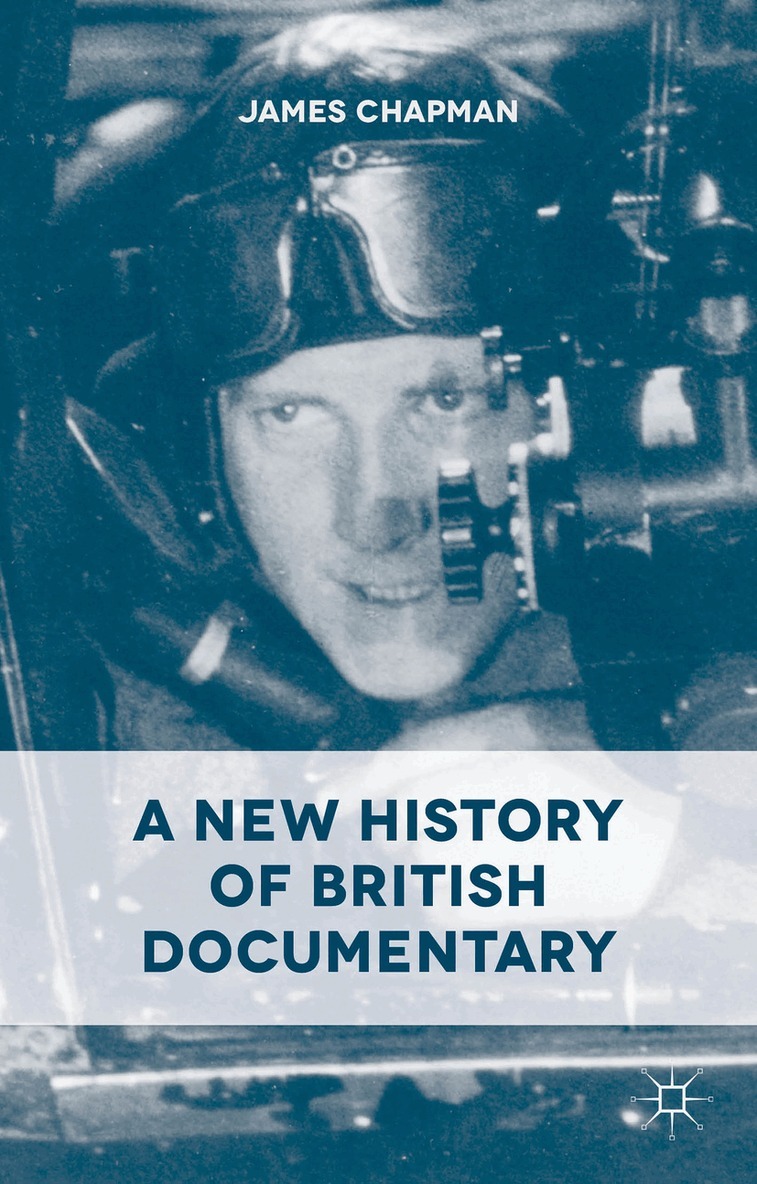
New History of British Documentary
557 kr
Beställningsvara. Skickas inom 10-15 vardagar. Fri frakt över 249 kr.
Du är på sajten för privatpersoner.
557 kr
Beställningsvara. Skickas inom 10-15 vardagar. Fri frakt över 249 kr.
James Chapman is Professor of Film Studies at the University of Leicester, UK, and editor of the Historical Journal of Film, Radio and Television. His previous work includes The British at War: Cinema, State and Propaganda, 1939-1945 (1998), Licence To Thrill: A Cultural History of the James Bond Films (1999) and Past and Present: National Identity and the British Historical Film (2005). He is also co-editor (with Mark Glancy and Sue Harper) of The New Film History: Sources, Methods, Approaches.
"Chapman describes this volume as both 'a partially researched textbook' and 'an attempt to map the field'. ... as a convenient one-stop-shop source of reliable information and thoughtful comment on a huge subject it will prove useful for some years to come. ... it will endure further as an equally handy summary of the state of received knowledge at the time of its writing." (Patrick Russell, Reviews in History, history.ac.uk, June, 2016)
Du är på sajten för privatpersoner.
557 kr
Beställningsvara. Skickas inom 10-15 vardagar. Fri frakt över 249 kr.
James Chapman is Professor of Film Studies at the University of Leicester, UK, and editor of the Historical Journal of Film, Radio and Television. His previous work includes The British at War: Cinema, State and Propaganda, 1939-1945 (1998), Licence To Thrill: A Cultural History of the James Bond Films (1999) and Past and Present: National Identity and the British Historical Film (2005). He is also co-editor (with Mark Glancy and Sue Harper) of The New Film History: Sources, Methods, Approaches.
"Chapman describes this volume as both 'a partially researched textbook' and 'an attempt to map the field'. ... as a convenient one-stop-shop source of reliable information and thoughtful comment on a huge subject it will prove useful for some years to come. ... it will endure further as an equally handy summary of the state of received knowledge at the time of its writing." (Patrick Russell, Reviews in History, history.ac.uk, June, 2016)