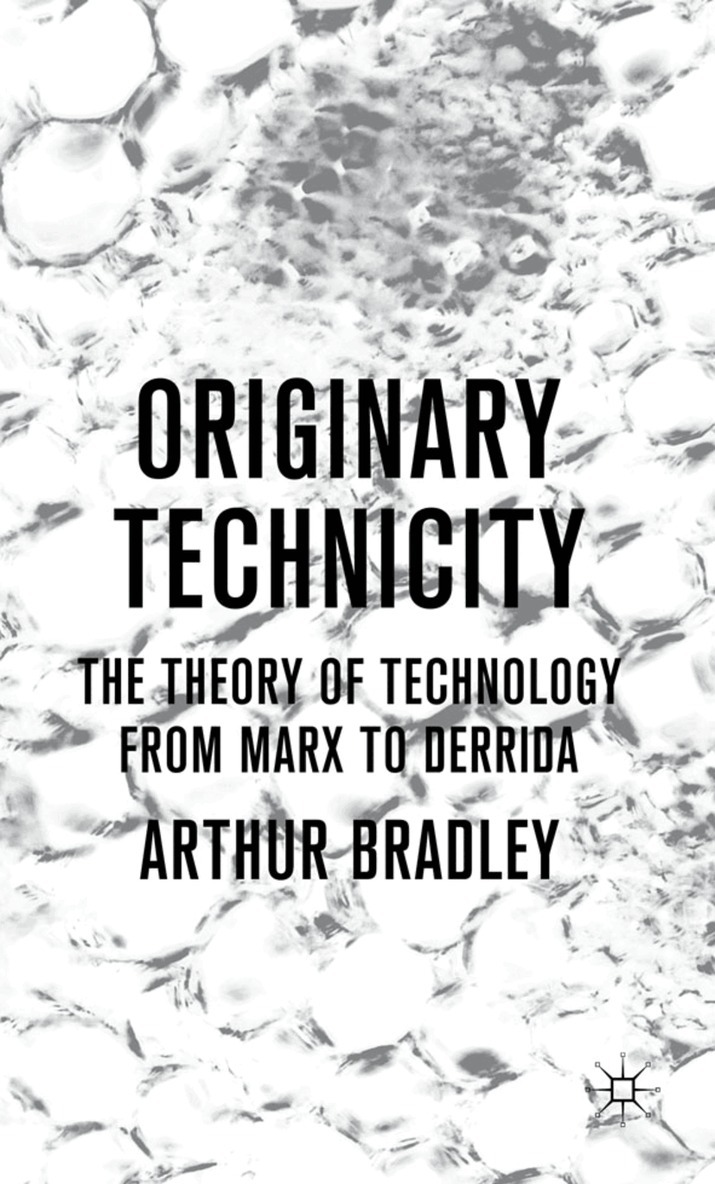
Originary Technicity: The Theory of Technology from Marx to Derrida
1 326 kr
Beställningsvara. Skickas inom 10-15 vardagar. Fri frakt över 249 kr.
Du är på sajten för privatpersoner.
1 326 kr
Beställningsvara. Skickas inom 10-15 vardagar. Fri frakt över 249 kr.
ARTHUR BRADLEY is Senior Lecturer in Contemporary Literature and Critical Theory at Lancaster University, UK. He is the author of Negative Theology and Modern French Philosophy; Derrida's Of Grammatology: A Philosophical Guide and (with Andrew Tate) The New Atheist Novel: Fiction, Philosophy and Polemic after 9/11.
'This brilliant book is at the frontier of new thinking about 'originary technicity.' To say that technology was there from the beginning as an originating force implies that all organic life, including human life, is machinal through and through. The automatic working of genetic programming in any form of 'life' would be an example of this. Plants, animals, and human beings are chemical machines. Though a putting in question of Derrida's thinking about technics holds center stage, many other recent explorers of these new ideas (Marx, Freud, Lacan, Heidegger, Stiegler, Hayles, Hansen) are also shown with admirable clarity, learning, and insight still to make a residual anthropocentric appeal to the presumably non-machinic thinking subject. Essential reading for technophobes and technophiliacs alike.' - J. Hillis Miller, Distinguished Research Professor of Comparative Literature and English, University of California at Irvine, USA
Du är på sajten för privatpersoner.
1 326 kr
Beställningsvara. Skickas inom 10-15 vardagar. Fri frakt över 249 kr.
ARTHUR BRADLEY is Senior Lecturer in Contemporary Literature and Critical Theory at Lancaster University, UK. He is the author of Negative Theology and Modern French Philosophy; Derrida's Of Grammatology: A Philosophical Guide and (with Andrew Tate) The New Atheist Novel: Fiction, Philosophy and Polemic after 9/11.
'This brilliant book is at the frontier of new thinking about 'originary technicity.' To say that technology was there from the beginning as an originating force implies that all organic life, including human life, is machinal through and through. The automatic working of genetic programming in any form of 'life' would be an example of this. Plants, animals, and human beings are chemical machines. Though a putting in question of Derrida's thinking about technics holds center stage, many other recent explorers of these new ideas (Marx, Freud, Lacan, Heidegger, Stiegler, Hayles, Hansen) are also shown with admirable clarity, learning, and insight still to make a residual anthropocentric appeal to the presumably non-machinic thinking subject. Essential reading for technophobes and technophiliacs alike.' - J. Hillis Miller, Distinguished Research Professor of Comparative Literature and English, University of California at Irvine, USA