• Fri frakt över 249 kr
  • •
  • Snabba leveranser
  • •
  • Billiga böcker
Kundservice

Du är på sajten för privatpersoner.

Företag, bibliotek eller offentlig verksamhet?

Du handlar på classic.bokus.com, där alla dina funktioner finns intakta.
Till classic.bokus.com
Bokus logotyp. Gå till startsidan.
  • Erbjudanden
  • Nyheter
  • Student
  • Topplistor
  • Barn & ungdom
  • Bokus Play
  • E-böcker
  • Pocketböcker
  • Spel & pussel

Må bättre, för mindre! Upp till 50% rabatt på hälsoböcker

Sidfot

Mina sidor

    Hjälp

    • Kundservice
    • Vanliga frågor och svar
    • Frakt och leverans
    • Retur vid ångerrätt
    • Reklamera vara
    • Betalning
    • Köpvillkor
    • Allmänna villkor
    • Information om webbplatsens tillgänglighet

    Om Bokus

    • Om oss
    • Pressrum
    • För studenter
    • För företag
    • För bibliotek och offentlig verksamhet
    • För leverantörer
    • Hållbarhet

    Populärt

    • Aktuella erbjudanden
    • Presentkort
    • Studentlitteratur
    • Nya böcker
    • Topplistor
    • Signerade böcker
    • Engelska böcker

    Inspiration

    • Boktips
    • BookTok
    • Populära bokserier
    • Barnbokskaraktärer
    • Populära författare
    Logotyp för Bokus
    Följ oss på Facebook (extern länk)Följ oss på Instagram (extern länk)Följ oss på YouTube (extern länk)Följ oss på TikTok (extern länk)
    bokus @ CookiesAnpassa cookiesIntegritetspolicyKöpvillkor
    Till Citymail hemsida (extern länk)Till Budbee hemsida (extern länk)Till Postnord hemsida (extern länk)Till Schenker hemsida (extern länk)Till Early Bird hemsida (extern länk)Till Walleys hemsida (extern länk)
    1. Mat och dryck
    2. Kokböcker

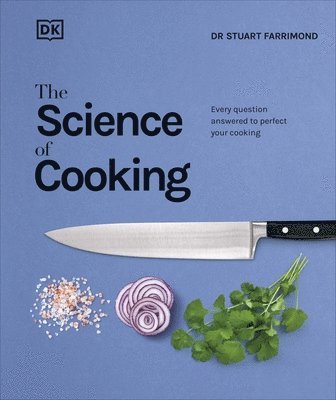
    Science of Cooking

    Every Question Answered to Perfect your Cooking

    AvStuart Farrimond

    Inbunden, Engelska, 2017

    Del i serien Science of Food

    263 kr

    Skickas . Fri frakt över 249 kr.

    Fler format och utgåvor

    E-bok

    132 kr

    Beskrivning

    It's time to bring food science out of the lab and into your kitchen!Which vegetables should you eat raw? How do you make the perfect poached egg? And should you keep your eggs in the fridge? Why does chocolate taste so good? Is it OK to reheat cooked rice? How do I cook the perfect steak or make succulent fish every time? TV personality, food scientist and bestselling author, Dr. Stuart Farrimond answers all these questions and more with The Science of Cooking - equipping you with the scientific know-how to take your cooking to new levels.Explore fundamental culinary concepts, practical advice and step-by-step techniques, to bring food science out of the lab and into your kitchen. Find the answers to your cookery questions and get more out of recipes with intriguing chapters covering all major food types from meat, poultry and seafood, to grains, vegetables, and herbs.Perfect your cooking with practical instruction and the science behind it, as you explore:- Step-by-step techniques to demonstrate key concepts in a clear manner- Striking illustrations are featured throughout to highlight key culinary processes- Scientific concepts organised by food group and ingredient - Question-and-answer format to make science relevant to everyday cookingA good recipe goes a long way, but if you can master the science behind it, you'll be one step ahead! The Science of Cooking shows you how by bringing food science out of the lab and into your kitchen, providing you with all the scientific information you need to take your home cooking to a whole new, more nutritious level! From making great risotto and soft ice cream to the process of steaming, this gastronomic cookbook includes step-by-step techniques and striking 3D graphics to bring culinary facts to life. A must-have cooking gift for anyone interested in the culinary arts, whether you're a hobby cook at the beginning of your learning, seeking to cook more intuitively, or you love science and learning about it's everyday applications, this is a great volume for anybody interested in food and nutrition generally, doubling up as a lovely coffee table book for the whole family to explore and love!At DK, we believe in the power of discovery.So why stop there? This series from DK is designed to help you perfect your cooking with practical instruction - and the science behind it. There are more cookbooks to discover from The Science of... series giving you the essentials to cook up a storm! Explore the science behind the art of making incredible spice blends with The Science of Spice paired together they make the ideal cookery gifts for your food-loving friends too!

    Produktinformation

    • Utgivningsdatum:2017-10-05
    • Mått:220 x 262 x 28 mm
    • Vikt:1 362 g
    • Format:Inbunden
    • Språk:Engelska
    • Serie:Science of Food
    • Antal sidor:256
    • Förlag:Dorling Kindersley Ltd
    • ISBN:9780241229781

    Utforska kategorier

    • Kokböcker inom Mat och dryck

    Mer om författaren

    Medical doctor turned food scientist and author of DK bestsellers The Science of Cooking (2017), The Science of Spice (2018) and The Science of Living (2020), "Dr Stu" is a science and medical writer, presenter and educator. He makes regular appearances on TV, radio, and at public events, and his writing appears in national and international publications. Stuart is also the founder and editor of online lifestyle-science magazine Guru.

    Innehållsförteckning

    • 1: Foreword2: Taste and flavour1: Why do we cook?2: How do we taste?3: Why does cooked food taste so good?4: Why do some flavours go together so well?3: Kitchen essentials1: An essential guide to knives2: An essential guide to pots and pans3: An essential guide to utensils4: Meat and poultry1: In focus: meat2: How can I tell if meat is good quality?3: Should I avoid buying meat that has gone brown?4: Why do different meats look and taste so different?5: Is it better to choose organic meat?6: Are purebred and heritage cattle breeds tastier?7: Do larger chickens lack flavour?8: How can an animal’s feed affect the taste and texture of its meat?9: Is fillet steak from the tenderloin really the best cut of beef?10: Why is it so expensive to buy Wagyu beef?11: What is the difference between organic, free-range, and indoor chickens?12: How can I tell if meat has been injected with water?13: If I freeze meat, will it destroy the taste and texture?14: Do I really need to pound meat?15: The process of barbecuing16: What are the benefits of marinating meat?17: Should I season meat with salt well in advance or just before cooking?18: How do I smoke meat at home?19: Is it possible to age meat at home?20: Should I trim all the fat off meat?21: Does it matter if you cut meat across the grain or along it?22: What is the secret to perfectly crispy pork crackling?23: Should I cook meat from room temperature?24: Does searing a steak really “seal in” juices?25: How do I cook the perfect steak?26: The process of slow cooking27: How can I stop chicken or turkey from drying out?28: What does basting do?29: How can I tell when meat is done?30: Why do I need to rest meat after cooking?31: What can I do with overcooked meat?32: What’s the secret of a tasty sauce?33: Is it worth all the effort to make my own stock?34: Why is it safe to eat rare beef, but not chicken or pork?35: Why do so many foods taste like chicken?5: Fish and seafood1: In focus: fish2: How do I know if fish is fresh?3: Why is fish called “brain” food?4: Why does salmon come in varying shades of orange?5: Is farmed fish as good as wild?6: Is it better to buy prawns with their heads on?7: Is it better to buy prawns raw or pre-cooked, fresh or frozen?8: Why do we eat oysters raw?9: When is the best season for oysters?10: The process of pan-frying11: How can I preserve fish at home?12: What happens when you salt bake fish?13: Is it better to buy fresh or frozen fish?14: Can I cook fish from frozen?15: Should I bake fish in a parcel or uncovered?16: How can I keep fish moist with different cooking methods?17: Can fish go soggy if poached slowly?18: The process of sous-vide19: How do I cook fish to have crispy golden skin?20: Why don’t you need to rest fish?21: Can I eat sashimi safely?22: How does citrus juice “cook” raw fish?23: Why do shellfish change colour when cooked?24: What are the rules when cooking mussels?6: Eggs and dairy1: In focus: eggs2: Should I limit how many eggs I eat?3: Are there more nutrients in free-range eggs?4: Is it safe to eat raw eggs?5: Where is the best place to store my eggs?6: Why do rotten eggs smell bad?7: How can I tell if an egg is fresh?8: Is it true that only fresh eggs poach well?9: How can I cook soft-boiled eggs with runny yolks?10: What’s the best method to peel hard-boiled eggs?11: How do I make the perfect scrambled eggs?12: What is the secret of creamy, smooth custard?13: Does it matter if yolk gets in my whipped egg whites?14: How can I prevent split mayonnaise?15: In focus: milk16: Why do we pasteurize milk?17: Can I cook successfully with low-fat dairy products?18: Which type of cream should I use?19: How can I heat milk without a skin forming?20: Can I make ice cream at home without an ice-cream maker?21: Do ice-cream makers make creamier ice cream than whisking by hand?22: Is it worth making my own yogurt?23: Why does yogurt split in spicy dishes?24: Should I eat probiotic yogurt?25: In focus: cheese26: If the veins in blue cheese are mould, why is it edible?27: Why are some cheeses so strong and smelly?28: Why does some cheese go stringy?29: Should I avoid processed cheese?30: Can I make perfect soft cheese at home?7: Rice, grains, and pasta1: In focus: rice2: How much water should I add to my rice?3: How can I cook fluffy rice every time?4: Is it okay to reheat cooked rice?5: The process of pressure cooking6: Why is wholegrain better than processed?7: Do I really need to soak pulses before I cook them?8: Why exactly is quinoa so special?9: How can I stop beans giving me gas?10: Is it true that uncooked kidney beans are poisonous?11: Why does popcorn pop?12: How can I make my own fresh pasta?13: Is fresh pasta better than dried?14: How does adding salt to my pasta water help?15: Should I add oil to the cooking water to stop pasta sticking?8: Vegetables, fruits, nuts, and seeds1: Are organic fruit and vegetables better than non-organic?2: Are heirloom varieties tastier?3: Do vegetables lose nutrients as they age?4: Is it better to eat vegetables raw?5: Should I throw away the green tops?6: Is it better to peel or scrub?7: Can leaving mushrooms in the sun really increase their vitamin D content?8: The process of steaming9: How do I chop an onion without crying?10: Why do different-coloured peppers taste different?11: How do I roast vegetables without them going soggy?12: How do I cook vegetables to optimize nutrients?13: Does adding salt to the water cook vegetables faster?14: What is the secret of the perfect vegetable stir-fry?15: In focus: potatoes16: How do I make fluffy mashed potatoes?17: The process of microwaving18: How does lemon juice stop sliced fruit from turning brown?19: Is juicing a good substitute for whole fruit and vegetables?20: How do bananas help ripen other fruit?21: How do you use bananas at different stages of ripeness?22: Can I cook soft fruit from frozen?23: How can I cook fruit without it turning mushy?24: Why are olives brined?25: Are black olives really dyed?26: In focus: nuts27: How can I enjoy the freshest nuts?28: Do nuts and seeds taste better cooked?9: Herbs, spices, oils, and flavourings1: In focus: herbs2: What’s the best way to prepare fresh herbs?3: How do I get the best from dried herbs?4: When should I add herbs during cooking?5: Can how I prepare garlic affect its strength?6: How can I get the most flavour from spices?7: Why do recipes often say to add spices to oil at the start?8: Why is saffron so expensive?9: In focus: chillies10: How can I tame food that’s too hot?11: What’s the best way to take away chilli heat?12: In focus: oils and fats13: Why are some olive oils better quality than others?14: What’s the best way to store olive oil?15: Why does food cook faster when it’s fried?16: Why is fried food bad for your health?17: How does alcohol enhance food?18: What happens when I flambé food?19: Does alcohol really evaporate when I cook with it?20: How can I stop my salad dressing from splitting?21: Is there much variance between different grades of balsamic vinegar?22: In focus: salt23: Can I salvage over-salted dishes?24: Is it better to use light or dark soy sauce for cooking?10: Baking and sweet things1: In focus: flour2: Why do I need to sift flour?3: Why do baking recipes recommend adding salt?4: Can I use baking powder instead of bicarbonate of soda?5: Which is the best type of fat for baking?6: How important is it to preheat the oven?7: Why hasn’t my cake risen?8: Why do cakes go hard and biscuits soft?9: What is a sourdough starter?10: What are the basics of a good bread dough?11: Why do you need to prove dough before baking it?12: The process of oven baking13: Why doesn’t gluten-free bread rise very well?14: Why isn’t home-made bread as light as shop-bought?15: Why shouldn’t I “overwork” pastry?16: Do I always need to chill pastry before rolling it out?17: What’s the secret to light puff pastry?18: How do I prevent my pie getting a “soggy bottom”?19: In focus: sugar20: Can I make fluffy marshmallows at home?21: What is the secret behind caramelization?22: How do I get my jam to set properly?23: In focus: chocolate24: Why does chocolate from different countries taste so different?25: What is the difference between melting and tempering chocolate?26: Can I still use chocolate that’s turned white?27: How do I salvage melted chocolate that’s gone lumpy?28: How do I make a chocolate ganache?29: Can I make chocolate sauce that hardens on ice cream?30: How do I master a chocolate soufflé?11: Index and acknowledgments