• Fri frakt över 249 kr
  • •
  • Snabba leveranser
  • •
  • Billiga böcker
Kundservice

Du är på sajten för privatpersoner.

Företag, bibliotek eller offentlig verksamhet?

Du handlar på classic.bokus.com, där alla dina funktioner finns intakta.
Till classic.bokus.com
Bokus logotyp. Gå till startsidan.
  • Erbjudanden
  • Nyheter
  • Student
  • Topplistor
  • Barn & ungdom
  • Bokus Play
  • E-böcker
  • Pocketböcker
  • Spel & pussel

10% rabatt på allt med kod NYSTART10 →

Sidfot

Mina sidor

    Hjälp

    • Kundservice
    • Vanliga frågor och svar
    • Frakt och leverans
    • Retur vid ångerrätt
    • Reklamera vara
    • Betalning
    • Köpvillkor
    • Allmänna villkor
    • Information om webbplatsens tillgänglighet

    Om Bokus

    • Om oss
    • Pressrum
    • För studenter
    • För företag
    • För bibliotek och offentlig verksamhet
    • För leverantörer
    • Hållbarhet

    Populärt

    • Aktuella erbjudanden
    • Presentkort
    • Studentlitteratur
    • Nya böcker
    • Topplistor
    • Signerade böcker
    • Engelska böcker

    Inspiration

    • Boktips
    • BookTok
    • Populära bokserier
    • Barnbokskaraktärer
    • Populära författare
    Logotyp för Bokus
    Följ oss på Facebook (extern länk)Följ oss på Instagram (extern länk)Följ oss på YouTube (extern länk)Följ oss på TikTok (extern länk)
    bokus @ CookiesAnpassa cookiesIntegritetspolicyKöpvillkor
    Till Citymail hemsida (extern länk)Till Budbee hemsida (extern länk)Till Postnord hemsida (extern länk)Till Schenker hemsida (extern länk)Till Early Bird hemsida (extern länk)Till Walleys hemsida (extern länk)
    1. Historia och arkeologi
    2. Historia
    3. Asiens historia

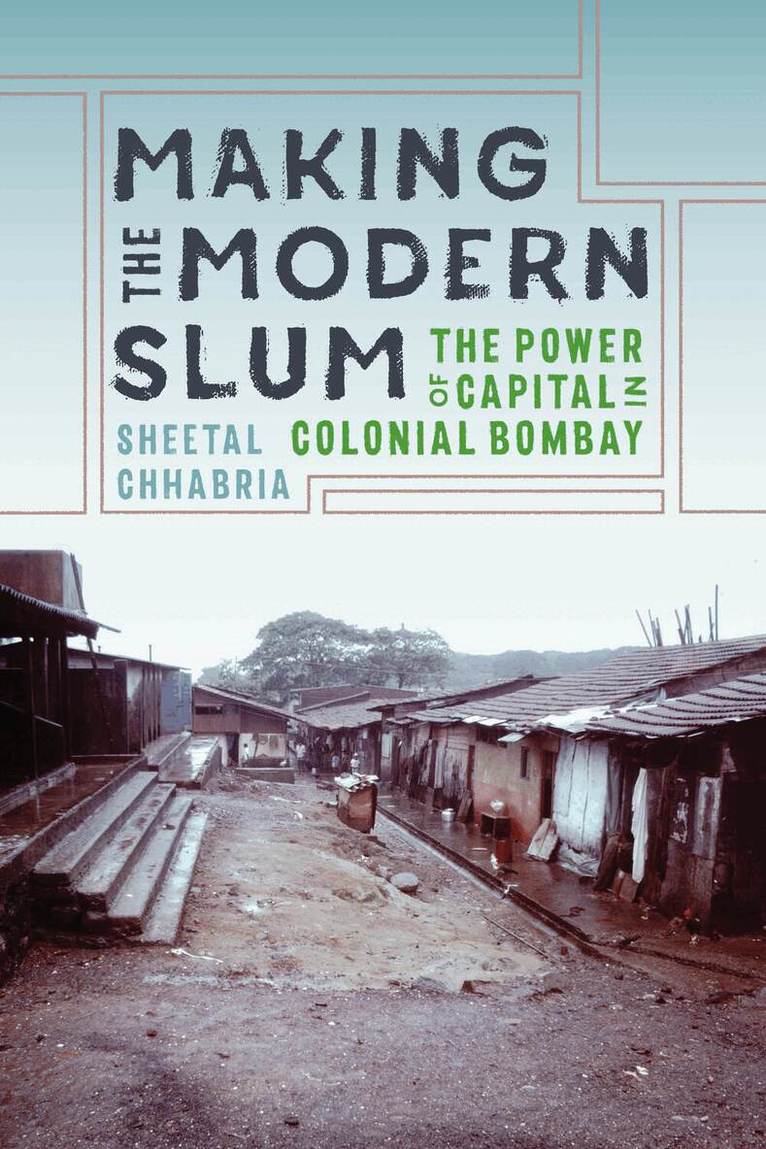
    Making the Modern Slum

    The Power of Capital in Colonial Bombay

    AvSheetal Chhabria,Padma Kaimal

    Inbunden, Engelska, 2019

    Del i serien Global South Asia

    1 880 kr

    Beställningsvara. Skickas inom 5-8 vardagar. Fri frakt över 249 kr.

    Fler format och utgåvor

    Häftad

    538 kr

    Beskrivning

    In the late nineteenth and early twentieth centuries, Bombay was beset by crises such as famine and plague. Yet, rather than halting the flow of capital, these crises served to secure it. In colonial Bombay, capitalists and governors, Indian and British alike, used moments of crisis to justify interventions that delimited the city as a distinct object and progressively excluded laborers and migrants from it. Town planners, financiers, and property developers joined forces to secure the city as a space for commerce and encoded shelter types as legitimate or illegitimate. By the early twentieth century, the slum emerged as a particularly useful category of stigmatization that would animate city-making projects in subsequent decades.Sheetal Chhabria locates the origins of Bombay’s now infamous “slum problem” in the broader histories of colonialism and capitalism. She not only challenges assumptions about colonial urbanization and cities in the global south, but also provides a new analytical approach to urban history. Making the Modern Slum shows how the wellbeing of the city–rather than of its people–became an increasingly urgent goal of government, positioning agrarian distress, famished migrants, and the laboring poor as threats to be contained or excluded.

    Produktinformation

    • Utgivningsdatum:2019-12-06
    • Mått:152 x 229 x 23 mm
    • Vikt:542 g
    • Format:Inbunden
    • Språk:Engelska
    • Serie:Global South Asia
    • Antal sidor:256
    • Förlag:University of Washington Press
    • ISBN:9780295746289
    • Utmärkelser:Winner of John F. Richards Prize 2020 (United States)

    Utforska kategorier

    • Asiens historia inom Historia och arkeologi
    • Sociala grupper och identitet inom Samhälle och politik

    Mer om författaren

    Sheetal Chhabria is associate professor of history at Connecticut College.

    Recensioner i media

    "Making the Modern Slum: The Power of Capital in Colonial Bombay seems like a book written to explain precisely this moment. It asks: how can we understand the relationship between “the city” and its laboring poor? This book is a must read for everyone interested in urban, housing, and economic justice, as well as for scholars of South Asia concerned with the subcontinent’s enduring inequalities."