• Fri frakt över 249 kr
  • •
  • Snabba leveranser
  • •
  • Billiga böcker
Kundservice

Du är på sajten för privatpersoner.

Företag, bibliotek eller offentlig verksamhet?

Du handlar på classic.bokus.com, där alla dina funktioner finns intakta.
Till classic.bokus.com
Bokus logotyp. Gå till startsidan.
  • Erbjudanden
  • Student
  • Topplistor
  • Barn & ungdom
  • Bokus Play
  • E-böcker
  • Ljudböcker
  • Pocketböcker
  • Spel och pussel

Pocketfynda! Hundratals böcker för 49 kr/st →

Sidfot

Mina sidor

    Hjälp

    • Kundservice
    • Vanliga frågor och svar
    • Frakt och leverans
    • Retur vid ångerrätt
    • Reklamera vara
    • Betalning
    • Köpvillkor
    • Allmänna villkor
    • Information om webbplatsens tillgänglighet

    Om Bokus

    • Om oss
    • Pressrum
    • För studenter
    • För företag
    • För bibliotek och offentlig verksamhet
    • För leverantörer
    • Hållbarhet

    Populärt

    • Aktuella erbjudanden
    • Presentkort
    • Studentlitteratur
    • Nya böcker
    • Topplistor
    • Signerade böcker
    • Engelska böcker

    Inspiration

    • Boktips
    • BookTok
    • Barnbokskaraktärer
    • Populära författare
    Logotyp för Bokus
    Följ oss på Facebook (extern länk)Följ oss på Instagram (extern länk)Följ oss på YouTube (extern länk)Följ oss på TikTok (extern länk)
    bokus @ CookiesAnpassa cookiesIntegritetspolicyKöpvillkor
    Till Citymail hemsida (extern länk)Till Budbee hemsida (extern länk)Till Postnord hemsida (extern länk)Till Schenker hemsida (extern länk)Till Early Bird hemsida (extern länk)Till Walleys hemsida (extern länk)
    1. Samhälle och politik
    2. Samhälle och kultur
    3. Kultur och medier
    4. Kulturvetenskap

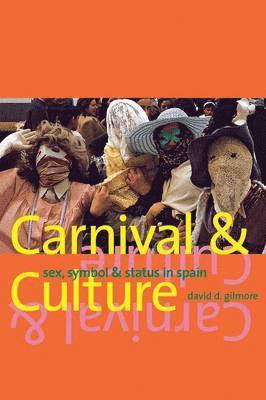
    Carnival and Culture

    Sex, Symbol, and Status in Spain

    AvDavid D. Gilmore

    Häftad, Engelska, 2014

    454 kr

    Beställningsvara. Skickas inom 5-8 vardagar. Fri frakt över 249 kr.

    Beskrivning

    Each year in the weeks preceding the deprivations of Lent, the Andalusian region of southern Spain erupts into madcap depravity, during a February carnival of riotous celebration. Carnival features subversive songs, burlesques and skits, transvestite parades, and public persecution of communal offenders, along with mournful elegies and heartfelt panegyrics. In this lively book, anthropologist David D. Gilmore explores the meanings of Andalusian carnival, focusing particular attention on the songs, or coplas. He offers translations of many of these carnival productions and mines the rich vein of oral literature for a new understanding of the ways in which the Andalusian people interpret and negotiate their world.Not only does carnival provide many insights into ritual behavior and folk art in Spain but, Gilmore shows, the festival also offers similar insights into rituals of revelry and disinhibition elsewhere, whether mumming, Mardi Gras, Fasching, or Walpurgisnacht. In a fresh perspective on carnival, he reveals that in Spain the lower classes mix abuse of elites with a surprising degree of respect and even veneration. Gilmore concludes that Andalusian carnival is less about revolution or politics per se than about the inescapable ambivalence of all human feeling.

    Produktinformation

    • Utgivningsdatum:2014-06-27
    • Mått:156 x 235 x 15 mm
    • Vikt:399 g
    • Format:Häftad
    • Språk:Engelska
    • Antal sidor:256
    • Förlag:Yale University Press
    • ISBN:9780300209051

    Utforska kategorier

    • Kulturvetenskap inom Samhälle och politik
    • Sociologi inom Samhälle och politik
    • Övrig scenkonst inom Kultur

    Mer om författaren

    David D. Gilmore is professor of anthropology at the State University of New York at Stony Brook. He is the author of Manhood in the Making: Cultural Concepts of Masculinity and Aggression and Community: Paradoxes of Andalusian Culture, both published by Yale University Press.

    Recensioner i media

    Selected as an Outstanding Academic Title by Choice Magazine“Gilmore’s superb study achieves universal relevance precisely through its particularity—a goal often sought after but seldom achieved by anthropologists.”—Timothy Mitchell, author of Flamenco Deep Song