• Fri frakt över 249 kr
  • •
  • Snabba leveranser
  • •
  • Billiga böcker
Kundservice

Du är på sajten för privatpersoner.

Företag, bibliotek eller offentlig verksamhet?

Du handlar på classic.bokus.com, där alla dina funktioner finns intakta.
Till classic.bokus.com
Bokus logotyp. Gå till startsidan.
  • Erbjudanden
  • Nyheter
  • Student
  • Topplistor
  • Barn & ungdom
  • Bokus Play
  • E-böcker
  • Pocketböcker
  • Spel & pussel

10% rabatt på allt med kod: NYSTART10 →

Sidfot

Mina sidor

    Hjälp

    • Kundservice
    • Vanliga frågor och svar
    • Frakt och leverans
    • Retur vid ångerrätt
    • Reklamera vara
    • Betalning
    • Köpvillkor
    • Allmänna villkor
    • Information om webbplatsens tillgänglighet

    Om Bokus

    • Om oss
    • Pressrum
    • För studenter
    • För företag
    • För bibliotek och offentlig verksamhet
    • För leverantörer
    • Hållbarhet

    Populärt

    • Aktuella erbjudanden
    • Presentkort
    • Studentlitteratur
    • Nya böcker
    • Topplistor
    • Signerade böcker
    • Engelska böcker

    Inspiration

    • Boktips
    • BookTok
    • Populära bokserier
    • Barnbokskaraktärer
    • Populära författare
    Logotyp för Bokus
    Följ oss på Facebook (extern länk)Följ oss på Instagram (extern länk)Följ oss på YouTube (extern länk)Följ oss på TikTok (extern länk)
    bokus @ CookiesAnpassa cookiesIntegritetspolicyKöpvillkor
    Till Citymail hemsida (extern länk)Till Budbee hemsida (extern länk)Till Postnord hemsida (extern länk)Till Schenker hemsida (extern länk)Till Early Bird hemsida (extern länk)Till Walleys hemsida (extern länk)
    1. Naturvetenskap och teknik
    2. Geovetenskap
    3. Geovetenskap

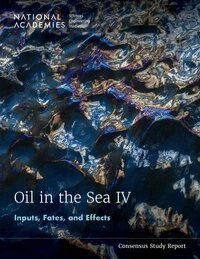
    Oil in the Sea IV

    Inputs, Fates, and Effects

    Avand Medicine National Academies of Sciences, Engineering,Division on Earth and Life Studies

    Häftad, Engelska, 2022

    Del i serien American Geophysical Union

    682 kr

    Skickas . Fri frakt över 249 kr.

    Beskrivning

    Oil and natural gas represent more than 50 percent of the worldwide energy supply, with high energy demand driven by population growth and improving standards of living. Despite significant progress in reducing the amount of oil in the sea from consumption, exploration, transportation, and production, risks remain. This report, the fourth in a series, documents the current state-of-knowledge on inputs, fates and effects of oil in the sea, reflecting almost 20 additional years of research, including long-term effects from spills such as the Exxon Valdez and a decade-long boom in oil spill science research following the Deepwater Horizon oil spill.The report finds that land-based sources of oil are the biggest input of oil to the sea, far outweighing other sources, and it also notes that the effects of chronic inputs on the marine environment, such as land-based runoff, are very different than that from an acute input, such as a spill. Steps to prevent chronic land-based oil inputs include reducing gasoline vehicle usage, improving fuel efficiency, increasing usage of electric vehicles, replacing older vehicles. The report identifies research gaps and provides specific recommendations aimed at preventing future accidental spills and ensuring oil spill responders are equipped with the best response tools and information to limit oil's impact on the marine environment.

    Produktinformation

    • Utgivningsdatum:2022-12-22
    • Mått:216 x 279 x 33 mm
    • Vikt:1 435 g
    • Format:Häftad
    • Språk:Engelska
    • Serie:American Geophysical Union
    • Antal sidor:516
    • Förlag:National Academies Press
    • ISBN:9780309274296

    Utforska kategorier

    • Geovetenskap inom Naturvetenskap och teknik
    • Miljövetenskap och miljöpolitik inom Naturvetenskap och teknik

    Innehållsförteckning

    • Front MatterSummary1 Introduction2 Petroleum as a Complex Chemical Mixture3 Input of Oil to the Sea4 Accidental Spill Mitigation5 Fates of Oil in the Sea6 Effects of Oil in the Sea7 RecommendationsReferencesAcronyms and AbbreviationsGlossaryAppendix A: North American Zone DescriptionsAppendix B: Energy Outlook Data SourcesAppendix C: Estimating Land-Based Sources of Oil in the SeaAppendix D: Regional Values of Water-to-Oil Ratio for Calculating Inputs from Produced WaterAppendix E: Common Shoreline Response OptionsAppendix F: Technical Aspects of Equations and Models for Droplet Breakup in Turbulent FlowsAppendix G: Classification of Intertidal, Subtidal, Ice, and On-Water AreasAppendix H: Omics TechniquesAppendix I: Table of Common Hydrocarbon DegradersAppendix J: Committee Biographies