

- 10% rabatt på allt
AvCommittee on the Development of Unconventional Hydrocarbon Resources in the Appalachian Basin,Committee on Earth Resources
486 kr
Läs direkt i Bokus Reader – eller ladda ned till din enhet
Development of Unconventional Hydrocarbon Resources in the Appalachian Basin is the summary of a workshop convened by the National Research Council to examine the geology and unconventional hydrocarbon resources of the Appalachian Basin; technical methods for producing unconventional hydrocarbons and disposing of wastewater; the potential effects of production on the environment; relevant policies and regulations; and priorities for future scientific and engineering research. Workshop presentations by experts in the fields of geosciences and engineering examined the numerous geoscientific aspects of hydrocarbon development from unconventional resources, including natural gas, oil, and natural gas liquids.
Shale gas is the fastest growing source of U.S. natural gas. Most of the oil and gas produced in the United States comes from conventional reservoirs in which hydrocarbons have accumulated in discrete structural or stratigraphic traps below relatively impermeable rock and above a well-defined hydrocarbon-water interface. However, a growing fraction comes from unconventional reservoirs - geographically extensive accumulations of hydrocarbons held in low-permeability rock with diffuse boundaries and no obvious traps or hydrocarbon-water contacts. In the Appalachian Basin, shale gas development is proceeding in Ohio, Pennsylvania, and West Virginia, while New York and Maryland have commissioned studies to assess potential impacts. Development of Unconventional Hydrocarbon Resources in the Appalachian Basin focuses on the main hydrocarbon-bearing geologic formations in and around the Appalachian Basin, including the Marcellus, Utica, and Devonian shales, and their estimated resources, current production levels, and projected output. This report examines the potential effects on surface water and groundwater quality and quantity; potential effects on landscapes, including soil and living organisms, and other environmental systems; and technical and engineering processes for exploration and production.
Committee on Management and Effects of Coalbed Methane Development and Produced Water in the Western United States, Committee on Earth Resources, Board on Earth Sciences and Resources, Water Science and Technology Board, Division on Earth and Life Studies, National Research Council
704 kr
Committee on Management and Effects of Coalbed Methane Development and Produced Water in the Western United States, Committee on Earth Resources, Board on Earth Sciences and Resources, Water Science and Technology Board, Division on Earth and Life Studies, National Research Council
500 kr
National Research Council, Division on Earth and Life Studies, Board on Earth Sciences and Resources, Committee on Earth Resources, Committee on the Preservation of Geoscience Data and Collections
Häftad, 2002
634 kr
National Research Council, Committee on Earth Resources, Board on Earth Sciences and Resources, National Materials Advisory Board, Committee on Technologies for the Mining Industries
Häftad, 2002
629 kr
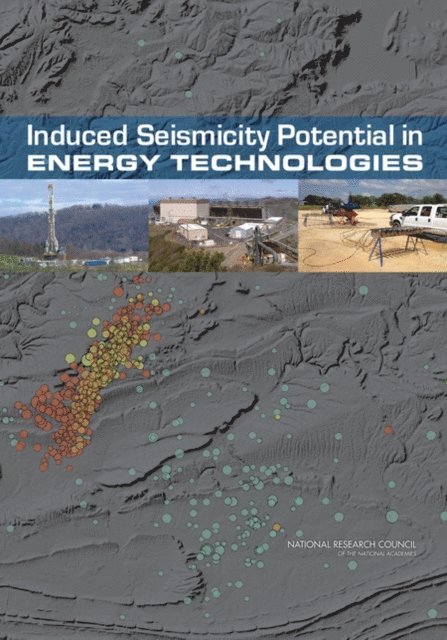
Committee on Induced Seismicity Potential in Energy Technologies, Committee on Earth Resources, Committee on Geological and Geotechnical Engineering, Committee on Seismology and Geodynamics, Board on Earth Sciences and Resources, Division on Earth and Life Studies, National Research Council
873 kr
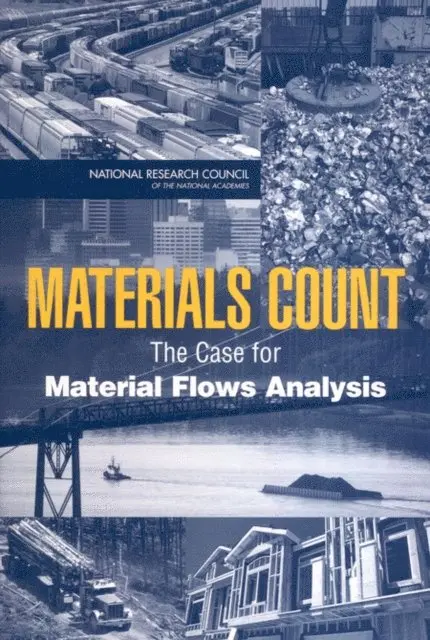
and Residuals Committee on Material Flows Accounting of Natural Resources, Products, Committee on Earth Resources, Board on Earth Sciences and Resources, Division on Earth and Life Studies, National Research Council
489 kr
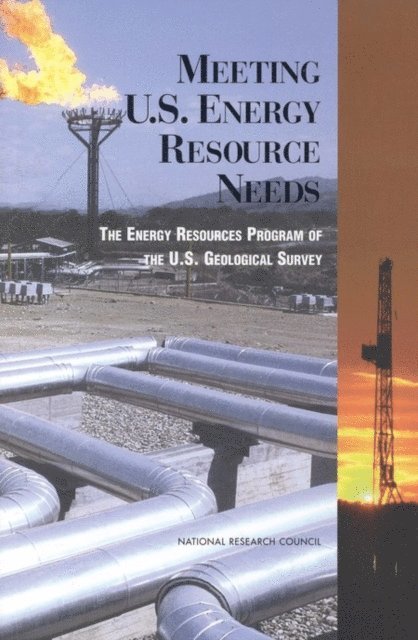
Panel to Review the U.S. Geological Survey's Energy Resources Program, Committee on Earth Resources, Board on Earth Sciences and Resources, and Resources Commission on Geosciences, Environment, National Research Council
458 kr
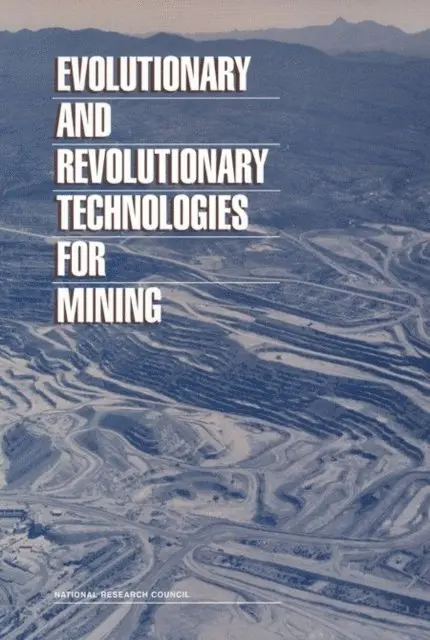
Committee on Technologies for the Mining Industries, National Materials Advisory Board, Board on Earth Sciences and Resources, Committee on Earth Resources, National Research Council
541 kr
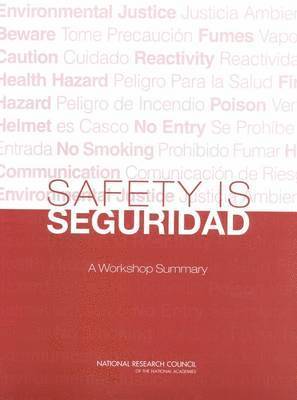
National Research Council, Division on Earth and Life Studies, Board on Earth Sciences and Resources, Committee on Earth Resources, Committee on Communicating Occupational Safety and Health Information to Spanish-speaking Workers
Häftad, 2003
701 kr
AvCommittee on the Development of Unconventional Hydrocarbon Resources in the Appalachian Basin,Committee on Earth Resources
486 kr
Läs direkt i Bokus Reader – eller ladda ned till din enhet
Development of Unconventional Hydrocarbon Resources in the Appalachian Basin is the summary of a workshop convened by the National Research Council to examine the geology and unconventional hydrocarbon resources of the Appalachian Basin; technical methods for producing unconventional hydrocarbons and disposing of wastewater; the potential effects of production on the environment; relevant policies and regulations; and priorities for future scientific and engineering research. Workshop presentations by experts in the fields of geosciences and engineering examined the numerous geoscientific aspects of hydrocarbon development from unconventional resources, including natural gas, oil, and natural gas liquids.
Shale gas is the fastest growing source of U.S. natural gas. Most of the oil and gas produced in the United States comes from conventional reservoirs in which hydrocarbons have accumulated in discrete structural or stratigraphic traps below relatively impermeable rock and above a well-defined hydrocarbon-water interface. However, a growing fraction comes from unconventional reservoirs - geographically extensive accumulations of hydrocarbons held in low-permeability rock with diffuse boundaries and no obvious traps or hydrocarbon-water contacts. In the Appalachian Basin, shale gas development is proceeding in Ohio, Pennsylvania, and West Virginia, while New York and Maryland have commissioned studies to assess potential impacts. Development of Unconventional Hydrocarbon Resources in the Appalachian Basin focuses on the main hydrocarbon-bearing geologic formations in and around the Appalachian Basin, including the Marcellus, Utica, and Devonian shales, and their estimated resources, current production levels, and projected output. This report examines the potential effects on surface water and groundwater quality and quantity; potential effects on landscapes, including soil and living organisms, and other environmental systems; and technical and engineering processes for exploration and production.
Committee on Management and Effects of Coalbed Methane Development and Produced Water in the Western United States, Committee on Earth Resources, Board on Earth Sciences and Resources, Water Science and Technology Board, Division on Earth and Life Studies, National Research Council
704 kr
Committee on Management and Effects of Coalbed Methane Development and Produced Water in the Western United States, Committee on Earth Resources, Board on Earth Sciences and Resources, Water Science and Technology Board, Division on Earth and Life Studies, National Research Council
500 kr
National Research Council, Division on Earth and Life Studies, Board on Earth Sciences and Resources, Committee on Earth Resources, Committee on the Preservation of Geoscience Data and Collections
Häftad, 2002
634 kr
National Research Council, Committee on Earth Resources, Board on Earth Sciences and Resources, National Materials Advisory Board, Committee on Technologies for the Mining Industries
Häftad, 2002
629 kr
Committee on Induced Seismicity Potential in Energy Technologies, Committee on Earth Resources, Committee on Geological and Geotechnical Engineering, Committee on Seismology and Geodynamics, Board on Earth Sciences and Resources, Division on Earth and Life Studies, National Research Council
873 kr
and Residuals Committee on Material Flows Accounting of Natural Resources, Products, Committee on Earth Resources, Board on Earth Sciences and Resources, Division on Earth and Life Studies, National Research Council
489 kr
Panel to Review the U.S. Geological Survey's Energy Resources Program, Committee on Earth Resources, Board on Earth Sciences and Resources, and Resources Commission on Geosciences, Environment, National Research Council
458 kr
Committee on Technologies for the Mining Industries, National Materials Advisory Board, Board on Earth Sciences and Resources, Committee on Earth Resources, National Research Council
541 kr
National Research Council, Division on Earth and Life Studies, Board on Earth Sciences and Resources, Committee on Earth Resources, Committee on Communicating Occupational Safety and Health Information to Spanish-speaking Workers
Häftad, 2003
701 kr
AvCommittee on the Development of Unconventional Hydrocarbon Resources in the Appalachian Basin,Committee on Earth Resources
486 kr
Läs direkt i Bokus Reader – eller ladda ned till din enhet
Development of Unconventional Hydrocarbon Resources in the Appalachian Basin is the summary of a workshop convened by the National Research Council to examine the geology and unconventional hydrocarbon resources of the Appalachian Basin; technical methods for producing unconventional hydrocarbons and disposing of wastewater; the potential effects of production on the environment; relevant policies and regulations; and priorities for future scientific and engineering research. Workshop presentations by experts in the fields of geosciences and engineering examined the numerous geoscientific aspects of hydrocarbon development from unconventional resources, including natural gas, oil, and natural gas liquids.
Shale gas is the fastest growing source of U.S. natural gas. Most of the oil and gas produced in the United States comes from conventional reservoirs in which hydrocarbons have accumulated in discrete structural or stratigraphic traps below relatively impermeable rock and above a well-defined hydrocarbon-water interface. However, a growing fraction comes from unconventional reservoirs - geographically extensive accumulations of hydrocarbons held in low-permeability rock with diffuse boundaries and no obvious traps or hydrocarbon-water contacts. In the Appalachian Basin, shale gas development is proceeding in Ohio, Pennsylvania, and West Virginia, while New York and Maryland have commissioned studies to assess potential impacts. Development of Unconventional Hydrocarbon Resources in the Appalachian Basin focuses on the main hydrocarbon-bearing geologic formations in and around the Appalachian Basin, including the Marcellus, Utica, and Devonian shales, and their estimated resources, current production levels, and projected output. This report examines the potential effects on surface water and groundwater quality and quantity; potential effects on landscapes, including soil and living organisms, and other environmental systems; and technical and engineering processes for exploration and production.
Committee on Management and Effects of Coalbed Methane Development and Produced Water in the Western United States, Committee on Earth Resources, Board on Earth Sciences and Resources, Water Science and Technology Board, Division on Earth and Life Studies, National Research Council
704 kr
Committee on Management and Effects of Coalbed Methane Development and Produced Water in the Western United States, Committee on Earth Resources, Board on Earth Sciences and Resources, Water Science and Technology Board, Division on Earth and Life Studies, National Research Council
500 kr
National Research Council, Division on Earth and Life Studies, Board on Earth Sciences and Resources, Committee on Earth Resources, Committee on the Preservation of Geoscience Data and Collections
Häftad, 2002
634 kr
National Research Council, Committee on Earth Resources, Board on Earth Sciences and Resources, National Materials Advisory Board, Committee on Technologies for the Mining Industries
Häftad, 2002
629 kr
Committee on Induced Seismicity Potential in Energy Technologies, Committee on Earth Resources, Committee on Geological and Geotechnical Engineering, Committee on Seismology and Geodynamics, Board on Earth Sciences and Resources, Division on Earth and Life Studies, National Research Council
873 kr
and Residuals Committee on Material Flows Accounting of Natural Resources, Products, Committee on Earth Resources, Board on Earth Sciences and Resources, Division on Earth and Life Studies, National Research Council
489 kr
Panel to Review the U.S. Geological Survey's Energy Resources Program, Committee on Earth Resources, Board on Earth Sciences and Resources, and Resources Commission on Geosciences, Environment, National Research Council
458 kr
Committee on Technologies for the Mining Industries, National Materials Advisory Board, Board on Earth Sciences and Resources, Committee on Earth Resources, National Research Council
541 kr
National Research Council, Division on Earth and Life Studies, Board on Earth Sciences and Resources, Committee on Earth Resources, Committee on Communicating Occupational Safety and Health Information to Spanish-speaking Workers
Häftad, 2003
701 kr