• Fri frakt över 249 kr
  • •
  • Snabba leveranser
  • •
  • Billiga böcker
Kundservice

Du är på sajten för privatpersoner.

Företag, bibliotek eller offentlig verksamhet?

Du handlar på classic.bokus.com, där alla dina funktioner finns intakta.
Till classic.bokus.com
Bokus logotyp. Gå till startsidan.
  • Erbjudanden
  • Nyheter
  • Student
  • Topplistor
  • Barn & ungdom
  • Bokus Play
  • E-böcker
  • Pocketböcker
  • Spel & pussel

10% rabatt på allt med kod NYSTART10 →

Sidfot

Mina sidor

    Hjälp

    • Kundservice
    • Vanliga frågor och svar
    • Frakt och leverans
    • Retur vid ångerrätt
    • Reklamera vara
    • Betalning
    • Köpvillkor
    • Allmänna villkor
    • Information om webbplatsens tillgänglighet

    Om Bokus

    • Om oss
    • Pressrum
    • För studenter
    • För företag
    • För bibliotek och offentlig verksamhet
    • För leverantörer
    • Hållbarhet

    Populärt

    • Aktuella erbjudanden
    • Presentkort
    • Studentlitteratur
    • Nya böcker
    • Topplistor
    • Signerade böcker
    • Engelska böcker

    Inspiration

    • Boktips
    • BookTok
    • Populära bokserier
    • Barnbokskaraktärer
    • Populära författare
    Logotyp för Bokus
    Följ oss på Facebook (extern länk)Följ oss på Instagram (extern länk)Följ oss på YouTube (extern länk)Följ oss på TikTok (extern länk)
    bokus @ CookiesAnpassa cookiesIntegritetspolicyKöpvillkor
    Till Citymail hemsida (extern länk)Till Budbee hemsida (extern länk)Till Postnord hemsida (extern länk)Till Schenker hemsida (extern länk)Till Early Bird hemsida (extern länk)Till Walleys hemsida (extern länk)
    1. Naturvetenskap och teknik
    2. Teknik och industri
    3. Biokemisk teknik

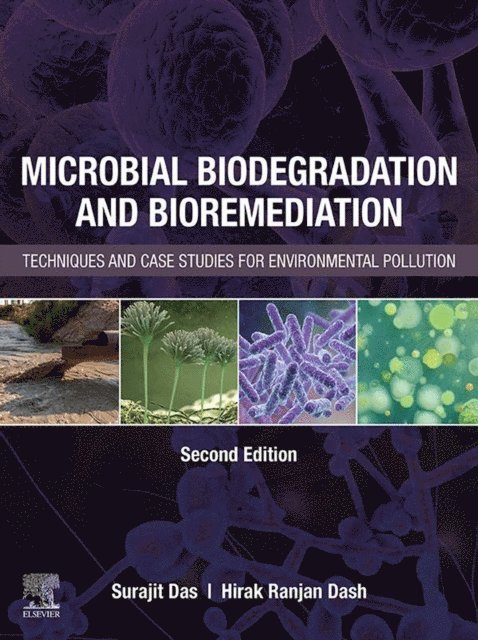
    Microbial Biodegradation and Bioremediation

    Techniques and Case Studies for Environmental Pollution

    AvSurajit Das,Hirak Ranjan Dash

    Häftad, Engelska, 2021

    1 477 kr

    Beställningsvara. Skickas inom 10-15 vardagar. Fri frakt över 249 kr.

    Beskrivning

    Microbial Biodegradation and Bioremediation: Techniques and Case Studies for Environmental Pollution, Second Edition describes the successful application of microbes and their derivatives for bioremediation of potentially toxic and relatively novel compounds in the environment. Our natural biodiversity and environment is in danger due to the release of continuously emerging potential pollutants by anthropogenic activities. Though many attempts have been made to eradicate and remediate these noxious elements, thousands of xenobiotics of relatively new entities emerge every day, thus worsening the situation. Primitive microorganisms are highly adaptable to toxic environments, and can reduce the load of toxic elements by their successful transformation and remediation.

    This completely updated new edition presents many new technologies and techniques and includes theoretical context and case studies in every chapter. Microbial Biodegradation and Bioremediation: Techniques and Case Studies for Environmental Pollution, Second Edition serves as a single-source reference and encompasses all categories of pollutants and their applications in a convenient, comprehensive format for researchers in environmental science and engineering, pollution, environmental microbiology, and biotechnology.


    • Describes many novel approaches of microbial bioremediation including genetic engineering, metagenomics, microbial fuel cell technology, biosurfactants and biofilm-based bioremediation
    • Introduces relatively new hazardous elements and their bioremediation practices including oil spills, military waste water, greenhouse gases, polythene wastes, and more
    • Provides the most advanced techniques in the field of bioremediation, including insilico approach, microbes as pollution indicators, use of bioreactors, techniques of pollution monitoring, and more
    • Completely updated and expanded to include topics and techniques such as genetically engineered bacteria, environmental health, nanoremediation, heavy metals, contaminant transport, and in situ and ex situ methods
    • Includes theoretical context and case studies within each chapter

    Produktinformation

    • Utgivningsdatum:2021-11-26
    • Mått:216 x 276 x 40 mm
    • Vikt:1 740 g
    • Format:Häftad
    • Språk:Engelska
    • Antal sidor:646
    • Upplaga:2
    • Förlag:Elsevier Science
    • ISBN:9780323854559

    Utforska kategorier

    • Biokemisk teknik inom Naturvetenskap och teknik
    • Kemi inom Naturvetenskap och teknik
    • Biologi inom Naturvetenskap och teknik

    Mer om författaren

    Prof. Surajit Das is currently working at the Department of Life Science, National Institute of Technology Rourkela, India. He received his doctoral degree in Marine Biology with specialization in microbiology from the Centre of Advanced Study in Marine Biology, Annamalai University, Tamil Nadu, India. He has been awarded the Endeavour Research Fellowship by the Australian Government to conduct postdoctoral research on marine microbial technology at the University of Tasmania. He has more than 15 years of research experience in environmental biotechnology, marine microbiology, bacterial biofilm, waste water treatment, and bioremediation. Prof. Das has maintained a strong commitment to explore the diversity of marine microorganisms from tropical, coastal, mangrove, and deep-sea environments using taxonomic and molecular tools. The main goal of his research is to understand the genetic regulation of bacterial biofilm for the improvement and development of biofilm-mediated bioremediation, thereby restoring the deteriorating environment as an eco-friendly approach.Hirak Ranjan Dash is a Researcher for the Forensic Science Laboratory at India’s National Institute of Technology. His expertise is in the field of environmental and forensic microbiology, DNA fingerprinting, microbial phylogeny and diversity, genetics, bioremediation, degradation of biological materials and applied microbiology. He has authored many publications, including articles, book chapters, and books.

    Innehållsförteckning

    • 1. Microbial bioremediation: A potential tool for restoration of the contaminated areas2. Heavy metals and hydrocarbons: Adverse effects and mechanism of toxicity3. Nanotoxicity: Aspects and concerns in biological systems4. Application of molecular techniques for assessment of microbial communities in contaminated sites5. Microbial indicators for monitoring pollution and bioremediation6. Biofilm mediated bioremediation of PAHs7. Nano-particle based bioremediation8. Bioremediation using extremophiles9. Role of Actinobacteria in bioremediation10. Biology, genetic aspects and oxidative stress response of Streptomyces and strategies for bioremediation of toxic metals11. Fungal bioremediation strategies12. Microbial bioremediation of industrial effluents13. Bioremediation of polythene wastes14. Phycoremediation of contaminated water and soil coupled with generation of value added products15. Feasibility of using microbial fuel cell technology for bioremediation16. Microbial bioremediation: A metagenomic approach17. In-silico approach in bioremediation18. Microbial bioremediation of greenhouse gases19. Enzymes/Enzymatic reactions in bioremediation20. Microbiological metabolism under chemical stress21. Bioremediation of pesticides: A case study22. Microalgae in removal of heavy metal and organic pollutants from soil23. Bioremediation of aquaculture effluents24. Aquifer microbiology of different geogenic setting for environmental biogeotechnology25. Exploring prospects of mono-oxygenases based bio-catalyst in xenobiotics and their computational modelling26. White-rot fungi and their Environmental applications27. Remediation of environmental pollution by genetically engineered Bacteria28. Toxicity on human-health and adverse consequences of cosmetics29. Bioremediation of Steroidal Estrogens30. Increased coverage of nanoremediation/ Applications and implications of nanotechnology in remediation of environmental pollutants31. Bioremediation of Heavy Metals/ New insights into bioremediation of toxic metals32. Expanded coverage of effluents from various industries33. New Techniques for contaminant transport/ monitoring of contaminant transport34. In situ and ex situ methods of bioremediation35. Factors affecting bioremediation36. Non-molecular methods of monitoring bioremediation