Inbunden, Engelska, 1992
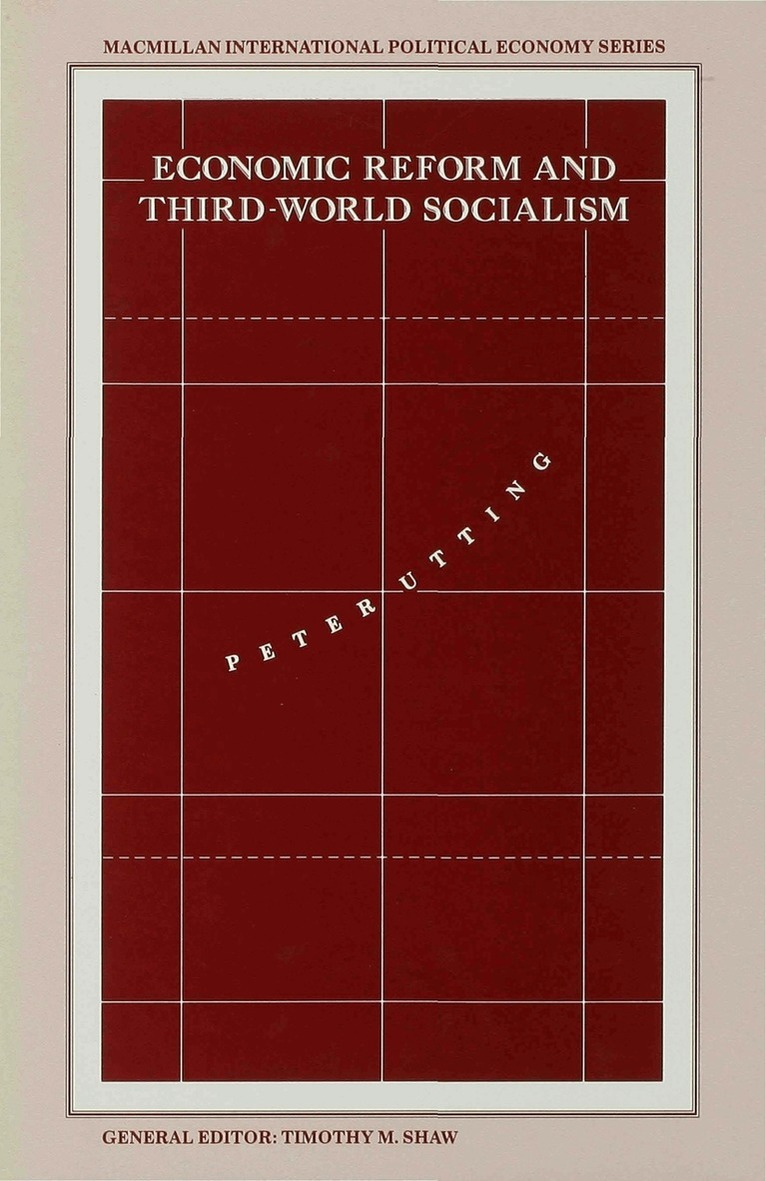
Economic Reform and Third-World Socialism
Av Peter Utting
1643 kr
Beställningsvara. Skickas inom 10-15 vardagar. Fri frakt över 249 kr.
Beskrivning
Throughout the 1980s major changes in development policy took place in several Third World socialist countries. This book examines why this shift from 'orthodoxy' to 'reform' occurred in Mozambique, Vietnam and Nicaragua, as well as in Cuba during the early 1980s. It provides an in-depth analysis of the changes which took place in economic and food policy and the nature of the crisis which prompted the reforms. It focuses particularly on the role of social forces in shaping the reform process.
Produktinformation
- Utgivningsdatum: 1992-06-24
- Mått: 140 x 216 x 22 mm
- Vikt: 581 g
- Format: Inbunden
- Språk: Engelska
- Serie: International Political Economy Series
- Antal sidor: 320
- Upplaga: 1992
- Förlag: Palgrave Macmillan
- ISBN: 9780333559185
Utforska kategorier
Betyg & recensioner
0 recensioner
Inga recensioner tillgängliga.