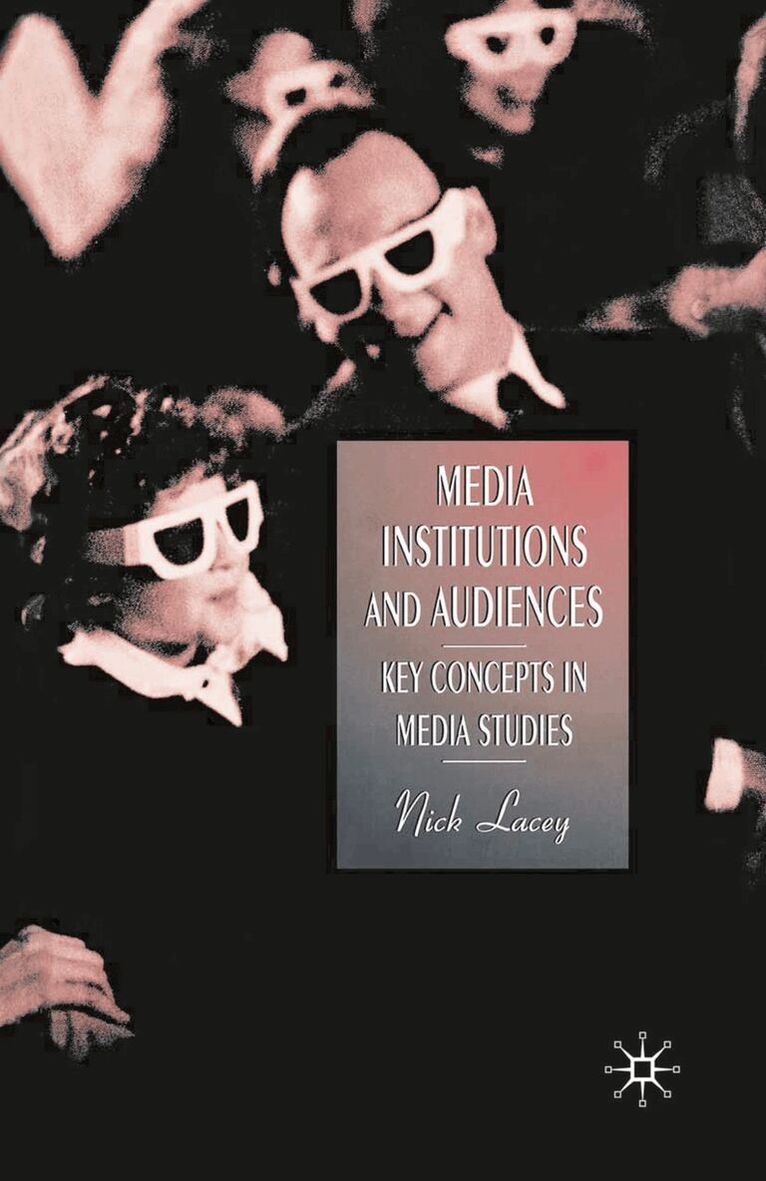
Media, Institutions and Audiences
Key Concepts in Media Studies
1 815 kr
Beställningsvara. Skickas inom 10-15 vardagar. Fri frakt över 249 kr.
Du är på sajten för privatpersoner.
1 815 kr
Beställningsvara. Skickas inom 10-15 vardagar. Fri frakt över 249 kr.
After graduating in film and literature from Warwick University, NICK LACEY worked in a variety of media institutions including Times Newspapers, EMAP and Yorkshire Television. He has been teaching media studies since 1991 and is currently Head of Media Studies at Benton Park School in West Yorkshire.
'One of the book's strengths is the clarity with which material is organised...' - Media Education Journal 'The book is well worth buying and should become a well-thumbed volume on the shelves of students from entry level at 16 through to undergraduate.' - Richard Harvey, In The Picture '...the book serves as a useful primer for students and scholars seeking a basic understanding of the interaction between organizations and the audiences they attempt to attract, as well as the broader political and cultural concerns that can arise from these interactions.' - Philip M. Napoli, Graduate School of Business, Fordham University, USA
Du är på sajten för privatpersoner.
1 815 kr
Beställningsvara. Skickas inom 10-15 vardagar. Fri frakt över 249 kr.
After graduating in film and literature from Warwick University, NICK LACEY worked in a variety of media institutions including Times Newspapers, EMAP and Yorkshire Television. He has been teaching media studies since 1991 and is currently Head of Media Studies at Benton Park School in West Yorkshire.
'One of the book's strengths is the clarity with which material is organised...' - Media Education Journal 'The book is well worth buying and should become a well-thumbed volume on the shelves of students from entry level at 16 through to undergraduate.' - Richard Harvey, In The Picture '...the book serves as a useful primer for students and scholars seeking a basic understanding of the interaction between organizations and the audiences they attempt to attract, as well as the broader political and cultural concerns that can arise from these interactions.' - Philip M. Napoli, Graduate School of Business, Fordham University, USA