• Fri frakt över 249 kr
  • •
  • Snabba leveranser
  • •
  • Billiga böcker
Kundservice

Du är på sajten för privatpersoner.

Företag, bibliotek eller offentlig verksamhet?

Du handlar på classic.bokus.com, där alla dina funktioner finns intakta.
Till classic.bokus.com
Bokus logotyp. Gå till startsidan.
  • Erbjudanden
  • Nyheter
  • Student
  • Topplistor
  • Barn & ungdom
  • Bokus Play
  • E-böcker
  • Pocketböcker
  • Spel & pussel

10% rabatt på allt med kod NYSTART10 →

Sidfot

Mina sidor

    Hjälp

    • Kundservice
    • Vanliga frågor och svar
    • Frakt och leverans
    • Retur vid ångerrätt
    • Reklamera vara
    • Betalning
    • Köpvillkor
    • Allmänna villkor
    • Information om webbplatsens tillgänglighet

    Om Bokus

    • Om oss
    • Pressrum
    • För studenter
    • För företag
    • För bibliotek och offentlig verksamhet
    • För leverantörer
    • Hållbarhet

    Populärt

    • Aktuella erbjudanden
    • Presentkort
    • Studentlitteratur
    • Nya böcker
    • Topplistor
    • Signerade böcker
    • Engelska böcker

    Inspiration

    • Boktips
    • BookTok
    • Populära bokserier
    • Barnbokskaraktärer
    • Populära författare
    Logotyp för Bokus
    Följ oss på Facebook (extern länk)Följ oss på Instagram (extern länk)Följ oss på YouTube (extern länk)Följ oss på TikTok (extern länk)
    bokus @ CookiesAnpassa cookiesIntegritetspolicyKöpvillkor
    Till Citymail hemsida (extern länk)Till Budbee hemsida (extern länk)Till Postnord hemsida (extern länk)Till Schenker hemsida (extern länk)Till Early Bird hemsida (extern länk)Till Walleys hemsida (extern länk)
    1. Samhälle och politik
    2. Politik och statsskick
    3. Politiska ideologier och rörelser
    4. Nationalism

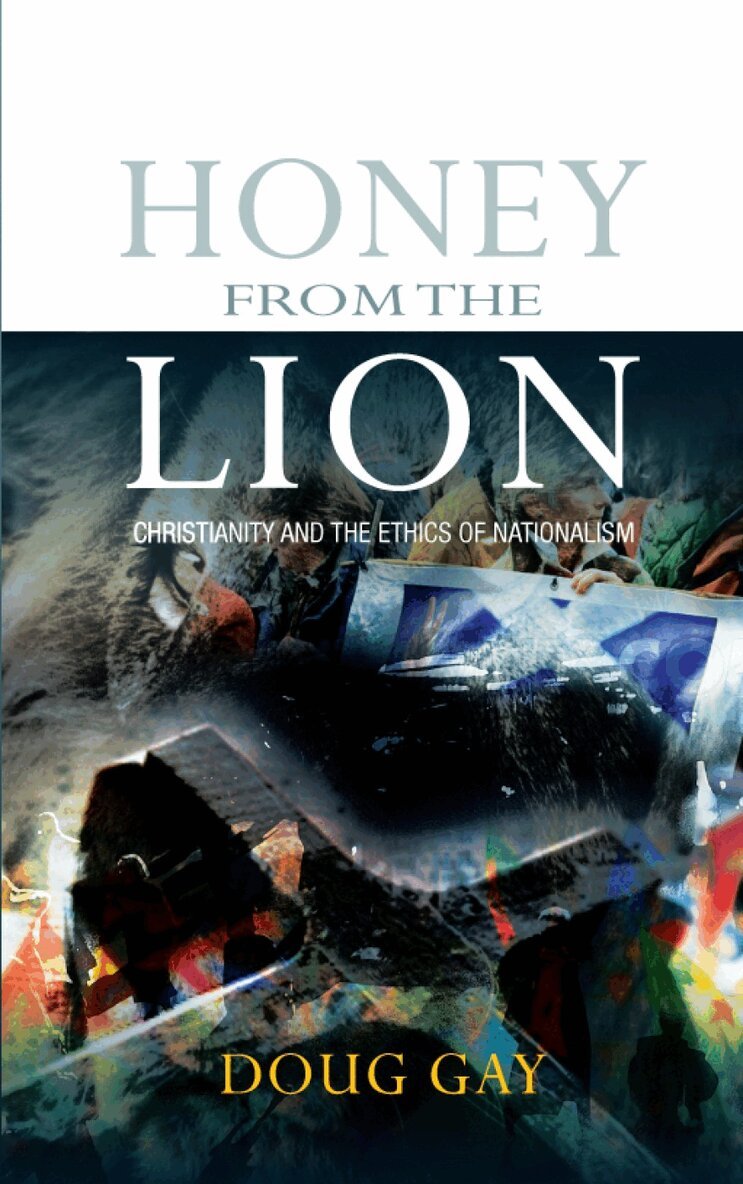
    Honey from the Lion

    Christianity and the Ethics of Nationalism

    AvDoug Gay

    Häftad, Engelska, 2013

    459 kr

    Beställningsvara. Skickas inom 5-8 vardagar. Fri frakt över 249 kr.

    Fler format och utgåvor

    E-bok

    370 kr

    Beskrivning

    Doug Gay explores the ethics of nationalism, recognising that for many Christians, churches and theologians, nationalism has often been seen as intrinsically unethical due to a presumption that at best it involves privileging one nation’s interests over another's and at worst it amounts to a form of ethnocentrism or even racism. Gay argues that there is another tradition of thinking nationalism, which can be related to state formation in early modern and modern Europe and North America, decolonisation in the 20th C and the reshaping of Central and Eastern Europe post 1989. This tradition represents a political response to various forms of ‘empire’ and an assertion of a desire for self-determination in opposition to domination by an imperial or colonial power. This trajectory has not yet been adequately recognised within political theology and Christian ethics, which remains suspicious of the language of nationalism, while quietly acquiescing in its acceptance of the political legitimacy of most existing nation-states. The book offers a clear challenge to this approach, suggesting it lacks self-awareness and moral authority and proposes a critical rehabilitation of the discourse of nationalism, as necessary and helpful in relation to creating an honest and transparent discourse about the legitimacy of state boundaries. What makes any nationalism – whether regnant or aspiring - ‘ethical’ for Christian theology?

    Produktinformation

    • Utgivningsdatum:2013-11-28
    • Mått:135 x 216 x 12 mm
    • Vikt:288 g
    • Format:Häftad
    • Språk:Engelska
    • Antal sidor:224
    • Förlag:SCM Press
    • ISBN:9780334046479

    Utforska kategorier

    • Nationalism inom Samhälle och politik
    • Religion: allmänt inom Filosofi och religion
    • Kristendom inom Filosofi och religion

    Mer om författaren

    Doug Gay is a Lecturer in Practical Theology at the University of Glasgow and a Church of Scotland minister.

    Recensioner i media

    Mediating the rich tradition of Scottish moral and practical theology, Gay addresses the question of how we should love our nation and value our national identity. The context for asking this question is this our "kairos" moment in the centuries long struggle between Scotland and England that has profoundly shaped the political order and imagination of both these nations. Out of this context Gay offers us a timely, provocative and pastoral challenge to reimagine a category that still shapes so much political life and thought throughout the world.