• Fri frakt över 249 kr
  • •
  • Snabba leveranser
  • •
  • Billiga böcker
Kundservice

Du är på sajten för privatpersoner.

Företag, bibliotek eller offentlig verksamhet?

Du handlar på classic.bokus.com, där alla dina funktioner finns intakta.
Till classic.bokus.com
Bokus logotyp. Gå till startsidan.
  • Erbjudanden
  • Nyheter
  • Student
  • Topplistor
  • Barn & ungdom
  • Bokus Play
  • E-böcker
  • Pocketböcker
  • Spel & pussel

10% rabatt på allt med kod NYSTART10 →

Sidfot

Mina sidor

    Hjälp

    • Kundservice
    • Vanliga frågor och svar
    • Frakt och leverans
    • Retur vid ångerrätt
    • Reklamera vara
    • Betalning
    • Köpvillkor
    • Allmänna villkor
    • Information om webbplatsens tillgänglighet

    Om Bokus

    • Om oss
    • Pressrum
    • För studenter
    • För företag
    • För bibliotek och offentlig verksamhet
    • För leverantörer
    • Hållbarhet

    Populärt

    • Aktuella erbjudanden
    • Presentkort
    • Studentlitteratur
    • Nya böcker
    • Topplistor
    • Signerade böcker
    • Engelska böcker

    Inspiration

    • Boktips
    • BookTok
    • Populära bokserier
    • Barnbokskaraktärer
    • Populära författare
    Logotyp för Bokus
    Följ oss på Facebook (extern länk)Följ oss på Instagram (extern länk)Följ oss på YouTube (extern länk)Följ oss på TikTok (extern länk)
    bokus @ CookiesAnpassa cookiesIntegritetspolicyKöpvillkor
    Till Citymail hemsida (extern länk)Till Budbee hemsida (extern länk)Till Postnord hemsida (extern länk)Till Schenker hemsida (extern länk)Till Early Bird hemsida (extern länk)Till Walleys hemsida (extern länk)
    1. Samhälle och politik
    2. Samhälle och kultur
    3. Kultur och medier
    4. Kulturvetenskap

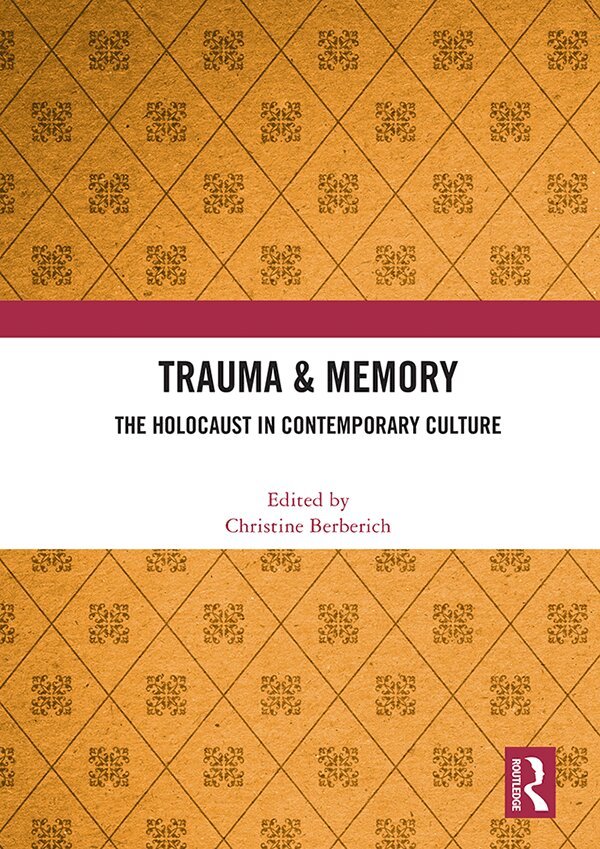
    Trauma & Memory

    The Holocaust in Contemporary Culture

    AvChristine Berberich

    Häftad, Engelska, 2023

    625 kr

    Beställningsvara. Skickas inom 10-15 vardagar. Fri frakt över 249 kr.

    Beskrivning

    Over the past decades, the memory of the Holocaust has not only become a common cultural consciousness but also a cultural property shared by people all over the world. This collection brings together academics, critics and creative practitioners from the fields of Holocaust Studies, Literature, History, Media Studies, Creative Writing and German Studies to discuss contemporary trends in Holocaust commemoration and representation in literature, film, TV, the entertainment industry and social media. The essays in this trans-disciplinary collection debate how contemporary culture engages with the legacy of the Holocaust now that, 75 years on from the end of the Second World War, the number of actual survivors is dwindling. It engages with ongoing cultural debates in Holocaust Studies that have seen a development from, largely, testimonial presentations of the Holocaust to more fictional narratives both in literature and film. In addition to a number of chapters focusing in particular on literary trends in Holocaust representation, the collection also assesses other forms of cultural production surrounding the Holocaust, ranging from recent official memorialisation in Germany to Holocaust presentation in film, computer games and social media. The collection also highlights the contributions by creative practitioners such as writers and performers who use drama and the traditional art of storytelling in order to keep memories alive and pass them on to new generations. The chapters in this book were originally published as a special issue of Holocaust Studies: A Journal of Culture and History.

    Produktinformation

    • Utgivningsdatum:2023-09-25
    • Mått:174 x 246 x 16 mm
    • Vikt:480 g
    • Format:Häftad
    • Språk:Engelska
    • Antal sidor:224
    • Förlag:Taylor & Francis Ltd
    • ISBN:9780367703172

    Utforska kategorier

    • Kulturvetenskap inom Samhälle och politik
    • Andra världskriget inom Historia och arkeologi
    • Förintelsen inom Historia och arkeologi

    Mer om författaren

    Christine Berberich is Reader in Literature at the University of Portsmouth, UK. She has published widely in the field of national identity construction, especially Englishness, and in twentieth-century and contemporary literature. She is the author of The Image of the English Gentleman in Twentieth-Century Literature: Englishness & Nostalgia (2007), co-editor of These Englands: Conversations on National Identity (2011), Land & Identity: Theory, Memory, Practice (2012) and Affective Landscapes in Literature, Art & Everyday Life (2015), and editor of The Bloomsbury Introduction to Popular Fiction (2014). She is currently editing a collection on Brexit and the migrant experience, entitled Brexit and the Migrant Voice, as well as writing a monograph tentatively entitled Nazi Noir and a public interest book on P.G. Wodehouse and the Nazi Internment Camp at Tost.

    Innehållsförteckning

    • Part I: IntroductionIntroduction: the Holocaust in Contemporary CultureChristine Berberich1. ‘To tell the story’: cultural trauma and holocaust metanarrative Anna Clare HunterPart II: New Trends in Holocaust Fiction2. No laughing matter: humor and the Holocaust in Woody Allen, Shalom Auslander, and Howard Jacobson Christopher Madden3. From silence to testimony: performing trauma and postmemory in Jonathan Safran Foer’s Everything is IlluminatedAudrey Bardizbanian4. Whose trauma is it? A trauma-theoretical reading of The Book Thief by Marcus Zusak Zuzana Burákóva5. ‘I think I’m beginning to understand. What I’m writing is an infranovel’: Laurent Binet, HHhH and the problem of ‘writinghistory’Christine Berberich6. ‘Beyond words’: representing the ‘Holocaust by bullets’ Sue Vice7. Still struggling with German history: W.G. Sebald, Gunter Demnig and activist memory workers in Berlin today Kirsten GrimstadPart III: The Holocaust in Contemporary Culture8. Remembering the ‘unwanted’ victims: initiatives to memorialize the National Socialist euthanasia program in Germany Caroline Pearce9. Figuring the Grey Zone: the Auschwitz Sonderkommando in contemporary cultureDominic Williams10. Instagram and Auschwitz: a critical assessment of the impact social media has on Holocaust representation Gemma Commane and Rebekah Potton11. Encountering Auschwitz: touring the Auschwitz-Birkenau State Museum Claire GriffithsAfterword: Conclusion Christine Berberich