• Fri frakt över 249 kr
  • •
  • Snabba leveranser
  • •
  • Billiga böcker
Kundservice

Du är på sajten för privatpersoner.

Företag, bibliotek eller offentlig verksamhet?

Du handlar på classic.bokus.com, där alla dina funktioner finns intakta.
Till classic.bokus.com
Bokus logotyp. Gå till startsidan.
  • Erbjudanden
  • Nyheter
  • Student
  • Topplistor
  • Barn & ungdom
  • Bokus Play
  • E-böcker
  • Pocketböcker
  • Spel & pussel

10% rabatt på allt med kod: NYSTART10 →

Sidfot

Mina sidor

    Hjälp

    • Kundservice
    • Vanliga frågor och svar
    • Frakt och leverans
    • Retur vid ångerrätt
    • Reklamera vara
    • Betalning
    • Köpvillkor
    • Allmänna villkor
    • Information om webbplatsens tillgänglighet

    Om Bokus

    • Om oss
    • Pressrum
    • För studenter
    • För företag
    • För bibliotek och offentlig verksamhet
    • För leverantörer
    • Hållbarhet

    Populärt

    • Aktuella erbjudanden
    • Presentkort
    • Studentlitteratur
    • Nya böcker
    • Topplistor
    • Signerade böcker
    • Engelska böcker

    Inspiration

    • Boktips
    • BookTok
    • Populära bokserier
    • Barnbokskaraktärer
    • Populära författare
    Logotyp för Bokus
    Följ oss på Facebook (extern länk)Följ oss på Instagram (extern länk)Följ oss på YouTube (extern länk)Följ oss på TikTok (extern länk)
    bokus @ CookiesAnpassa cookiesIntegritetspolicyKöpvillkor
    Till Citymail hemsida (extern länk)Till Budbee hemsida (extern länk)Till Postnord hemsida (extern länk)Till Schenker hemsida (extern länk)Till Early Bird hemsida (extern länk)Till Walleys hemsida (extern länk)
    1. Psykologi och pedagogik
    2. Pedagogik
    3. Pedagogisk teori och filosofi

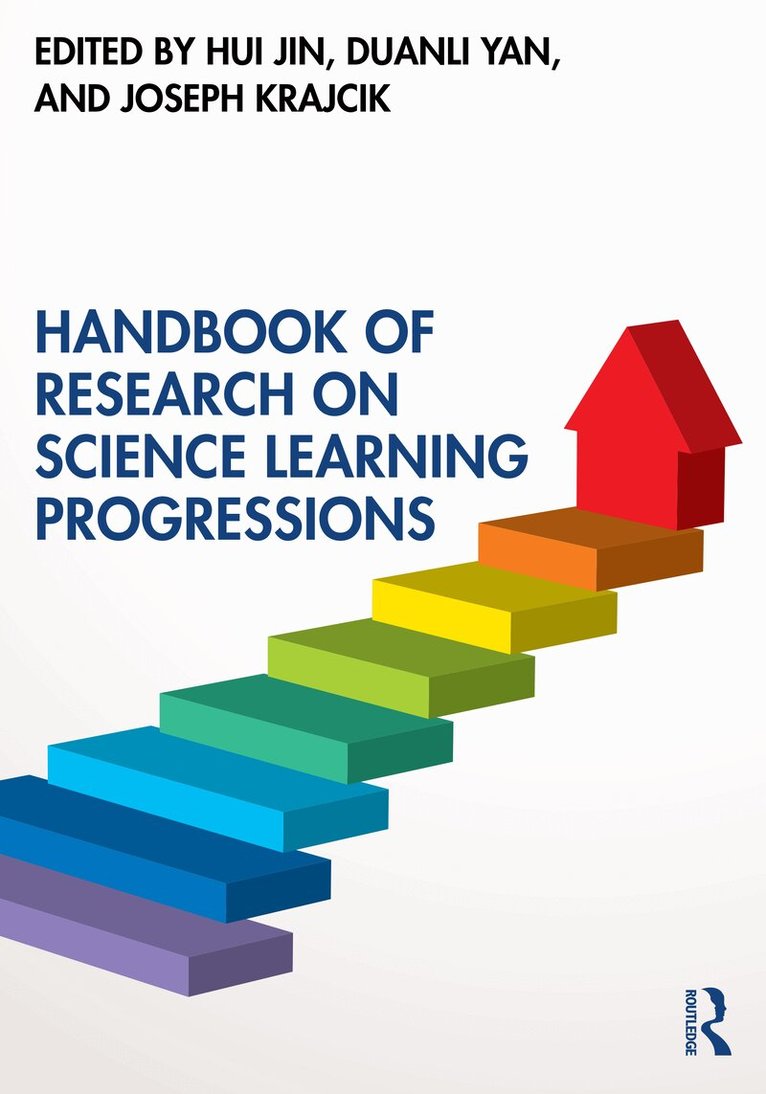
    Handbook of Research on Science Learning Progressions

    AvHui Jin,Duanli Yan

    Häftad, Engelska, 2024

    1 645 kr

    Beställningsvara. Skickas inom 10-15 vardagar. Fri frakt över 249 kr.

    Beskrivning

    Gathering contributions from leading scholars around the world, this handbook offers a comprehensive resource on the most recent advances in research surrounding the theories, methodologies, and applications of science learning progressions.Researchers and educators have used learning progressions to guide the design and alignment of curriculum, instruction, and assessment, and to help students learn scientific knowledge and practices in a coherent and connected way across multiple years. This handbook lays out the development and current state of research in this field across four sections: learning progression theories and methodologies; learning progressions to promote student learning; teachers’ learning and use of learning progressions; and new technology in learning progression research.Featuring internationally-recognized experts in learning progression research as well as up-and-coming voices, the Handbook of Research on Science Learning Progressions offers a defining new resource for researchers, teachers and teacher educators, and curriculum and assessment developers in science education.

    Produktinformation

    • Utgivningsdatum:2024-07-30
    • Mått:178 x 254 x 30 mm
    • Vikt:453 g
    • Format:Häftad
    • Språk:Engelska
    • Antal sidor:532
    • Förlag:Taylor & Francis Ltd
    • ISBN:9780367773182

    Utforska kategorier

    • Pedagogisk teori och filosofi inom Psykologi och pedagogik
    • Skolan och förskolan inom Psykologi och pedagogik
    • Undervisning i specifika ämnen inom Psykologi och pedagogik

    Mer om författaren

    Hui Jin is an associate professor of science education at Georgia Southern University, USA.Duanli Yan is the Director of Computational Research at ETS and adjunct professor at Fordham University, USA.Joseph Krajcik directs the CREATE for STEM Institute and is a University Distinguished Professor at Michigan State University, USA.

    Innehållsförteckning

    • 1. An Introduction to Science Learning Progression Research Section 1: Learning Progression Theories and Methodologies 2. Cognitive Foundations of Science Learning Progressions 3. On the Critiques of the Learning Progression Research 4. Validity of learning progressions 5. Development and Validation of Knowledge-In-Use Learning Progressions 6. Coordinating Assessments with a Learning Progression 7. Learning Progression Approaches Used in Germany 8. Learning Progression Approaches Used in China 9. Implications of Mathematics Learning Trajectories for Science Education 10. Commentary: Perspectives on Learning Progression Theories and Methodologies Section 2: Learning Progressions to Promote Student Learning 11. Learning Progressions in Genetics 12. Developing Three-Dimensional Learning Progressions of Energy, Interaction, and Matter at Middle School Level: A Design-Based Research 13. Rethinking Learning Progression for Energy 14. Geology & Earth Systems Sciences Learning Progressions 15. Supporting Curriculum Development with a Learning Progression for Matter-tracing Investigations 16. Using a Learning Progression to Assess and Scaffold Students’ Explanations of Carbon-transforming Processes 17. Commentary: Reflection on the Learning Progression Approach to Promoting Student Learning Section 3: Curriculum, Instruction, and Teacher Learning 18. Key Components of Learning Progression-Based Educative Curriculum Materials Designed to Support Teachers and Their Diverse Students 19. Crosscutting Concepts and Learning Progressions 20. Science Teacher Educators and Science Teacher Learning Progressions: Resource, Roadmap, and Representation 21. Learning progressions as supports for teachers' formative assessment practices 22. Using learning progressions in professional development programs 23. Learning Progressions and Youths’ Rightful Presence in Science 24. Commentary: Implications of Teachers’ Learning and Use of Learning Progressions Section 4: Applications of Innovative Technology and Artificial Intelligence to Support Learning Progressions 25. Dynamic Bayesian Models for Learning Progressions 26. The Application of Automated Scoring Technology in Learning Progression Assessment 27. Integrating Artificial Intelligence into Learning Progression to Support Student Knowledge-in-Use: Opportunities and Challenges 28. Using an AI-based dashboard to help teachers support students’ learning progressions for science practices 29. Commentary: The role of technology in science learning progression