• Fri frakt över 249 kr
  • •
  • Snabba leveranser
  • •
  • Billiga böcker
Kundservice

Du är på sajten för privatpersoner.

Företag, bibliotek eller offentlig verksamhet?

Du handlar på classic.bokus.com, där alla dina funktioner finns intakta.
Till classic.bokus.com
Bokus logotyp. Gå till startsidan.
  • Erbjudanden
  • Nyheter
  • Student
  • Topplistor
  • Barn & ungdom
  • Bokus Play
  • E-böcker
  • Pocketböcker
  • Spel & pussel

10% rabatt på allt med kod: NYSTART10 →

Sidfot

Mina sidor

    Hjälp

    • Kundservice
    • Vanliga frågor och svar
    • Frakt och leverans
    • Retur vid ångerrätt
    • Reklamera vara
    • Betalning
    • Köpvillkor
    • Allmänna villkor
    • Information om webbplatsens tillgänglighet

    Om Bokus

    • Om oss
    • Pressrum
    • För studenter
    • För företag
    • För bibliotek och offentlig verksamhet
    • För leverantörer
    • Hållbarhet

    Populärt

    • Aktuella erbjudanden
    • Presentkort
    • Studentlitteratur
    • Nya böcker
    • Topplistor
    • Signerade böcker
    • Engelska böcker

    Inspiration

    • Boktips
    • BookTok
    • Populära bokserier
    • Barnbokskaraktärer
    • Populära författare
    Logotyp för Bokus
    Följ oss på Facebook (extern länk)Följ oss på Instagram (extern länk)Följ oss på YouTube (extern länk)Följ oss på TikTok (extern länk)
    bokus @ CookiesAnpassa cookiesIntegritetspolicyKöpvillkor
    Till Citymail hemsida (extern länk)Till Budbee hemsida (extern länk)Till Postnord hemsida (extern länk)Till Schenker hemsida (extern länk)Till Early Bird hemsida (extern länk)Till Walleys hemsida (extern länk)
    1. Djur och Natur
    2. Naturböcker
    3. Växtböcker

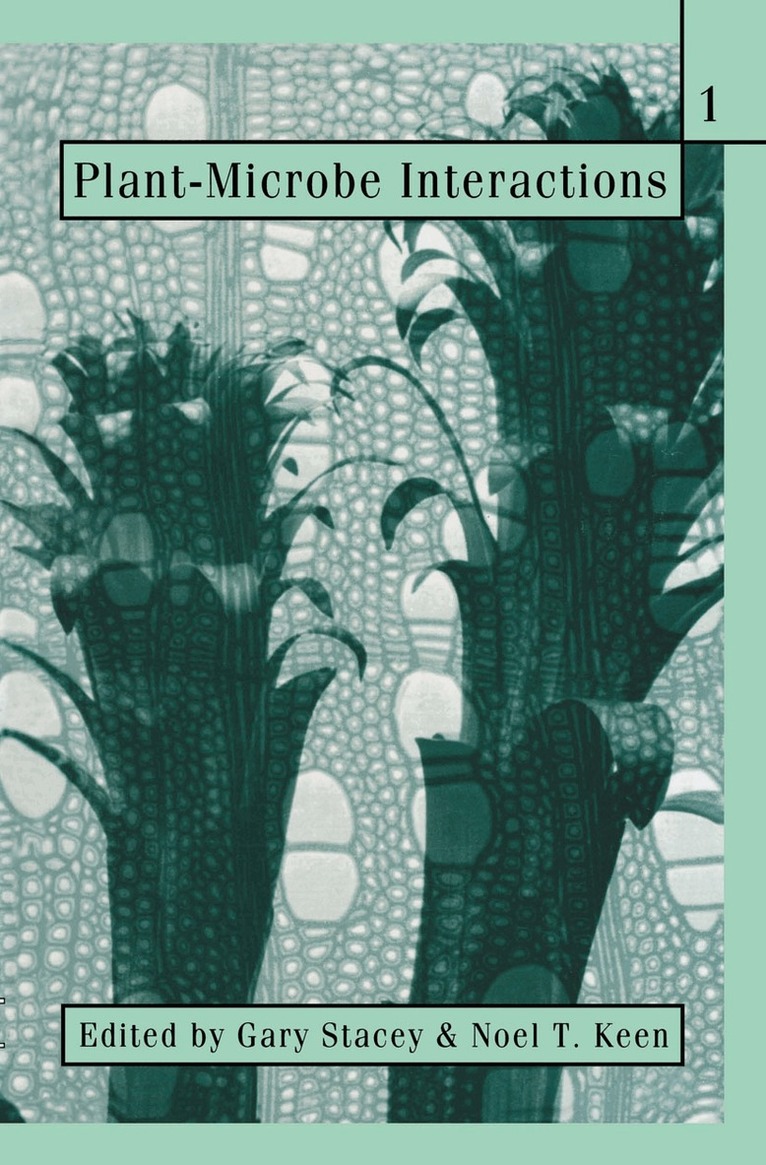
    Plant-Microbe Interactions

    AvGary Stacey,Noel T. Keen

    Inbunden, Engelska, 1995

    Del 1 i serien Plant-Microbe Interactions

    1 626 kr

    Beställningsvara. Skickas inom 10-15 vardagar. Fri frakt över 249 kr.

    Beskrivning

    Plant-Microbe Interactions, Volume 1 Many plant-microbe interactions have agronomic importance because of either beneficial (e.g., nitrogen fixation or biocontrol) or detrimental (e.g., pathogen­ esis) effects. Although these systems have been the subjects of scientific re­ search for many years, recently there has been a tremendous increase in our knowledge of them. The increases in this research have followed a similar general increase in plant science research. Classical plant science research disciplines (e.g., agronomy, breeding, plant physiology, systematics, etc.) have been affected by an increased focus on molecular biology. These new technologies, as well as advances in other areas, have the effect of blurring the traditional borders between research disciplines. Another factor influencing the development of this research is the increased attention given to environmental issues. These concerns have been brought about by debate over the release of genetically modified organisms and the general concern over environmental quality. Thus, research areas focused on plant-microbe interactions are presently in a period of great excitement and growth that shows every sign of continuing far into the future. As in most research areas, the rate of advance and breadth of disciplines involved in the study of plant-microbe interactions make it impossible for the average researcher or student to stay abreast of the primary scientific literature.

    Produktinformation

    • Utgivningsdatum:1995-12-31
    • Mått:155 x 235 x 23 mm
    • Vikt:670 g
    • Format:Inbunden
    • Språk:Engelska
    • Serie:Plant-Microbe Interactions
    • Antal sidor:316
    • Upplaga:1996
    • Förlag:Chapman and Hall
    • ISBN:9780412988813

    Utforska kategorier

    • Växtböcker inom Djur och Natur
    • Biokemi inom Naturvetenskap och teknik
    • Botanik inom Naturvetenskap och teknik

    Innehållsförteckning

    • 1 Molecular Cloning of Plant Disease Resistance Genes.- 2 Transgenic Plants for Disease Control.- 3 Systemic Acquired Resistance.- 4 Interactions of Grasses with Endophytic Epichloë Species and Hybrids.- 5 Pathogenesis and Sexual Development of the Smut Fungi.- 6 Current Concepts in the Use of Introduced Bacteria for Biological Disease Control: Mechanisms and Antifungal Metabolites.- 7 Legume Signals to Rhizobial Symbionts: A New Approach for Defining Rhizosphere Colonization.- 8 Nodulation Factors.